

Q&A
- +2
Judy Dempsey, Alexander Gabuev, Rose Gottemoeller, …

REQUIRED IMAGE
The current arguments for and against nuclear weapons revolve around the question of utility: those supporting new weapons, for example, argue that the very utility of such weapons would enhance their effectiveness as a deterrent.
The current arguments for and against nuclear weapons revolve around the question of utility: those supporting new weapons, for example, argue that the very utility of such weapons would enhance their effectiveness as a deterrent. In brief form, the main arguments, pro and con, are as follows:
|
Pro
|
Con
|
| No President will ever decide to use existing U.S. nuclear weapons, because they were designed for an all-out attack against our Cold War adversaries and their destructive power is too great for more limited missions. The President would be self-deterred by their destructive power. Therefore, we do not today have a reliable nuclear deterrent. To remedy this problem, we must replace the "ash and trash" of the Cold War with new, more useable nuclear weapons, especially with the characteristic of low yield. This step would enhance deterrence. | One of the hallmarks of a sound national security strategy is a measure of ambiguity about leadership decision-making in time of crisis. To claim, with certainty, that a President would not dare to use nuclear weapons because of this or that characteristic deals a blow to U.S. national security. The claim that the President would not act weakens deterrence, not the weapons themselves. Indeed, weapons in the current U.S. arsenal have many different characteristics, including low yield. These give the President multiple options to consider, as long as their targeting is sufficiently flexible. |
| A limited capability to use new nuclear weapons in a unique military mission, bunker-busting, is a U.S. national security interest more compelling than that of non-use of nuclear weapons. In fact, if the United States can use bunker-busters in a limited mission such as destroying buried chemical or biological sites, the weapons will enhance deterrence, dissuading adversaries from pursuing such capabilities. Other countries will recognize and accept the compelling nature of this mission. Therefore, the norm of non-use will not be undermined. | There are technical limits to the performance of projectiles hitting the surface of the earth at high velocity. No matter how they are hardened or what material they hit, they will only penetrate for a limited distance. This limitation would result in a nuclear explosion relatively near the surface, which would likely produce a large measure of radiation contamination at the surface and would unlikely destroy the deeply buried target. In other words, high-velocity earth penetration is limited by physical principles, regardless of whether the weapon is nuclear- or conventional-armed. |
| Nothing the United States does is relevant to the decision that other countries make about nuclear weapons. Their decisions are reached on the basis of their own regional security situation. A prime example of this phenomenon is the behavior of India and Pakistan over Kashmir. If the United States re-nuclearizes its armed forces, then other countries will not necessarily follow. They will look around instead to what their regional adversaries are doing. | As the world's leading power, the United States cannot pretend that other countries do not take notice of its decisions. The U.S. would cease to be a leader if this were the case. Indeed, India and Pakistan made constant reference to the nuclear capabilities of the United States and other nuclear weapon states under the NPT in pursuing their own programs. Although other countries might choose not to follow a U.S. decision to build new nuclear weapons, they will certainly conclude that a new standard is being set: other countries can consider nuclear weapons, since the world's leading power, with the most powerful conventional forces, has decided it still has need of them. |
| The weapons that were designed and built during the Cold War are difficult to maintain, so much so that their reliability and safety will be increasingly in question, especially absent testing. Likewise, the cadre of scientists and technicians who designed and built these weapons is retiring, so the United States no longer has the expertise at hand to maintain the weapons. New weapons should be designed, tested and built that take advantage of new materials and techniques; they will be easier to maintain. This process will also train and bring to professional maturity of new generation of weapon experts. | The weapons in the current U.S. arsenal were built to be robust and reliable; they were also designed in such a way that their component parts can be switched out and reconstructed with more modern materials and methods. Therefore, current warheads are by no means "static" technology, trapped in the Cold War era. They can be improved for reliability and safety through the maintenance process. This system also maintains the expertise of the technicians responsible for the stockpile. The scientists, however, should not be limited to working only on the weapons. They should be exploring a much broader range of scientific questions that are of use not only to the nuclear arsenal, but to larger U.S. scientific goals. In this way, the United States will maintain its scientific preeminence and be prepared in the case of new nuclear and military threats to this country and its allies. |

Nonresident Senior Fellow, Nuclear Policy Program
Rose Gottemoeller is a nonresident senior fellow in Carnegie’s Nuclear Policy Program. She also serves as lecturer at Stanford University’s Freeman Spogli Institute for International Studies and is a research fellow at the Hoover Institution. Ambassador Gottemoeller served as the deputy secretary general of NATO from 2016 to 2019.
Recent Work


Judy Dempsey, Alexander Gabuev, Rose Gottemoeller, …
Carnegie does not take institutional positions on public policy issues; the views represented herein are those of the author(s) and do not necessarily reflect the views of Carnegie, its staff, or its trustees.
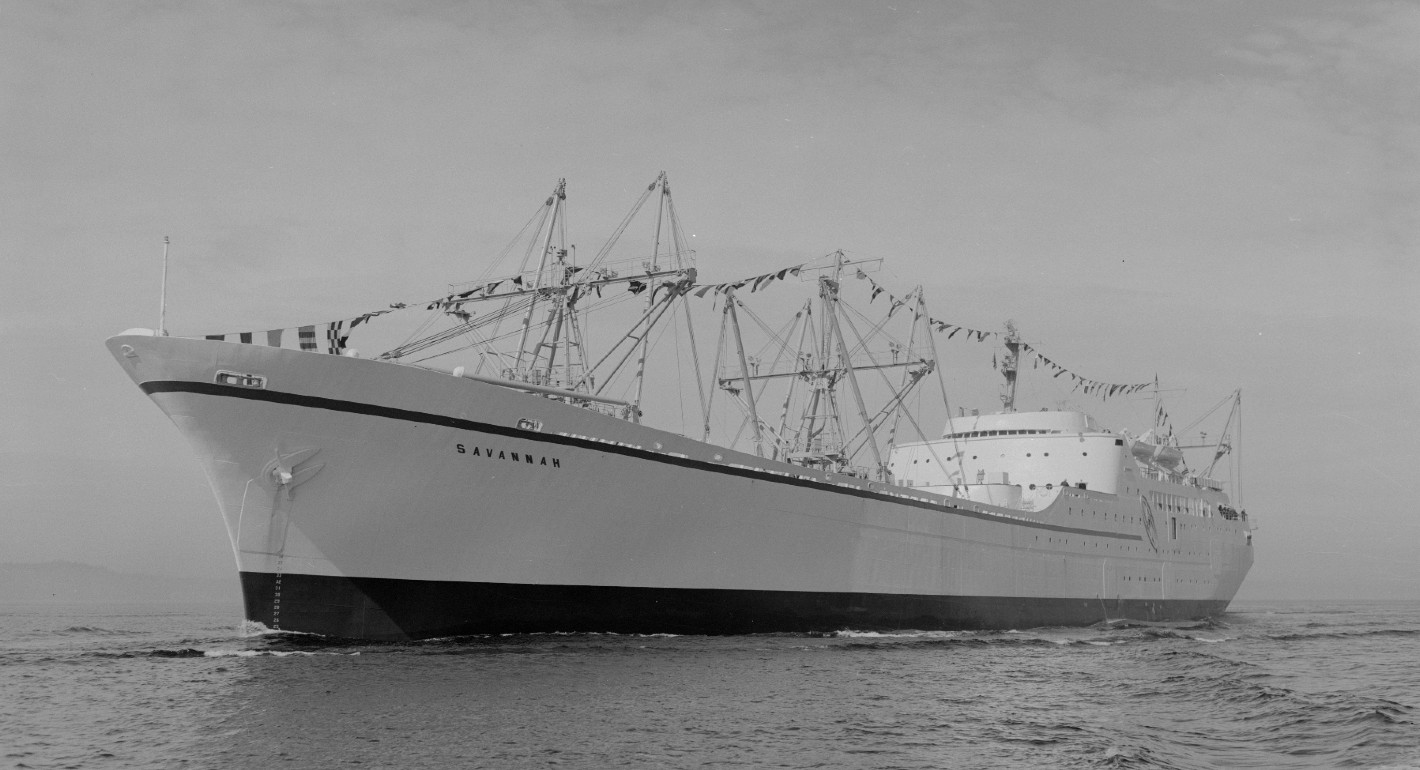
Nuclear and maritime communities face a long and challenging journey to deploy commercial nuclear applications at sea.


Jamie Kwong, Toby Dalton

A look at how public opinion influences the credibility of coercive nuclear threats,and how it enables and constrains strategies of nuclear coercion.

Lauren Sukin, Samuel Seitz
Despite the agreement’s uncertainty, it’s still a significant development in regional and nuclear policy.


Andrew Leber, Jane Darby Menton
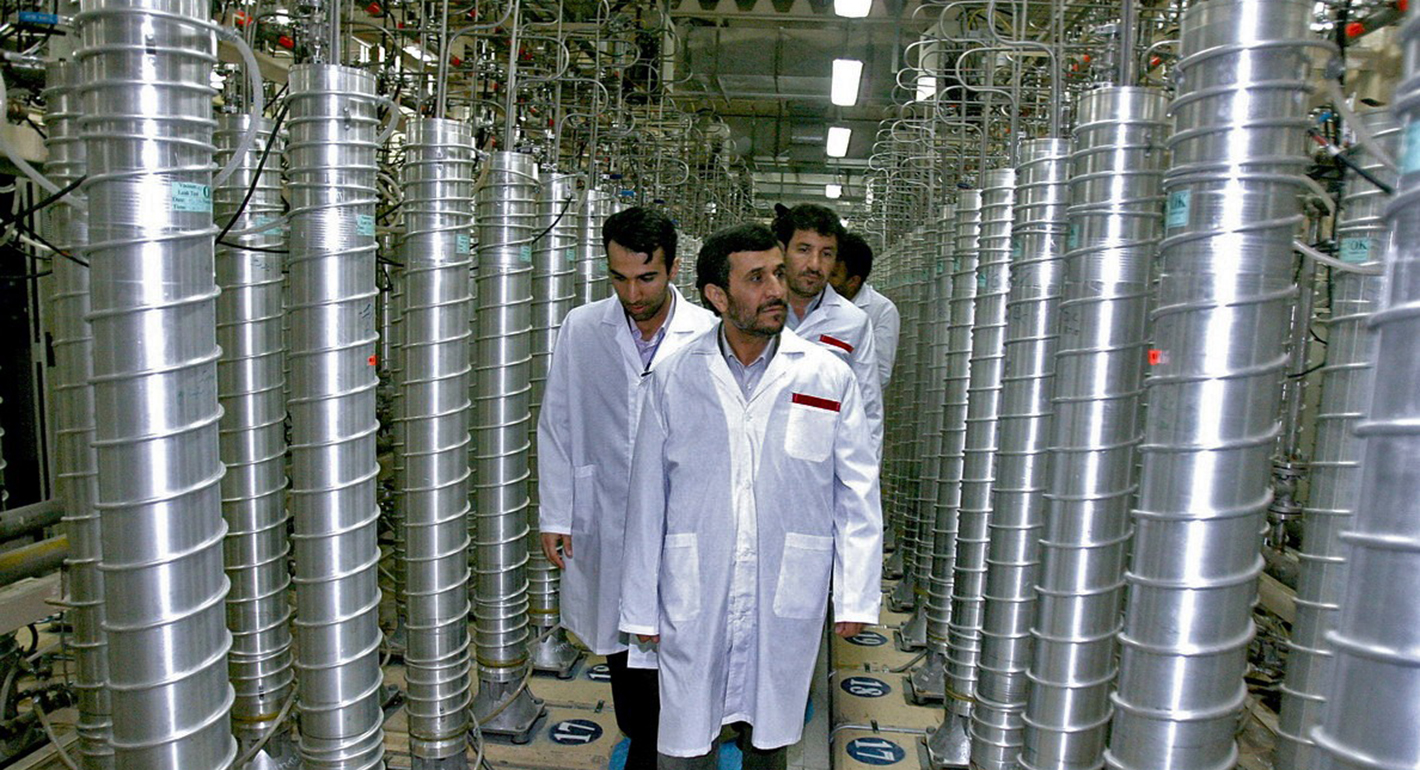
The nuclear weapons threshold is increasingly important for proliferation strategy and policy. Policymakers should better understand the implications of the threshold phenomenon in the current international security environment and plausible strategies to deal with the growing challenge that it presents.

Ariel (Eli) Levite, Toby Dalton
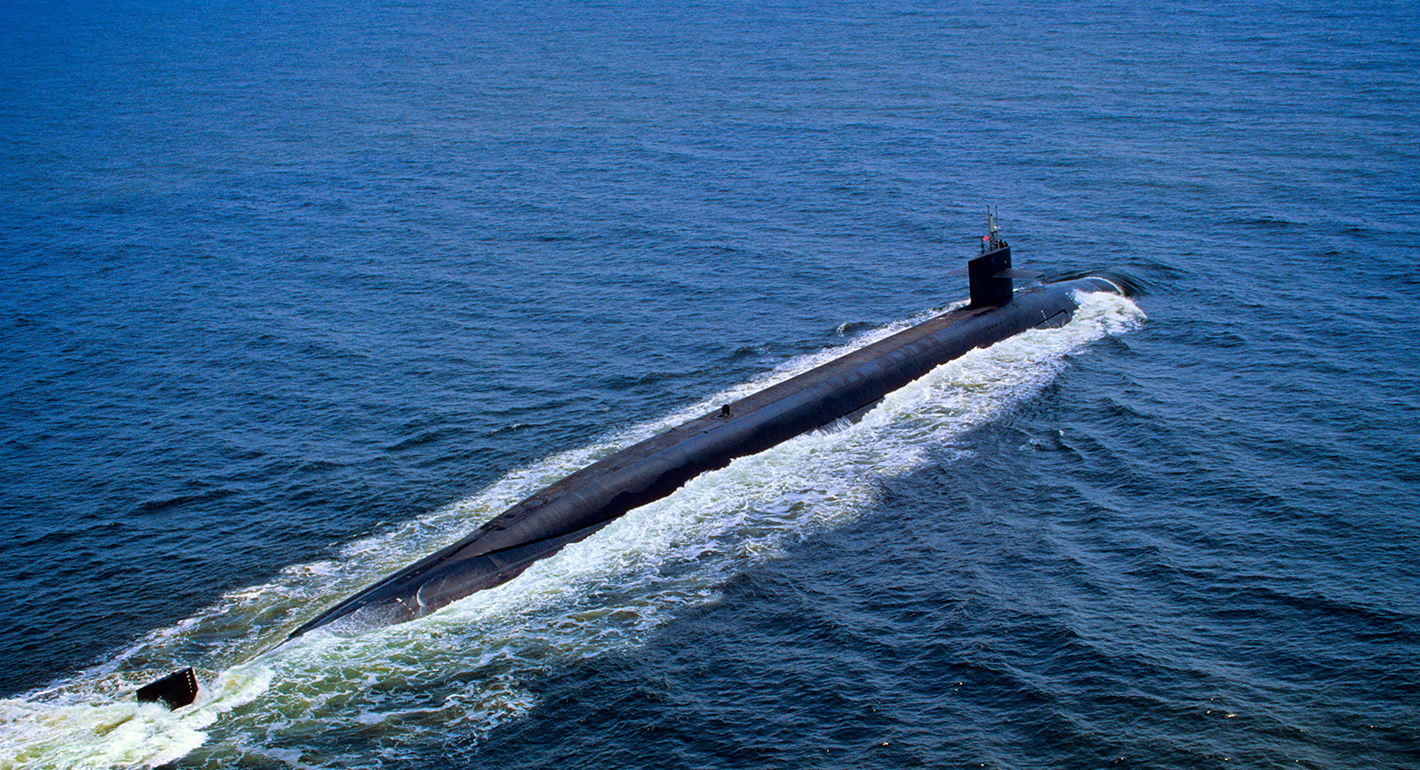
It seems likely that, no matter what, the power of the U.S. nuclear arsenal will face erosion, not least in the credibility of its commitments to defend allies and the political durability of those alliances.


James M. Acton, Ankit Panda