

In The Media
Branko Milanovic

Source: Getty
Despite the promises made by globalization, in the last twenty years the world's poorest countries have fallen further behind the rich. In a new Carnegie Paper, Branko Milanovic debunks current development theories that explain why poorer countries have not reaped the rewards of global economic integration.
Source: Carnegie Endowment
Summary
Despite the promises made by globalization, in the last twenty years the world’s poorest countries have fallen further behind the rich. In a new Carnegie Paper, Branko Milanovic debunks current development theories that explain why poorer countries have not reaped the rewards of global economic integration. Using statistical analysis, Milanovic finds that the higher likelihood of poor countries to be involved in wars and civil conflicts is the most important determinant for their lack of growth while, surprisingly, the effects of domestic reforms or international lending were minimal.
Why Did the Poorest Countries Fail to Catch Up? reaches surprising and valuable conclusions about the effects of globalization on those who feel it most.
Click on the link above for the full text of this Carnegie Paper.
About the Author
Branko Milanovic is a senior associate in the Trade, Equity and Development Project at the Carnegie Endowment. He is also a lead economist in the World Bank’s research department, where he works on the topics of income inequality and globalization.
This is a web-only publication.
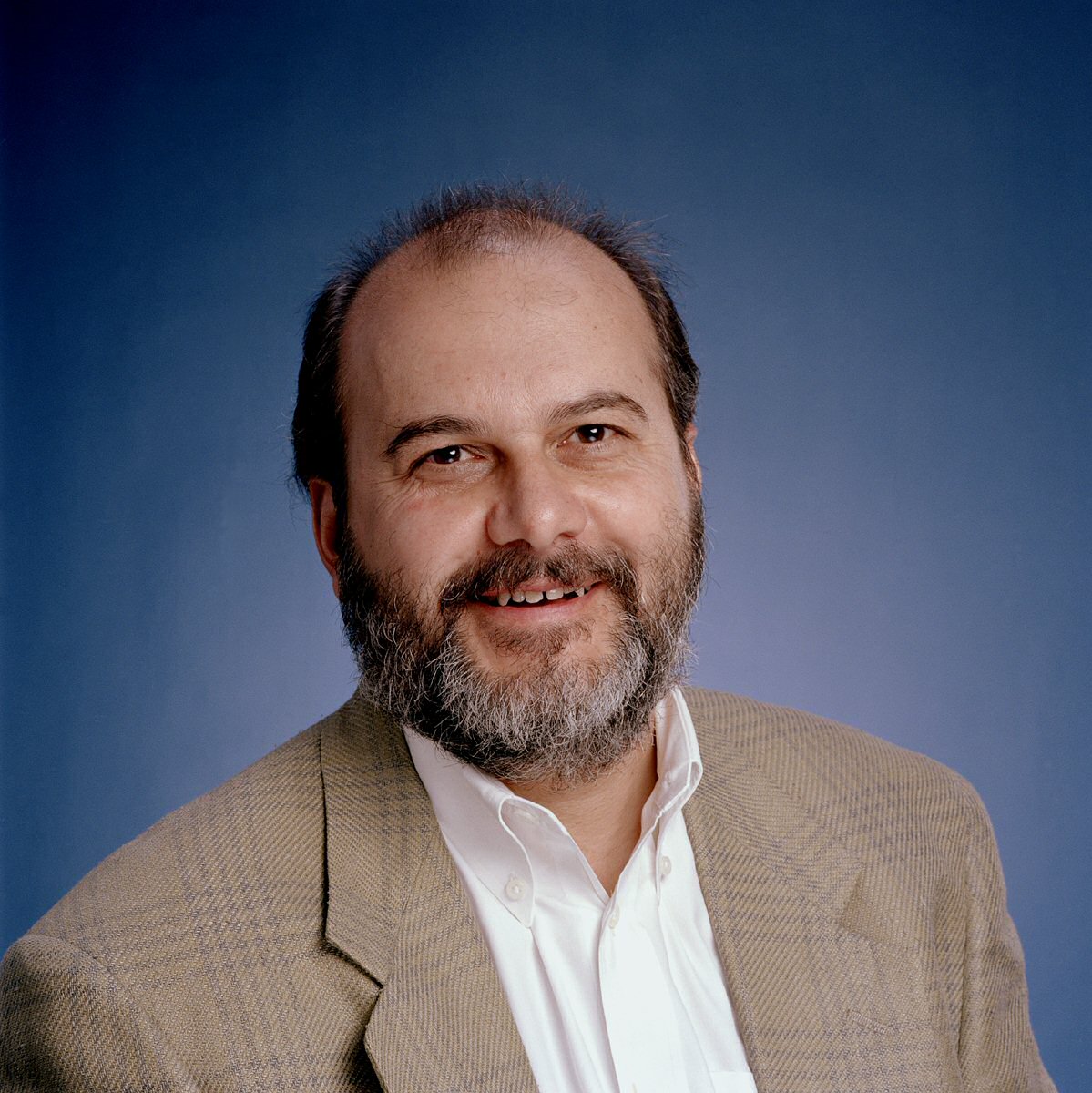
Former Adjunct Scholar
Milanovic is a lead economist in the World Bank's research department,where he has been working on the topics of income inequality and globalization. Previously, he was a World Bank country economist for Poland and a research fellow at the Institute of Economic Sciences in Belgrade.
Recent Work
Branko Milanovic
Karla Hoff, Shale Horowitz, Branko Milanovic
Carnegie does not take institutional positions on public policy issues; the views represented herein are those of the author(s) and do not necessarily reflect the views of Carnegie, its staff, or its trustees.

The Plaza Accord was not an externally imposed punishment of Japan but part of a broader restructuring that Japanese economists and policymakers themselves recognized was necessary. Its effects were undermined, however, when Tokyo responded to the resulting slowdown with policies that exacerbated investment, credit expansion, and the very imbalances the adjustment was intended to resolve.

Michael Pettis

Trump has promised Belarus a massive potash deal. But Minsk is seeking something greater: restored Western transit and greater room for maneuver from Russia.

Balázs Jarábik

A summer of escalation in the Black Sea has hurt Ukraine economically and is exacerbating world food security. A truce is needed—as is a broader reframing of Europe’s Ukraine strategy.

Thomas de Waal

The Bureau of Industry and Security needs to adjust its focus and practices to maintain its position as the U.S. government’s primary champion of international technological competition.
Geoffrey Irving

Depleted financial reserves and a shrinking tax base mean it is no longer possible to simultaneously deliver high defense spending, price stability, and economic growth.

Alexandra Prokopenko