

Commentary
Amr Hamzawy

REQUIRED IMAGE
Morocco’s leading Islamist party—the Party for Justice and Development Party (PJD)—is facing growing disillusionment among its supporters after moderating its policies but failing to gain greater political influence.
Source: Carnegie Endowment
Morocco’s leading Islamist party—the Party for Justice and Development Party (PJD)—is facing growing disillusionment among its supporters after moderating its policies but failing to gain greater influence over policy. Focusing on economic and legal reforms—advocating the redistribution of power in Morocco’s restricted political environment—failed to gain it greater political influence and opened it to accusation from more hardline Islamist movements of compromising their religious commitments for political advancement, argues a new paper by Amr Hamzawy.
The PJD, since its creation in 1992, has long been a peaceful political party, separate from its parent religious movement. Its decision to deemphasize religious and moral issues, however, has alienated some of its constituents, forcing the party to compete for their allegiance with more fundamentalist Islamist movements. In Party for Justice and Development in Morocco: Participation and Its Discontents, Hamzawy analyzes the institutional and political conditions that shaped the PJD, its policy priorities, and its impact on Morocco’s political environment.
Key Conclusions:
• The PJD is well entrenched in the Moroccan political process, participating in all parliamentary and local elections since its establishment in the 1990s. However, the PJD’s failure to overcome historical rivalries and create working alliances with the opposition forces allows the ruling party to ignore the opposition and avoid meaningful democratic reforms.
• By placing economic and legal issues at the core of its 2007 electoral platform, the PJD distinguished itself from most Arab Islamist movements. And though this pragmatic approach failed to influence government policy, it encouraged internal party reforms, significantly improving the party’s discipline and transparency as a modern movement.
• The PJD is committed to internal democracy. The July 20 election of a new secretary general, cAbd al-Ilah Bin Kiran, is the most recent example of this commitment. The PJD’s rank and file members voted in an open election for the new party leadership, a practice not common to most Arab Islamist movements.
Hamzawy concludes:
“The PJD is struggling to redefine a sustainable and practical balance between the pragmatic demands of participation and those dictated by the Islamist frame of reference. The task is becoming progressively more difficult, especially in light of growing popular disenchantment with the political process and the increased significance of strong rejectionist Islamist currents. As of now, the PJD has plunged into exhaustive debates about the movement’s priorities with the costly consequence of losing its sense of strategic orientation.”
Click on icon above for the full text of this Carnegie Paper.
A limited number of print copies of this Carnegie Paper are available.
Request a copy
About the Author
Amr Hamzawy, senior associate and distinguished Egyptian political scientist, previously taught at Cairo University and the Free University of Berlin. Hamzawy has a deep knowledge of Middle East politics and specific expertise on reform in the region. His research interests include the changing dynamics of political participation in the Arab world, and the role of Islamist movements in Arab politics.

Director, Middle East Program
Amr Hamzawy is a senior fellow and the director of the Carnegie Middle East Program. His research and writings focus on Egypt’s and other middle powers’ involvement in regional security in the Middle East, particularly through collective diplomacy and multilateral conflict resolution
Recent Work
Amr Hamzawy
Amr Hamzawy
Carnegie does not take institutional positions on public policy issues; the views represented herein are those of the author(s) and do not necessarily reflect the views of Carnegie, its staff, or its trustees.
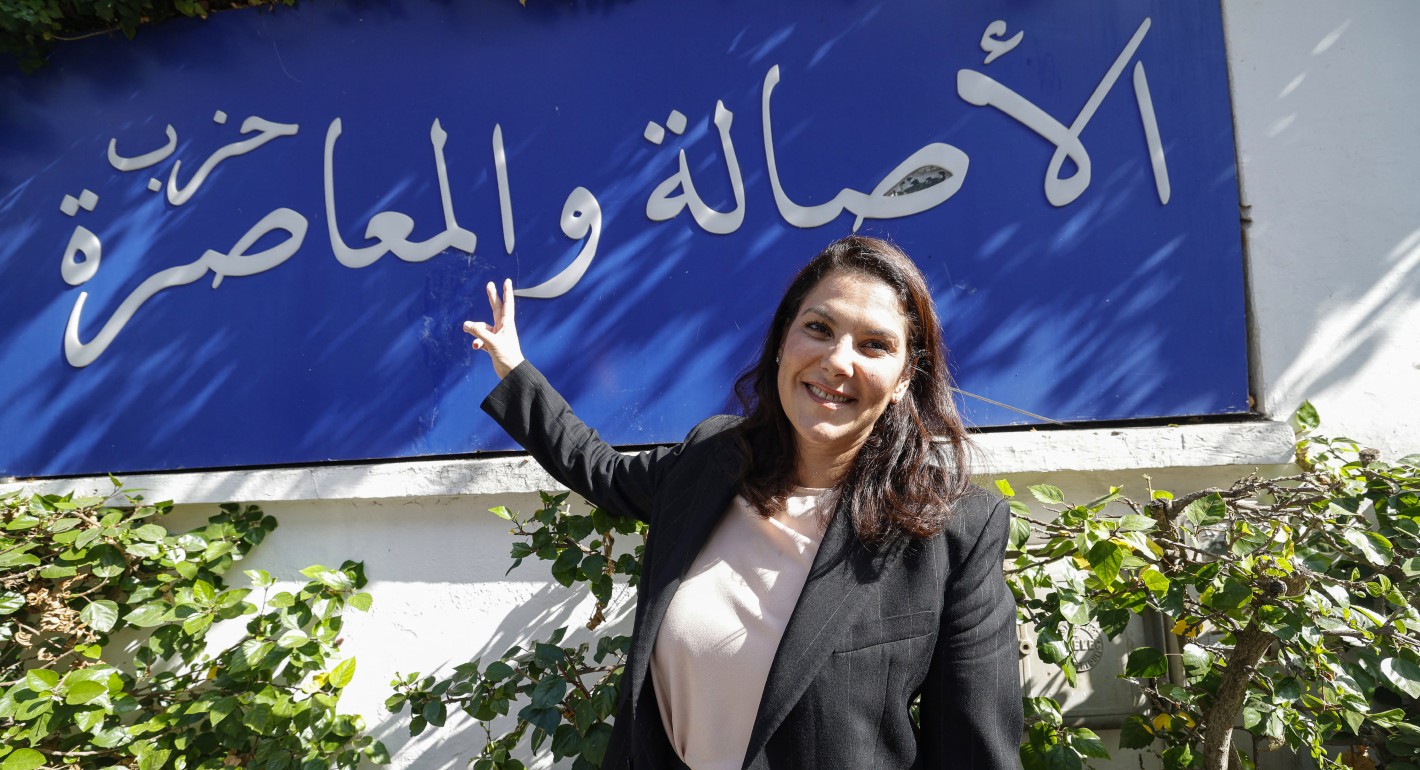
Fatima El Mansouri is the country’s first female prime minister. She’s also a privileged insider in a largely ceremonial position.

Sarah Yerkes

Sergei Kiriyenko used Russia’s parliamentary vote to further hone his strategy of corporate mobilization that is designed to maximize votes for United Russia.

Andrey Pertsev

Before the next wave of EU enlargement takes place, the union needs to grapple with thorny questions of how power is distributed among its members.


Emil Sondaj Hansen, Ditte Brasso Sørensen

The Horn of Africa countries are among those facing a new security calculus.


Andrew Leber, Lesley Anne Warner

The European far right might fail to steer EU policy in the direction Russia wants, but they will create enough chaos inside Europe to benefit the Kremlin.

Dimitar Bechev