

Paper
Congress needs to step up and make EXIM a low-carbon financing powerhouse.
Jesse Young
This chapter examines how world public opinion influences the United States' ability to exercise influence abroad militarily, economically, and politically. It concludes by discussing the difference between opposition to American foreign policy, on the one hand, and anti-Americanism, on the other hand, and exploring that difference's policy implications.
Source: Routledge

Please click here to read the rest of the chapter.
This book is available from Routledge.
To order the book from Routledge, please click here.
Ali Wyne is a Junior Fellow in the China Program.
Ali Wyne
Former Junior Fellow, China Program
Carnegie does not take institutional positions on public policy issues; the views represented herein are those of the author(s) and do not necessarily reflect the views of Carnegie, its staff, or its trustees.
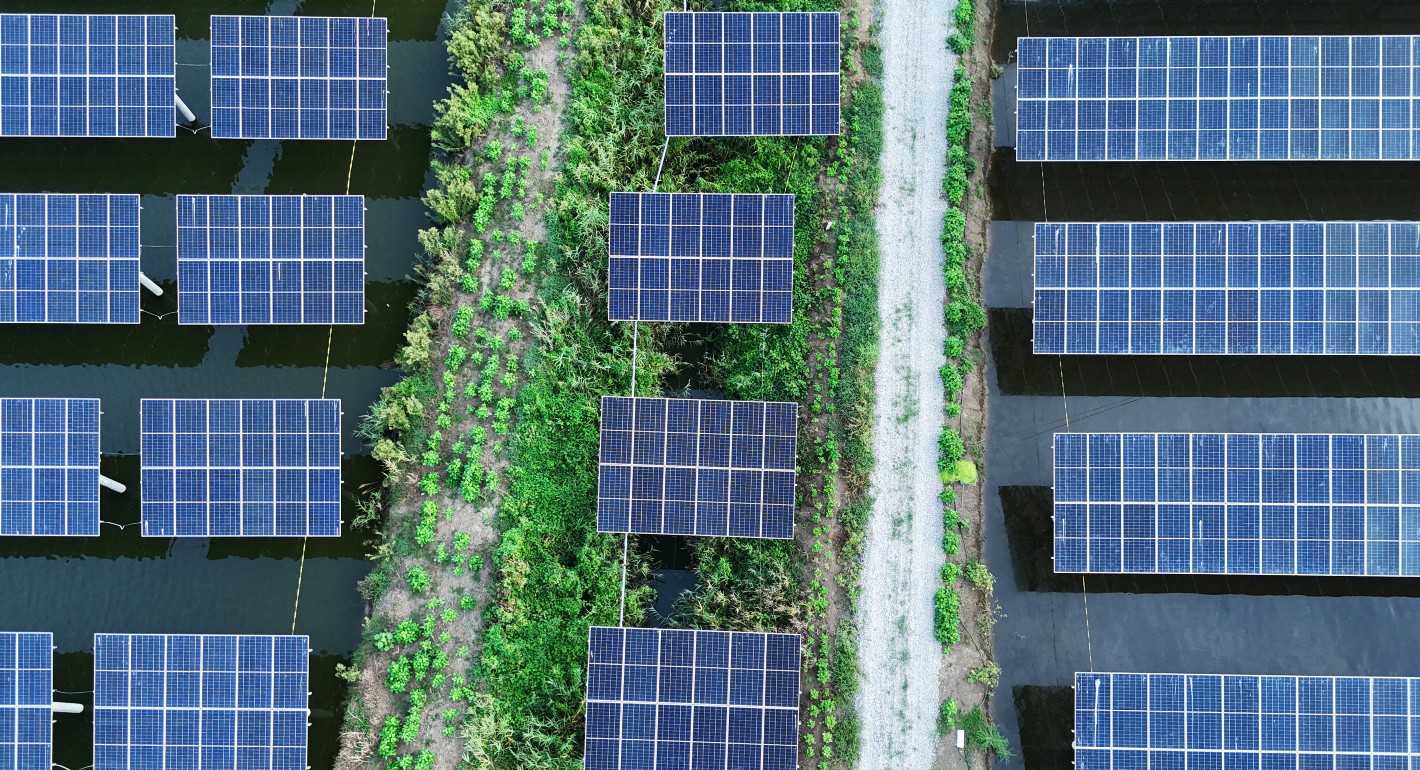
Congress needs to step up and make EXIM a low-carbon financing powerhouse.
Jesse Young
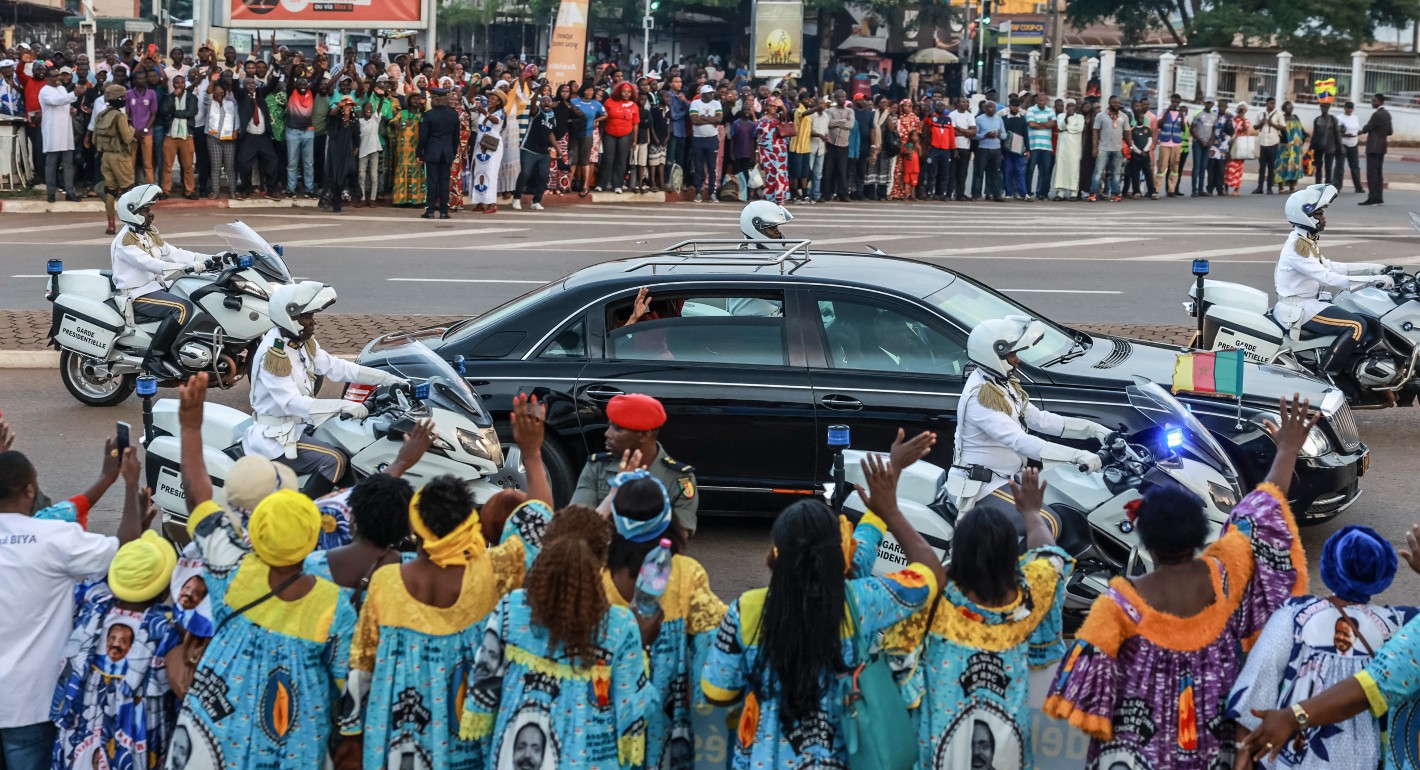
The ninety-three-year-old Biya’s absence and refusal to name a vice president threaten to upend domestic and regional stability.

Lesley Anne Warner

With the growth in points of friction between the great powers, organizations like the SCO will continue to play a role in the strategic adaptation of the smaller powers caught between them.

Temur Umarov
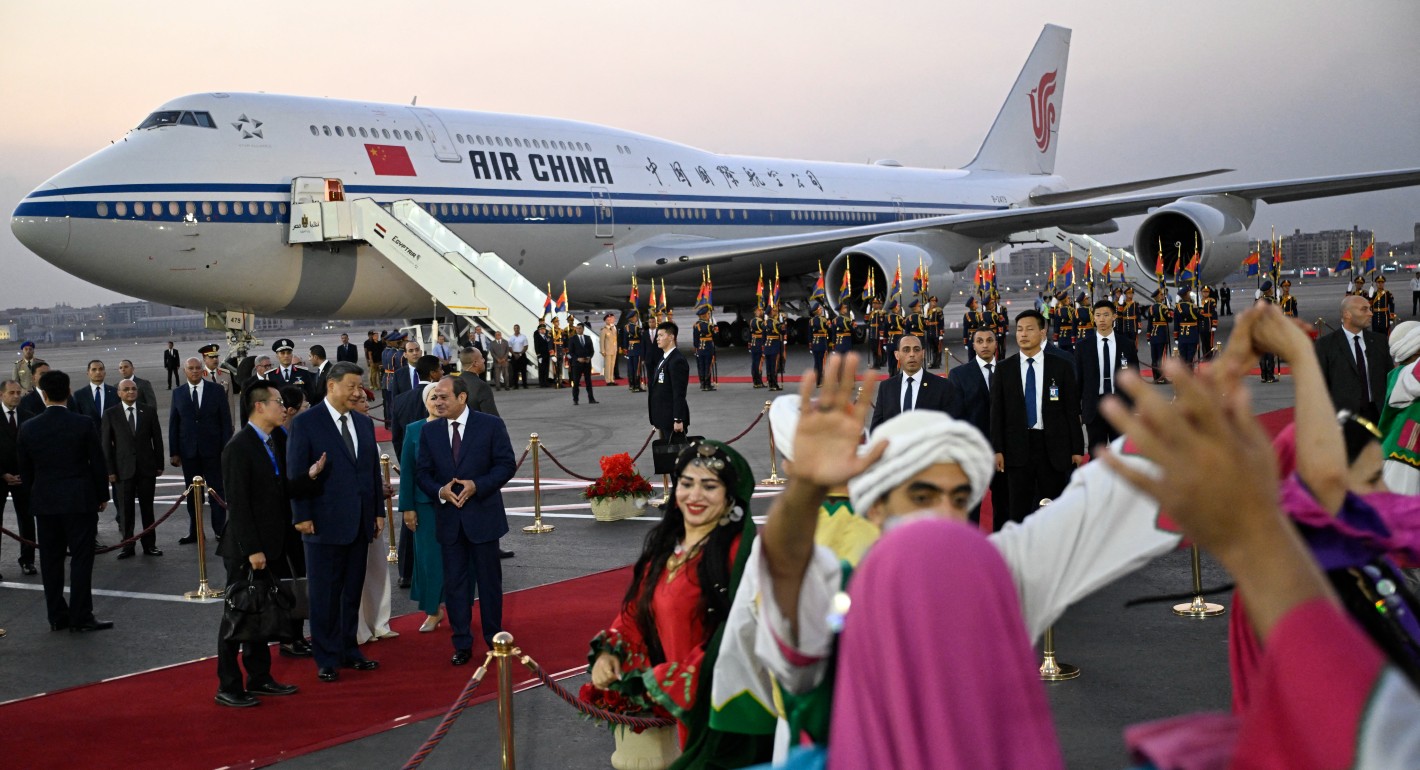
Amid celebrations of bilateral ties was a deeper focus on stability in the Middle East.

Amr Hamzawy

Canadian Prime Minister Mark Carney has twice inspired praise for standing up to U.S. President Donald Trump: at the 2026 World Economic Forum in Davos and on Canada-U.S. trade negotiations. Is Carney showing a third way better than the EU has in dealing with the Trump administration?

Rym Momtaz, ed.