• Research
  • Emissary
  • About
  • Experts
Carnegie Global logoCarnegie lettermark logo
DemocracyIran
  • Donate
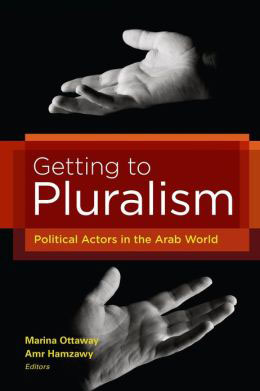
Getting to Pluralism: Political Actors in the Arab World, August, 26, 2009
Book

Getting to Pluralism: Political Actors in the Arab World, August, 26, 2009

This volume examines the Arab world’s major political actors, assesses the weaknesses of secular parties, and evaluates how incumbent regimes have maintained their grip on power in spite of reform-oriented claims.

Link Copied
By Marina Ottaway and Amr Hamzawy
Published on Aug 26, 2009

Additional Links

Kindle - $9.99Hardback - $49.95iTunes - $9.99Nook - $10.39Paperback - $19.95
Program mobile hero image

Program

Middle East

The Middle East Program in Washington combines in-depth regional knowledge with incisive comparative analysis to provide deeply informed recommendations. With expertise in the Gulf, North Africa, Iran, and Israel/Palestine, we examine crosscutting themes of political, economic, and social change in both English and Arabic.

Learn More

Source: Washington

Pluralism in the Arab world has not yet matured into functional democratic politics. While ruling establishments, Islamist movements, and secular parties have introduced a much greater degree of pluralism into Arab societies, the imbalance of power and interdependence among these actors limits both the degree of political diversity and its effectiveness at bringing about reforms. The Arab world is likely to grapple with political apathy, low voter turnout, dwindling membership in registered parties, and shrinking constituencies for the foreseeable future. Even the Islamists, who demonstrated great ability to organize and gain followers in the past, have begun showing signs of decreasing popularity.

Getting to Pluralism: Political Actors in the Arab World explores the balance of power between the disparate political forces of the Arab world. The essays in this volume examine the characteristics of the major political actors in great detail and assess the weaknesses of the secular parties. They also illustrate the complexities of Islamist participation in the political processes of several Arab countries—pointing out both similarities and differences. Finally, the authors evaluate how incumbent Arab regimes have been able to maintain their grip on power in spite of their claims that they support political and social reform.

Included in this volume:

  • Marina Ottaway and Amr Hamzawy:
    • Pluralist Politics in Undemocratic Political Systems
    • Fighting on Two Fronts: Secular Parties in the Arab World
       
  • Michele Dunne and Marina Ottaway:
    • Incumbent Regimes and the “King’s Dilemma” in the Arab World: Promise and Threat of Managed Reform
       
  • Amr Hamzawy and Marina Ottaway:
    • Islamists in Politics: The Dynamics of Participation
    • Old Actors and New Arenas

Advance Praise

"A first-rate think tank should produce work whose conclusions are directly useful to policy makers with insights equally valuable to scholars. This volume more than meets that test."
—Jessica T. Mathews, President, Carnegie Endowment for International Peace
About the Authors

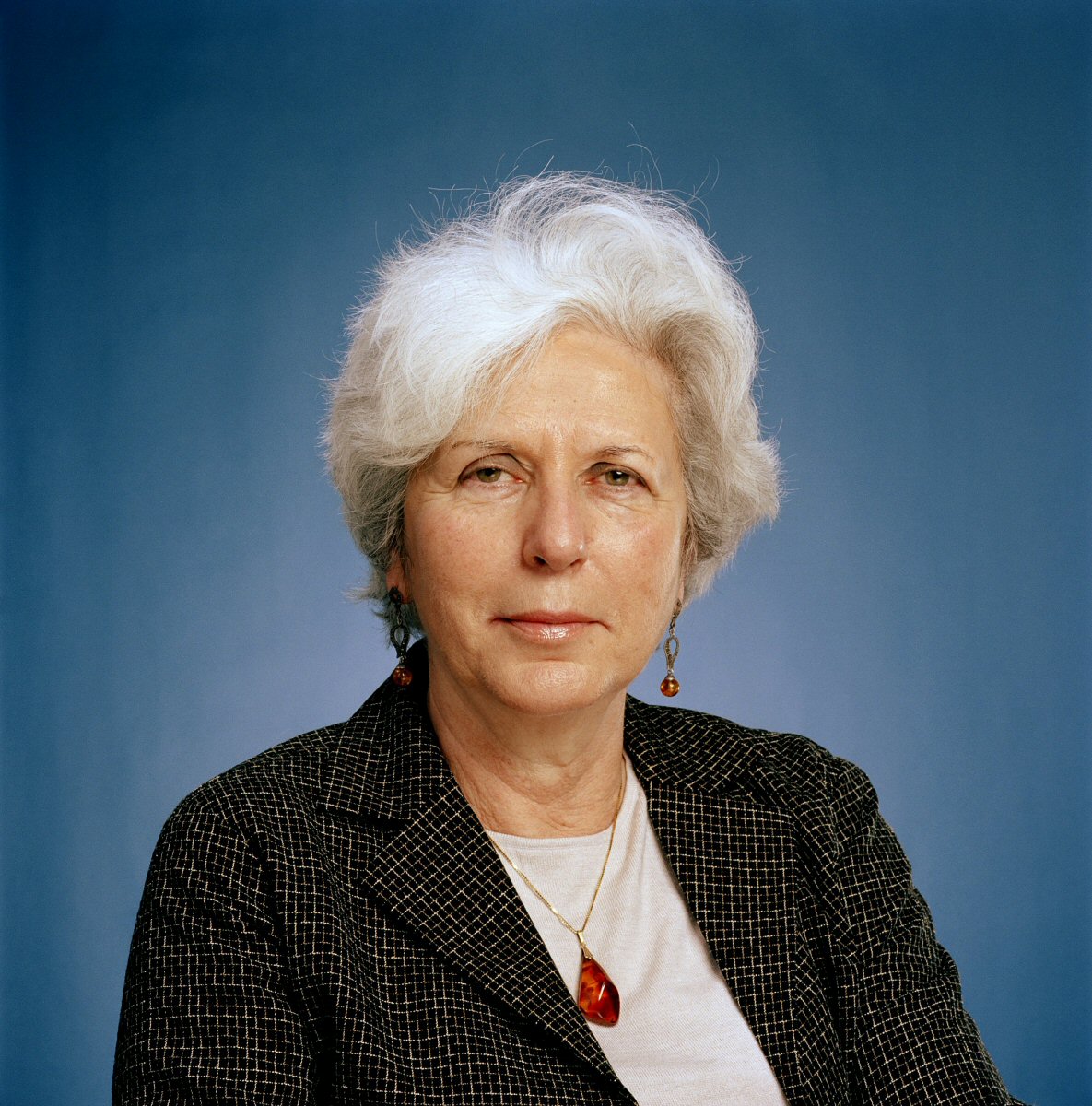
Marina Ottaway

Former Senior Associate, Middle East Program

Before joining the Endowment, Ottaway carried out research in Africa and in the Middle East for many years and taught at the University of Addis Ababa, the University of Zambia, the American University in Cairo, and the University of the Witwatersrand in South Africa.

Amr Hamzawy

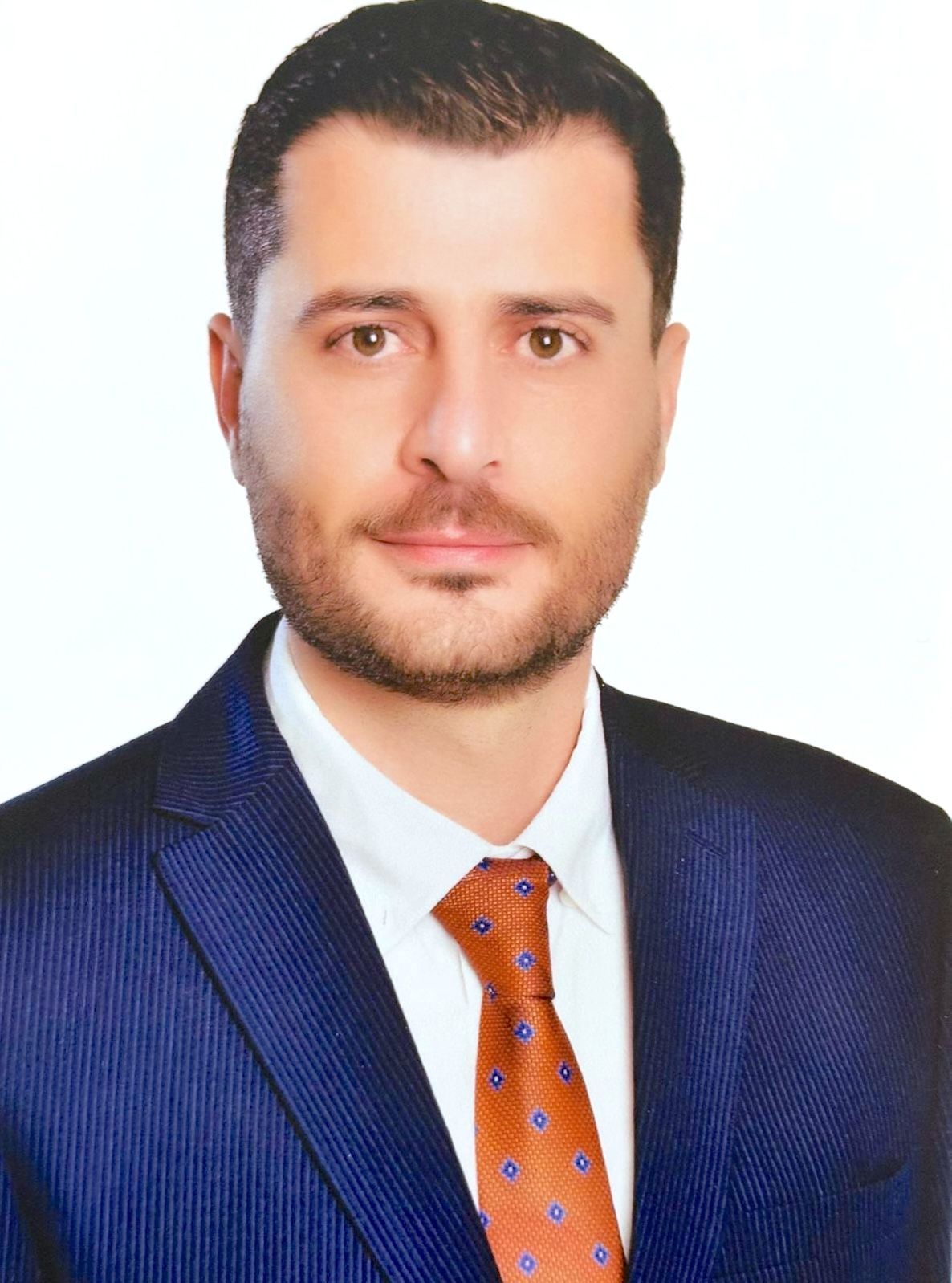
Director, Middle East Program

Amr Hamzawy is a senior fellow and the director of the Carnegie Middle East Program. His research and writings focus on governance in the Middle East and North Africa, social vulnerability, and the different roles of governments and civil societies in the region.

Authors

Marina Ottaway
Former Senior Associate, Middle East Program
Marina Ottaway
Amr Hamzawy
Director, Middle East Program
Amr Hamzawy
Middle EastNorth AfricaEgyptLibyaAlgeriaMoroccoTunisiaJordanSyriaBahrainKuwaitQatarSaudi ArabiaUnited Arab EmiratesYemenPolitical Reform

Carnegie does not take institutional positions on public policy issues; the views represented herein are those of the author(s) and do not necessarily reflect the views of Carnegie, its staff, or its trustees.
More Work from Carnegie Endowment for International Peace

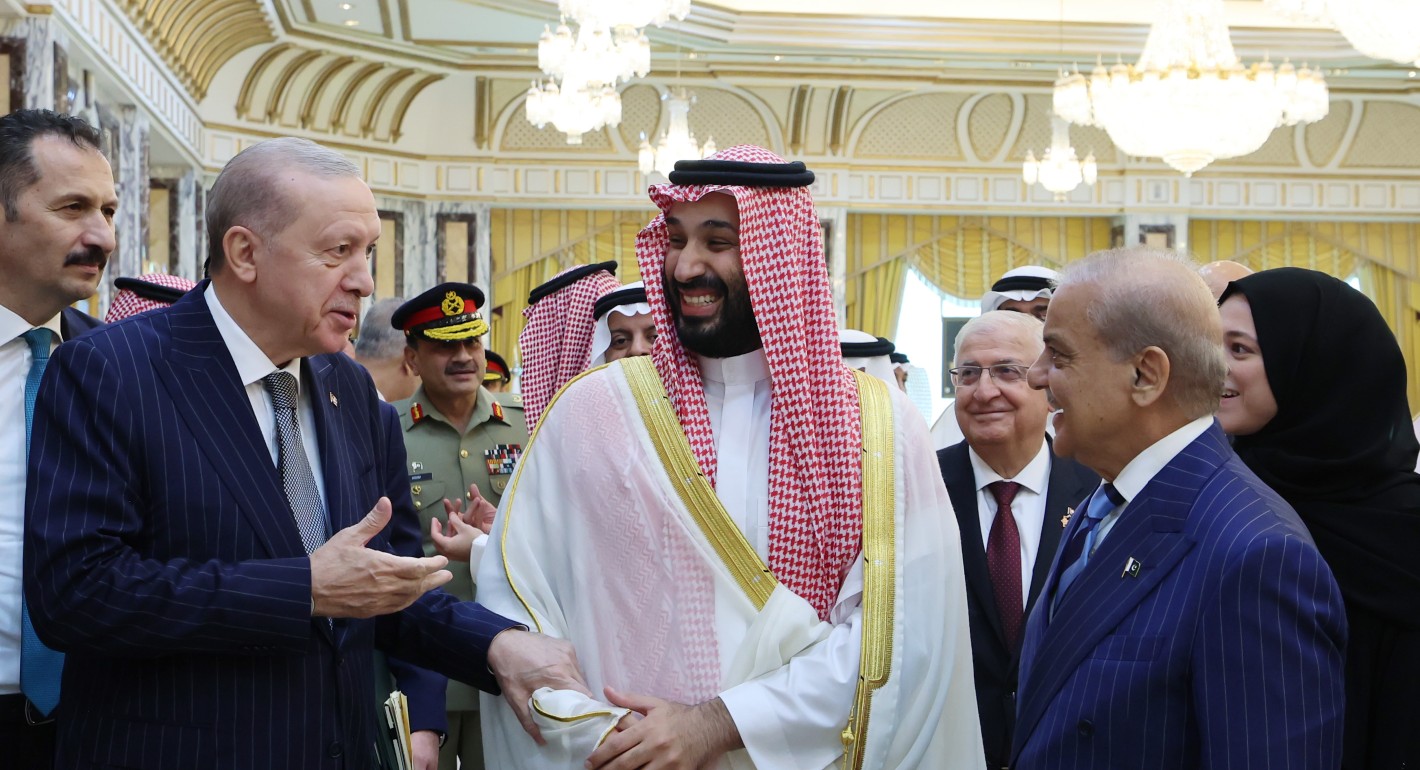
  • US President Donald Trump presides over the inaugural meeting of the âBoard of Peace,❠a newly established body focused on efforts for Gaza, at the US Institute of Peace in Washington, DC, United States, on February 19, 2026.
    Article
    The Board of Peace and Funding for Gaza Reconstruction: On Whose Account?

    Stakeholders must demand major restructuring of the Board of Peace and robust oversight and transparency before engaging with it. Until then, rights-respecting existing platforms and mechanisms for multilateral peacemaking should be supported.

      Zaha Hassan, Charles H. Johnson

  • Commentary
    Diwan
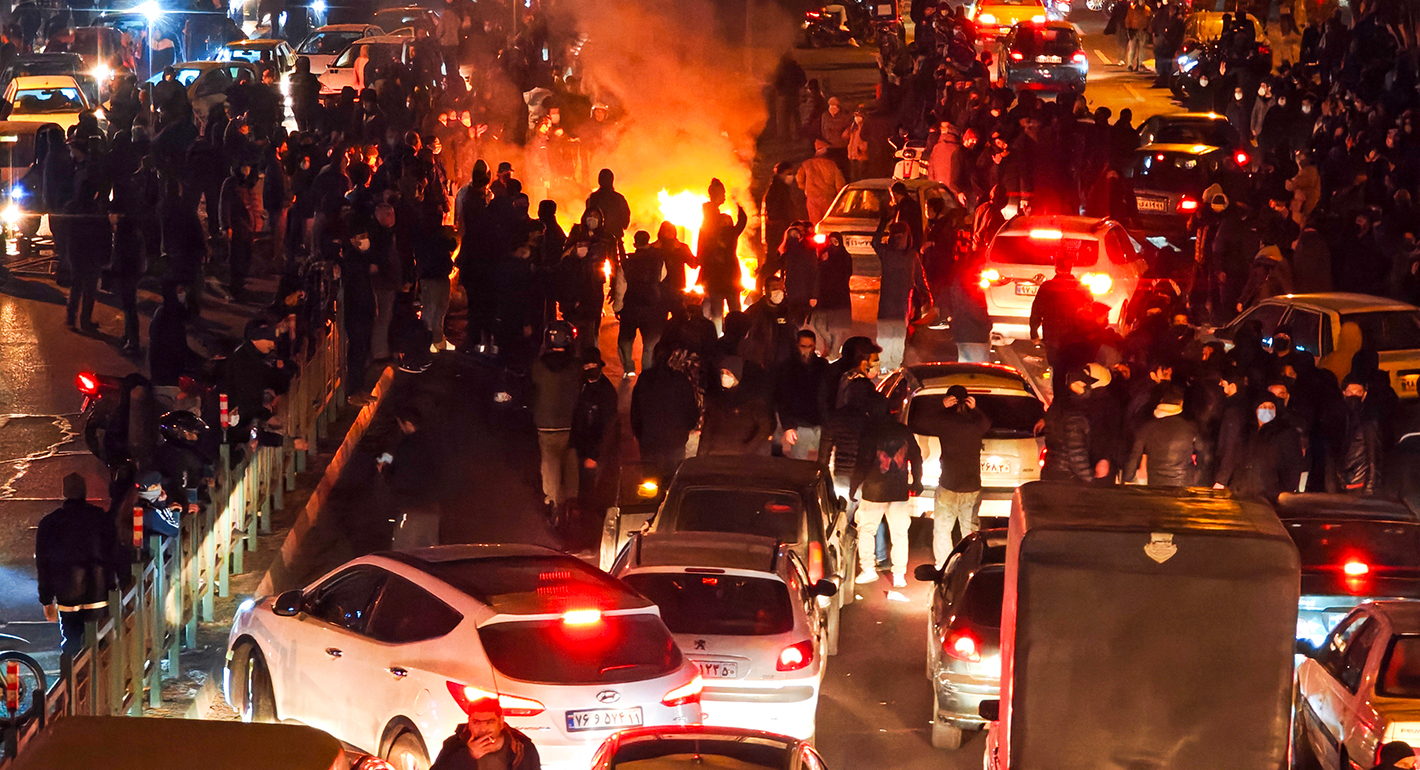
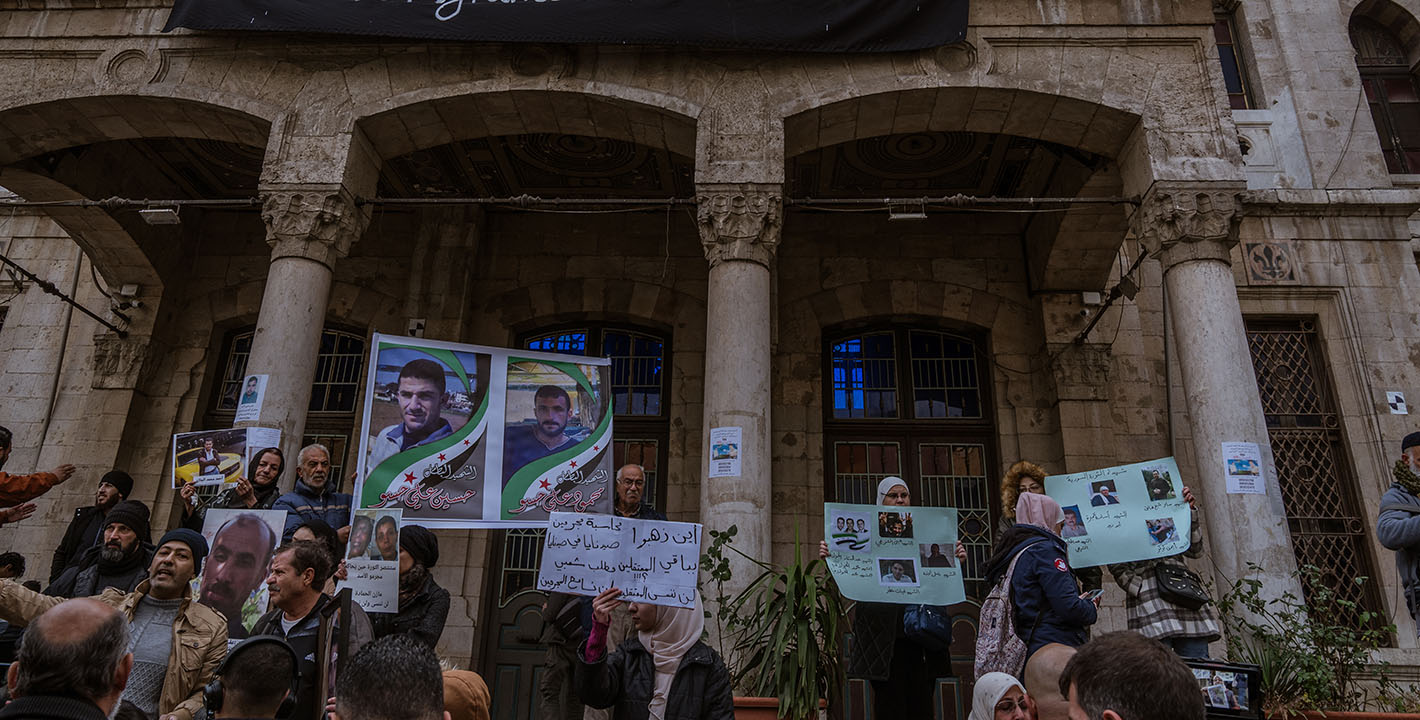
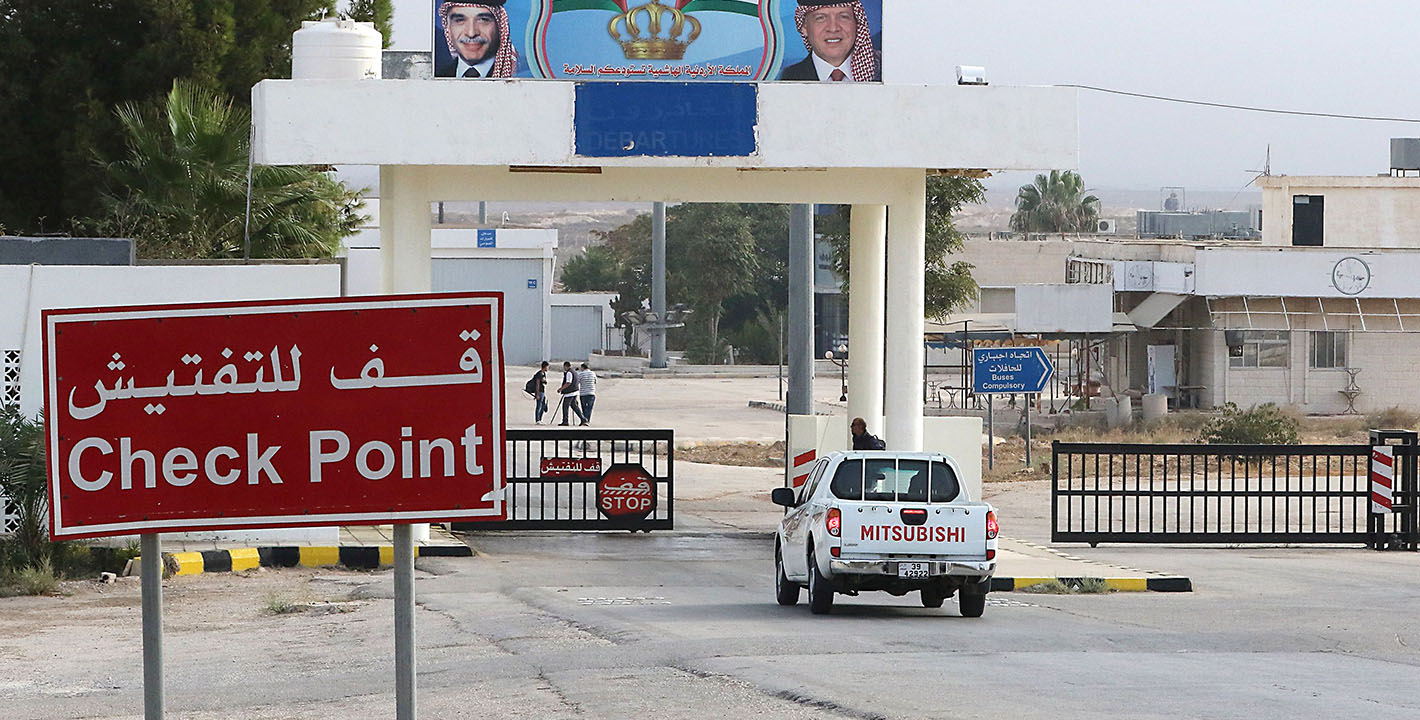
    Syria Skirts the Conflict With Iran

    In an interview, Kheder Khaddour  explains that Damascus is trying to stabilize its borders, but avoiding war isn’t guaranteed. 

      Michael Young

  • Commentary
    Diwan
    Shockwaves Across the Gulf

    The countries in the region are managing the fallout from Iranian strikes in a paradoxical way.

      • Angie Omar

      Angie Omar

  • Commentary
    Diwan
    The U.S. Risks Much, but Gains Little, with Iran

    In an interview, Hassan Mneimneh discusses the ongoing conflict and the myriad miscalculations characterizing it.

      Michael Young

  • Commentary
    Strategic Europe
    The EU Needs a Third Way in Iran

    European reactions to the war in Iran have lost sight of wider political dynamics. The EU must position itself for the next phase of the crisis without giving up on its principles.

      Richard Youngs

Get more news and analysis from
Carnegie Endowment for International Peace
Carnegie global logo, stacked
1779 Massachusetts Avenue NWWashington, DC, 20036-2103Phone: 202 483 7600Fax: 202 483 1840
  • Research
  • Emissary
  • About
  • Experts
  • Donate
  • Programs
  • Events
  • Blogs
  • Podcasts
  • Contact
  • Annual Reports
  • Careers
  • Privacy
  • For Media
  • Government Resources
Get more news and analysis from
Carnegie Endowment for International Peace
© 2026 Carnegie Endowment for International Peace. All rights reserved.