

Paper
Alejandro Foxley, Fernando Sossdorf
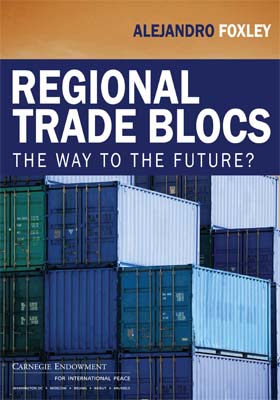
With global trade talks stalled and lower demand from major economies that were hit hard by the global economic crisis, three regions—Eastern Europe, Latin America, and East Asia—are managing to increase trade within their borders and building a broader free trade system.
With global trade talks stalled and lower demand from major economies that were hit hard by the global economic crisis, regional trade agreements are emerging as a way for middle-income countries to increase trade, spur growth, and lower unemployment rates. In a report, Alejandro Foxley analyzes how three regions—Eastern Europe, Latin America, and East Asia—are increasing trade within their borders and building a broader free trade system.
Using the findings from three vastly different experiences, Foxley says that regional trade agreements work best when participating countries have few political differences, coordinate their monetary and fiscal policies, and embrace globalization. And bottom-up approaches in which companies develop regional supply chains are more effective in improving regional integration than top-down approaches imposed by governments.
“Pursuing stronger regional trade agreements can help form the building blocks for global free trade deals,” Foxley writes. “Increasing trade will not only help middle-income economies develop but also drive growth around the world as the financial crisis recedes.”
Former Senior Associate, International Economics Program
Foxley was previously minister of foreign affairs, senator, and minister of finance of the Republic of Chile. While minister of finance he concurrently served as a governor of the Inter-American Development Bank and the World Bank.
Recent Work
Alejandro Foxley, Fernando Sossdorf
Alejandro Foxley
Carnegie does not take institutional positions on public policy issues; the views represented herein are those of the author(s) and do not necessarily reflect the views of Carnegie, its staff, or its trustees.

A trilateral summit in China was advertised as the new Yalta but yielded little more than a photo opportunity for Vladimir Putin. The real work was being done by the Europeans, quietly, in rural Poland.

Rym Momtaz
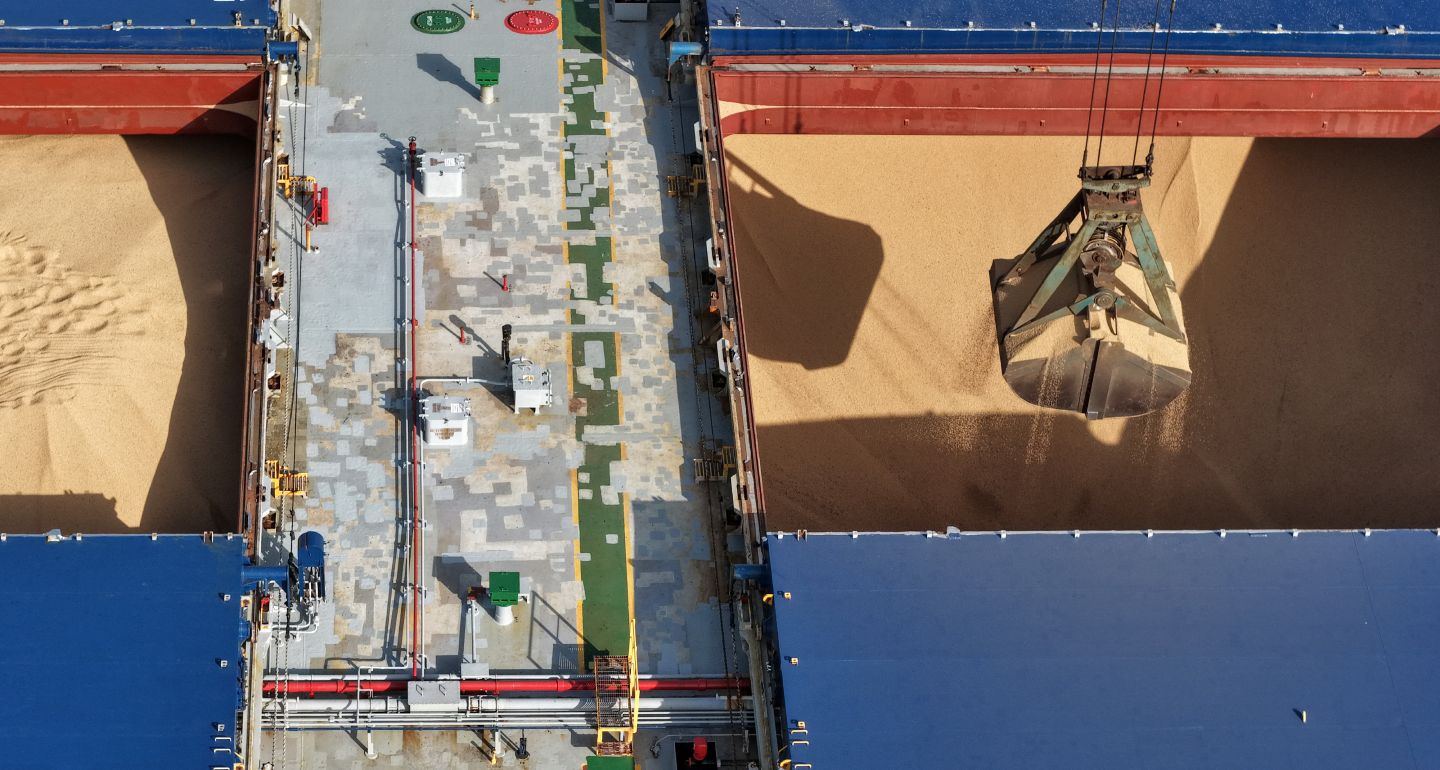
While the current surge in grain trading activity in the Caspian Sea is undeniably impressive, it is constrained by financial, infrastructure, geographic, military, and environmental factors.

Nikita Smagin
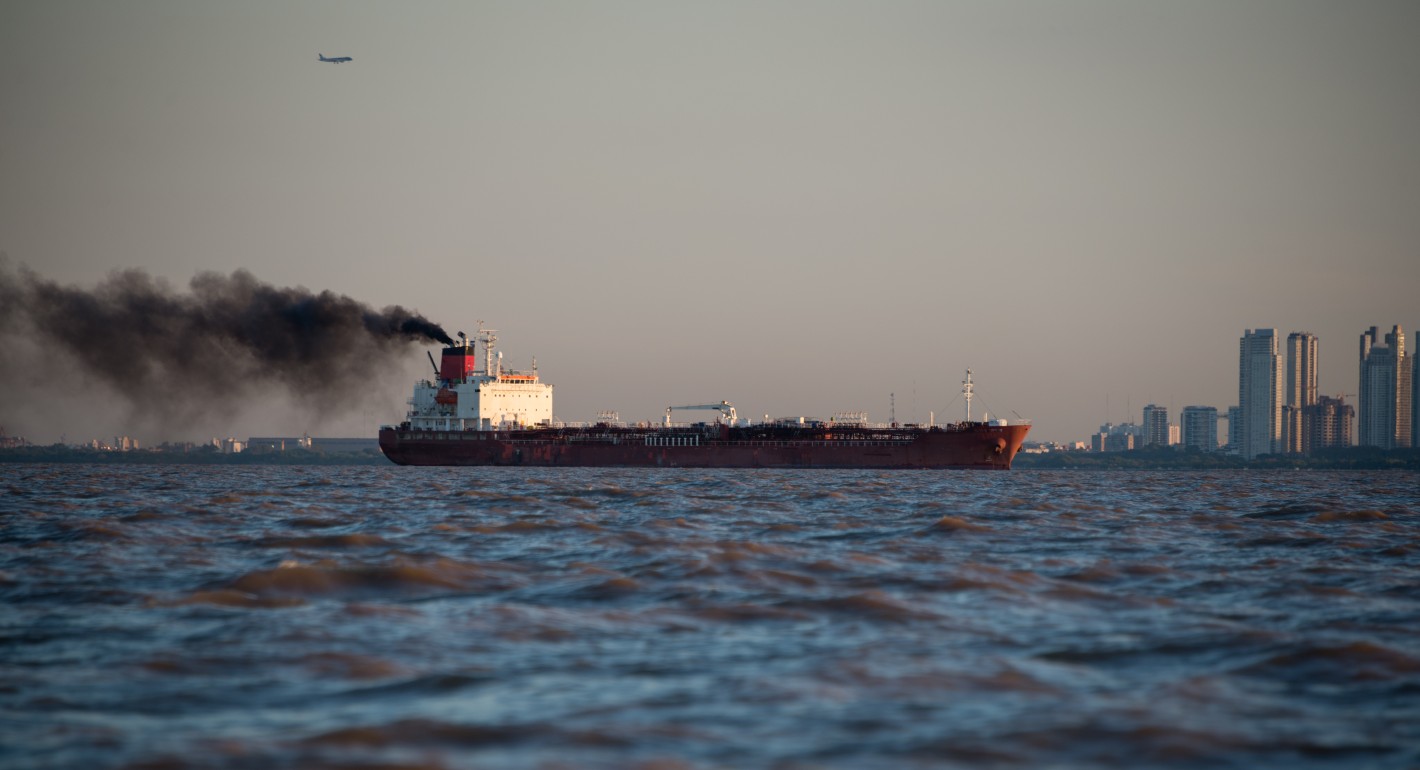
The Trump administration’s disruption attempts at the UN shipping agency are a test of multilateralism’s ability to defy the United States.
Theodore Zaritsky, Stewart Patrick
Russia’s maximalist demands are preventing any serious attempt at ending the war in Ukraine. To make peace a realistic prospect, Putin must recognize that diplomacy is a two-way street.

Kadri Liik

Alongside official pushback, Chinese tech and policy communities are meeting calls for a slowdown with skepticism—rather than rejection—that mirrors the reactions in the United States.


Matt Sheehan, Sophie Zhuang