

Commentary
Thomas de Waal
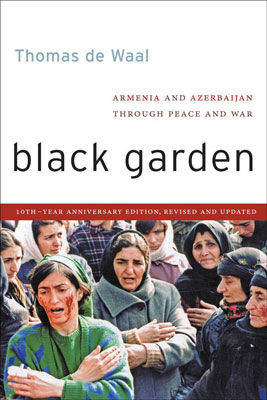
Nearly 20 years since the 1994 ceasefire, Armenia and Azerbaijan have still failed to resolve their dispute and normalize relations.
Source: NYU Press
Ten years after its initial release, Black Garden remains the definitive account of war and peace between Armenia and Azerbaijan, and the conflict over Nagorny Karabakh. Based on the author’s extensive experience in the region, Black Garden is the product of more than 120 original interviews in the South Caucasus, Moscow, and Washington, and a unique collection of historical primary sources. De Waal reveals a fascinating historical context for the conflict, including how it precipitated the end of the Soviet Union and thrust an entire region into disarray. Now nearly 20 years since the 1994 ceasefire, Yerevan and Baku have still failed to resolve the dispute and normalize relations.
The revised and updated 10th year anniversary edition includes a new forward and an expanded conclusion that analyzes the reasons for the intractability of the conflict and the prospects for its resolution.
This edition has also been expanded to cover regional developments up to 2012, including the election of new presidents in countries, Azerbaijan’s oil boom, and the new arms race in the region.

Senior Fellow, Carnegie Europe
Thomas de Waal is a senior fellow at Carnegie Europe, specializing in Eastern Europe and the Caucasus.
Recent Work
Thomas de Waal
Thomas de Waal
Carnegie does not take institutional positions on public policy issues; the views represented herein are those of the author(s) and do not necessarily reflect the views of Carnegie, its staff, or its trustees.

Japan’s long-term security policy is driven by concerns about China, and there is little appetite for (or interest in) pursuing a confrontation with Moscow.

James D.J. Brown

Russia is testing the waters of NATO’s mutual defense clause. What do strikes in Romanian territorial waters mean for the alliance’s posture toward Moscow?

Dimitar Bechev
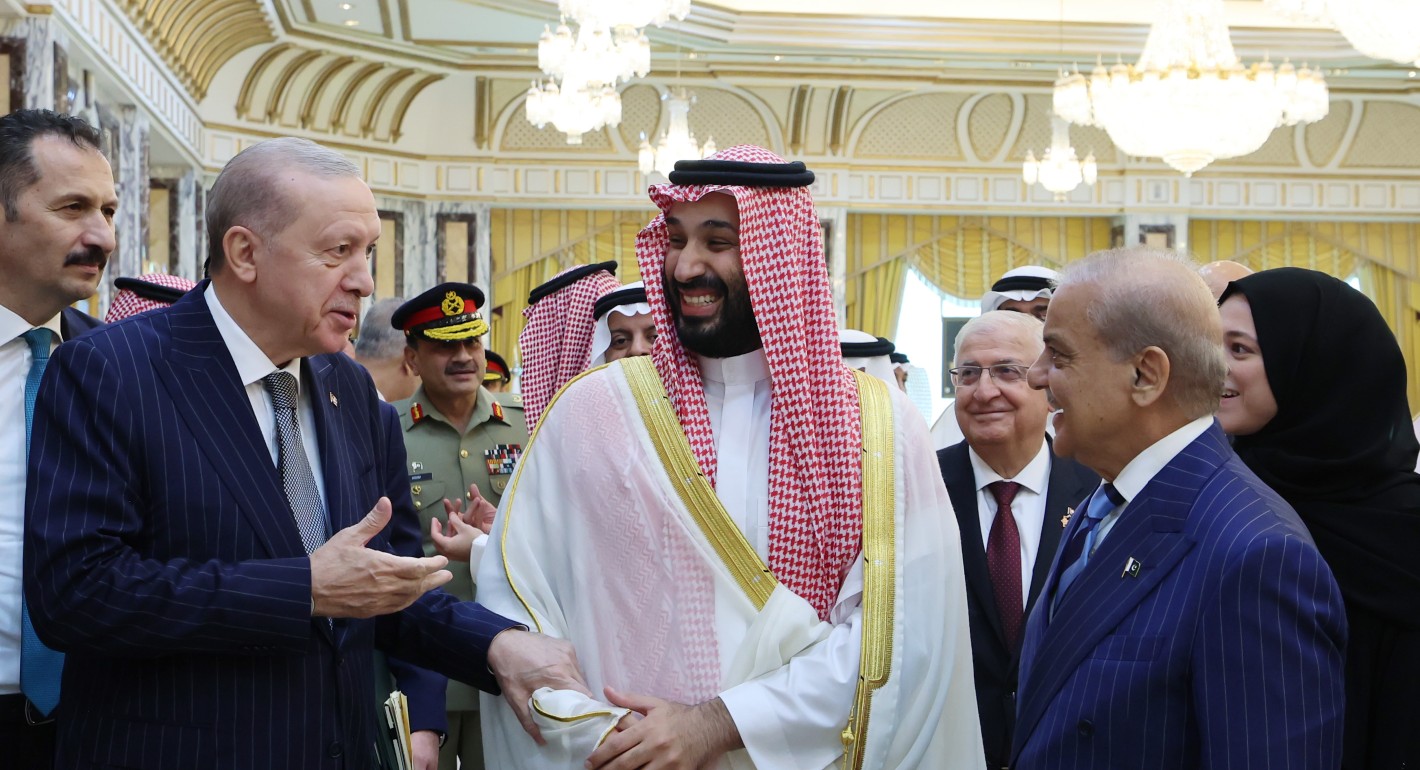
Why Pakistan, Saudi Arabia, and Turkey are joining forces on regional security.


Alper Coşkun, Amr Hamzawy
The truth of the strategic situation is that Europe and Russia are extremely unlikely to be able to “turn the page” on their confrontation within the next two decades.

Arkady Moshes

Despite public disputes over trade and immigration, the strategic partnership’s foundations remain sturdy.

Sameer Lalwani