

Q&A
- +1
Amr Hamzawy, Andrew Leber, Eric Lob, …
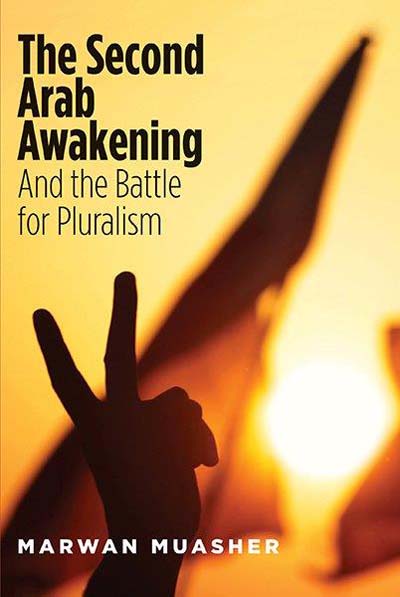
Only through the painstaking process of constructing an Arab world defined by pluralism and tolerance can the dream of freedom and opportunity for the region be realized.
Source: Yale University Press
This important book looks at the tumultuous recent events in the Arab region in the context of long-term historical pressure to build societies that will respond to Arab citizens’ longing for freedom and opportunity. Only through the painstaking process of constructing an Arab world defined by pluralism and tolerance can this dream be realized.
Marwan Muasher, former foreign minister of Jordan, asserts that all sides—the United States, Europe, Israel, and Arab governments alike—were deeply misguided in their thinking about Arab politics and society when the turmoil of the Arab Spring erupted. He explains the causes of the unrest, tracing them back to the first Arab Awakening, and warns of the forces today that threaten the success of the Second Arab Awakening. Hope rests with the new generation and its commitment to tolerance, diversity, the peaceful rotation of power, and inclusive economic growth, Muasher maintains. He calls on the West to rethink political Islam and the Arab Israeli conflict, and he underscores the importance of efforts to strengthen education and expand traditional definitions of Arab citizenship for the long-term process of democratic transition.
“This powerful book is a manifesto for political pluralism in the Arab world—a liberating concept that has unfortunately been missing in much of the thus far disappointing ‘Arab Spring.‘ Marwan Muasher shows how badly the Arabs need a political culture that accepts diversity, tolerates dissent, and embraces different sectarian strains. If Muasher’s ideas about a pluralistic 'third force' can take hold, we’ll see the second Arab awakening that this book describes—and Muasher will be one of its wisest chroniclers.”
—David Ignatius, Washington Post columnist
“In this timely book, a seasoned statesman and scholar of the Middle East provides an astute and historically informed analysis of the Arab Spring and its origins, meaning, and implications for the future of the Middle East. Muasher delves into history and draws on his own personal experiences to produce a smart, balanced, and engaging account of the intellectual debates and political reality that shape the landscape of change. Anyone interested in the future of the Arab world should read this book.”
—Vali Nasr, author of The Dispensable Nation: American Foreign Policy in Retreat

Vice President for Studies
Marwan Muasher is vice president for studies at Carnegie, where he oversees research in Washington and Beirut on the Middle East. Muasher served as foreign minister (2002–2004) and deputy prime minister (2004–2005) of Jordan, and his career has spanned the areas of diplomacy, development, civil society, and communications.
Recent Work



Amr Hamzawy, Andrew Leber, Eric Lob, …
Marwan Muasher
Carnegie does not take institutional positions on public policy issues; the views represented herein are those of the author(s) and do not necessarily reflect the views of Carnegie, its staff, or its trustees.
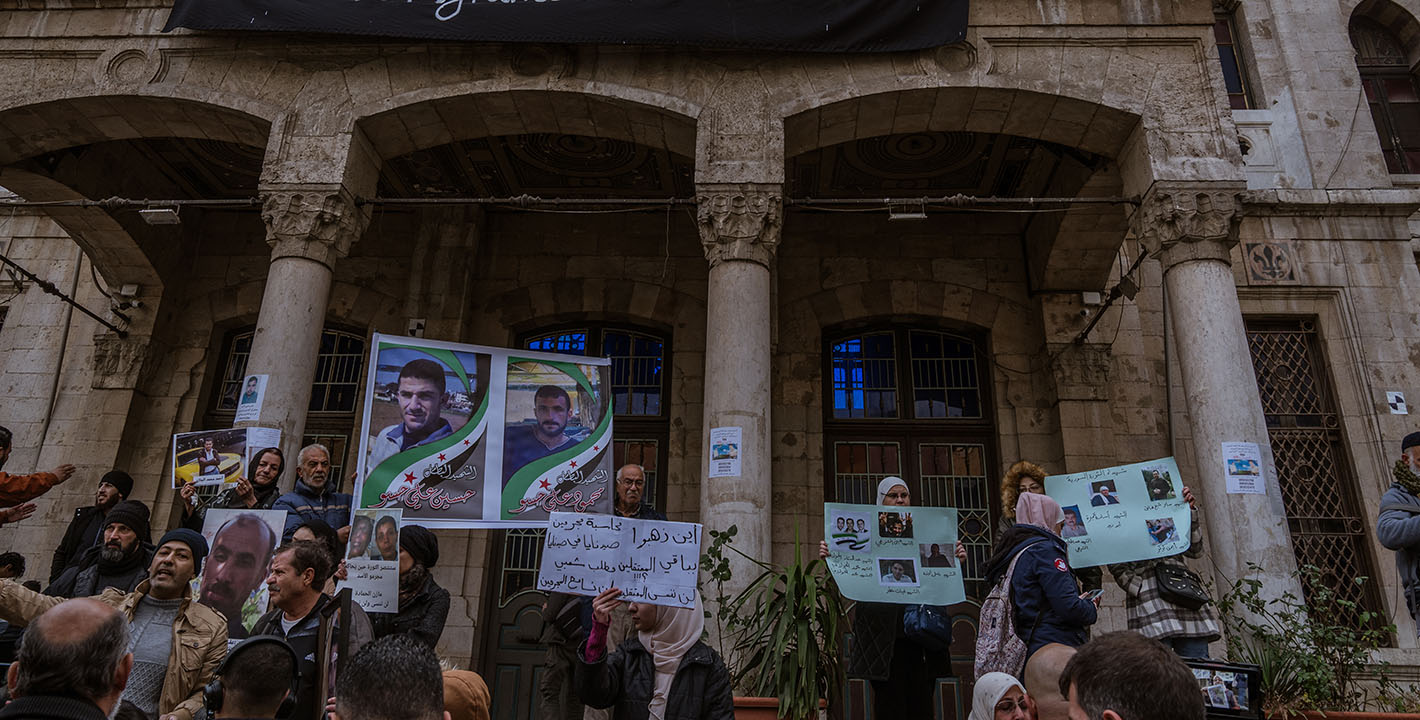
Reconciliation councils are emerging throughout the country to mediate in intracommunal disputes, many from the war years.
Natacha Danon

Russian strikes are weakening the economy sustaining Ukraine’s war effort. Closing the growing funding gap will require more European support and politically contentious reforms in Kyiv.

Balázs Jarábik
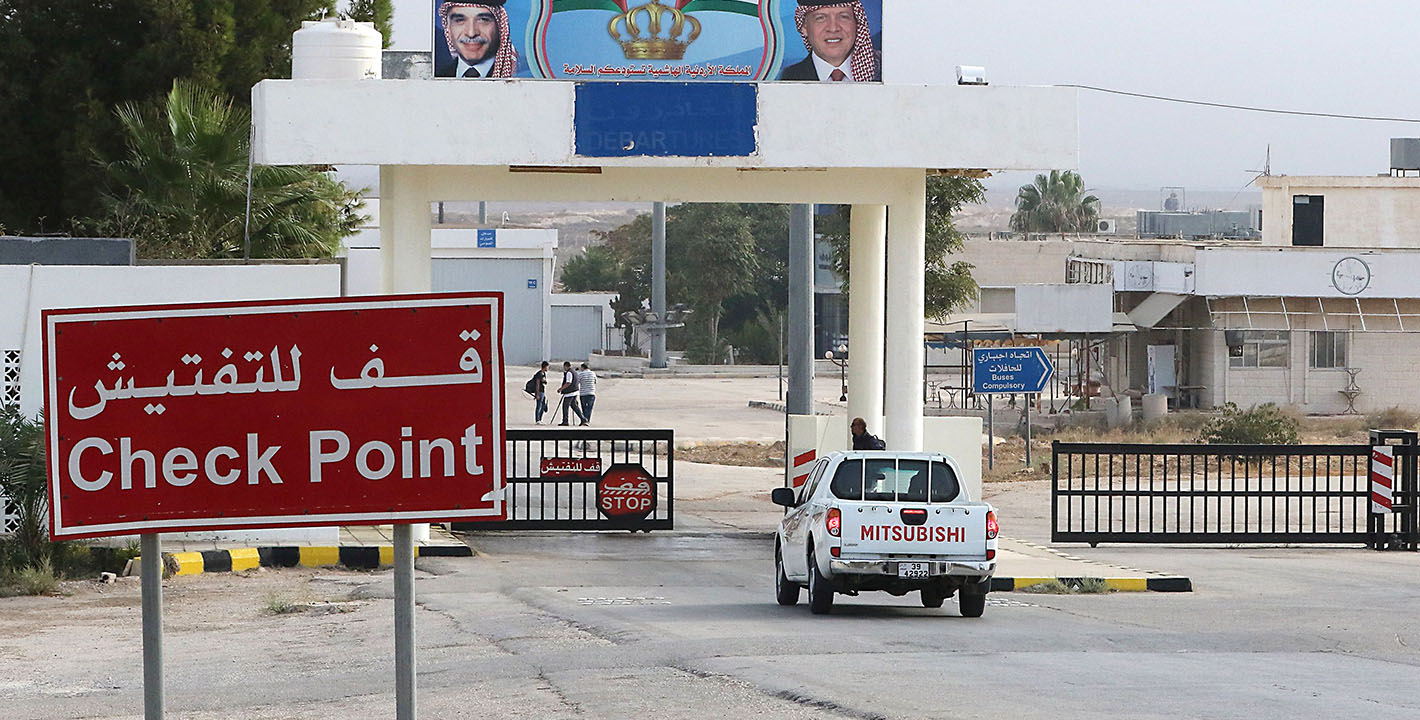
The civil war in Syria may have ended, but the country continues to serve as a source for the trafficking of illegal substances into and via Jordanian territory.

Armenak Tokmajyan, Laith Qerbaa

Ex-president Gurbanguly Berdimuhamedov remains interested in politics, but his son Serdar, Turkmenistan’s current president, is becoming increasingly independent and willing to break with his father’s legacy. If their covert rivalry goes too far, both risk losing power.

Galiya Ibragimova

A notable degree of participative democracy has firmly arrived in Europe. But to have more far-reaching impact, democratic deliberation needs to move into a radically new phase.

Richard Youngs