

Commentary
It signals a new era of tech diffusion and warfare.
Steve Feldstein
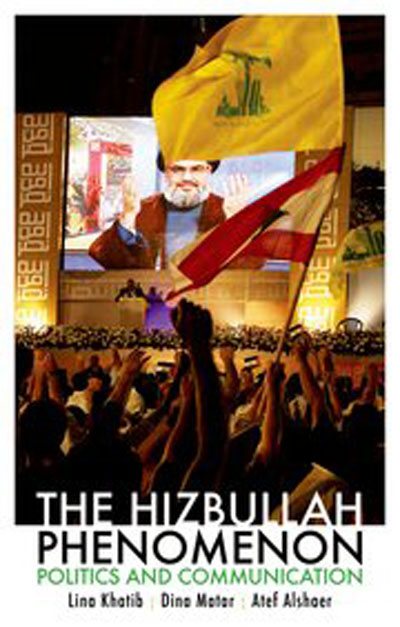
Hizbullah uses its image, language, and its charismatic leader, Hassan Nasrallah, to legitimize its political aims and ideology and appeal to different target groups.
Source: Oxford University Press
Hizbullah is not only a leading political actor in Lebanon and a dynamic force in the Middle East, but it is also distinguished by a sophisticated communication strategy. From relatively humble beginnings in the 1980s, Hizbullah’s political clout and its public perception have followed an upward trajectory, thanks to a political program that blends military, social, economic, and religious elements and adapts to changes in its environment. Its communication strategy is similarly adaptive, supporting the group’s political objectives. Hizbullah’s target audience has expanded to a regional and global viewership.Its projected identity, too, shifted from an Islamist resistance party opposed to Israel’s presence in Lebanon to a key player within the Lebanese state. At the same time, Hizbullah’s image has retained fixed features, including its image as an ally of Iran; its role as a resistance group (to Israel); and its original base as a religious party representative of the Lebanese Shiites. The authors of this book address how Hizbullah uses image, language, and its charismatic leader, Hassan Nasrallah, to legitimize its political aims and ideology and appeal to different target groups.
Former Director, Middle East Center
Khatib was director of the Carnegie Middle East Center in Beirut. Previously, she was the co-founding head of the Program on Arab Reform and Democracy at Stanford University’s Center on Democracy, Development, and the Rule of Law.
Dina Matar
Atef Alshaer
Carnegie does not take institutional positions on public policy issues; the views represented herein are those of the author(s) and do not necessarily reflect the views of Carnegie, its staff, or its trustees.
It signals a new era of tech diffusion and warfare.

Steve Feldstein

With its public finances in shambles, the far right polling at 35 percent ahead of the 2027 presidential election, and a growing protest movement, is France’s crisis a threat to the EU’s geopolitical awakening?

Rym Momtaz, ed.

Putin’s conservative staffing policies and search for ever greater control have cemented parliament’s transformation into a bureaucratic appendage of the executive branch.

Andrey Pertsev

Russia’s AI-driven propaganda campaigns operate in a fragmented, chaotic, and often illogical manner. That’s not necessarily a problem for the Kremlin, though: It’s much easier to mimic genuine public debate that way.

Ilya Klishin
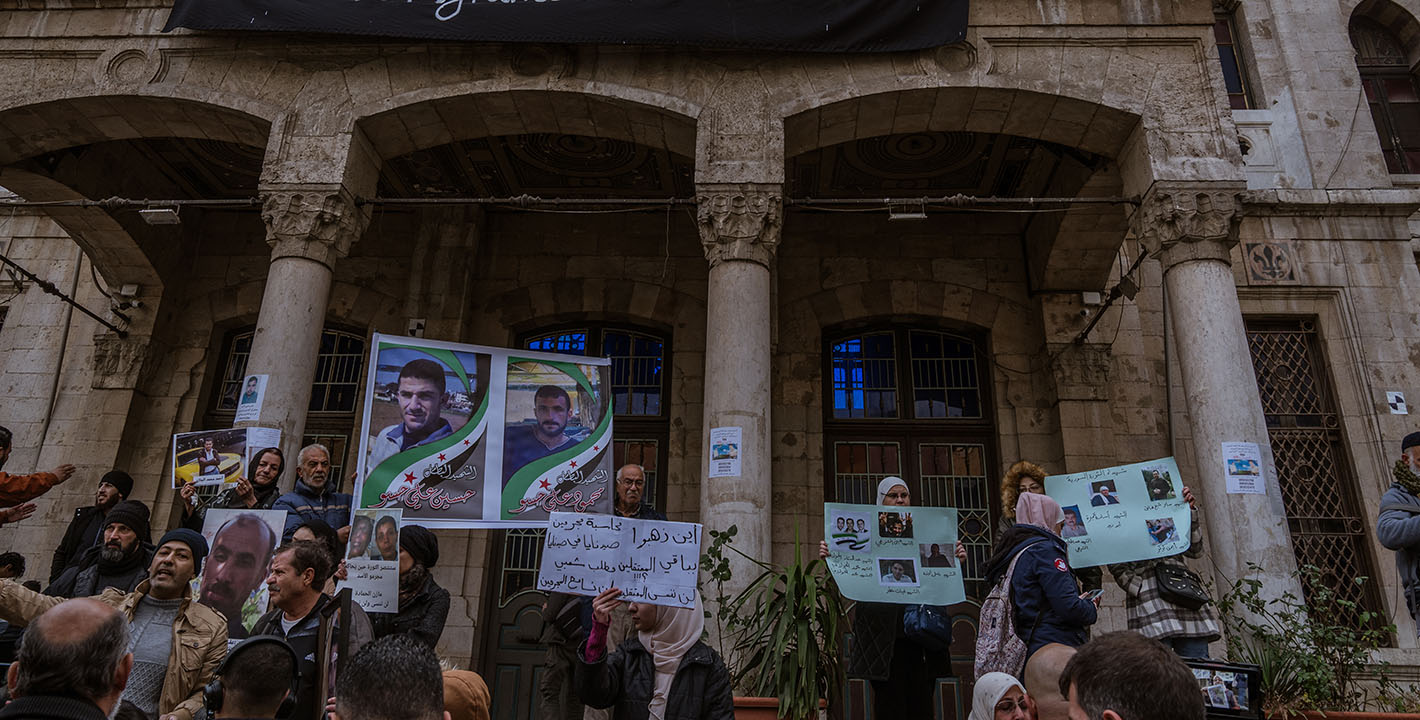
Reconciliation councils are emerging throughout the country to mediate in intracommunal disputes, many from the war years.
Natacha Danon