
• Research
  • Emissary
  • About
  • Experts
Carnegie Global logoCarnegie lettermark logo
DemocracyIran
  • Donate
Strategic Asia 2016-17: Understanding Strategic Cultures in the Asia-Pacific
Book

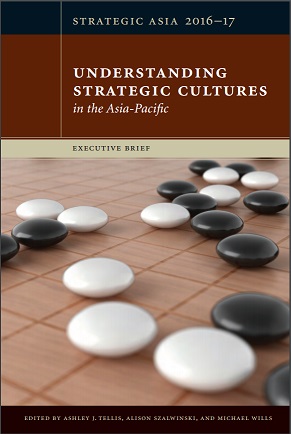
Strategic Asia 2016-17: Understanding Strategic Cultures in the Asia-Pacific

This book examines how the region’s major political powers view international politics and the use of military force.

Link Copied
By Ashley J. Tellis, Alison Szalwinski, Michael Wills
Published on Nov 16, 2016
Program mobile hero image

Program

South Asia

The South Asia Program informs policy debates relating to the region’s security, economy, and political development. From strategic competition in the Indo-Pacific to India’s internal dynamics and U.S. engagement with the region, the program offers in-depth, rigorous research and analysis on South Asia’s most critical challenges.

Learn More

Source: National Bureau of Asian Research

Co-edited and introduced by Ashley J. Tellis, Strategic Asia 2016-17: Understanding Strategic Cultures in the Asia-Pacific examines how the region's major powers view international politics and the use of military force. In each chapter, a leading expert analyzes the ideological and historical sources of a country's strategic culture, how strategic culture informs the thinking of the country's policymakers, and how these understandings lead to decisions about the pursuit of strategic objectives and national power.

Order this book, or read the introduction by Ashley J. Tellis for free.

About the Editors

Ashley J. Tellis is a senior associate at the Carnegie Endowment for International Peace and research director of the Strategic Asia Program at the National Bureau of Asian Research (NBR).

Alison Szalwinski is assistant director for political and security affairs at NBR.

Michael Wills is senior vice president of research and operations at NBR.

About the Authors

Ashley J. Tellis

Former Senior Fellow

Ashley J. Tellis was a senior fellow at the Carnegie Endowment for International Peace.

Alison Szalwinski

National Bureau of Asian Research

Alison Szalwinski is assistant director for political and security affairs at NBR.

Michael Wills

National Bureau of Asian Research

Michael Wills is senior vice president for strategy and finance at NBR.

Authors

Ashley J. Tellis
Former Senior Fellow
Alison Szalwinski
National Bureau of Asian Research
Michael Wills
National Bureau of Asian Research
North AmericaUnited StatesSouth AsiaIndiaEast AsiaSouth KoreaChinaJapanSoutheast AsiaRussiaAsiaSecurityMilitary

Carnegie does not take institutional positions on public policy issues; the views represented herein are those of the author(s) and do not necessarily reflect the views of Carnegie, its staff, or its trustees.

More Work from Carnegie Endowment for International Peace

  • Commentary
    India Signs the Pax Silica—A Counter to Pax Sinica?

    On the last day of the India AI Impact Summit, India signed Pax Silica, a U.S.-led declaration seemingly focused on semiconductors. While India’s accession to the same was not entirely unforeseen, becoming a signatory nation this quickly was not on the cards either.

      Konark Bhandari

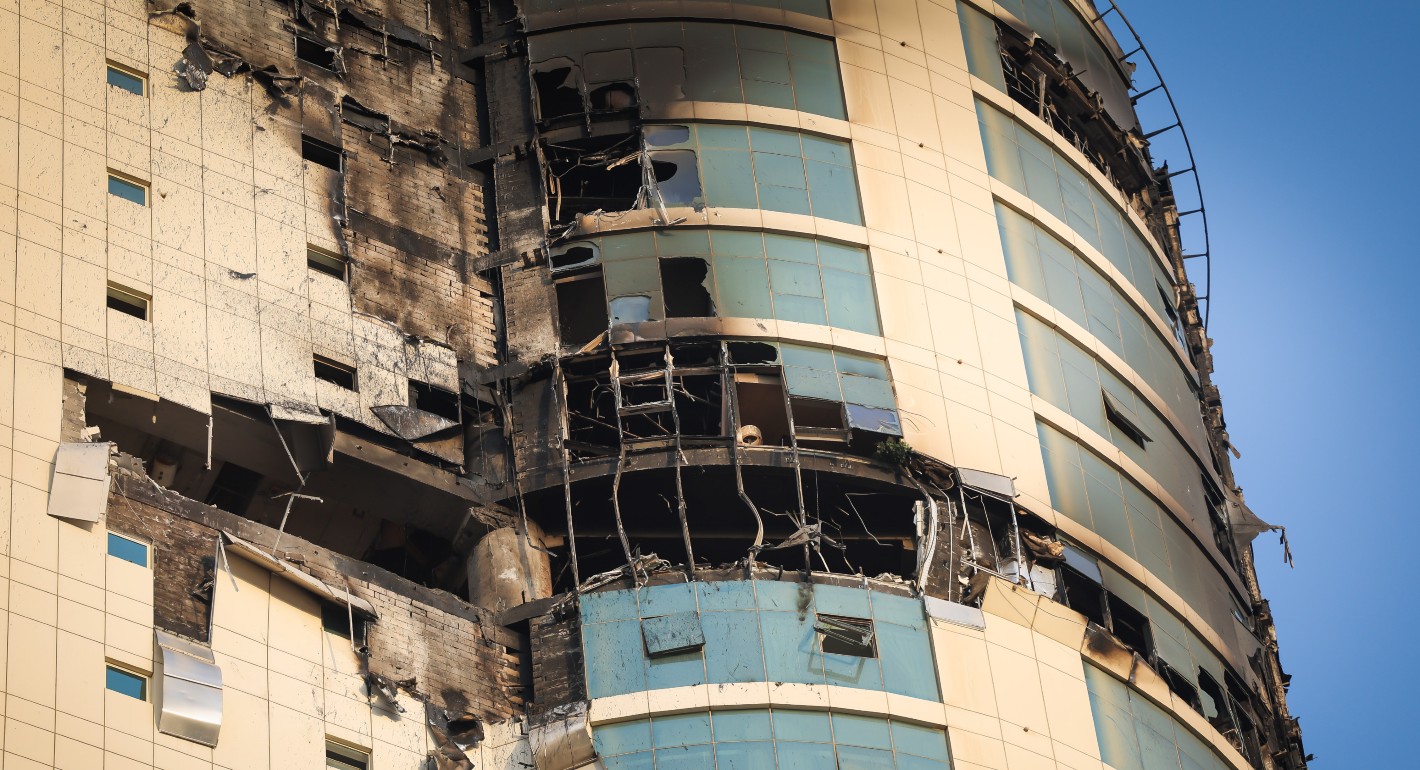
  • exterior of a building with explosion damage
    Commentary
    Emissary
    What We Know About Drone Use in the Iran War

    Two experts discuss how drone technology is shaping yet another conflict and what the United States can learn from Ukraine.

      Steve Feldstein, Dara Massicot

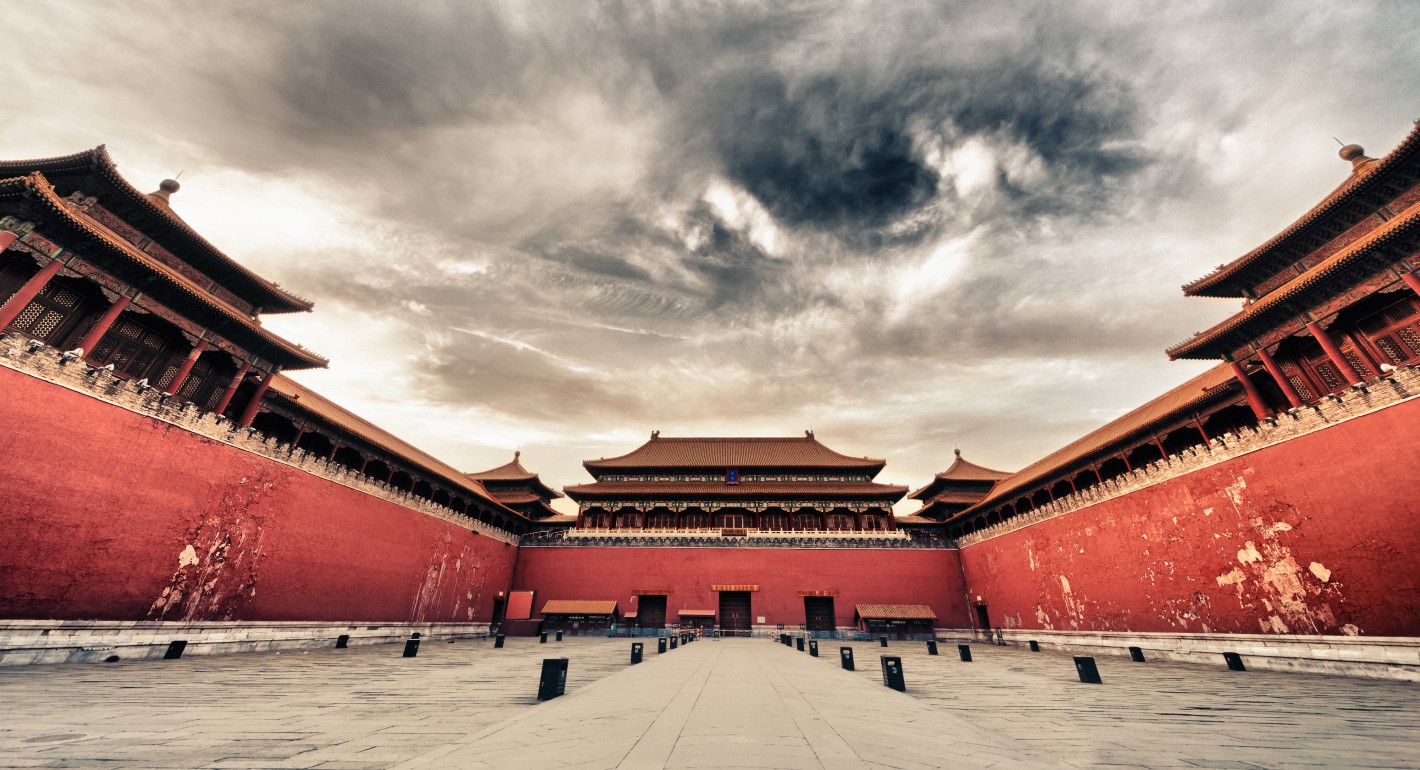
  • Forbidden City on a cloudy day
    Commentary
    Emissary
    Beijing Doesn’t Think Like Washington—and the Iran Conflict Shows Why

    Arguing that Chinese policy is hung on alliances—with imputations of obligation—misses the point. 

      Evan A. Feigenbaum

  • Commentary
    Diwan
    Axis of Resistance or Suicide?

    As Iran defends its interests in the region and its regime’s survival, it may push Hezbollah into the abyss.

      Michael Young

  • Commentary
    Carnegie Politika
    How Far Can Russian Arms Help Iran?

    Arms supplies from Russia to Iran will not only continue, but could grow significantly if Russia gets the opportunity.

      Nikita Smagin

Get more news and analysis from
Carnegie Endowment for International Peace
Carnegie global logo, stacked
1779 Massachusetts Avenue NWWashington, DC, 20036-2103Phone: 202 483 7600Fax: 202 483 1840
  • Research
  • Emissary
  • About
  • Experts
  • Donate
  • Programs
  • Events
  • Blogs
  • Podcasts
  • Contact
  • Annual Reports
  • Careers
  • Privacy
  • For Media
  • Government Resources
Get more news and analysis from
Carnegie Endowment for International Peace
© 2026 Carnegie Endowment for International Peace. All rights reserved.