

Commentary
Dmitri Trenin
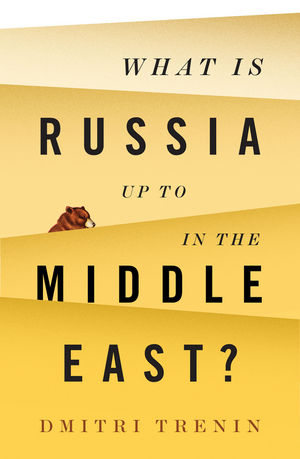
The eyes of the world are on the Middle East. Today, more than ever, this deeply-troubled region is the focus of power games between major global players vying for international influence. Absent from this scene for the past quarter century, Russia is now back with gusto. Yet its motivations, decision-making processes and strategic objectives remain hard to pin down.
Source: Polity
The eyes of the world are on the Middle East. Today, more than ever, this deeply-troubled region is the focus of power games between major global players vying for international influence. Absent from this scene for the past quarter century, Russia is now back with gusto. Yet its motivations, decision-making processes and strategic objectives remain hard to pin down.
So just what is Russia up to in the Middle East? In this hard-hitting essay, leading analyst of Russian affairs Dmitri Trenin cuts through the hyperbole to offer a clear and nuanced analysis of Russia’s involvement in the Middle East and its regional and global ramifications. Russia, he argues, cannot and will not supplant the U.S. as the leading external power in the region, but its actions are accelerating changes which will fundamentally remake the international system in the next two decades.
“Trenin offers an indispensable and authoritative account of Moscow's motivation in the Middle East. Rooted in history and lucidly told, he paints a compelling portrait of Russia as a power "with no permanent friends and no eternal enemies", ready to kick over regional tables on its global comeback to geopolitical top table.”
— David Gardner, International Affairs Editor, Financial Times
“How did Russia engineer its return to the Middle East? In this succinct, lucid account, Dmitri Trenin reminds his readers of Russia’s long historical ties with the region, and also of the domestic factors that have driven the Kremlin to pursue an interventionist policy there.”
—Angela Stent, Survival: Global Politics and Strategy February–March 2018
Former Director, Carnegie Moscow Center
Trenin was director of the Carnegie Moscow Center from 2008 to early 2022.
Recent Work
Dmitri Trenin
Dmitri Trenin
Carnegie does not take institutional positions on public policy issues; the views represented herein are those of the author(s) and do not necessarily reflect the views of Carnegie, its staff, or its trustees.
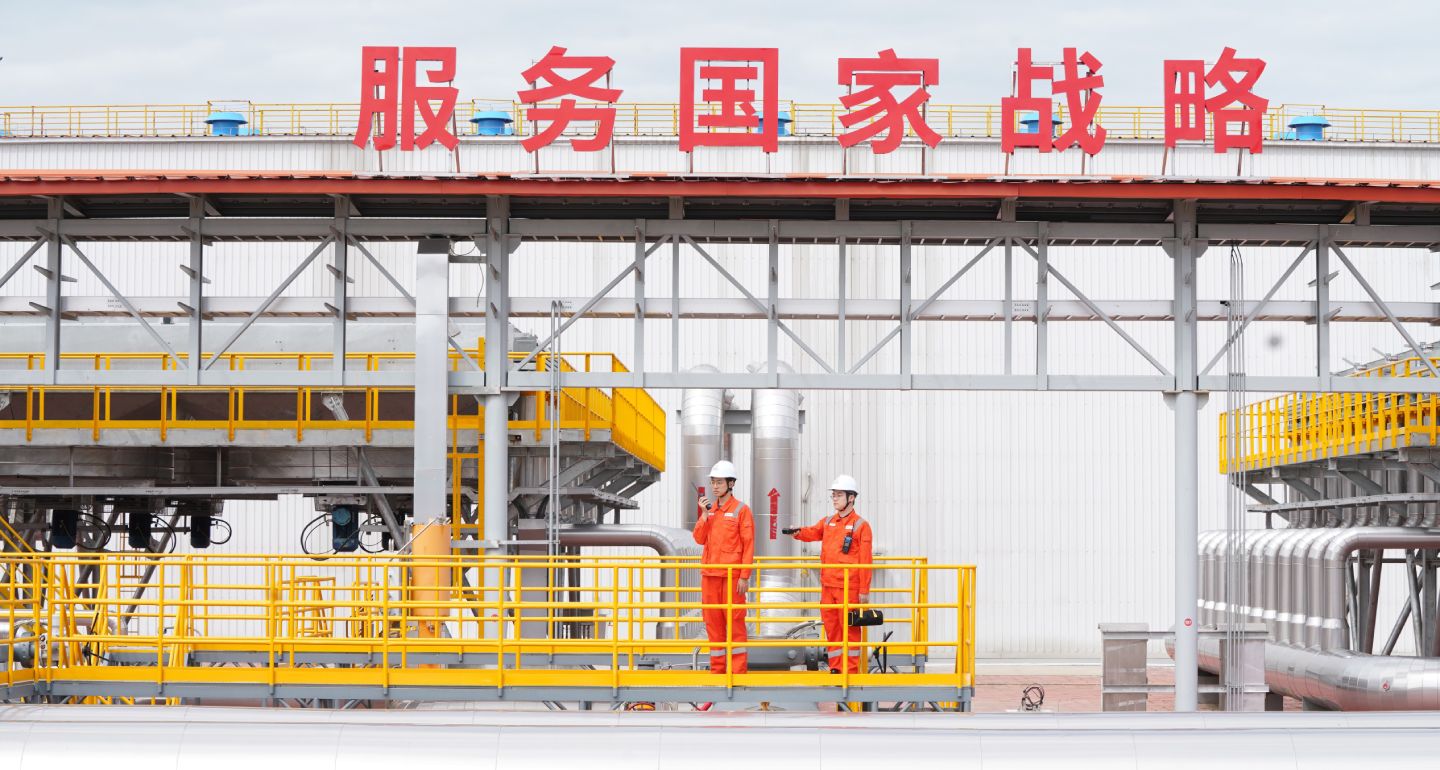
A leak of Russian gas price data helps establish that China is paying Russia far less than Central Asian countries and Gazprom’s former European customers.

Sergey Vakulenko

The EU can impose sanctions but struggles to enforce them without the United States. With Washington increasingly disinterested in backing European interests, the bloc must now fend for itself.


Nicu Popescu, Tiago Antunes
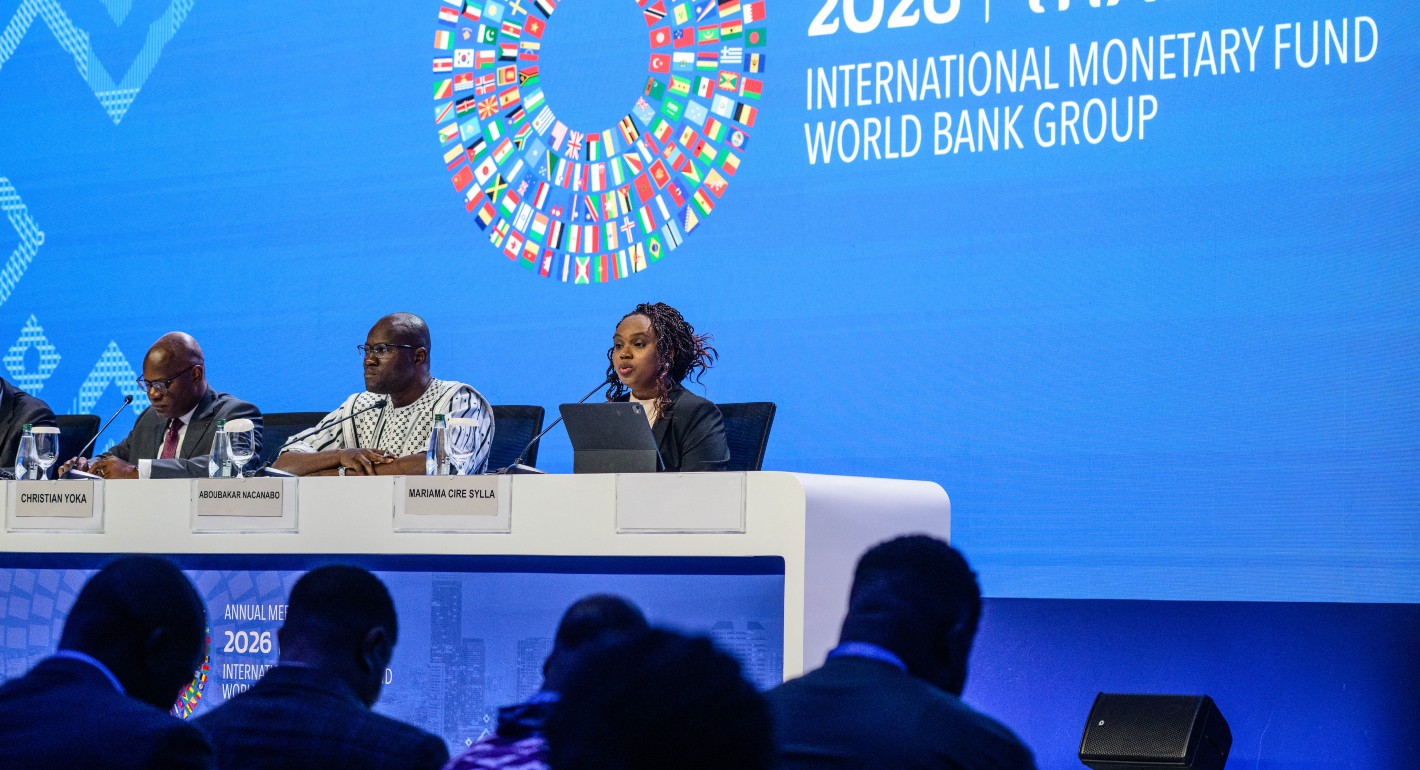
Global and rising powers will need to engage with Africa’s priorities and agency in order to secure the continent’s increasingly attractive partnerships.
Fonteh Akum

Rubio’s recent visit brought welcome attention, but more capital requires governance changes that may be a hard sell for regional governments.

Jennifer B. Murtazashvili

America’s foreign-policy objectives have grown more demanding while Americans have demanded greater focus on their own affairs.

Stephen Wertheim