

Commentary
The wars in Ukraine and the Middle East are existential threats to Europe as a peace project. Leaders and citizens alike must reaffirm their solidarity to face up to today’s multifaceted challenges.
Marc Pierini
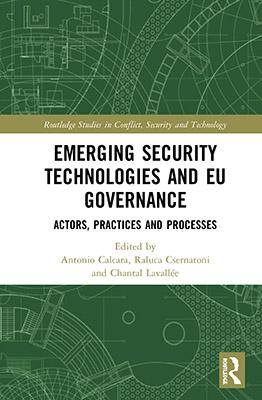
Using the concept of ‘governance’ as an analytical framework, this book investigates how new and emerging security technologies are governed within the European Union, emphasizing relations among different state and non-state actors.
Source: Routledge
The emergence of technologies such as drones, autonomous robotics, artificial intelligence, cyber and biotechnologies has stimulated worldwide debates on their use, risks and benefits in both the civilian and the security-related fields.
This volume examines the concept of ‘governance’ as an analytical framework and tool to investigate how new and emerging security technologies are governed in practice within the European Union (EU), emphasising the relational configurations among different state and non-state actors. With reference to European governance, it addresses the complex interplay of power relations, interests and framings surrounding the development of policies and strategies for the use of new security technologies. The work examines varied conceptual tools to shed light on the way diverse technologies are embedded in EU policy frameworks.
Each contribution identifies actors involved in the governance of a specific technology sector, their multilevel institutional and corporate configurations, and the conflicting forces, values, ethical and legal concerns, as well as security imperatives and economic interests.

Fellow, Carnegie Europe
Csernatoni is a fellow at Carnegie Europe, where she specializes on European security and defense, as well as emerging disruptive technologies.
Antonio Calcara
Vesalius College
Calcara is Adjunct Professor at the Vesalius College, Belgium, and Postdoctoral Researcher at LUISS Guido Carli, Italy.

Chantal Lavallée
Royal Military College
Chantal Lavallée is an assistant professor at the Royal Military College Saint-Jean in Canada.
Carnegie does not take institutional positions on public policy issues; the views represented herein are those of the author(s) and do not necessarily reflect the views of Carnegie, its staff, or its trustees.
The wars in Ukraine and the Middle East are existential threats to Europe as a peace project. Leaders and citizens alike must reaffirm their solidarity to face up to today’s multifaceted challenges.

Marc Pierini

The prospect of a total block on Russia’s most popular messaging app has sparked disagreement between the regime’s political managers and its security agencies.

Andrey Pertsev
Hungarians head to the polls on April 12 for an election of national and European consequence. Three different outcomes are on the cards, each with their own implications for the EU.

Zsuzsanna Szelényi
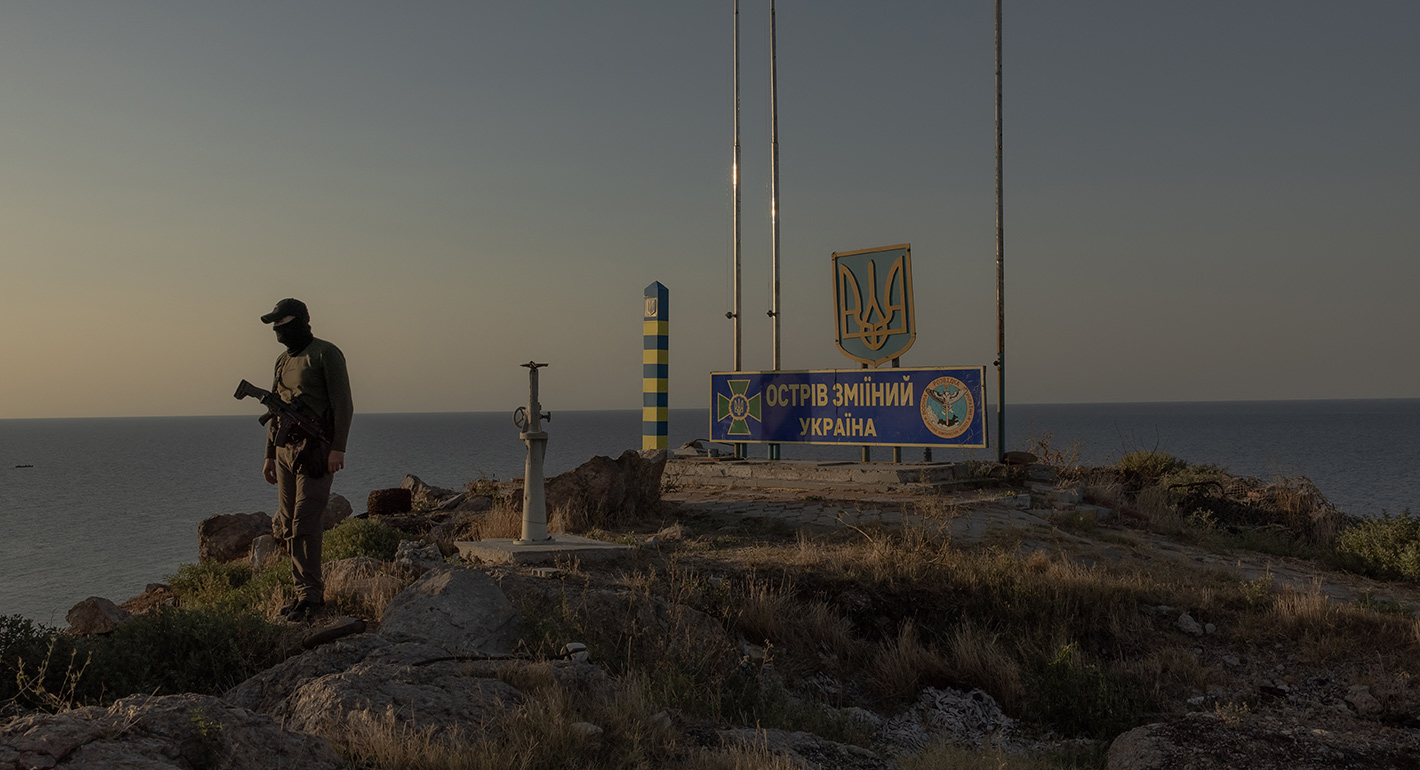
Ukraine’s asymmetric approach has rendered Russia’s Black Sea Fleet functionally useless. But a long-term commitment will be needed to maintain this balance of power.
Alina Frolova, Stepan Yakymiak
Neither the Abraham Accords nor the presence of large U.S. bases are enough to protect Arab Gulf states.

Marwan Muasher