• Research
  • Emissary
  • About
  • Experts
Carnegie Global logoCarnegie lettermark logo
DemocracyIran
  • Donate
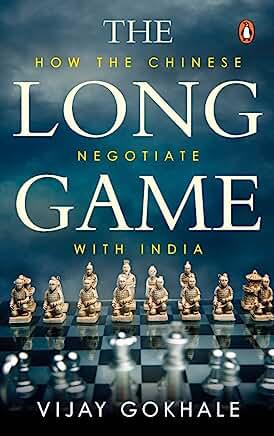
The Long Game: How the Chinese Negotiate with India
Book
Carnegie India

The Long Game: How the Chinese Negotiate with India

This book explores the dynamics of negotiation between India and China, from the early years after Independence until the current times, through the prism of six historical and recent events.

Link Copied
By Vijay Gokhale
Published on Jul 19, 2021

Additional Links

<em> PENGUIN RANDOM HOUSE </em>
Project hero Image

Project

Security Studies

India’s evolving role in regional and global security is shaped by complex dynamics. Experts in the Security Studies Program examine India’s position in this world order through informed analyses of its foreign and security policies, focusing on the relationship with China, the securitization of borders, and the geopolitics of the Indo-Pacific. 

Learn More

PENGUIN RANDOM HOUSE

About the Author

Vijay Gokhale

Nonresident Senior Fellow, Carnegie India

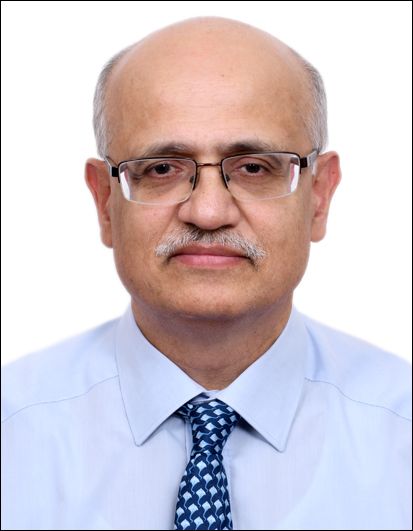
Vijay Gokhale is a nonresident senior fellow at Carnegie India and the former foreign secretary of India. He has worked extensively on matters relating to the Indo-Pacific region with a special emphasis on Chinese politics and diplomacy.

    Recent Work

  • Research
    Views From Taipei: Essays by Young Indian Scholars on China
      • +1

      Vijay Gokhale, Suyash Desai, Amit Kumar, …
  • Paper
    The Next Dalai Lama: Preparing for Reincarnation and Why It Matters to India

      Vijay Gokhale

Vijay Gokhale
Nonresident Senior Fellow, Carnegie India
Vijay Gokhale

Additional Links

<em> PENGUIN RANDOM HOUSE </em>
South AsiaIndiaEast AsiaChinaForeign Policy

Carnegie does not take institutional positions on public policy issues; the views represented herein are those of the author(s) and do not necessarily reflect the views of Carnegie, its staff, or its trustees.

More Work from Carnegie Endowment for International Peace

  • Trump walking toward Xi, both with arms extended to shake hands
    Commentary
    Emissary
    The U.S. and China Need an AI Hotline. Here’s How to Build It.

    It should address the shortcomings of previous crisis communication efforts and adapt to the demands of frontier AI.

      • Lucy Luo

      Lucy Luo

  • Soldiers standing behind barbed wire
    Commentary
    Emissary
    The UN Isn’t Declining. It’s Decomposing.

    Washington’s decision to support some UN functions while letting others wither is pulling the organization apart at the seams.

      Stewart Patrick, Theodore Zaritsky

  • Commentary
    Strategic Europe
    Taking the Pulse: Does the EU Have a Germany Problem?

    Are Germany’s economic, industrial, and political struggles becoming a liability for the EU’s ability to rise to the geopolitical moment?

      • Rym Momtaz

      Rym Momtaz, ed.

  • Research
    China’s Construction of Police Training Facilities in Global South Likely to Expand Global Security Leadership

    China’s police training infrastructure construction projects provide benefits to recipient countries, promote China’s image as a major global security provider, and are likely to reinforce alignment between Beijing’s security priorities and those of countries in the Global South.


      • Sheena Chestnut Greitens
      • +2

      Cameron Waltz, Sheena Chestnut Greitens, Kim Nguyen, …
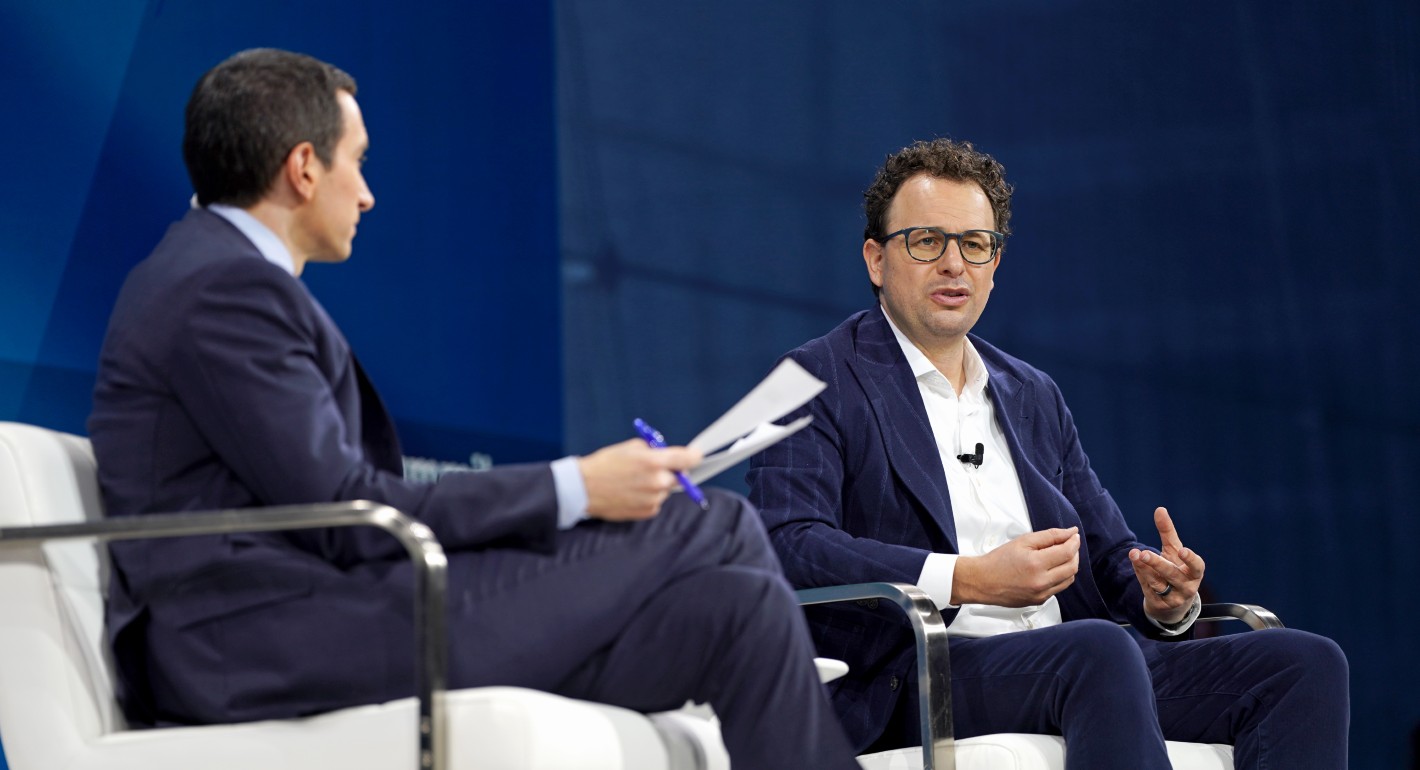
  • Two men sitting on a stage and speaking
    Commentary
    Emissary
    What Would Need to Happen to Slow AI Development?

    AI capabilities are moving fast. Most institutions—including governments—can’t keep up.

      • Anton Leicht

      Anton Leicht, Scott Singer

Get more news and analysis from
Carnegie Endowment for International Peace
Carnegie global logo, stacked
1779 Massachusetts Avenue NWWashington, DC, 20036-2103Phone: 202 483 7600
  • Research
  • Emissary
  • About
  • Experts
  • Donate
  • Programs
  • Events
  • Blogs
  • Podcasts
  • Contact
  • Annual Reports
  • Careers
  • Privacy
  • For Media
  • Government Resources
Get more news and analysis from
Carnegie Endowment for International Peace
© 2026 Carnegie Endowment for International Peace. All rights reserved.