• Research
  • Emissary
  • About
  • Experts
Carnegie Global logoCarnegie lettermark logo
DemocracyIran
  • Donate
Korea Clean Chip Strategy: Linking Clean Energy to Semiconductor Leadership
Research

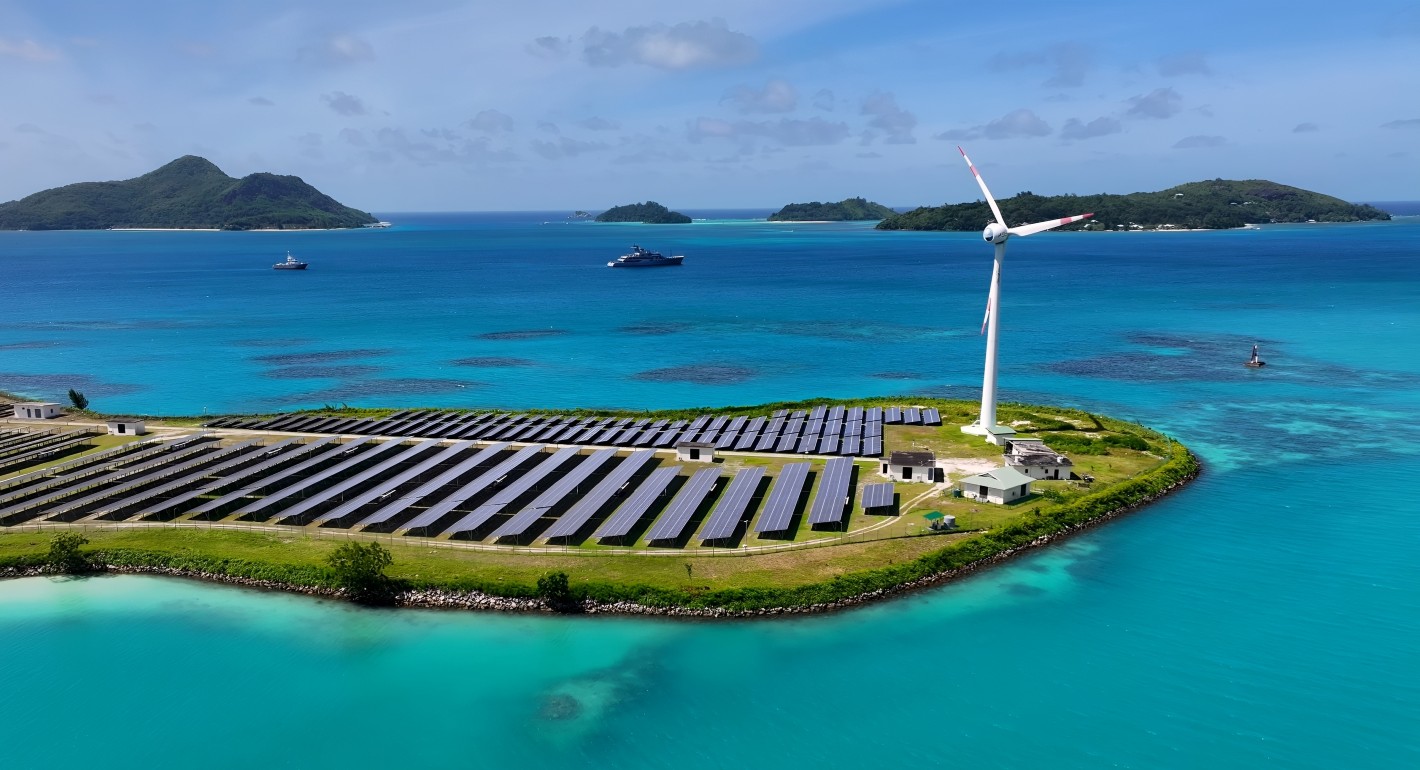
Korea Clean Chip Strategy: Linking Clean Energy to Semiconductor Leadership

How Korea can leverage its proven crisis-to-opportunity playbook to secure semiconductor leadership in an era of clean energy transition.

Link Copied
By Darcie Draudt-Véjares, Hannah Jeong, Tim Sahay
Published on Jul 11, 2025
Program mobile hero image

Program

Asia

The Asia Program in Washington studies disruptive security, governance, and technological risks that threaten peace, growth, and opportunity in the Asia-Pacific region, including a focus on China, Japan, and the Korean peninsula.

Learn More
Read the Publication

About the Authors

Darcie Draudt-Véjares

Fellow, Asia Program

Darcie Draudt-Véjares is a fellow in the Carnegie Asia Program.

Hannah Jeong

Tim Sahay

Co-Director, Net Zero Industrial Policy Lab, Johns Hopkins

Tim Sahay is the co-editor of The Polycrisis at Phenomenal World and the co-director of the Net Zero Industrial Policy Lab at Johns Hopkins University.

Authors

Darcie Draudt-Véjares
Fellow, Asia Program
Darcie Draudt-Véjares
Hannah Jeong
Tim Sahay
Co-Director, Net Zero Industrial Policy Lab, Johns Hopkins
Tim Sahay
South KoreaEast AsiaAsiaEnergyEconomy

Carnegie does not take institutional positions on public policy issues; the views represented herein are those of the author(s) and do not necessarily reflect the views of Carnegie, its staff, or its trustees.
More Work from Carnegie Endowment for International Peace

  • Commentary
    Carnegie Politika
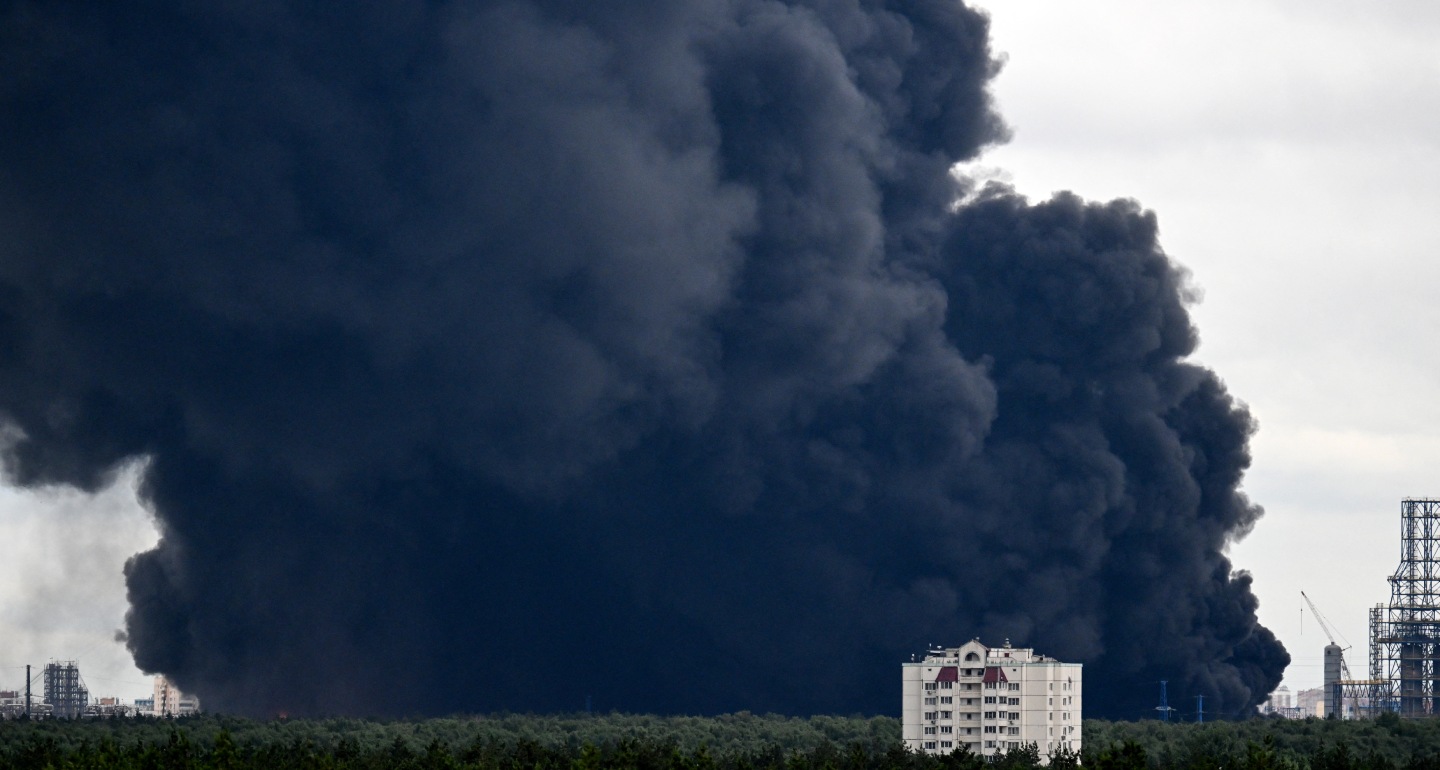
    Russian Oil Sector Battered but Not Broken by Ukrainian Air Attacks

    If it proves impossible for the Russian authorities to avoid a gasoline deficit, the question then becomes how they will organize the distribution of a scarce resource.

      • Sergey Vakulenko

      Sergey Vakulenko

  • Commentary
    Strategic Europe
    Taking the Pulse: Is European Diplomacy on Iran Outdated?

    When the U.S.-Iran memorandum of understanding was announced, the UK, France, Germany, and Italy declared their readiness to help demine the Strait of Hormuz and lift nuclear sanctions on Tehran. But does Europe need new tools to recover a diplomatic role?

      • Rym Momtaz

      Rym Momtaz, ed.

  • Article
    China Is Building New Financial Architecture for Clean Energy Tech. It May Come with Conditions.

    China’s central bank swap lines could help developing world leaders drive their energy transition—if they harness conditionality to protect their interests.

      Ebipere K. Clark

  • Europe trade economy container supply chains
    Paper
    From Trade Dependence to Geopolitical Leverage: The EU in an Era of Weaponized Interdependence

    As geopolitical rivalry weaponizes global supply chains, the EU’s true vulnerability lies in emerging-risk imports. For these goods, suppliers are growing more concentrated, substitution more difficult, and political risk is looming.

      Sinan Ülgen
  • Pashinyan surrounded by supporters while speaking to reporters
    Commentary
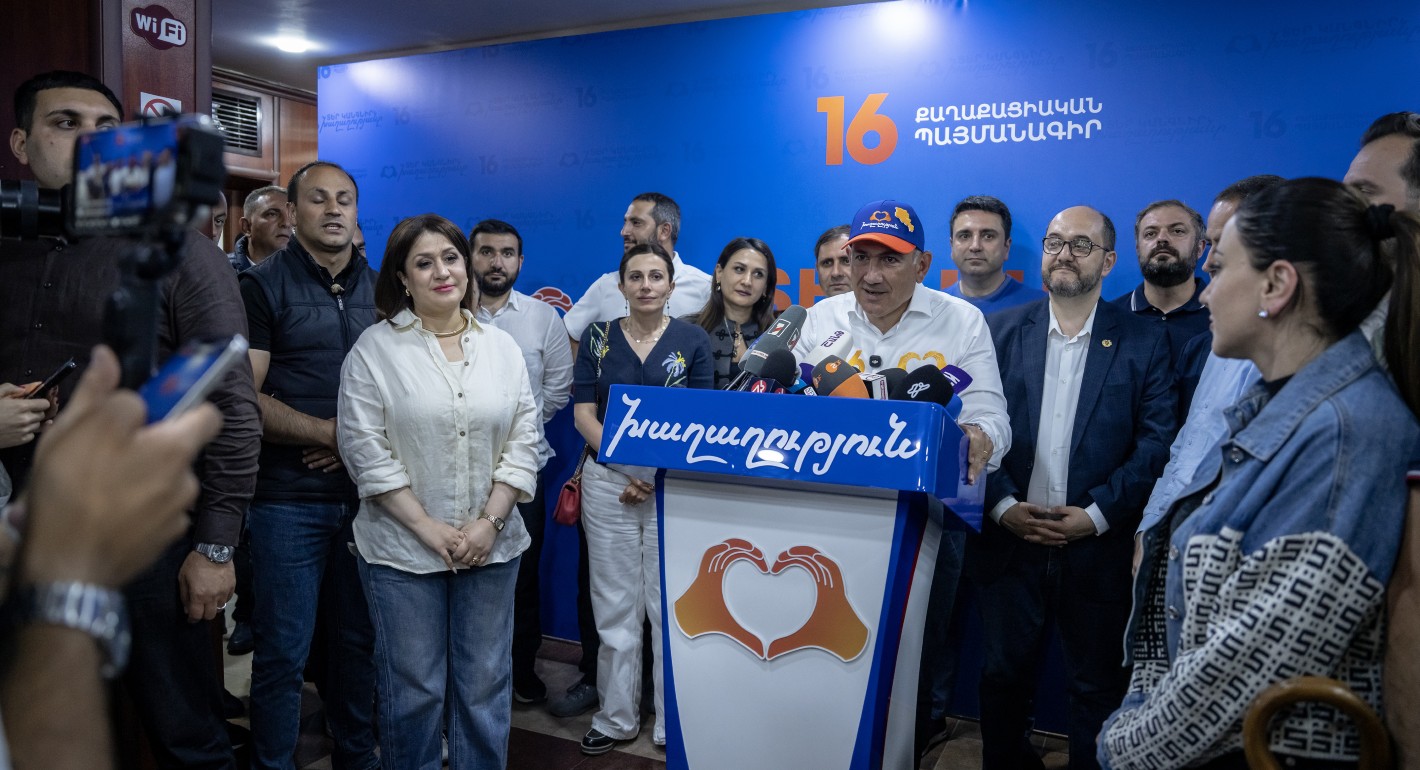
    Next Steps Toward Peace After the Armenian Elections

    It’s time to build momentum, and Ankara is the venue of the next opportune diplomatic window to do this.

      • Garo Paylan

      Alper Coşkun, Garo Paylan

Get more news and analysis from
Carnegie Endowment for International Peace
Carnegie global logo, stacked
1779 Massachusetts Avenue NWWashington, DC, 20036-2103Phone: 202 483 7600
  • Research
  • Emissary
  • About
  • Experts
  • Donate
  • Programs
  • Events
  • Blogs
  • Podcasts
  • Contact
  • Annual Reports
  • Careers
  • Privacy
  • For Media
  • Government Resources
Get more news and analysis from
Carnegie Endowment for International Peace
© 2026 Carnegie Endowment for International Peace. All rights reserved.