

Research
As Moscow looks for opportunities to build inroads on the continent, governments in West and Southern Africa are identifying new ways to promote their goals—and facing new risks.
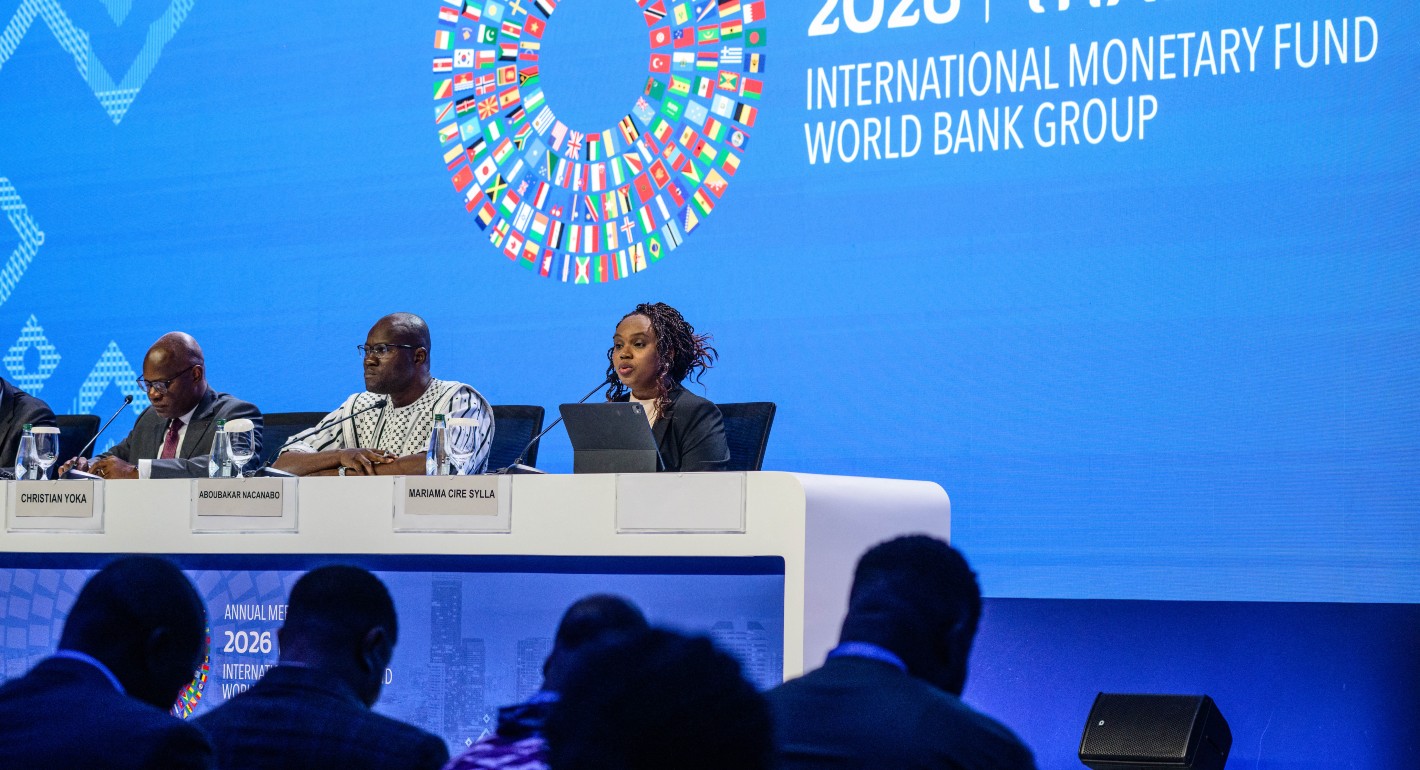
African officials attend the African Finance Ministers press conference at the Annual Meetings of the International Monetary Fund and the World Bank Group on October 15, 2026. (Photo by ANTHONY WALLACE / AFP via Getty Images)
Global and rising powers will need to engage with Africa’s priorities and agency in order to secure the continent’s increasingly attractive partnerships.
The year 2026 has already been an active diplomatic year for Africa. In the wake of September’s United Nations General Assembly High-Level Week and last week’s International Monetary Fund–World Bank Annual Meetings, Africa is using momentum from these events to further its agenda. After securing the UN assembly’s adoption of a resolution encouraging equal-area map projections that show the true size of the African continent, African states are now focusing on the global financial architecture that would tackle debt and unlock capital for major investment.
Against this backdrop, it is increasingly clear that Africa is in global demand. While geopolitical competition over the continent’s trade, energy, and critical mineral assets ramps up, African countries are pursuing infrastructure, industrial, energy, and financing deals to transform their potential to reality. The current geostrategic context offers a notable opportunity for African countries to exercise agency in the pursuit of their national and multilateral interests, all while engaging with great and middle powers who are chasing their own agendas on the continent.
The capacity of African countries to exercise autonomy and influence diplomatic outcomes is increasingly driven by the continent’s strength in numbers in multilateral institutions—as well as its resource endowments and shifting demographics that are important for global technology, energy, and defense futures. Africa’s diplomatic support and symbolism also confer legitimacy in multilateral settings, even as the continent pushes for reforms to those same multilateral bodies. Looking ahead, African agency cannot be ignored by external actors strategically positioning for engagement with the continent.
African states are currently flexing their muscles in a few key arenas: high-level bilateral engagements, Africa+1 summits, UN votes, international legal instruments, and critical minerals deals. However, for African agency to shape national and global futures more forcefully than it currently does, a continent in high demand must coalesce around common positions and approaches, build regional industrial platforms, and harness its full economic and diplomatic capital.
This monthly newsletter is a careful curation of the Carnegie Africa Program’s work and interests. We track key trends within the U.S., on the African continent, in Asia, Europe and around the world as they relate to Africa. We announce upcoming events and share information about recent publications.
Africa’s growing agency is perhaps most vividly demonstrated by the heavy stream of high-level diplomatic visits to the continent. Geopolitical dynamics—marked by both rising middle powers and ongoing great power competition between the United States and China—are shaping both external counterparts’ approaches toward Africa and African states’ engagement with the world. The continent’s mineral endowments are an object of increasing great and middle power attraction, and so are its security markets for defense cooperation.
When mapping high-level visits in Africa, a pattern emerges: The variation of external partners’ priorities across geopolitical, security, and economic sectors often provides opportunities for convergence with African states, rather than competition. Broadly speaking, external partners’ interests lie in critical minerals, energy, migration, trade, and security cooperation. In the case of migration, for example, Spain seeks to limit irregular migrant access to Europe through Morocco, while at the same time the United States is dispatching deportees to nearly a dozen African countries. Both cases illustrate, albeit differently, that partnerships with African countries can help address the sociopolitical challenges that irregular migration poses in both Europe and the United States.
Meanwhile, African interlocutors pursue both global and nationally focused interests. Globally, they seek to reform the United Nations Security Council and the global financial architecture. At the national level, there is demand for more security cooperation and diversified economic opportunities—via foreign direct investment for energy, infrastructure, industrialization, and critical mineral beneficiation—while also addressing the pressing debt challenge. Both the security and economic sectors can generate internal revenue while providing both skilled and unskilled jobs.
The high-level diplomatic visits outlined in table 1 shine a light on the different configurations of great and rising middle power competition across Africa. From January through August 2026, North and East Africa have attracted the most high-level visits to the continent. High-level visits have specifically been to Ethiopia (fifteen), Morocco (thirteen), Egypt (ten), and Kenya (nine).1 In the current global geopolitical context, these engagements have unsurprisingly prioritized energy, security (including maritime security), trade, and migration.
The East Africa region, including the Horn, has received the highest of high-level external diplomatic engagement. Ethiopia has maintained an international profile as the host of the African Union (AU) Commission, an institution responsible for common African positions that advance continental agency. This year alone, Addis Ababa hosted several high-level meetings, starting with the ninth AU-China Strategic Dialogue in January, during which China prioritized global governance and its zero-tariffs policy. (China’s zero-tariffs policy can largely read as a response to the U.S. Liberation Day tariffs and uncertainty over the renewal of the African Growth and Opportunity Act during the early 2026 period.) The second Italy-Africa Summit in February took place on the margins of the 39th Ordinary Session of the Assembly of the African Union, with Italian Prime Minister Giorgia Meloni touting the Mattei Plan for Africa. Meanwhile an AU–Russian Federation high-level consultation in July framed a future strategic partnership to be adopted at the upcoming Russia-Africa summit in October. These engagements have allowed African states to sharpen their partnerships both bilaterally and at the AU level—as the AU works to enhance its role as a foreign policy actor with responsibility for benchmarking and assessing the implementation of its Agenda 2063 continentally.2 Ethiopia will also host the Conference of the Parties of the United Nations Climate Change Conference in 2027 (COP32)—bringing the global climate summit back to the continent five years after COP27 took place in Egypt in 2022.
High-level visits to Ethiopia have also centered regional security, particularly focusing on maritime security on Africa’s eastern seaboard. The Horn of Africa is crucial in ensuring the global energy supply’s relative predictability, as maritime chokepoints remain closed in the Strait of Hormuz and present transit risks in the Bab al-Mandeb Strait. Escalating violence in Yemen, intractable conflict in Sudan, and renewed restiveness in northern Ethiopia have implications for global energy, trade, and supply chains. With the wars in Iran, Gaza, and Sudan, strategic maritime connections from the Red Sea to the Gulf of Aden and the Indian Ocean are drawing high-level focus to the Horn of Africa. Alignment between Horn of Africa countries and external partners on maritime security is built on mutual economic and energy security interests: African ports are forced to reroute freight due to conflict, causing revenue shocks, and their external partners are experiencing energy disruption as a result.
While both Ethiopia and Morocco have emerged as centers for bilateral engagement, it is notable that three heads of state and government visited Ethiopia—French President Emmanuel Macron, Turkish President Recep Tayyip Erdoğan, and Meloni. To show the value of its relationship with the continent, Europe (including the United Kingdom) has registered the highest number of high-level visits to Africa, with twenty-one of forty-eight focused in North Africa (see table 1).
Despite varying levels of external interest, this stream of high-level visits reflects a growing demand for engagement with Africa across diplomatic, security, and economic sectors, including critical minerals and energy. High-level visits also demonstrate key global fault lines—between Europe and Russia in the Sahel, between the United Arab Emirates and Türkiye in the Horn of Africa, and between China and Europe more broadly. These crystallizing fault lines are evident in the role of state and private sector economic, security, and defense actors across the continent, and they present a series of inherent economic, trade, and infrastructure development opportunities and risks.
Africa is also demonstrating its agency through the growing focus on Africa+1 summits convened by external powers (see table 2). The robust preparations ahead of the more recent Africa+1 summits show that their utility is increasingly rooted in substantive partnership that recognizes burgeoning African agency. Since the first France-Africa Summit took place in Paris in November 1973, such summits have evolved over several generations, growing in number to twelve summits held with varying degrees of frequency and impact.3
The first wave was singularly anchored on France-Africa relations and was intent on establishing a framework for dialogue between France and French-speaking Africans. The second generation of summits, roughly in the 1990–2000 period, were more strategically designed, such as Japan’s Tokyo International Conference on African Development (TICAD), which launched in 1993 and shifted the narrative from dependence to African ownership with international support. Since then, Japan has hosted nine TICAD summits; the most recent took place in Yokohama in 2025. Both China’s Forum on China-Africa Cooperation (FOCAC) and Europe’s EU-AU Summit launched in 2000. The third generation of Africa+1 summits has included Türkiye (2008), India (2008), the United States (2014), Indonesia (2018), Russia (2019), the UK (2020), Italy (2024), and South Korea (2024). (The most recent U.S.-Africa summit was convened by former president Joe Biden in December 2022.)
While the form and substance of some of these summits have come in for their share of criticism, the overall trend line makes clear that Africa is fielding increased demand for engagement across the political, diplomatic, security, economic, energy, and cultural spheres. These dynamics can foster strategic partnerships that are important for Africa, especially as the continent is in its second ten-year implementation window of Agenda 2063, the window that spans 2024–2033. These events can also catalyze specific development sectors and open diplomatic pathways for African actors to enhance their resilience to external shocks.
As great and middle powers engage with Africa, public and private actors can also exert greater agency. As a result, African actors seek to diversify their diplomatic networks and deploy forum shopping to advance their interests. Italy convened the Italy-Africa Summit on the margins of the AU Summit in February with Ethiopia, and Kenya and France co-organized the Africa-France Partnerships for Innovation and Growth, dubbed “the Africa Forward Summit,” in Nairobi, Kenya, in May. Hosting the summit in Nairobi strategically pivoted France toward boosting partnerships outside its traditional former colonies—as some of these countries have opted to diversify partnerships in pursuit of greater autonomy from France, especially those in the Alliance of Sahel States. France and Kenya signed several infrastructure agreements relating to the port in Mombasa and the Nairobi Commuter Rail, and Macron’s trip to Africa for the Africa Forward Summit also included stops in Egypt and Ethiopia.
Africa+1 summits offer a platform for diplomatic exchange, although their strategic, substantive, and symbolic framing varies. While strategic partnerships and economic agreements have been struck at some of these summits, such agreements remain largely bilateral, with uneven outcomes. For example, commitments made during the 6th EU-AU Summit in Brussels in February 2022 were quickly overtaken following the full-scale Russian invasion of Ukraine on February 24, barely a week later. In this case the outcomes of the summit were undercut as Europe was compelled to prioritize its own physical and energy security. As African states actively manage external partnerships, frame priorities, and advance autonomous foreign policies, these summits allow them to increasingly act as strategic players shaping their engagement with major global and rising powers.
African countries are also exercising their agency through the United Nations, even as they seek reforms. In general, African countries want a more active and equal participation in global affairs and multilateral institutions, with a specific focus on permanent representation on the UN Security Council. Already, four of the top ten contributing countries to UN peacekeeping operations troops are African—Rwanda, Ghana, Morocco, and Egypt. Africa has also developed a common position, advanced by the Committee of Ten (C-10) Heads of State and Government, on the reform of the UN Security Council. The Common African Position seeks two permanent seats with full veto rights, as the continent currently has no permanent seat. Furthermore, Africa seeks five nonpermanent, elected UN Security Council seats, up from the current three seats. Through international lobbying, negotiation, and its strength in numbers within the UN General Assembly, the C-10 has succeeded in mobilizing support for Africa’s inclusion from the current five permanent members, though the number of seats and veto rules remain unresolved.
At the UN General Assembly, Africa’s fifty-four votes are highly coveted—even if fractures among the five permanent members of the UN Security Council often translate to General Assembly voting patterns. Two relatively recent cases illustrate how African states are advancing a rules-based global system. First was the voting on the UN General Assembly Resolution ES 11/1 condemning Russian “aggression against Ukraine,” adopted on March 2, 2022. Twenty-eight African countries joined France, the UK, and the United States in favor; sixteen abstained with China; and one joined Russia to vote against the resolution, while nine countries were absent.
Second was the UN General Assembly Resolution ES-10/22 calling for an immediate ceasefire in the Gaza war, “immediate and unconditional” hostage release, and humanitarian access, as well as ensuring that all parties complied with their obligations under international law. Forty-four African countries voted with China, Russia, and France in favor; six abstained with the UK; one joined the United States against the resolution; and three were absent. In these General Assembly votes, the overwhelming majority of African countries have voted to uphold a rules-based order in alignment with the African Union’s Constitutive Act to which they are all parties.
The voting patterns also often derive from national interests, even as most African states vote in line with international law, principles, and multilateral norms. Despite the unenforceability of these resolutions, the process itself confers legitimacy for an action to be taken. A majority of African votes often align with the majority of the UN Security Council five permanent members—overwhelmingly against the Russian invasion of Ukraine and in favor of a ceasefire and accompanying measures in Gaza.
When votes on sensitive war and peace resolutions arise at the UN General Assembly, so does intense diplomatic courtship by global partners aiming for the two-thirds majority threshold that demonstrates cross-regional support for a resolution. Hence, both Israel and Russia enhanced their diplomatic courtship of Africa when they became the subjects of UN General Assembly resolutions.
Africa’s critical mineral resources—which are central to global energy transitions, technology, and defense systems—are affording African actors new opportunities to exert agency. South Africa, during its G20 presidency, promoted a critical minerals framework for local beneficiation, aimed at rebalancing critical mineral supply chains and supporting sustainable development and inclusive growth.
Critical mineral assets are important leverage for African actors. For example, the Democratic Republic of the Congo (DRC) has the highest cobalt reserves globally, amid other critical mineral endowments. Cobalt is crucial across defense manufacturing, electric vehicles, and advanced technology industries. The 2025 Strategic Partnership Agreement between the United States and the DRC built on four areas of cooperation and offered an opportunity for the United States to break the Chinese stranglehold on the DRC’s cobalt exploitation. It simultaneously offers the DRC government an opportunity to use critical mineral endowments as leverage to address a recurrent security challenge posed by the M23 insurgency in the eastern DRC. The perverse side of this agency is that it is also used by elites within the DRC to advance narrow political survival agendas that often undermine peace and stability.
Another example is in West Africa. Since the series of coups in Mali, Niger, and Burkina Faso, these Sahelian states have splintered from the Economic Community of West African States and created a new regional configuration, the Alliance of Sahel States. The alliance countries have also developed new security partnerships within the West Africa region and globally, mainly with Russia and other rising powers. Mali has substantial gold and lithium reserves; meanwhile, Niger is the world’s seventh largest producer of uranium by volume, and Burkina Faso also offers substantial gold mining prospects. These countries have actively leveraged their critical mineral endowments for new security, energy, and diplomatic partnerships, while also promoting resource nationalism through greater domestic private sector ownership. Once again, this agency is double edged: It provides autonomy and security guarantees to these regimes, without immediately delivering security and development outcomes for the Sahelian states’ broader populations, which remain plunged in cycles of violence.
As Moscow looks for opportunities to build inroads on the continent, governments in West and Southern Africa are identifying new ways to promote their goals—and facing new risks.
Africa is in high demand as interest-driven external powers seek partnerships that enhance their diplomatic, economic, and technological edge. At the same time, African actors are increasingly hedging and diversifying partnerships according to their own security, infrastructure, and energy agendas. These dynamics demonstrate that external actors and African stakeholders can form partnerships that advance both their interests—diplomacy is not mutually exclusive or zero sum.
However, to strike the right balance between external demand and African interests and agendas, African perspectives must be woven into a post-liberal international order. That new order would reverse the limitations of the post-1945 global system and enable public and private actors to secure their full potential in a highly integrated world. In pursuit of this, African states are pursuing reform of the global financial system and the United Nations Security Council.
Within their immediate neighborhoods, African countries can advance their national interests by empowering regional economic communities, which are often the best situated to deploy comparative advantages in response to the growing external demand for partnerships. This would allow for regional pooling of diplomatic and economic resources to achieve shared energy, industrial, and trade objectives—with potential peace dividends. Such an approach would also lower the transaction costs and extend the geographic scope for external public and private sector engagement across different sectors such as energy, infrastructure, agro-industry, and pharmaceuticals.
Amid global uncertainty, relational trust is increasingly the currency that explains the partnership diversification choices of African countries in demand. It is therefore crucial for external actors to understand and engage with the agency and interests of African states. While some of these priorities are expressed in national, regional, and continental development terms, many are driven by narrow elite choices as well. Making sense of these nuances can better inform external players’ engagement with African actors as purposeful players in national, regional, and global affairs. The global institutions of the future are being built by today’s trusted partnerships. In that process, Africa’s partnership diversification is a form of agency that is here to stay.
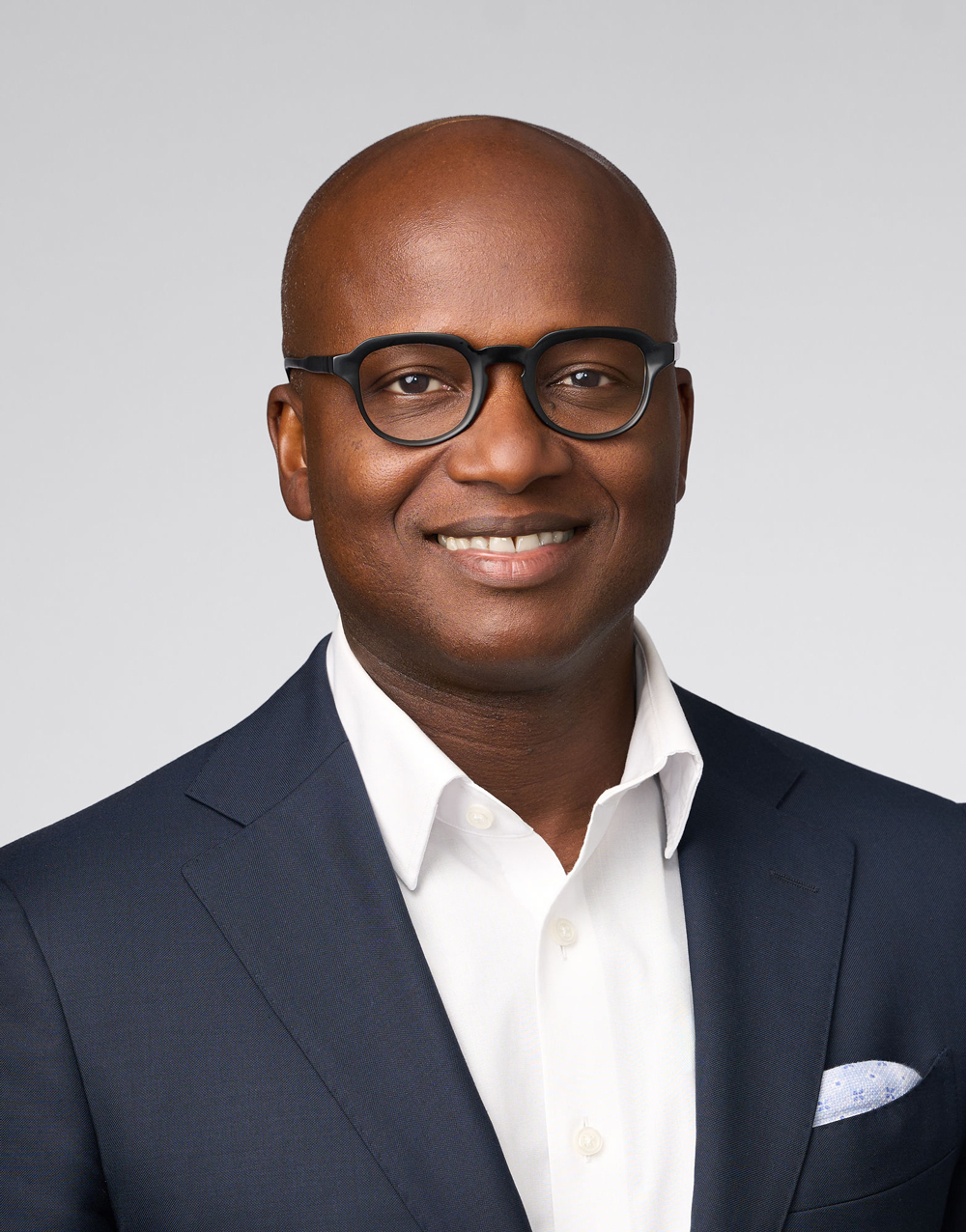
Director and Senior Fellow, Carnegie Africa Program
Fonteh Akum is director and senior fellow of Carnegie’s Africa Program. His work focuses on building the resilience of African states and societies to conflict, climate, and pandemic shocks, while informing opportunities to leverage digital, demographic, and diplomatic capabilities.
Carnegie does not take institutional positions on public policy issues; the views represented herein are those of the author(s) and do not necessarily reflect the views of Carnegie, its staff, or its trustees.
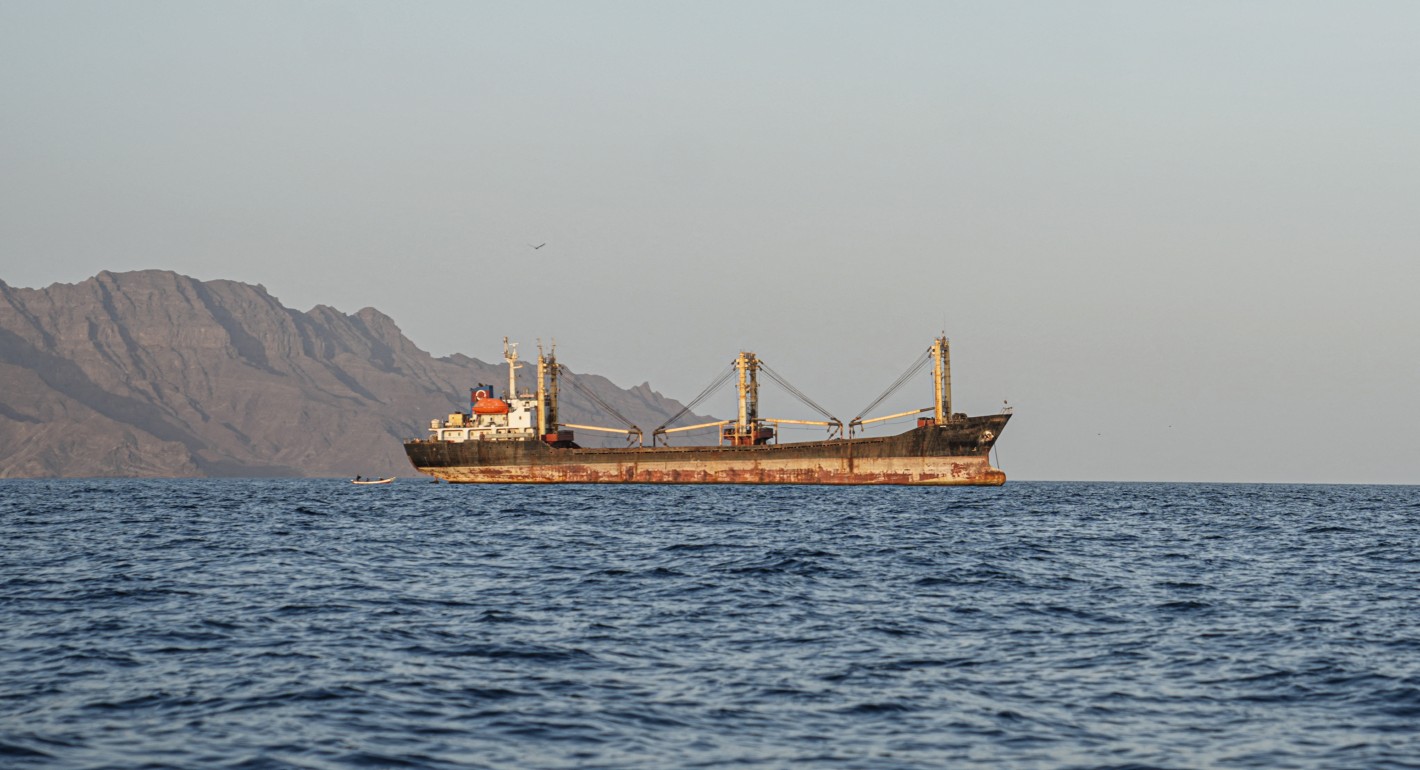
The Horn of Africa countries are among those facing a new security calculus.


Andrew Leber, Lesley Anne Warner
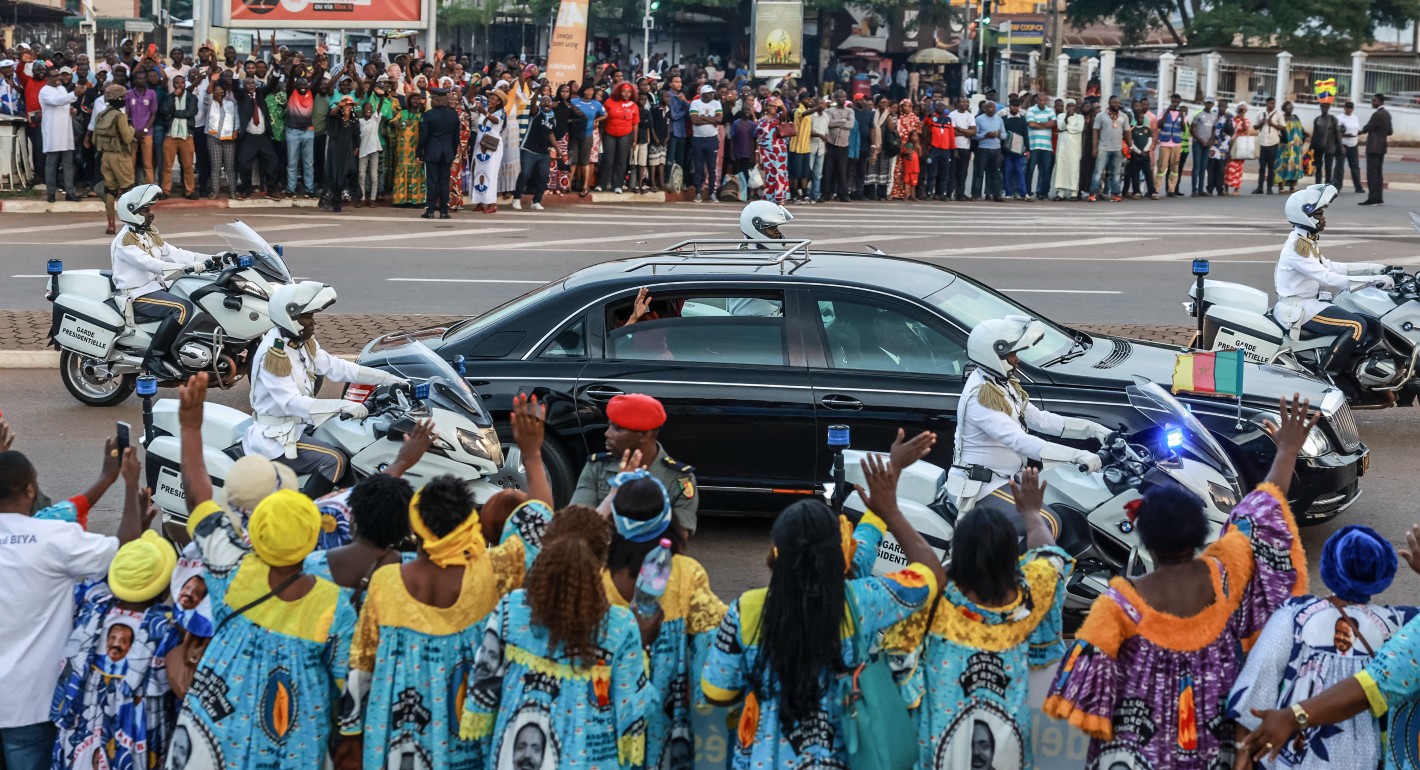
The ninety-three-year-old Biya’s absence and refusal to name a vice president threaten to upend domestic and regional stability.
Lesley Anne Warner

The conflict has sent economic and political shock waves through a country with no representation at the negotiating table—and Kenya is not alone.
Georgia Schaefer-Brown, Jane Munga
In an era of otherwise deep political division, U.S. government support for electricity infrastructure overseas remains a bright spot of consistent bipartisan consensus. This rare cross-partisan alignment should present huge opportunities for the United States to lead on advancing energy infrastructure in emerging economies.

Katie Auth
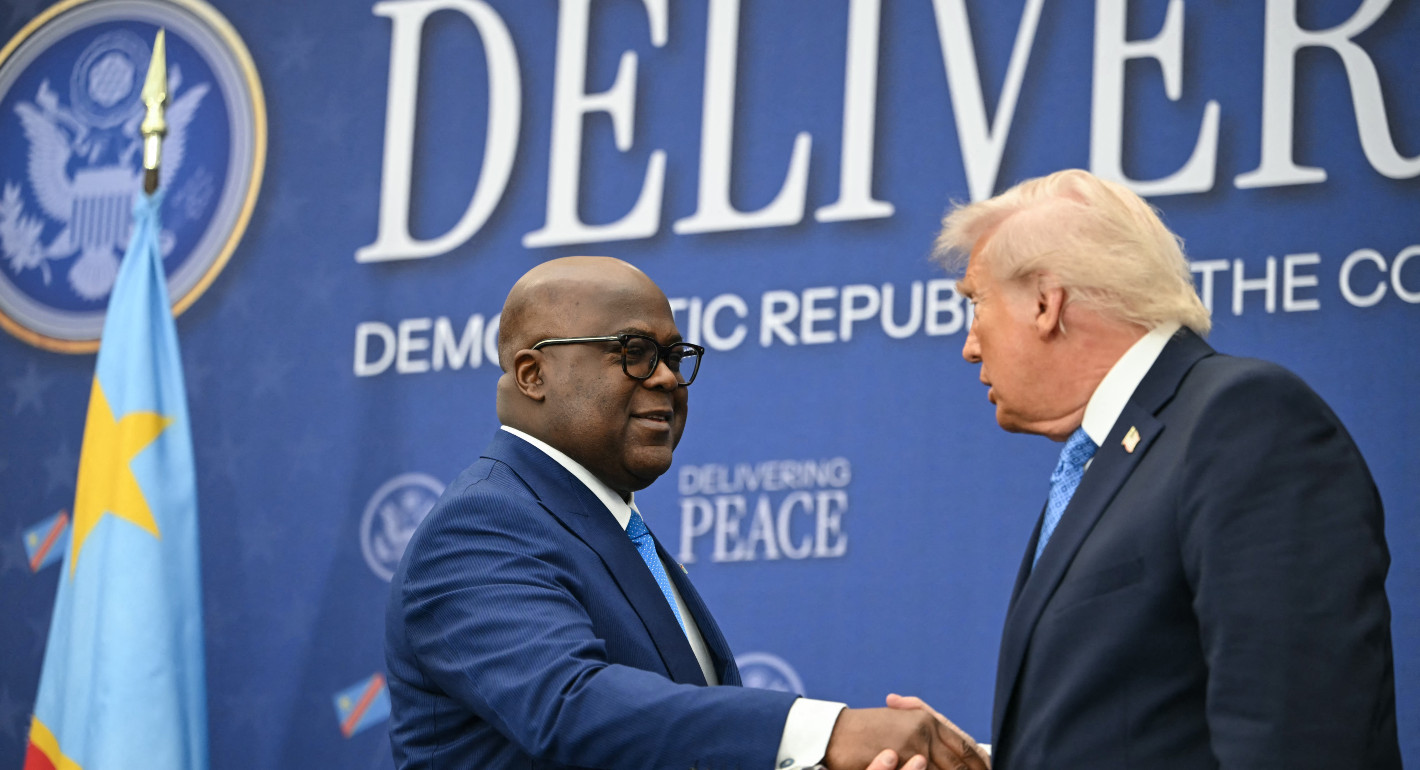
President Tshisekedi is implicating Washington in his pursuit of a third term. Staying silent may prove detrimental to the United States in the long run.

Christian-Géraud Neema