

Commentary
Syria's transition promised a fresh start. But are old habits of power making a comeback? This analysis looks at the warning signs and what it will take to build a more accountable state.
Sima Beitinjaneh
{
  "authors": [
    "Bahey Hassan"
  ],
  "type": "commentary",
  "blog": "Sada",
  "centerAffiliationAll": "",
  "centers": [
    "Carnegie Endowment for International Peace"
  ],
  "collections": [],
  "englishNewsletterAll": "",
  "nonEnglishNewsletterAll": "",
  "primaryCenter": "Carnegie Endowment for International Peace",
  "programAffiliation": "",
  "programs": [],
  "projects": [],
  "regions": [
    "Middle East",
    "North Africa",
    "Bahrain"
  ],
  "topics": [
    "Political Reform"
  ]
}

REQUIRED IMAGE
If some of the Group of Eight (G-8) countries had not found some resolve at the final moments of the concluding session of the Forum for the Future in November 2005, the initiative might have been buried in Manama. There is still danger of the initiative being terminated by Moscow, which in July will host the 2006 G-8 summit, before the third Forum meeting in Jordan takes place later this year.
If some of the Group of Eight (G-8) countries had not found some resolve at the final moments of the concluding session of the Forum for the Future in November 2005, the initiative might have been buried in Manama. There is still danger of the initiative being terminated by Moscow, which in July will host the 2006 G-8 summit, before the third Forum meeting in Jordan takes place later this year. Russian President Vladimir Putin's recent crackdowns on Russian nongovernmental organizations suggest that the Forum, which once held so much promise for carving out a democratic future in the Middle East, might be doomed to be shelved next to other stale regional bodies such as the League of Arab States and the Euro-Mediterranean Partnership.
The Forum is unique in that it is the only regional framework that provides an opportunity for nongovernmental organizations (NGOs) in the Arab world to present their views on reform directly to representatives of their governments at the ministerial level. A t the Manama conference Arab governments pushed back, firmly opposing the creation of a foundation that would have been able to fund local NGOs directly, whether or not they were licensed by their governments. Arab governments have demonstrated consistent incompetence in all fields except for suppressing internal pressures for change, and they proved similarly masterful in their ability to resist external pressures. They demonstrated an impressive ability to maneuver and play on contradictions within the international community in light of a new and changing international environment. Due to obstruction by Arab governments, in its final session the Forum was able to launch a Fund for the Future to finance economic reform, but not the Foundation for the Future that would have been its counterpart in financing political reform and civil society. Thus, once again Arab governments succeeded in sending out the message they have repeated to their peoples and international community over the last two decades: “Yes to economic reform…no to political reform.”
The seeds of this catastrophe were sown by the G-8 organizers themselves, who had earlier allowed Arab governments to insert individuals with close governmental ties into the preparatory meetings of the civil society NGOs. As a result, sensitive human rights issues were removed from the agenda and most preparatory meetings concluded with general, bombastic statements and soft recommendations that, when read at the Forum, drew smiles of satisfaction from Arab government representatives. The farce of civil society representation reached its zenith when a male delegate from the governmental University of Bahrain headed the women's rights delegation and spoke in the name of women at the Forum.
One wonders whether there was a shared decision by G-8 and Arab governments to blunt the claws of civil society—and thereby ensure continued participation in Forum summits by Arab governments—or whether it was merely excessive naivety on the one side met by excessive cleverness on the other. The so-called major powers of our world have yet to realize that they are mere children playing among regimes well schooled in despotism and much older than democratic systems.
Fortunately, at the eleventh hour the United States and United Kingdom realized what was happening and refused to include within the concluding declaration the conditions proposed by Arab states, which would have withheld civil society status from NGOs not registered according to the medieval laws of their respective countries. This resulted in the Bahrain Forum meeting ending without a concluding declaration. Some considered that a devastating failure for the conference, but by other standards it was a success that rescued the Forum from suicide. And meanwhile, plans for the Foundation are proceeding. But for how long? Two weeks after the Bahrain meeting, Arab governments succeeded in adopting at the November 2005 Euro-Mediterranean summit the same statement that they had failed to pass in Bahrain.
In mid-February the Cairo Institute for Human Rights Studies and other partner organizations met in Rabat to address this question in depth and formulated recommendations for the G-8: (1) that the Forum establish an institutional channel for communication with NGOs between its annual meetings; and (2) that the Forum abide by UN practices in dealing with NGOs, which do not require that the organizations have legal status in their countries and do not allow governments to interfere in preparatory meetings. The backlash from Arab governments will continue, and participants in democracy promotion initiatives need to prepare themselves to deal with it.
Bahey Eldin Hassan is Director of the Cairo Institute for Human Rights Studies, a member of Egypt's National Commission on Human Rights, and a civil society participant in the Forum for the Future.
Bahey Hassan
Carnegie does not take institutional positions on public policy issues; the views represented herein are those of the author(s) and do not necessarily reflect the views of Carnegie, its staff, or its trustees.
Syria's transition promised a fresh start. But are old habits of power making a comeback? This analysis looks at the warning signs and what it will take to build a more accountable state.
Sima Beitinjaneh
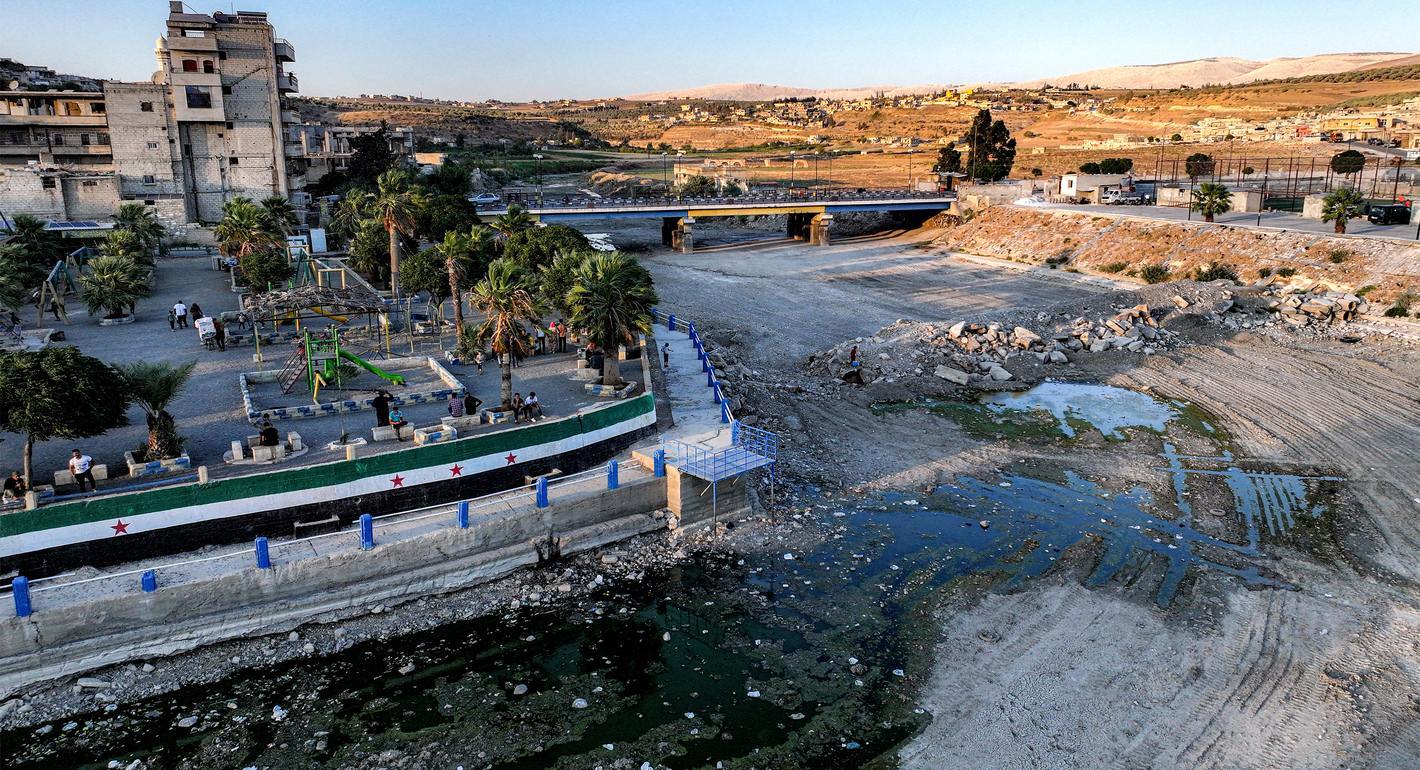
Syria’s worsening drought is no longer a seasonal crisis. This report explains what climate change is doing to rainfall, groundwater, and food security, and what solutions experts say are still possible.
Milia Esper
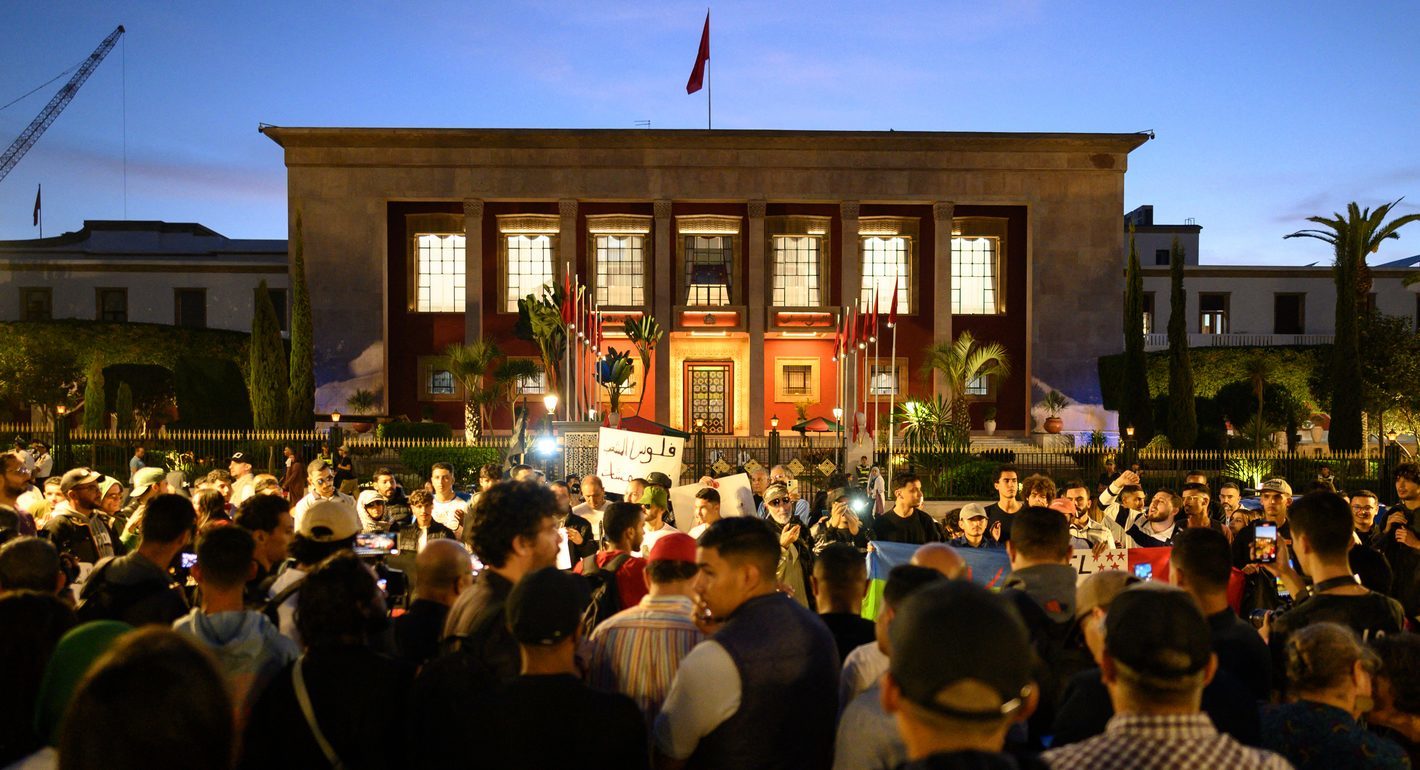
From anime heroes to online gaming communities, Morocco’s Gen Z is building a new protest culture. What does this digital imagination reveal about youth politics, and how should institutions respond?
Abdelilah Farah
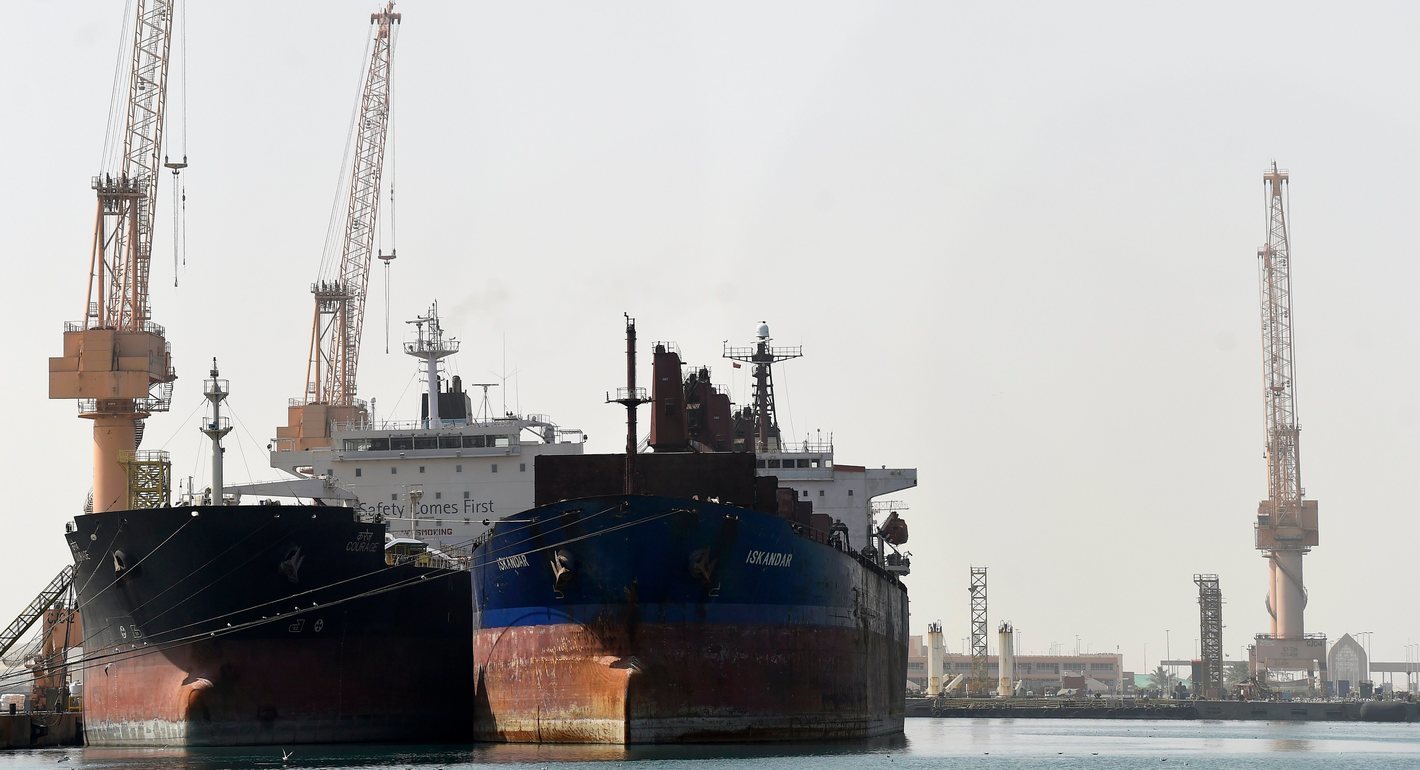
In a volatile Middle East, the Omani port of Duqm offers stability, neutrality, and opportunity. Could this hidden port become the ultimate safe harbor for global trade?
Giorgio Cafiero, Samuel Ramani
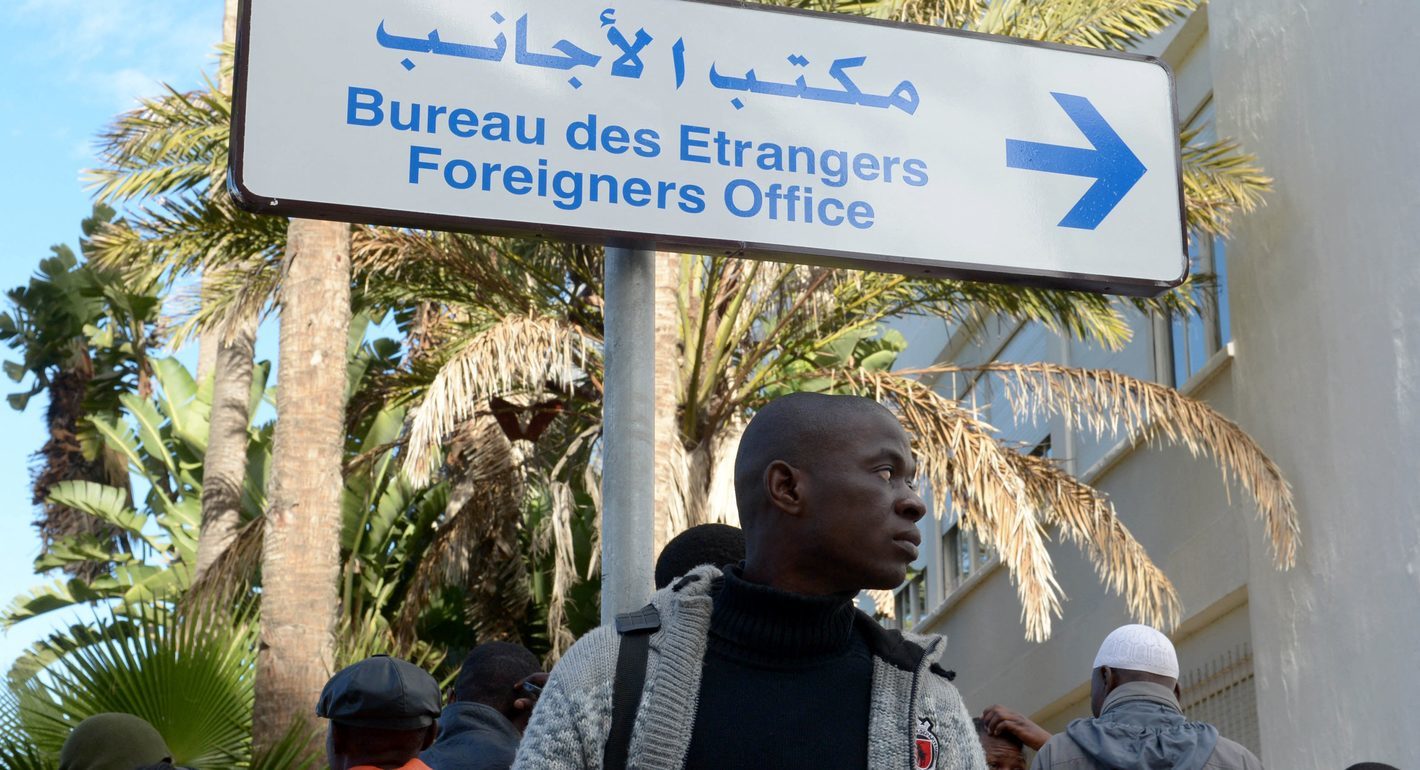
Is Morocco’s migration policy protecting Sub-Saharan African migrants or managing them for political and security ends? This article unpacks the gaps, the risks, and the paths toward real rights-based integration.
Soufiane Elgoumri