

Commentary
From anime heroes to online gaming communities, Morocco’s Gen Z is building a new protest culture. What does this digital imagination reveal about youth politics, and how should institutions respond?
Abdelilah Farah
{
  "authors": [
    "Jon B. Alterman"
  ],
  "type": "commentary",
  "blog": "Sada",
  "centerAffiliationAll": "",
  "centers": [
    "Carnegie Endowment for International Peace"
  ],
  "collections": [],
  "englishNewsletterAll": "",
  "nonEnglishNewsletterAll": "",
  "primaryCenter": "Carnegie Endowment for International Peace",
  "programAffiliation": "",
  "programs": [],
  "projects": [],
  "regions": [
    "Middle East",
    "North Africa",
    "Egypt"
  ],
  "topics": []
}

REQUIRED IMAGE
At a recent conference on the political effects of Arab satellite television, a prominent Arab talk show host called out from the back of the room, "I will tell you a secret about television. It is all about spectacle. It is about spectacle first, spectacle second, and spectacle third."
At a recent conference on the political effects of Arab satellite television, a prominent Arab talk show host called out from the back of the room, "I will tell you a secret about television. It is all about spectacle. It is about spectacle first, spectacle second, and spectacle third." Although the host is an outspoken advocate of democratic reform, his observation may help explain why the popular and raucous debates on pan-Arab satellite television channels so far have not translated into changes in Arab politics.
Arabs, and those who watch the Arab world, increasingly talk of how the satellite television age has spawned a body of discourse that scarcely existed before in the region. On the talk shows of pan-Arab television, clerics debate secularists, radicals debate moderates, and apologists for one regime lay into the apologists for another. Previously taboo issues such as opposition politics, sex, and religion have become staples of nightly programs.
When such broadcasts began in the mid-1990s, many saw them as a harbinger of a democratic opening. Censorship had been a pillar of authoritarian rule in the Middle East for decades, and satellite television was beginning to chip away at it.
Yet a decade later, not one Arab regime has fallen at the hands of its people, and few have taken meaningful steps toward democratization. Pan-Arab satellite television has brought more open political talk into studios, but not yet more open politics on the ground.
One reason is that debate in the Arab world is still largely about spectacle and not about participation. Nowhere is this more true than on Arab satellite television. To use the American metaphor, the debates generate far more heat than light. On a mass level, they generate little action other than fingers pressing a television’s remote control.
What would make a difference? The efforts of Egyptian-born televangelist Amr Khalid offer an intriguing model of social change through mass media. Khalid, who started out in the early 1990s speaking in the country clubs and upper class living rooms of Cairo, became a media sensation due to his clear talk about how Muslims can—and should—sanctify the everyday. An accountant by training, Khalid adopted neither the hectoring tone often associated with clerics, nor the anger of militant Islam; instead, his style is empathetic and almost plaintive.
Through huge revival-style events in Egypt, and increasingly via satellite television broadcasts beamed throughout the Middle East, Khalid has created not just a community of viewers, but a community of participants. Khalid’s followers do more than write and call in to his programs. His increasingly global audience participates in charity drives, organizes study groups, and seeks to apply his specific lessons to their daily lives. Indeed, in its early stages his audience has commonalities with the networks of the exiled Turkish religious leader Fethullah Gülen, which reach across Europe and deep into Central Asia. Gülen’s followers participate in group study and action to use self-improvement as an avenue for strengthening their religious community.
Although Khalid is avowedly apolitical, he has successfully moved his audience to break out of passivity. Through participation in concrete actions—including but not limited to buying his books and tapes—his followers are moved to action.
For Khalid’s followers, like Gülen’s and participants in other modern social movements, the central organizing principle is bridging the communal and the individual. Millions watch the same program, listen to the same sermon or read the same book, but they also deepen and strengthen those experiences with personal relationships. What they see has some effect on what they do. Watching or listening to the same thing is not enough, except when it causes the audience to act in unison.
A simple way in which communities of belief become communities of action is by adopting a common outward appearance. In recent months, some twenty million people around the world have purchased yellow "cancer survivor bracelets" from the Lance Armstrong Foundation, sending an important message of solidarity akin in a certain way to the adoption of particular styles of the veil by Muslim women in Cairo, Damascus, or Beirut. In this way, information becomes belief, and belief becomes action.
The challenge for the noisier Arab politics displayed on Al Jazeera and other satellite channels is to move beyond spectacle. Especially for those in the opposition, with little access to resources and shut out of power, the challenge will be how to prove their relevance to the everyday life of their followers.
Creating a personal connection to an audience, as Amr Khalid has done, is vital. Crucial as well is combining belief and action in some way that promotes a feeling of membership. Television has viewers, and politics has participants. Until Arab satellite television can turn the former into the latter, it will remain principally an instrument of entertainment rather than an engine for reform.
Dr. Alterman directs the Middle East Program at the Center for Strategic and International Studies in Washington and is the author of New Media, New Politics? From Satellite Television to the Internet in the Arab World (Washington, DC: The Washington Institute for Near East Policy, 1998).
Jon B. Alterman
Carnegie does not take institutional positions on public policy issues; the views represented herein are those of the author(s) and do not necessarily reflect the views of Carnegie, its staff, or its trustees.
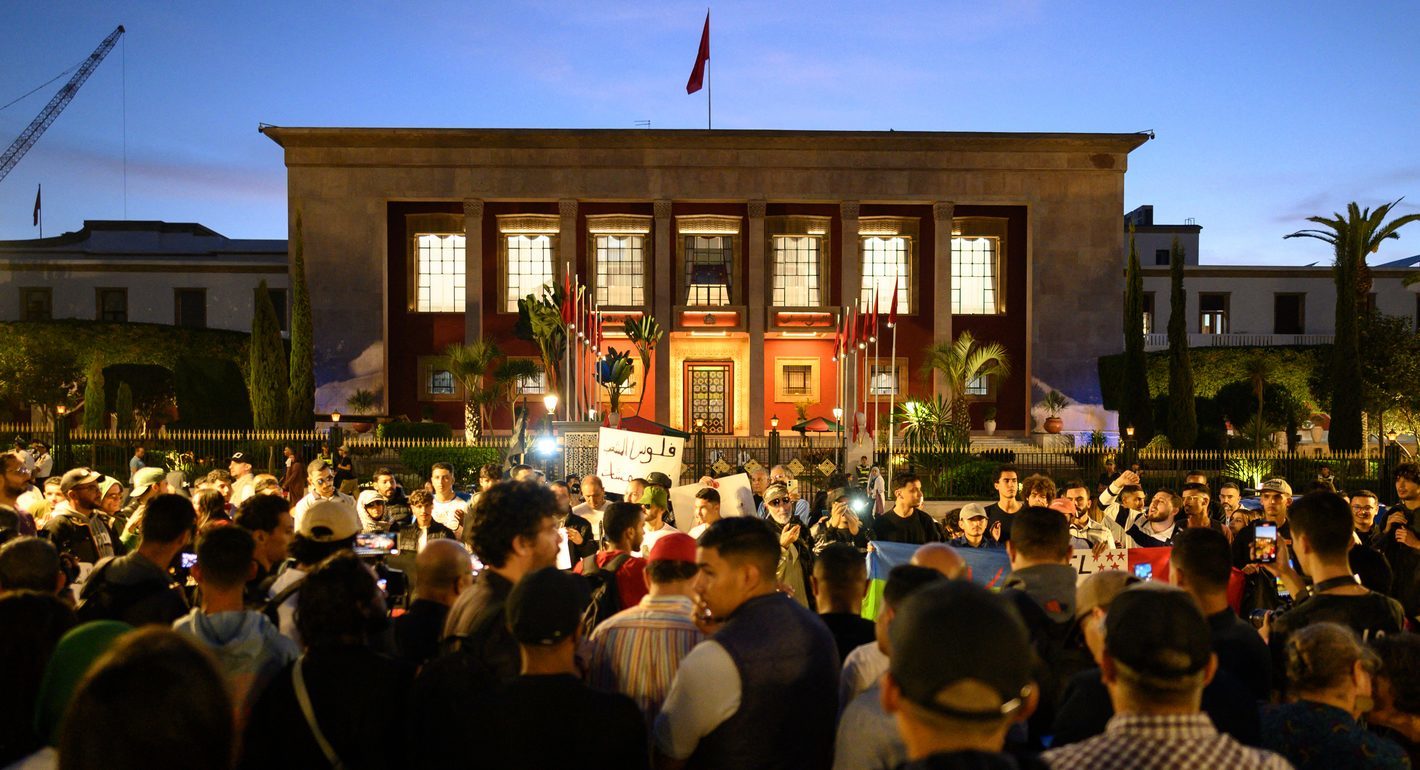
From anime heroes to online gaming communities, Morocco’s Gen Z is building a new protest culture. What does this digital imagination reveal about youth politics, and how should institutions respond?
Abdelilah Farah

In a volatile Middle East, the Omani port of Duqm offers stability, neutrality, and opportunity. Could this hidden port become the ultimate safe harbor for global trade?
Giorgio Cafiero, Samuel Ramani
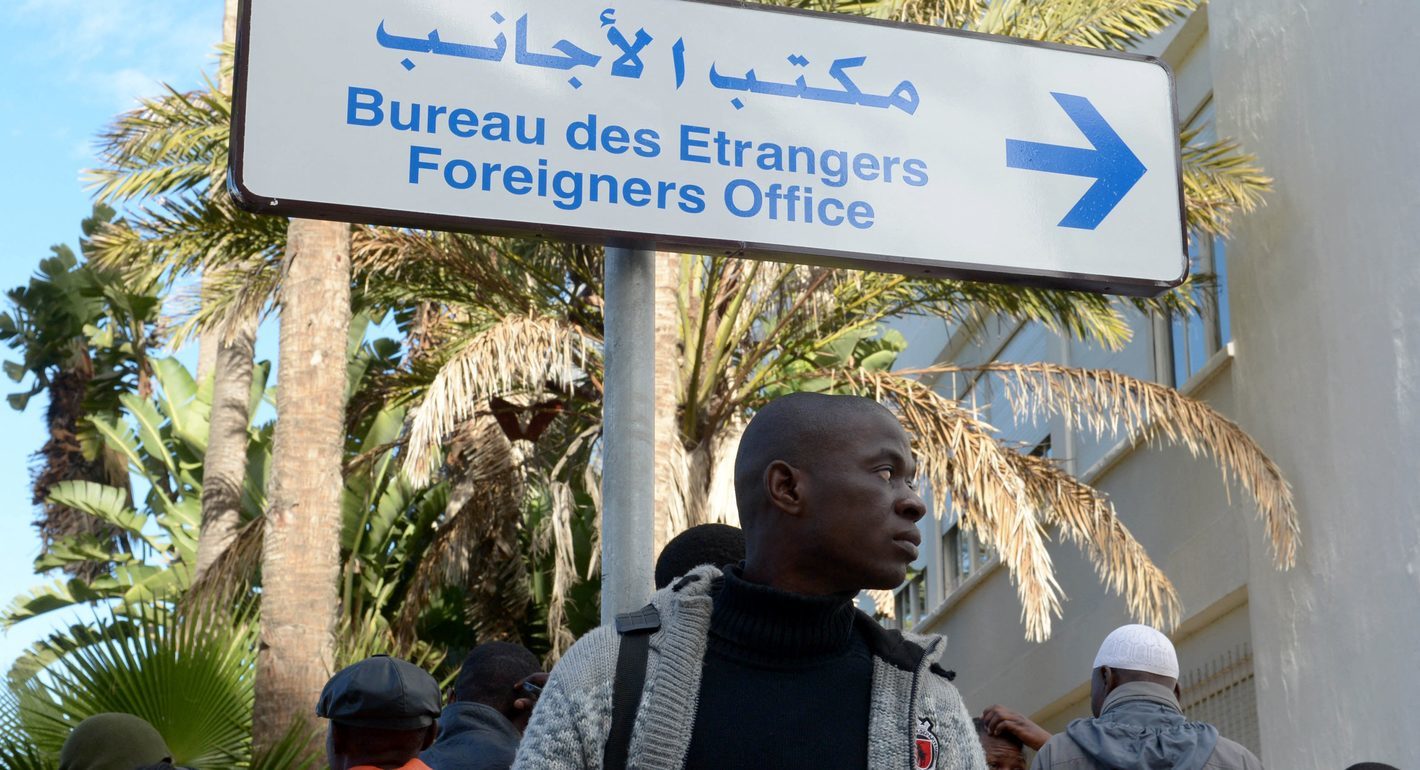
Is Morocco’s migration policy protecting Sub-Saharan African migrants or managing them for political and security ends? This article unpacks the gaps, the risks, and the paths toward real rights-based integration.
Soufiane Elgoumri
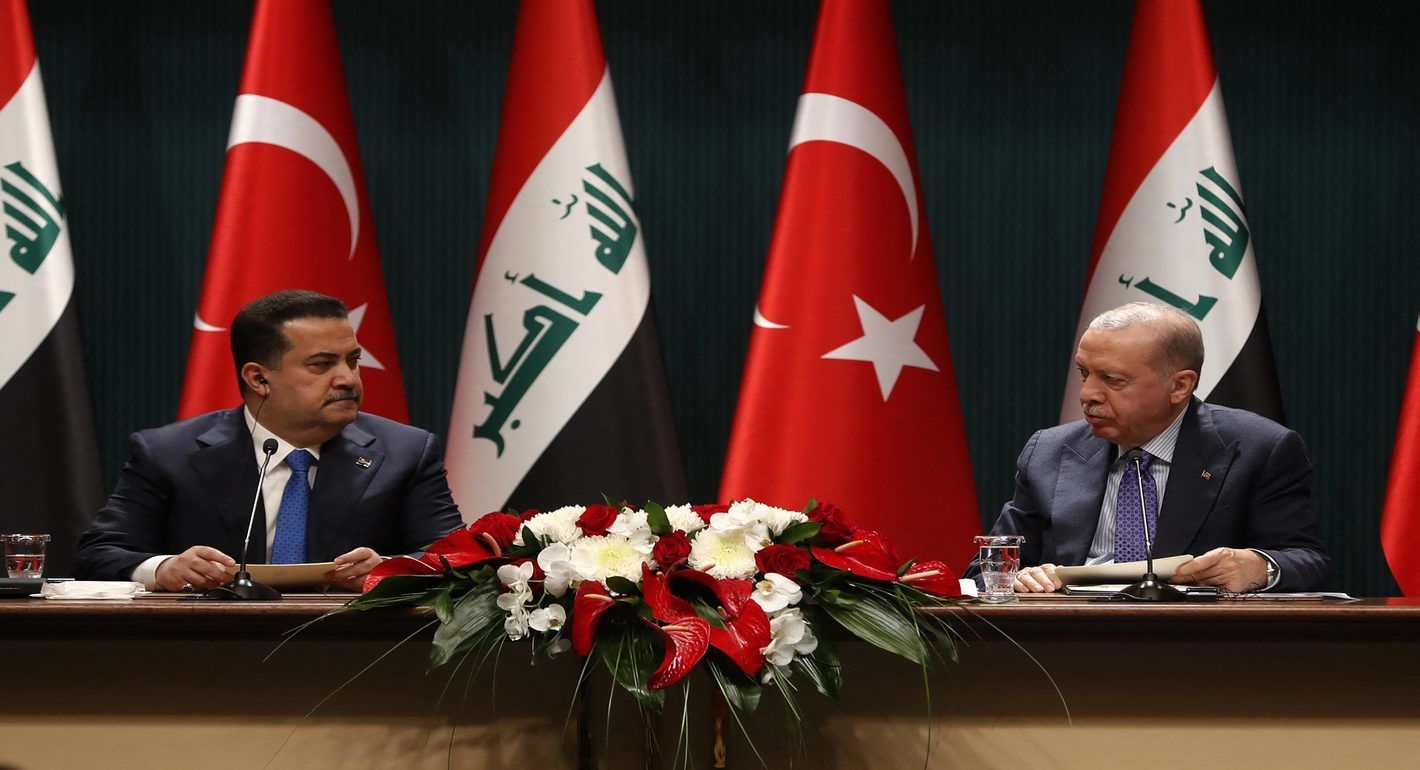
Iraq’s foreign policy is being shaped by its own internal battles—fractured elites, competing militias, and a state struggling to speak with one voice. The article asks: How do these divisions affect Iraq’s ability to balance between the U.S. and Iran? Can Baghdad use its “good neighbor” approach to reduce regional tensions? And what will it take for Iraq to turn regional investments into real stability at home? It explores potential solutions, including strengthening state institutions, curbing rogue militias, improving governance, and using regional partnerships to address core economic and security weaknesses so Iraq can finally build a unified and sustainable foreign policy.
Mike Fleet
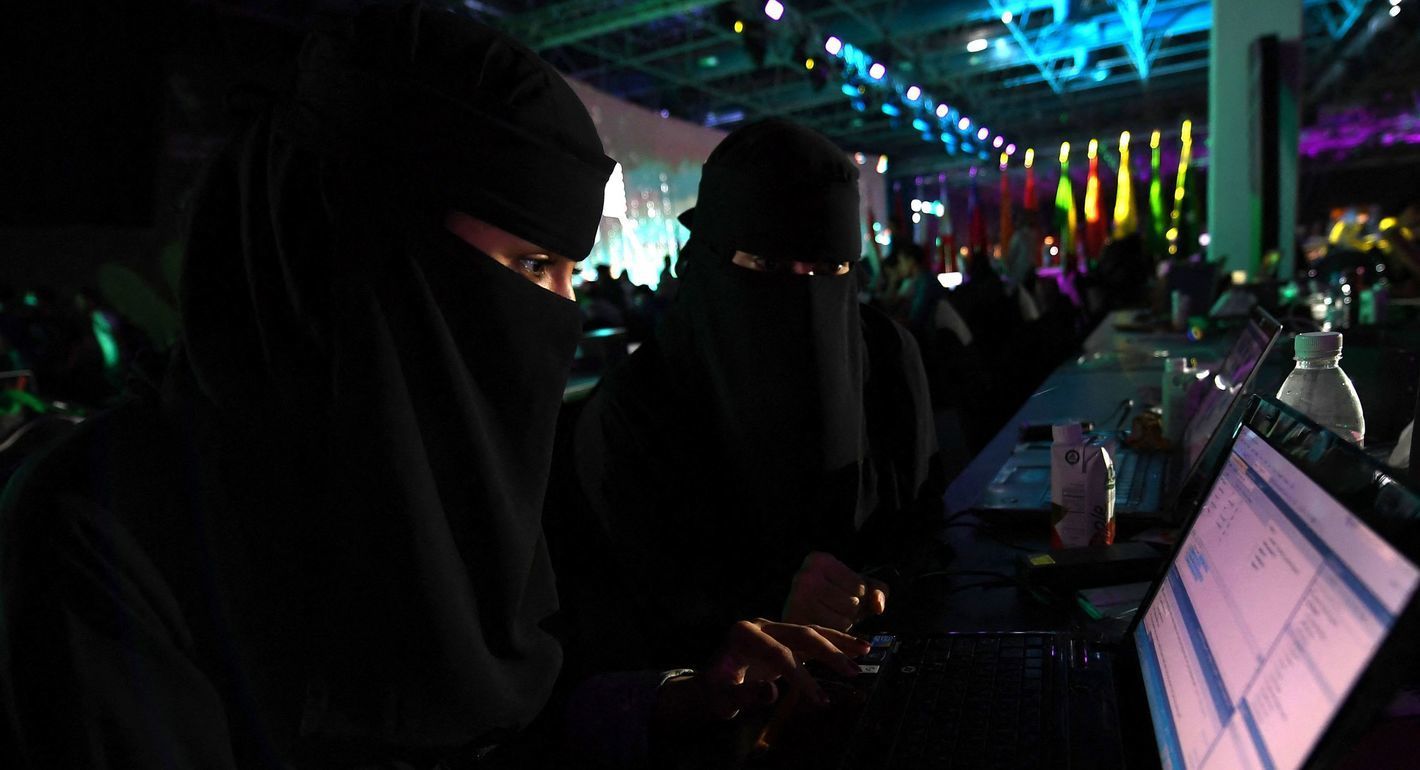
How can Saudi Arabia turn its booming e-commerce sector into a real engine of economic empowerment for women amid persistent gaps in capital access, digital training, and workplace inclusion? This piece explores the policy fixes, from data-center integration to gender-responsive regulation, that could unlock women’s full potential in the kingdom’s digital economy.
Hannan Hussain