

Commentary
Syria’s worsening drought is no longer a seasonal crisis. This report explains what climate change is doing to rainfall, groundwater, and food security, and what solutions experts say are still possible.
Milia Esper
{
  "authors": [
    "Kathleen Ridolfo"
  ],
  "type": "commentary",
  "blog": "Sada",
  "centerAffiliationAll": "",
  "centers": [
    "Carnegie Endowment for International Peace"
  ],
  "collections": [],
  "englishNewsletterAll": "",
  "nonEnglishNewsletterAll": "",
  "primaryCenter": "Carnegie Endowment for International Peace",
  "programAffiliation": "",
  "programs": [],
  "projects": [],
  "regions": [
    "Iraq",
    "Middle East"
  ],
  "topics": [
    "Political Reform"
  ]
}

REQUIRED IMAGE
After two postponements, the Iraqi National Conference finally took place in Baghdad from August 15-18. The conference, called for in the Transitional Administrative Law (Iraq's interim constitution) and originally scheduled for July, convened 1,300 delegates to select a 100-member interim national assembly.
After two postponements, the Iraqi National Conference finally took place in Baghdad from August 15-18. The conference, called for in the Transitional Administrative Law (Iraq's interim constitution) and originally scheduled for July, convened 1,300 delegates to select a 100-member interim national assembly. The assembly has the power to veto decrees issued by Prime Minister Iyad Allawi's interim government and to approve Iraq's 2005 budget. It will serve until elections for a permanent assembly are held in January.
Critics argue that the conference, billed as Iraq's first democratic event since the fall of Saddam Hussein's regime, was far from democratic. Some groups that oppose the U.S. presence in Iraq—such as the Muslim Scholars' Association, an influential Sunni organization—claim that they were intentionally excluded from the conference. (Media reports, however, indicated that the Association had in fact boycotted the event). Others complained of confusion, fraud, violence and bias in the delegate selection process. Although the delegates chosen had diverse political and religious affiliations, most were members of, or had long-standing ties to, parties that controlled the former U.S.-appointed Iraqi Governing Council (IGC).
The organizational disarray that marked the delegate selection process plagued the conference itself. The opening session quickly descended into chaos when delegates objected to the conference organizers' decision to allocate seats to the nineteen IGC members who were not chosen as ministers in Allawi's government. Fuad Masum, chairman of the preparatory committee and a member of the Kurdistan Democratic Party (KDP), faced harsh criticism when delegates also opposed his decision to have delegates vote for 81-member slates, rather than for individual candidates as originally planned. Shiite religious groups demanded 51 percent of the assembly seats for their members. By the third day, hundreds of delegates were threatening to walk out in protest against the conference organizers.
Surely, it was not easy to compose lists of candidates that met the stringent requirements that each list had to include twenty women and a certain number of Arabs, Islamists, Kurds, and minority parties. As a result, only two lists were submitted. The first was the Democratic Forum list, comprised of representatives from smaller political parties, such as the Shiite Islamic Action Organization, which has ties to radical cleric Moqtada Al Sadr, as well as tribal chiefs, civil society activists, minorities, and well-known independent personalities. The second was the National Unity list, dominated by the major political parties, primarily exiled opposition groups that controlled the IGC. These include the Iraqi National Congress (INC), the Shiite Dawa party, the Supreme Council for the Islamic Revolution in Iraq (SCIRI), Allawi's Iraqi National Accord (INA), the KDP, and the Patriotic Union of Kurdistan (PUK). The list also included tribal leaders and members of Kurdish communist and socialist groupings, Turkoman nationalist and Islamist parties, and Arab nationalist parties. Neither list included any of the large Sunni Arab groups, since they did not participate in the conference.
The conference was extended to a fourth day to accommodate protracted list negotiations and to allow a team of delegates to travel to Najaf to mediate the conflict between Al Sadr's militia and Iraqi and U.S. forces. When it came time to vote, groups affiliated with the Democratic Forum claimed they were sabotaged because some three dozen Democratic Forum candidates suddenly withdrew their names from that list, and several moved to the National Unity list. Since the Democratic Forum did not have time before the vote to fill the missing slots with candidates who met the strict quotas, it withdrew its list. With only the National Unity list remaining, conference organizers bypassed a vote by ballot and opted instead for a show of hands. By the time voting got underway, many delegates had already left the auditorium, and so the National Unity list was never put to a formal vote.
In response to complaints that the conference failed to adhere to democratic procedures, organizers deny that it was ever intended to be fully democratic. In their view, it seems, the priority was to produce an assembly that would support Allawi's policies, or at least not undermine them, in which case, the gathering achieved its goal. Twenty percent of the assembly's members are Allawi's former colleagues on the IGC; others represent crucial constituencies, such as Shiites, who have close ties to Allawi, and the Turkomans, who dominate the oil-rich city of Kirkuk. Both groups represent a critical support base for Allawi in the run-up to the January elections.
The conference not only demonstrated the dominance of Iraq's former exile parties in the political scene, but also gave Iraq's smaller parties and independent politicians a sobering glimpse of the strong competition they will face in the January elections. The parties on the National Unity list were well funded and well organized, and engaged in months of intense lobbying to produce a diverse slate. Now, many are likely to use their positions in the assembly to influence electoral preparations and to bolster their own candidacies.
Kathleen Ridolfo is the Iraq analyst for Radio Free Europe/Radio Liberty (RFE/RL), based in Prague, Czech Republic.
Kathleen Ridolfo
Carnegie does not take institutional positions on public policy issues; the views represented herein are those of the author(s) and do not necessarily reflect the views of Carnegie, its staff, or its trustees.
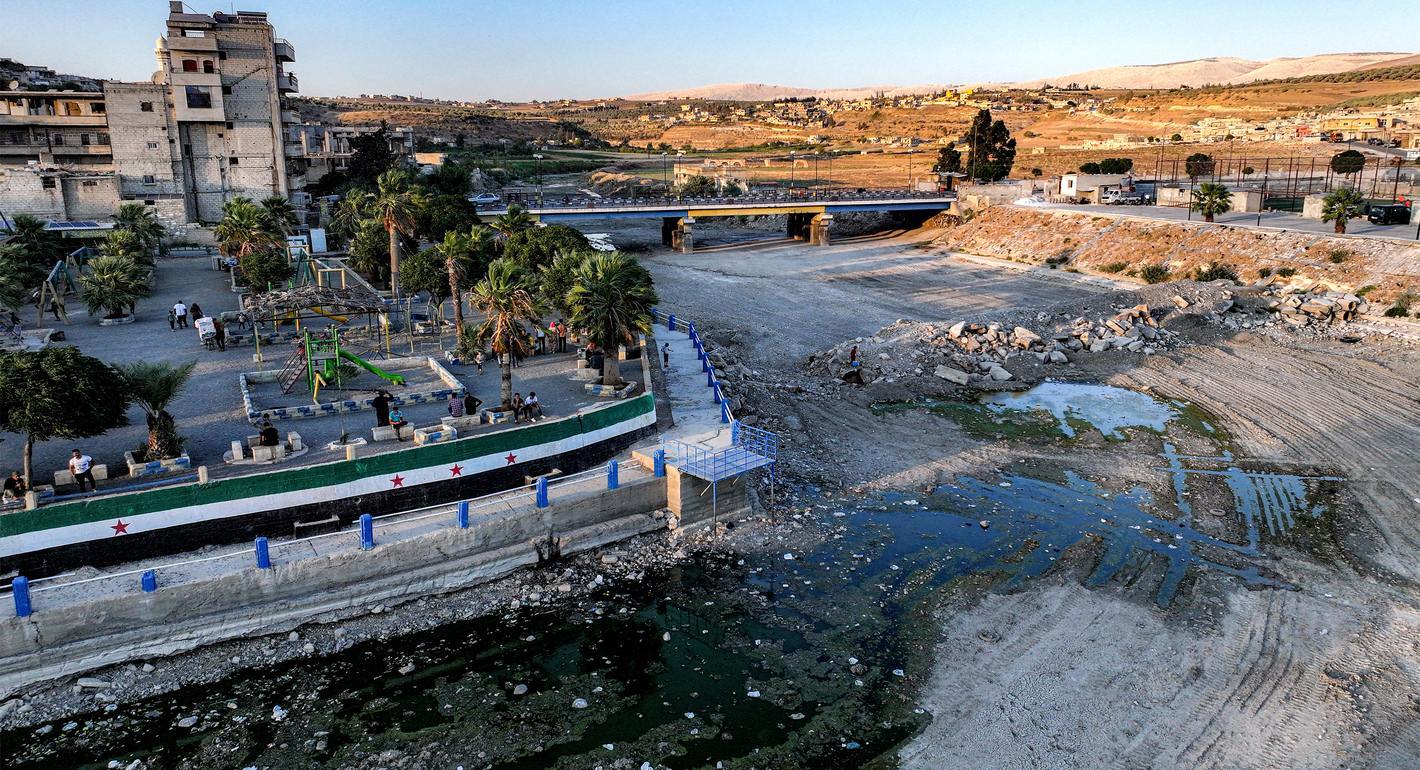
Syria’s worsening drought is no longer a seasonal crisis. This report explains what climate change is doing to rainfall, groundwater, and food security, and what solutions experts say are still possible.
Milia Esper
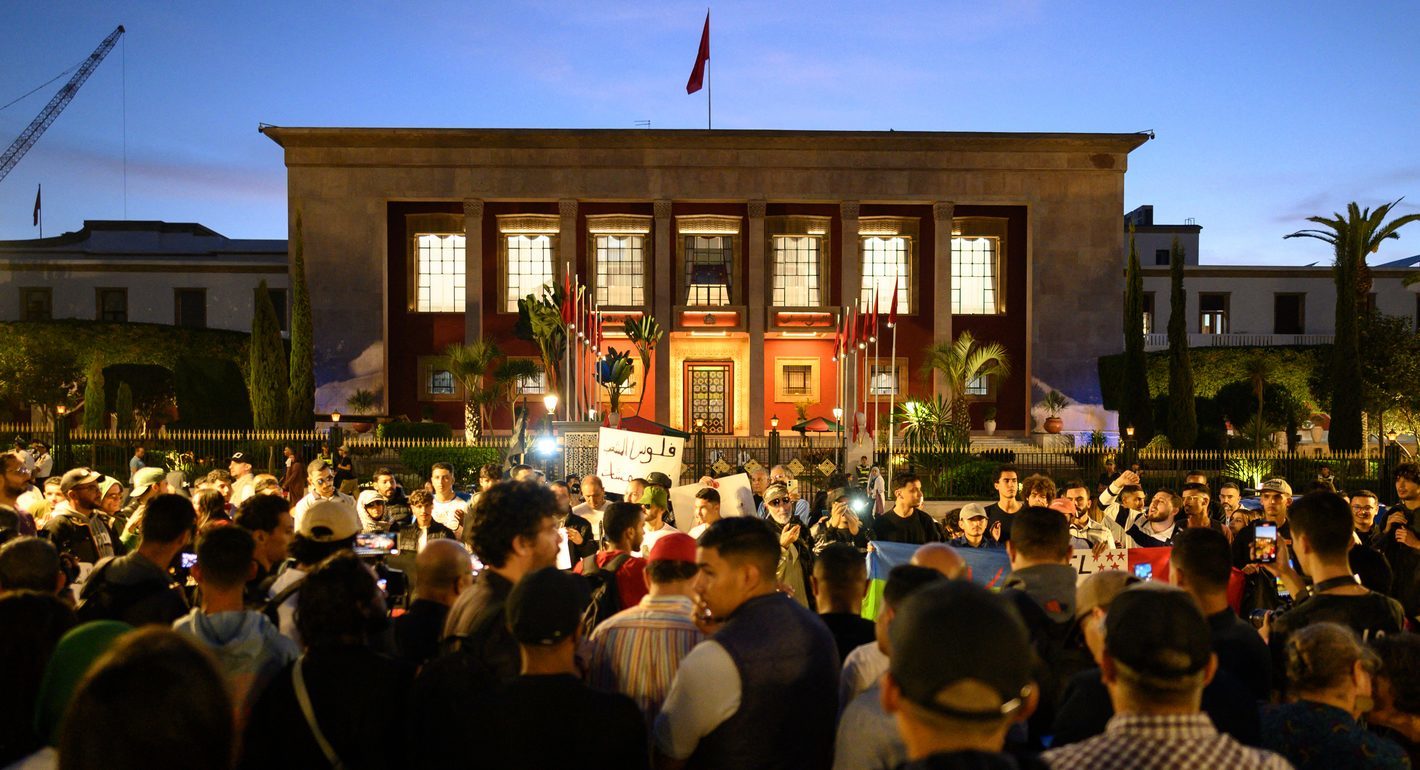
From anime heroes to online gaming communities, Morocco’s Gen Z is building a new protest culture. What does this digital imagination reveal about youth politics, and how should institutions respond?
Abdelilah Farah
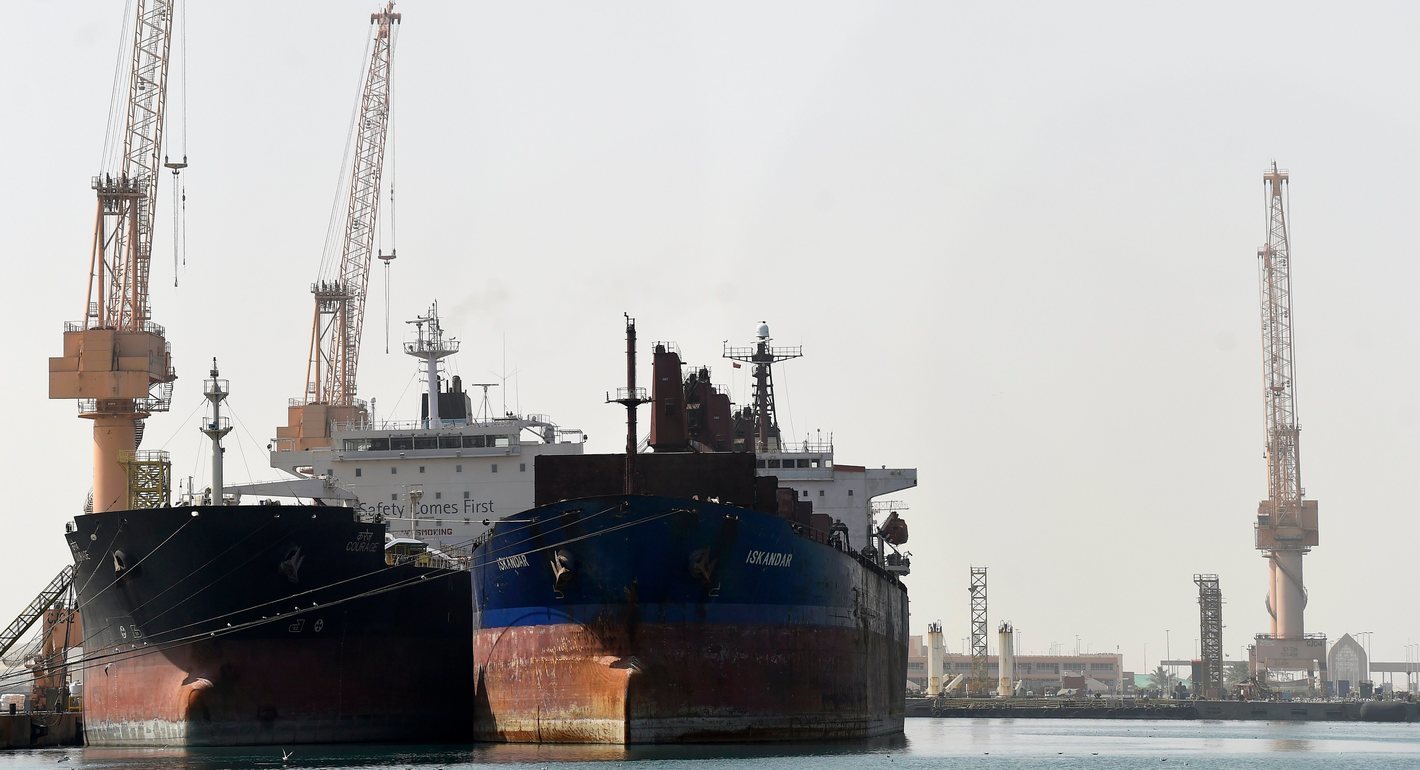
In a volatile Middle East, the Omani port of Duqm offers stability, neutrality, and opportunity. Could this hidden port become the ultimate safe harbor for global trade?
Giorgio Cafiero, Samuel Ramani
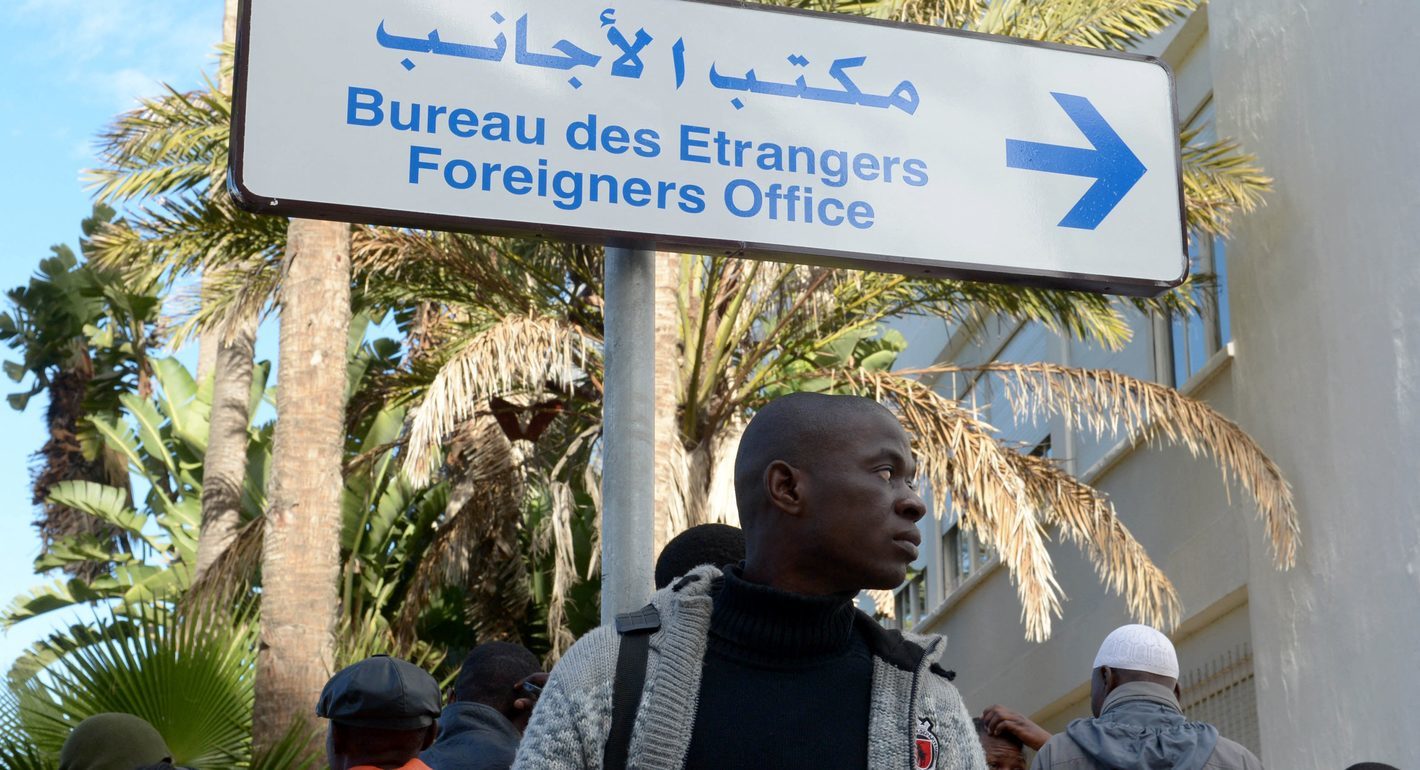
Is Morocco’s migration policy protecting Sub-Saharan African migrants or managing them for political and security ends? This article unpacks the gaps, the risks, and the paths toward real rights-based integration.
Soufiane Elgoumri
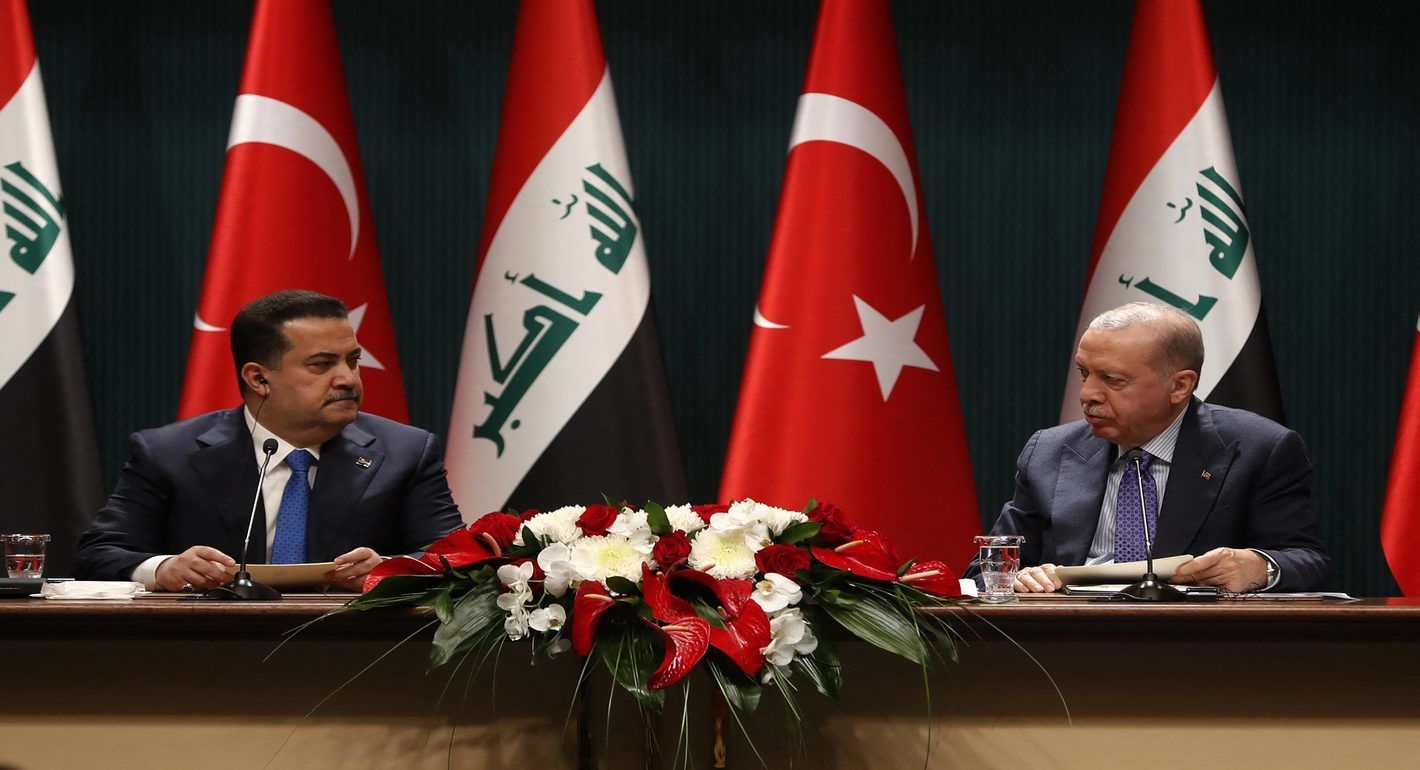
Iraq’s foreign policy is being shaped by its own internal battles—fractured elites, competing militias, and a state struggling to speak with one voice. The article asks: How do these divisions affect Iraq’s ability to balance between the U.S. and Iran? Can Baghdad use its “good neighbor” approach to reduce regional tensions? And what will it take for Iraq to turn regional investments into real stability at home? It explores potential solutions, including strengthening state institutions, curbing rogue militias, improving governance, and using regional partnerships to address core economic and security weaknesses so Iraq can finally build a unified and sustainable foreign policy.
Mike Fleet