• Research
  • Emissary
  • About
  • Experts
Carnegie Global logoCarnegie lettermark logo
DemocracyIran
  • Donate
{
  "authors": [
    "Azza Galal Hashim"
  ],
  "type": "commentary",
  "blog": "Sada",
  "centerAffiliationAll": "",
  "centers": [
    "Carnegie Endowment for International Peace"
  ],
  "collections": [],
  "englishNewsletterAll": "",
  "nonEnglishNewsletterAll": "",
  "primaryCenter": "Carnegie Endowment for International Peace",
  "programAffiliation": "",
  "programs": [],
  "projects": [],
  "regions": [
    "North Africa",
    "Mauritania"
  ],
  "topics": [
    "Political Reform"
  ]
}
Attribution logo
REQUIRED IMAGE

REQUIRED IMAGE

Commentary
Sada

Beyond the Mauritanian Presidential Election

In his first post-victory press conference Mauritanian President-elect Sidi Ould Sheikh Abdullahi called for a broadly inclusive national unity government. He will indeed need a great deal of support to face Mauritania's many political and economic challenges.

Link Copied
By Azza Galal Hashim
Published on Aug 19, 2008
Sada

Blog

Sada

Sada is an online journal rooted in Carnegie’s Middle East Program that seeks to foster and enrich debate about key political, economic, and social issues in the Arab world and provides a venue for new and established voices to deliver reflective analysis on these issues.

Learn More

In his first post-victory press conference Mauritanian President-elect Sidi Ould Sheikh Abdullahi called for a broadly inclusive national unity government. He will indeed need a great deal of support to face Mauritania's many political and economic challenges.

The Mauritanian elections, concluding in Abdullahi's second round victory on March 25, took on exceptional importance as the final step in the transitional phase the country has been in since the August 2005 overthrow of Ould Taya, who had held power since 1984. This transition included a new constitution issued in July 2006 that imposed a limit of two five-year terms for the president.

The resulting presidential election was distinguished by heated competition between ideologically distinct political forces as well as many independents, revealing the richness of the Mauritanian political arena. The elections also laid bare the division between two major camps nearly evenly dividing the political sphere. The first is that of the former regime, which supported President-elect Abdullahi, and the second consists of the former opposition forces, which stood behind the runner-up Ahmed Ould Dadah, an economist and brother of a former president. The first round's electoral results failed to give any of the nineteen candidates a winning majority, while the second round showdown between Abdullahi and Ahmed Ould Dadah ended with Abdullahi winning with 53 percent of the vote. Curiously, women did not play as prominent a role in the elections as they do in normal Mauritanian political life; two parties are headed by women and there are three female ministers in the current government.

Perhaps most encouraging was the high voter turnout: nearly 71 percent in the first round and 66 percent in the second, reflecting Mauritanians' confidence in the electoral process. Mauritanian and European observers gave the elections high marks for fairness. The African Union, which had suspended Mauritania's membership after the 2005 coup, readmitted the country on April 12.

Although the election was the final stage in the transition from coup to democracy, challenges abound to consolidating the election's success. The most urgent of these is building a national consensus on the priorities of the upcoming period. Mauritania has long suffered from internal division, and the current climate of political liberalization could bring unproductive political chaos. There is also the challenge of rebuilding Mauritanian society by the standards of a modern state, as it is still ruled by tribalism, provincialism, and patronage. The army's political role will remain an essential issue; although the army handed over power to civilians, there will still be questions over how meaningful the handover is, and whether the army will stay on the sidelines or intervene once again. Above all, Mauritania faces staggering economic challenges; recent statistics suggest that more than two-thirds of the population live in poverty.

Also looming over the Mauritanian experiment are fears about the newly-elected leadership. Undoubtedly the most important concern is that Taya's regime could return to power via democratic practices—meaning not so much the return of individuals from the former regime, but rather its practices, such as poor governance and financial corruption. Such fears are legitimate, given that Abdullahi attained power with support from a pro-Taya coalition. But for now, the new president begins his term with a surge of local and international good will.

Azza Galal Hashim is an Egyptian scholar. This article was translated from Arabic by Paul Wulfsberg.

About the Author

Azza Galal Hashim

Azza Galal Hashim
Political ReformNorth AfricaMauritania

Carnegie does not take institutional positions on public policy issues; the views represented herein are those of the author(s) and do not necessarily reflect the views of Carnegie, its staff, or its trustees.

More Work from Sada

  • Commentary
    Sada
    A War Fueled by Hate Speech: Sudan’s Fall into Fragmentation

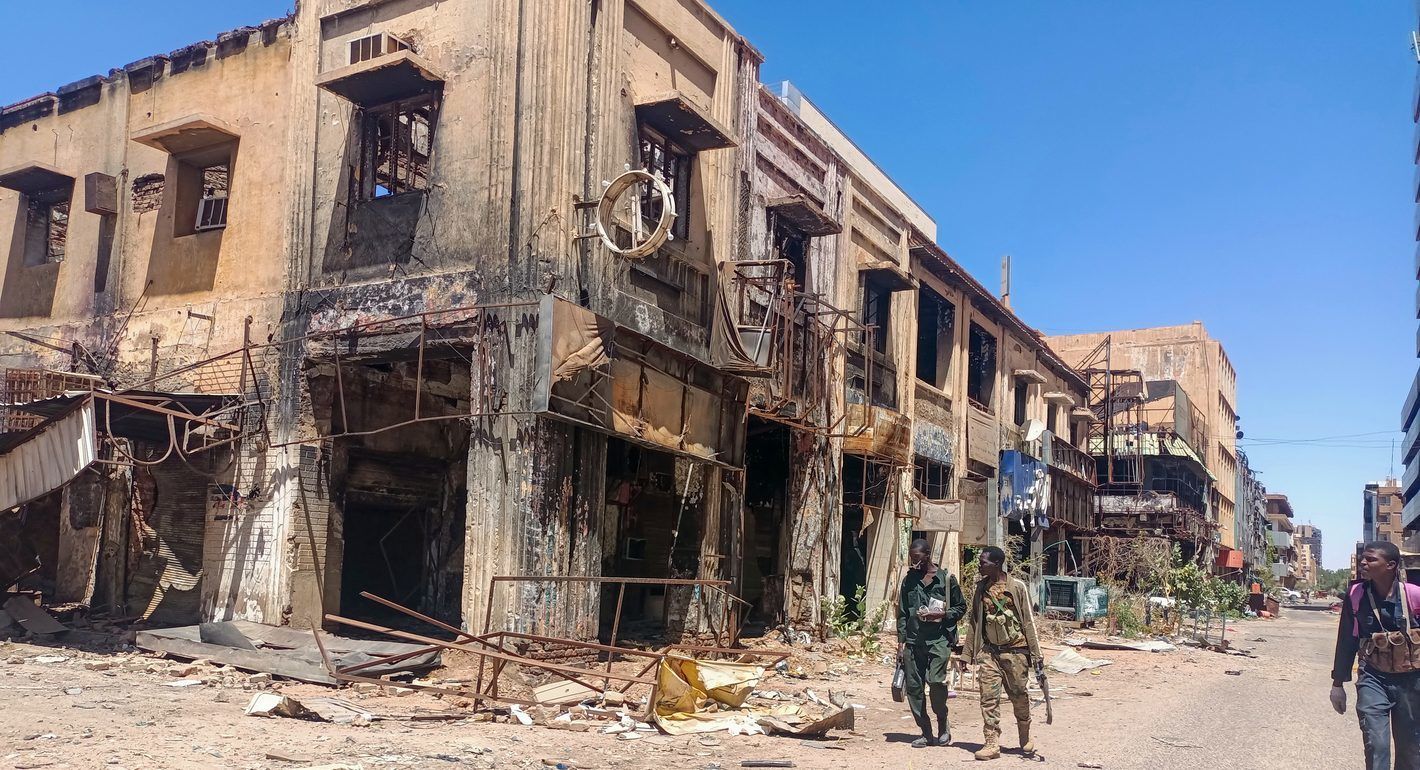
    Hate speech has spread across Sudan and become a key factor in worsening the war between the army and the Rapid Support Forces. The article provides expert analysis and historical background to show how hateful rhetoric has fueled violence, justified atrocities, and weakened national unity, while also suggesting ways to counter it through justice, education, and promoting a culture of peace.

      Samar Sulaiman

  • Commentary
    Sada
    Kuwait’s Bureaucracy at a Crossroads: Why Government Innovation Stalls and How Analytics Can Reignite Reform

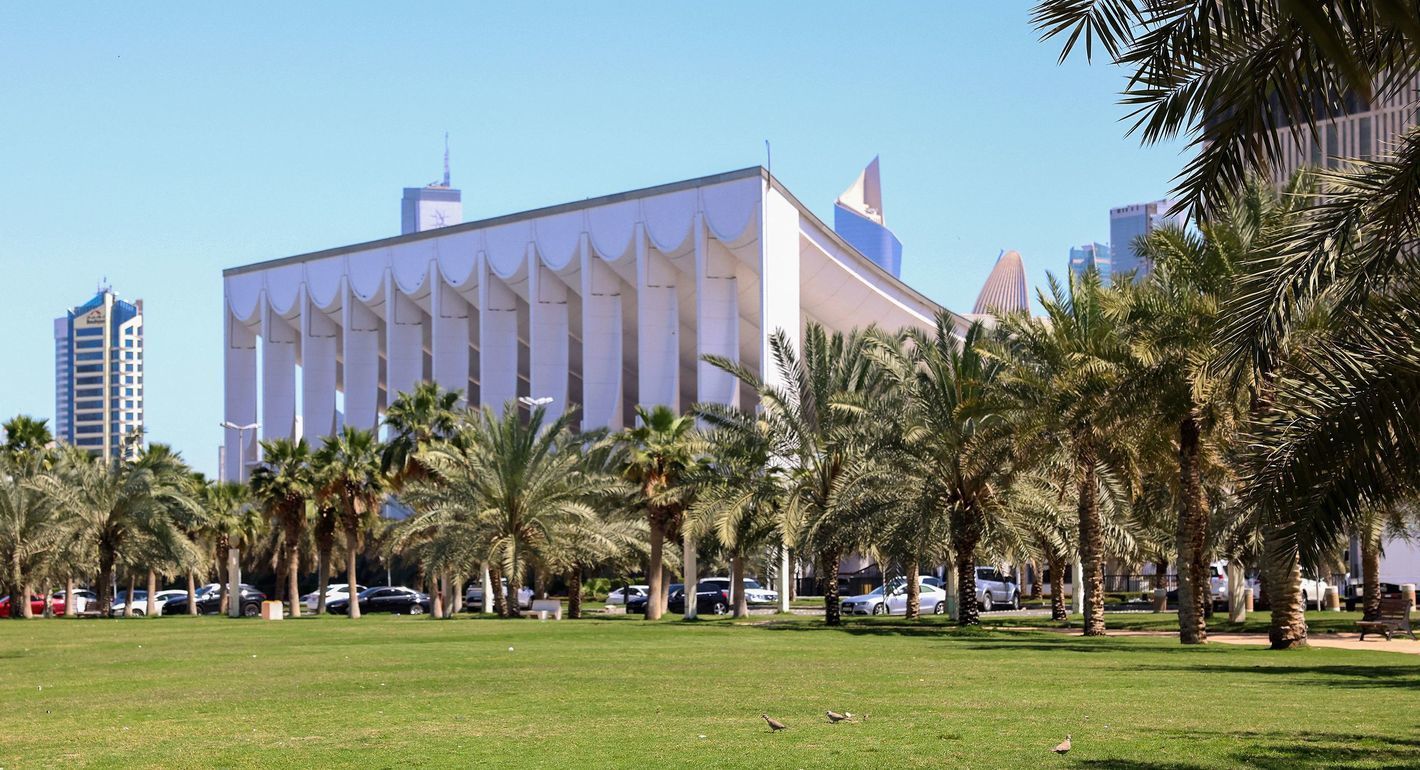
    Kuwait’s government has repeatedly launched ambitious reforms under Kuwait Vision 2035, yet bureaucratic inefficiency, siloed institutions, and weak feedback mechanisms continue to stall progress. Adopting government analytics—real-time monitoring and evidence-based decision-making—can transform reform from repetitive announcements into measurable outcomes.

      Dalal A. Marafie

  • Commentary
    Sada
    Sana'a: The Crisis of Chaotic Street Naming and Absent Urban Planning

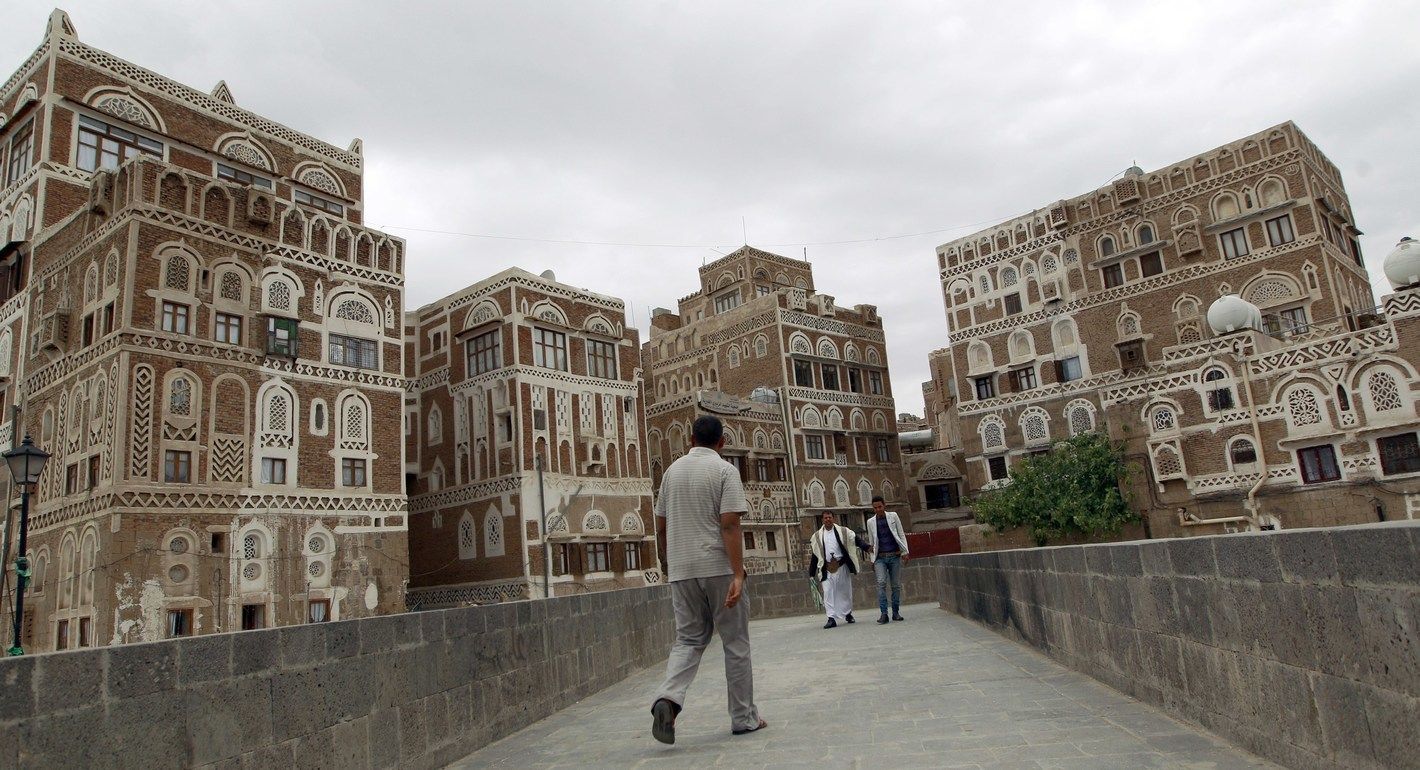
    The chaos of street naming in Sana’a reflects the deep weakness of the Yemeni state and its failure to establish a unified urban identity, leaving residents to rely on informal, oral naming systems rooted in collective memory. This urban disorder is not merely a logistical problem but a symbolic struggle between state authority and local community identity.

      Sarah Al-Kbat

  • Commentary
    Sada
    The Political Economy of Social Data: Opportunities and Risks of Digitizing Morocco’s Social Targeting System

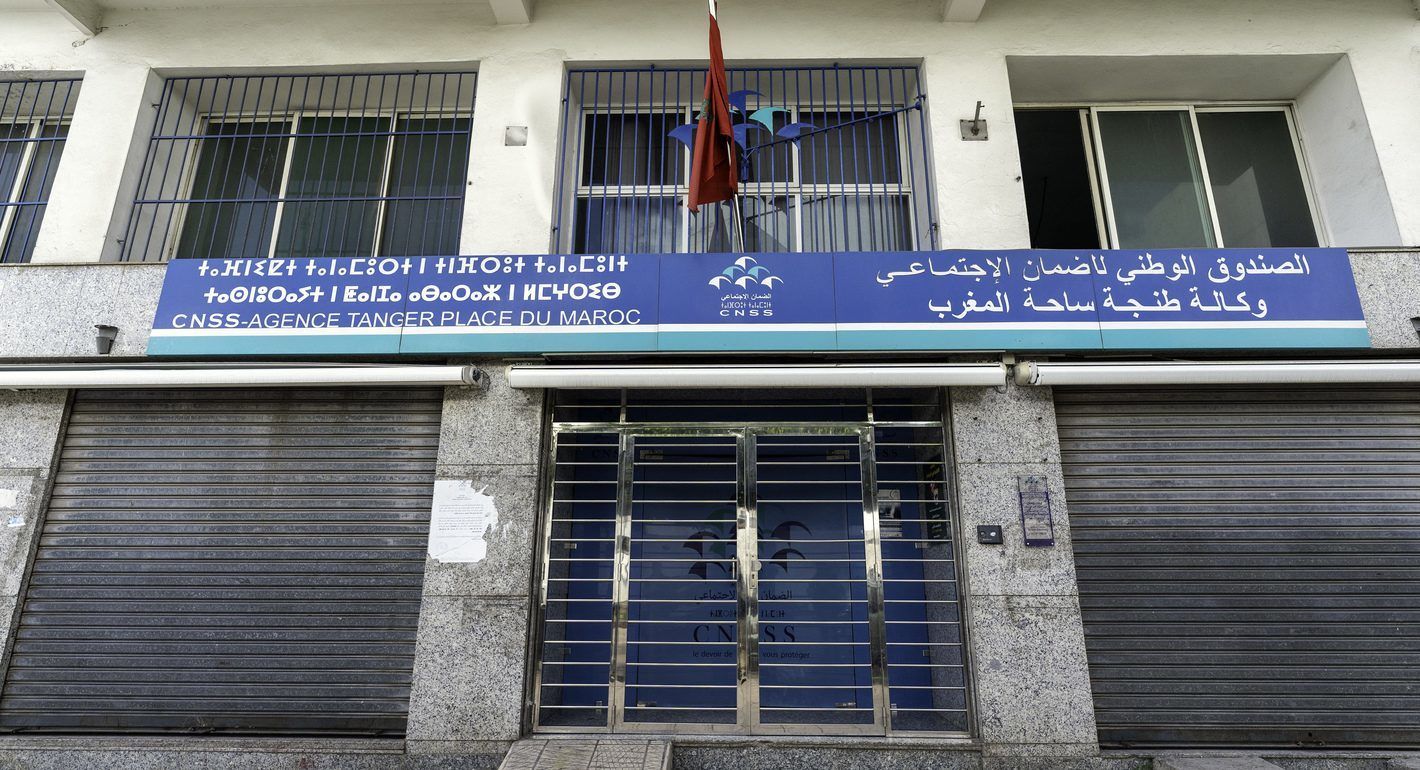
    While Morocco’s shift to a digitized social targeting system improves efficiency and coordination in social programs, it also poses risks of exclusion and reinforces austerity policies. The new system uses algorithms based on socioeconomic data to determine eligibility for benefits like cash transfers and health insurance. However, due to technical flaws, digital inequality, and rigid criteria, many vulnerable families are unfairly excluded.

      Abderrafie Zaanoun

  • Commentary
    Sada
    Saudi Arabia's Cautious Approach to the Syrian Kurds: Balancing Stability and Geopolitical Interests

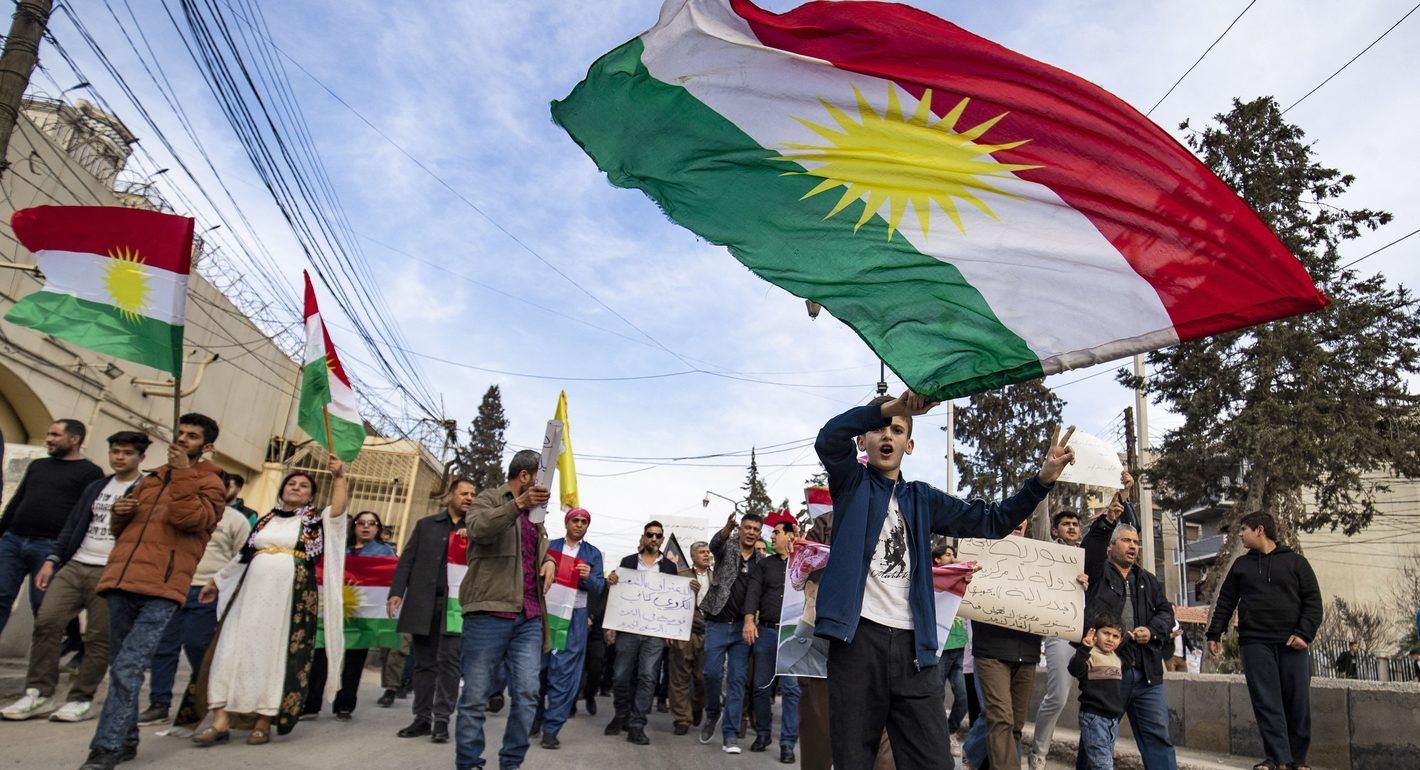
    Saudi Arabia’s cautious stance on the Syrian Kurds reflects a delicate balance between leveraging Kurdish autonomy to counter Iran’s influence and managing the risks of destabilizing Syria’s territorial integrity. While Saudi Arabia seeks to safeguard its interests in the region, it remains wary of the potential internal and external consequences of supporting Kurdish autonomy.

      Mohammad Salami

Get more news and analysis from
Carnegie Endowment for International Peace
Carnegie global logo, stacked
1779 Massachusetts Avenue NWWashington, DC, 20036-2103Phone: 202 483 7600Fax: 202 483 1840
  • Research
  • Emissary
  • About
  • Experts
  • Donate
  • Programs
  • Events
  • Blogs
  • Podcasts
  • Contact
  • Annual Reports
  • Careers
  • Privacy
  • For Media
  • Government Resources
Get more news and analysis from
Carnegie Endowment for International Peace
© 2026 Carnegie Endowment for International Peace. All rights reserved.