Political reform in Syria is not on. Last year's promises of a “great leap forward”—a rewritten emergency law, citizenship for stateless Kurds, and a new political party law before local elections in 2007—have been shelved. President Bashar Al Assad stated in a recent television interview that, given the situation in Iraq and Syria's mounting battle with the West, security would come first. That warning was the opening shot in a sweeping crackdown on opposition and human rights leaders, the most intense since the Damascus Spring leaders were imprisoned in 2001.
The Syrian regime insists it must clear the decks of potential fifth columnists as it prepares for a showdown with the Bush administration over Lebanon and the war on terrorism. June is a pivotal month. The new UN investigation into Rafiq Al Hariri's murder is expected to indict Syrian leaders; the question is whether the investigators have amassed enough evidence to move the Security Council to impose sanctions or initiate an international trial.
In addition to the threat from the West, the growing unity and tactical dexterity of the Syrian opposition worries the regime. Over the last year, not only has the internal opposition united and joined ranks with expatriates—read Muslim Brothers—in the promulgation of the “Damascus Declaration,” but former Vice President Abdel Halim Khaddam (a Sunni Baathist) has come on board in an effort to split regime loyalists. The intended message to Syrians is: “this is not Iraq ; we will not hunt Baathists. We are pluralistic, moderate, and non-sectarian; the regime is Alawite, extremist, and sectarian.” The newly formed National Salvation Front met in London June 4-5 to agree on “an executive plan for the liberation and democratization of Syria.”
Among the challenges identified at the London meeting is accelerating opposition efforts to build bridges to the Lebanese Cedar Revolution. Syrian oppositionists recently signed a joint declaration with Lebanese activists in support of UN resolution 1680 (calling on Damascus to resolve border controversies with Beirut, establish a permanent diplomatic relationship, and control the movement of arms into Lebanon), an initiative that became the pretext for the recent regime crackdown. Lebanese Druze leader Walid Jumblat has met with Khaddam on several occasions and hosted a Muslim Brother delegation at his palace in Mukhtara in May. The next step would be for Future Movement leader Saad Hariri to champion the Syria opposition cause in Paris, Riyadh, and Washington, which would up the ante significantly.
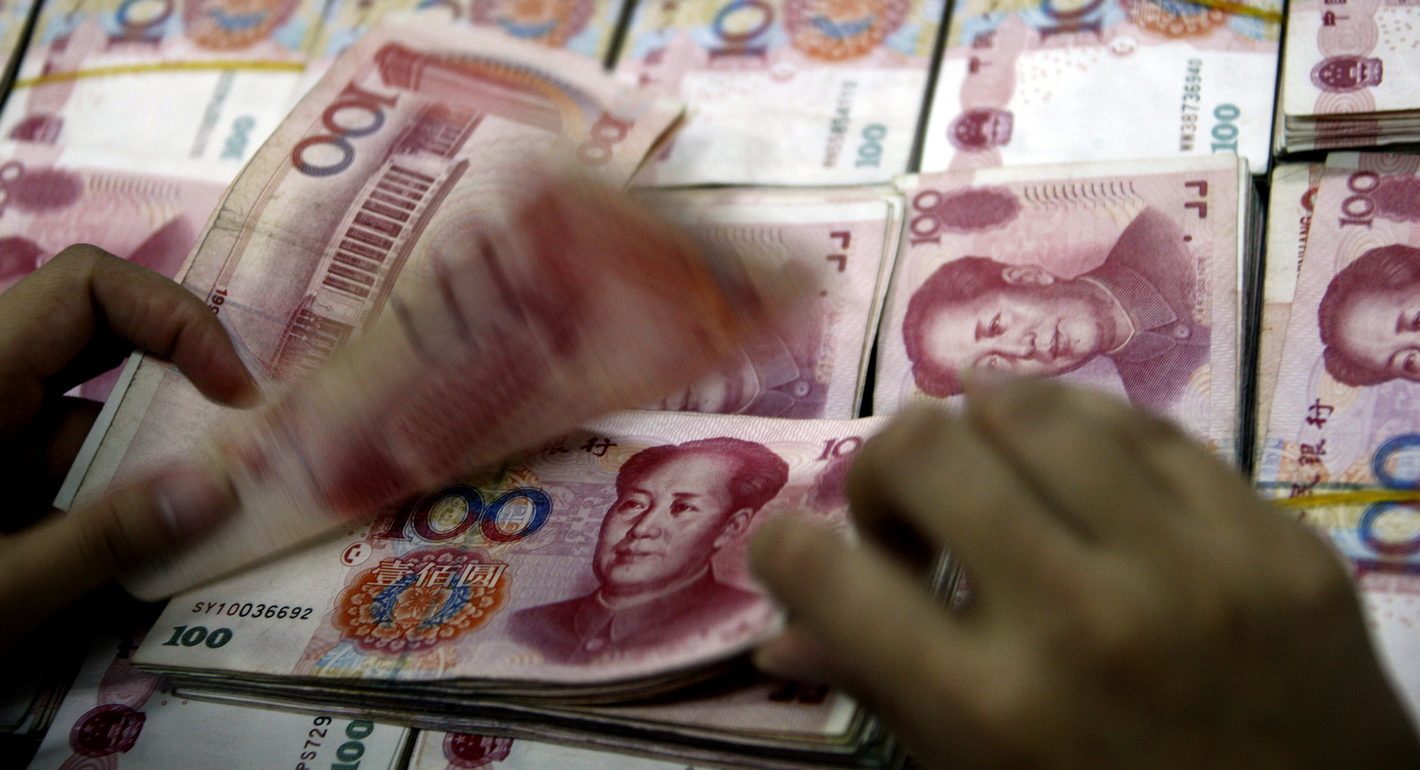
If Syria's battle with the West has justified postponing political liberalization, it has hastened an economic opening. Washington's efforts to crash the Syrian economy and choke off its access to foreign finance have concentrated the mind of the regime. Last fall, when the Syrian currency lost 20 percent of its value overnight due to Western pressure, Deputy Prime Minister Abdullah Dardari insisted to a number of associates that he would “[expletive] the black-market profiteers.” It is this lusty spirit of combat that has enabled regime reformers to drive forward the overhaul of Syria's financial sector, which is now considered a matter of survival.
Private banks have proliferated, and are growing rapidly although they have yet to capture a majority share of the market. Central Bank Director Adib Mayaleh said recently that the foreign ownership ceiling on private banks would be raised from 49 to 60-70 percent soon. Private currency trading has been legalized to eliminate the black market, and the Syrian lira has regained the value it lost last year. The finance ministry is also on its way to introducing treasury bills and issuing public debt, which will transform the government's ability to increase investment and plan budgets, a major step in modernizing the economy. So far, efforts by the United States and France to press private banks to cease underwriting lines of credit to Syria have had uneven results and failed to trump Syria's economic liberalization.
Still, economic liberalization has its limits, as Al Assad has not found the wherewithal to cut through the corruption, layers of socialist legislation, and cronyism needed to carry out real structural reform. Also, Al Assad's initial hope that rapid trade growth would lead Syria out of its economic doldrums has been disappointed. The U.S. closure of the Iraq market in 2003, followed by the expulsion of Syria from Lebanon in 2005, dealt Al Assad's plans a heavy blow, from which Syria has only partially recovered by reorienting its trade east to Russia, India, and China and sucking in some of the petrodollars washing through the Gulf.
Whether the Syrian regime can liberalize its economy, outmaneuver western sanctions, and preserve its power base is an open question. In the face of increasing Western and opposition pressure, high GDP growth and banner figures for foreign investment have become critical weapons for regime survival.
Joshua Landis, who spent 2005 as a Senior Fulbright Researcher in Damascus, is assistant professor of Middle East Studies at the University of Oklahoma and author of SyriaComment.com. His book, Democracy in Syria, will come out next year.