

Commentary
From anime heroes to online gaming communities, Morocco’s Gen Z is building a new protest culture. What does this digital imagination reveal about youth politics, and how should institutions respond?
Abdelilah Farah
{
  "authors": [
    "Mariz Tadros"
  ],
  "type": "commentary",
  "blog": "Sada",
  "centerAffiliationAll": "",
  "centers": [
    "Carnegie Endowment for International Peace"
  ],
  "collections": [],
  "englishNewsletterAll": "",
  "nonEnglishNewsletterAll": "",
  "primaryCenter": "Carnegie Endowment for International Peace",
  "programAffiliation": "",
  "programs": [],
  "projects": [],
  "regions": [
    "Middle East",
    "Egypt",
    "North Africa"
  ],
  "topics": []
}

REQUIRED IMAGE
There are signs that Egyptians are challenging the political inertia that has gripped the country for so long. Workers are protesting poor wages and potential lay-offs, the Muslim Brotherhood is campaigning despite government crackdowns, university students are protesting frequently, and even property tax collectors are camping out with their families to protest meager wages.
There are signs that Egyptians are challenging the political inertia that has gripped the country for so long. Workers are protesting poor wages and potential lay-offs, the Muslim Brotherhood is campaigning despite government crackdowns, university students are protesting frequently, and even property tax collectors are camping out with their families to protest meager wages. So where is the Egyptian women’s movement, which has historically been considered the mother of all women’s movements in the Arab world?
The lack of a unified and visible women’s movement in Egypt is not due to the lack of a need for it, or even to a lack of accomplishments. There have been advancements in women’s legal rights in recent years. Women have gained the right to khul’ (the ability to divorce unilaterally on condition of foregoing some financial rights) and to confer citizenship on their children (even if the father is not Egyptian).Family courts have cut down on the red tape that made accessing rights a nightmare in the past. In 2003, Tahany al-Gabaly was appointed to the constitutional court as Egypt’s first female judge, and in 2007 thirty women judges were appointed to various courts, allowing them for the first time to preside over civil and criminal cases.
At the same time, these legal advances are eclipsed by an edifice of economic, religious, and political obstacles. In a country where over 40 percent of the population lives on less than $2 per day (according to the World Bank), the limited work opportunities available for women whose families made financial sacrifices to educate them are now causing many poor parents to reconsider the rewards of sending their girls to school. Increasing religious conservatism also has taken its toll. While the growing role of religion has opened some avenues for participation in activities based in mosques and charities, it has also meant that women’s traditional gender roles as wife and mother are re-enforced more than ever before, for Muslim and Coptic Christian women alike. Fewer women were elected to parliament in 2005 than in earlier decades. The recent resignation of an active female MP, Shahinaz al-Naggar, after marrying a business tycoon was another blow to those who have lobbied for women’s greater political activism.
Egyptian women have not retreated from activism altogether. Women workers were the first to strike and female students have been just as active and defiant as their male counterparts. A significant proportion of the property tax workers participating in the sit-ins were women; even the Bedouin women of Sinai have risen to demand freedom for their family members incarcerated after terrorist bombings in 2004. But women have been less active on behalf of explicitly feminist causes. A protest against sexual harassment in 2006, which followed the harassment of women en masse during Eid al-Adha in downtown Cairo (many incidents captured on camera), attracted a modest number of men and women, but this was the exception rather than the rule.
Social reasons for the decline in feminist consciousness in Egypt may include general political apathy and the increasing prevalence of religious norms, but there are also more direct causes. The emergence of state feminism, manifested in a series of semi-governmental institutions such as the National Council for Women (whose offices are co-located with those of the ruling National Democratic Party in downtown Cairo) has played an important role. The National Council has co-opted previously independent women activists and positions itself as “the” representative voice for Egyptian women. It adopts an essentially apolitical approach to controversial violations of women’s rights—for example the non-enforcement of laws against doctors performing female genital mutilation—especially in situations where the government is an accomplice or perpetrator.
Another factor in the marginalization of feminist activism was the NGOization of the movement in the 1990s. As scholar Islah Jad has shown, the proliferation of women’s NGOs that depend on foreign funding has made NGOs less responsive to the needs at the grassroots level. Not all women’s NGOs are donor-driven, but in the aggregate they are influenced by the fads and inconsistencies of foreign donors. In any case, the increasing number of women’s NGOs does not reflect a thriving feminist movement.
There is also a gap between the older generation of feminists and young women in Egypt, as elsewhere. Political parties and women’s NGOs have resisted promoting young women to positions of leadership, leading some to seek alternative avenues of female activism. Through blogging, for example, young women are contesting social mores that inhibit women’s rights and questioning patriarchal and narrow interpretations of women’s rights, whether in government, the opposition Muslim Brotherhood movement, or the Coptic Orthodox Church.
The pressing question is whether the many forms of women’s activism will eventually coalesce into a movement. Diversity is certainly healthy, but without some sort of unity women activists’ efforts will be too scattered to effect change.
Mariz Tadros is an Assistant Professor of Political Science at the American University in Cairo.
Mariz Tadros
Carnegie does not take institutional positions on public policy issues; the views represented herein are those of the author(s) and do not necessarily reflect the views of Carnegie, its staff, or its trustees.
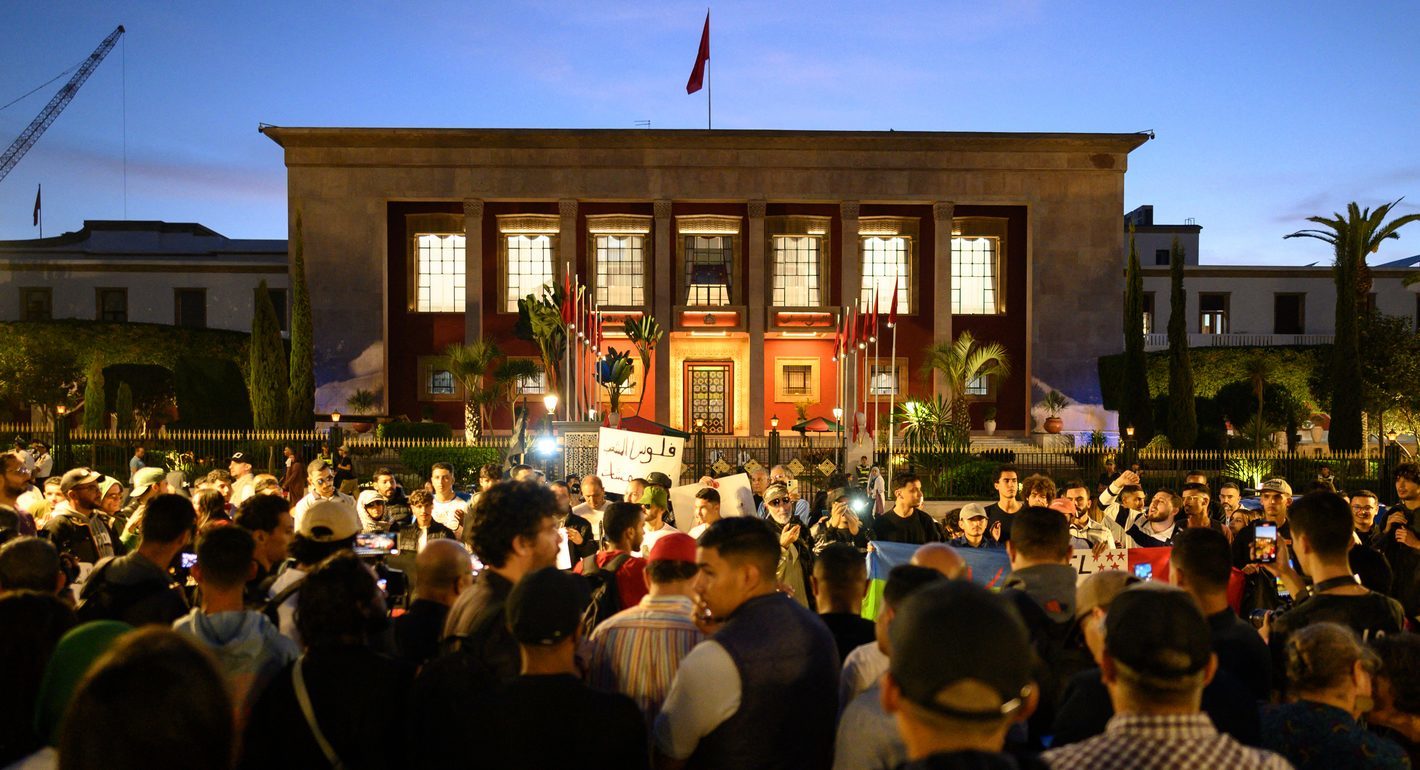
From anime heroes to online gaming communities, Morocco’s Gen Z is building a new protest culture. What does this digital imagination reveal about youth politics, and how should institutions respond?
Abdelilah Farah

In a volatile Middle East, the Omani port of Duqm offers stability, neutrality, and opportunity. Could this hidden port become the ultimate safe harbor for global trade?
Giorgio Cafiero, Samuel Ramani
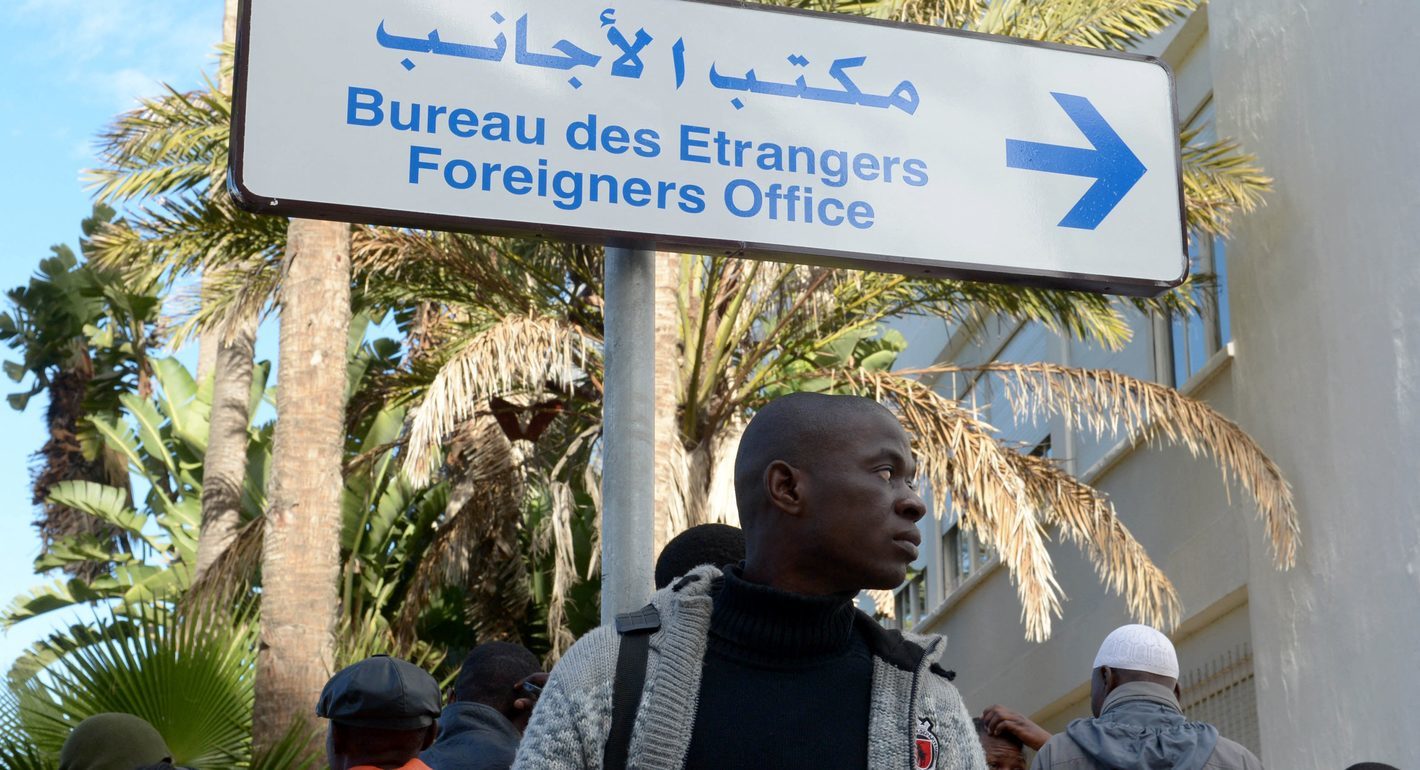
Is Morocco’s migration policy protecting Sub-Saharan African migrants or managing them for political and security ends? This article unpacks the gaps, the risks, and the paths toward real rights-based integration.
Soufiane Elgoumri
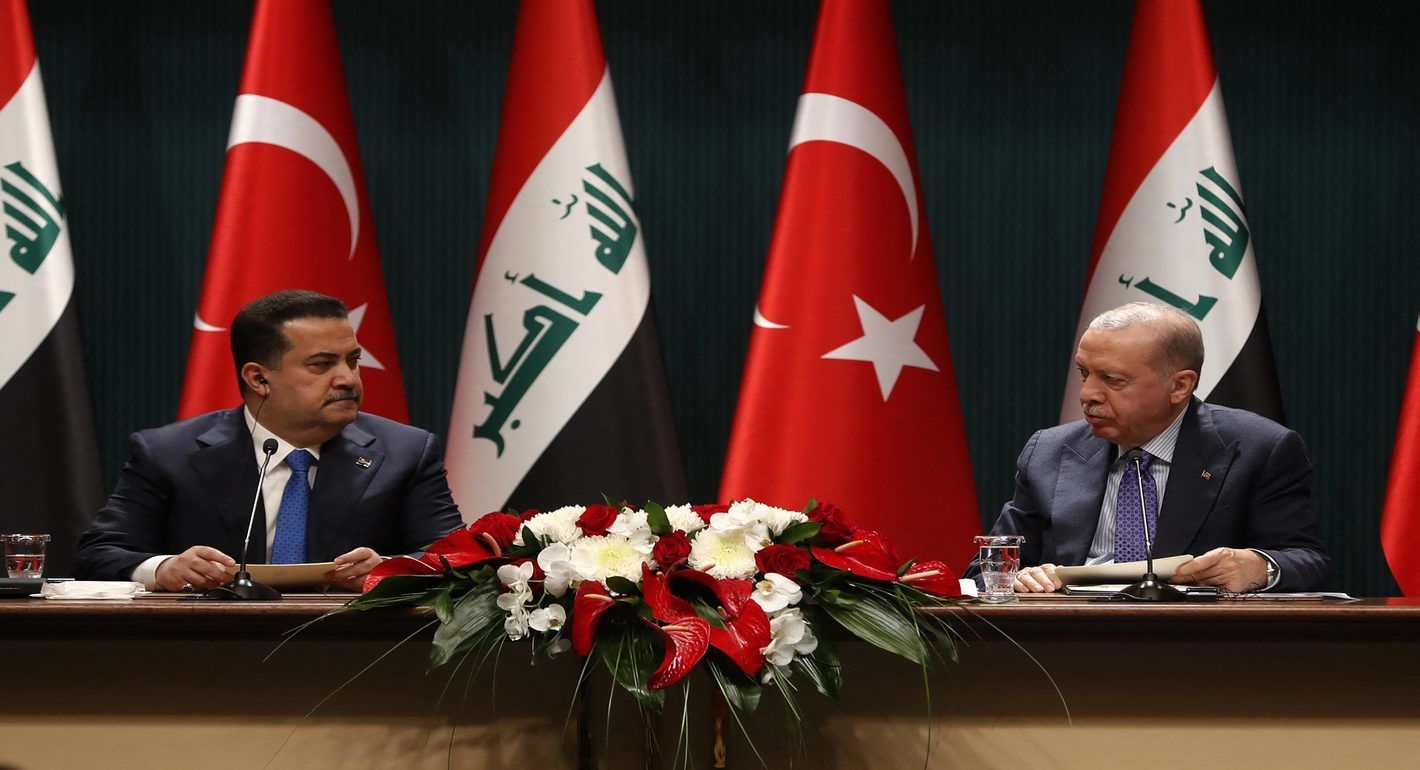
Iraq’s foreign policy is being shaped by its own internal battles—fractured elites, competing militias, and a state struggling to speak with one voice. The article asks: How do these divisions affect Iraq’s ability to balance between the U.S. and Iran? Can Baghdad use its “good neighbor” approach to reduce regional tensions? And what will it take for Iraq to turn regional investments into real stability at home? It explores potential solutions, including strengthening state institutions, curbing rogue militias, improving governance, and using regional partnerships to address core economic and security weaknesses so Iraq can finally build a unified and sustainable foreign policy.
Mike Fleet
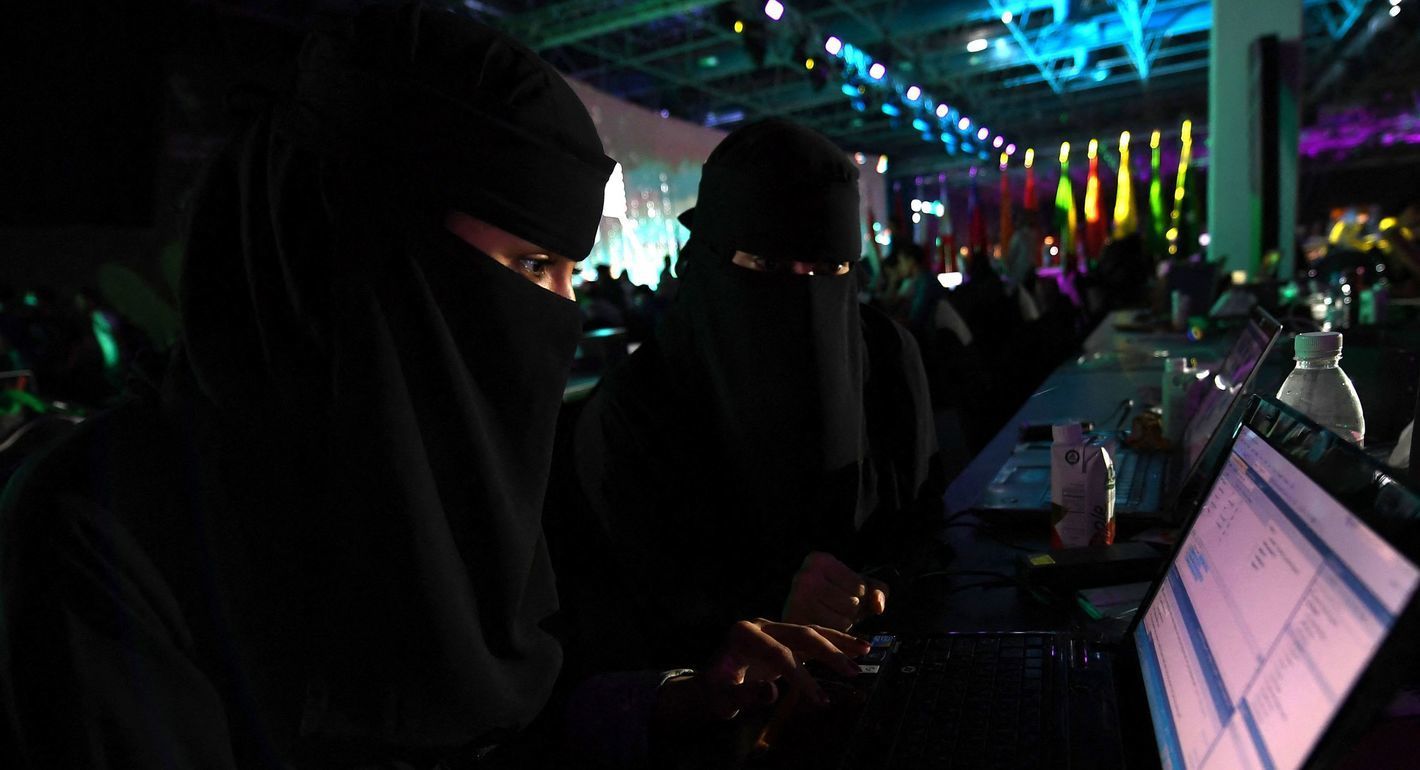
How can Saudi Arabia turn its booming e-commerce sector into a real engine of economic empowerment for women amid persistent gaps in capital access, digital training, and workplace inclusion? This piece explores the policy fixes, from data-center integration to gender-responsive regulation, that could unlock women’s full potential in the kingdom’s digital economy.
Hannan Hussain