

Other
- +4
Ilana Feldman, Frederic Wehrey, Andrew Bonney, …
{
  "authors": [
    "Muriel Asseburg"
  ],
  "type": "commentary",
  "blog": "Sada",
  "centerAffiliationAll": "",
  "centers": [
    "Carnegie Endowment for International Peace"
  ],
  "collections": [],
  "englishNewsletterAll": "",
  "nonEnglishNewsletterAll": "",
  "primaryCenter": "Carnegie Endowment for International Peace",
  "programAffiliation": "",
  "programs": [],
  "projects": [],
  "regions": [
    "Palestine",
    "Middle East"
  ],
  "topics": [
    "Political Reform"
  ]
}

REQUIRED IMAGE
The European Union approach towards the government led by the Islamic Resistance Movement (Hamas) formed in March 2006 has been one of isolation; the EU and its member states have refused dialogue, at least on an official level, and have withdrawn budget support.
The European Union approach towards the government led by the Islamic Resistance Movement (Hamas) formed in March 2006 has been one of isolation; the EU and its member states have refused dialogue, at least on an official level, and have withdrawn budget support. The EU intended to press Hamas into accepting the three conditions posed by the Quartet for continued cooperation and funding: renunciation of violence, recognition of Israel's right to exist, and acceptance of all treaties and agreements signed between the PLO and Israel.
At the same time, the Palestinian population was not meant to starve. The EU therefore, following a demand by the Quartet, devised a so-called “Temporary International Mechanism” (TIM) with the aim of maintaining basic services and infrastructure while circumventing the elected Palestinian government. TIM has been operating since late June 2006 through three “windows:” one focusing on support for hospitals and clinics, a second on energy supply and access to water, and a third on social allowances transferred to the poorest part of the population and to key workers delivering essential services. By the end of 2006, the European Commission had committed € 90 million to TIM, with European member states nearly matching that amount. Approximately 150,000 Palestinians have received financial support. Also, President Mahmoud Abbas's staff has received technical assistance and capacity building programs.
TIM has certainly helped to prevent a humanitarian catastrophe in the Palestinian territories. But such a catastrophe was only a danger due to Western and Israeli policies: the cut-off of EU budget support; Israel's suspension of the Value Added Tax and customs transfers to the Palestinian Authority; military operations in the Gaza Strip; and extensive closures of Gaza and the West Bank. While European aid to the Palestinians actually increased in 2006, the socio-economic situation in the Palestinian territories deteriorated further.
The EU approach has also been counterproductive with regards to state building and democratization. Governing institutions, already weakened during the years of the second intifada, have been undermined further. Palestinian Authority employees have been reduced to welfare recipients. Institutional reform efforts aimed at democratization have been thrown into reverse in order to reassert the office of the president over that of the prime minister. The focus of EU policies after 2000 had been to curtail the powers of the president (Yassir Arafat at the time), by introducing the office of a prime minister, establishing financial transparency, streamlining all revenues to a single account overseen by the Ministry of Finance, and unifying most security services under the Ministry of Interior. Now, with Hamas controlling the prime minister's office, the EU seeks to strengthen President Mahmud Abbas by way of direct cooperation and assistance, thereby reversing previous reforms and devaluing the Palestinian constitution.
Moreover, the EU has undermined its proclaimed aim of peaceful conflict settlement among Palestinians. Followers of Abbas's Fatah movement have interpreted the West´s stance as tacit encouragement to hover in the wings in the hope of retaking power upon an early collapse of the Hamas government. Such an interpretation—not entirely misconstrued—has discouraged Fatah from transforming itself into an effective and democratic opposition and from pursuing urgently needed internal reform. Some Fatah elements have understood the West´s position to include supporting their regaining power by force if needs be, an attitude further hardened by recent arms shipments and military training for Abbas's forces. Within Hamas, rather than strengthening the moderate trend, the Western policy of isolation has helped increase the influence of Iran, Syria and the exiled Hamas leadership as the government has had to look for allies and alternative sources of funding. An unprecedented escalation in intra-Palestinian violence has been the consequence.
In short, the European isolation-cum-relief approach has failed to advance peace efforts. Europeans should concentrate above all on getting Palestinians and Israelis back to the negotiating table, the only way to strengthen President Abbas effectively. At the same time, Europeans should urgently return to state building in order to avoid further anarchy and penetration by jihadists. This, however, is impossible while circumventing the Palestinian government and undermining its institutions. If a Hamas-Fatah unity government is formed, the EU should therefore work with it if it adopts “a platform reflecting the Quartet principles” as stated in the EU January 2007 Council Conclusions. If such a government fails, a dialogue with Hamas will be needed more than ever to find common ground and reasonably apply the Quartet criteria.
Dr. Muriel Asseburg is head of the Middle East and Africa unit at the Stiftung Wissenschaft und Politik (SWP), German Institute for International and Security Affairs, in Berlin.
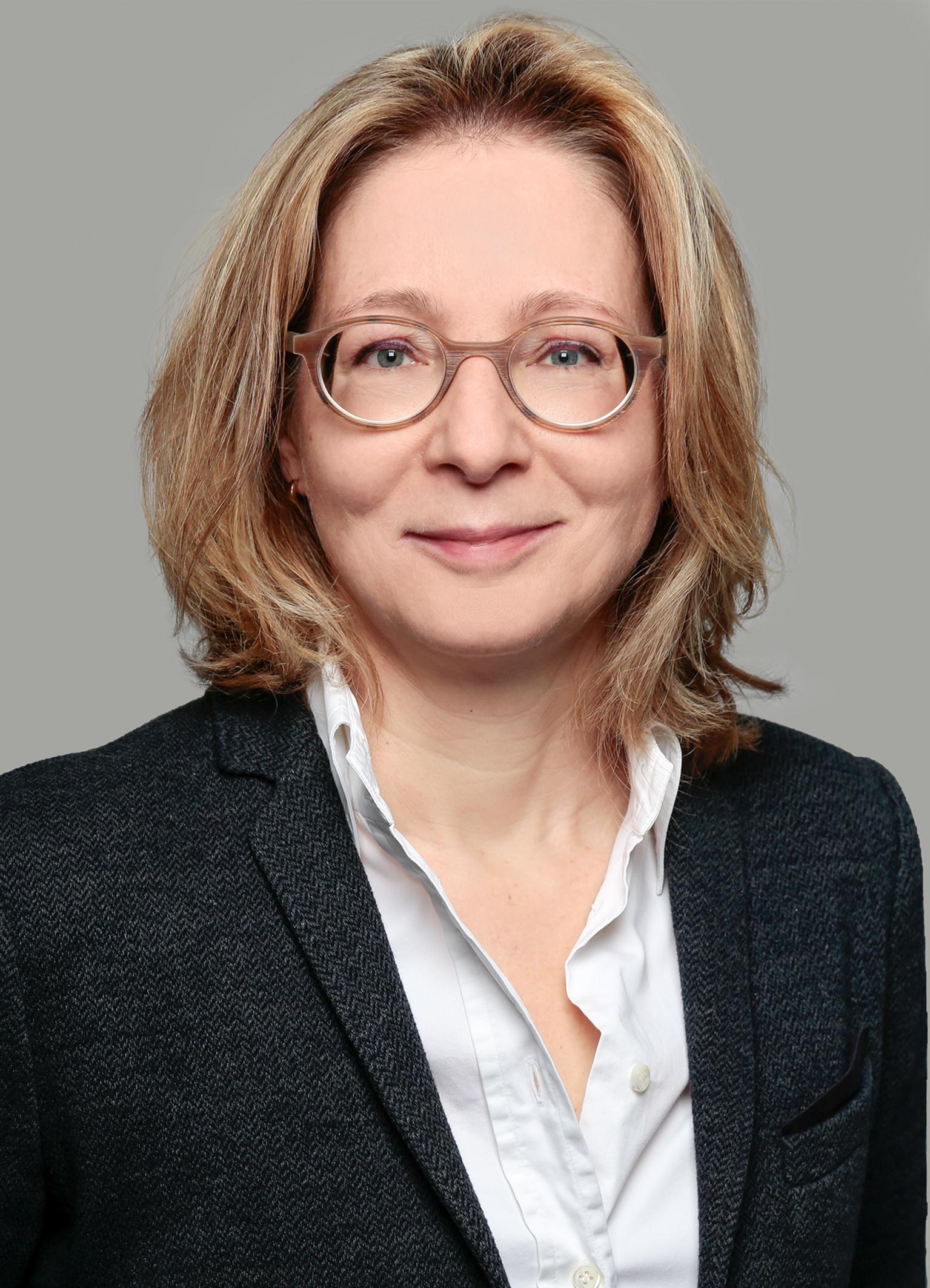
Former Visiting Scholar, Middle East Center
Asseburg's current research focuses on the Middle East conflict, German and Middle East politics, the Euro–Mediterranean Partnership, and state building, political reform, and political Islam in the Middle East. She was previously with the Friedrich Ebert Foundation’s office in Jerusalem.
Recent Work
Ilana Feldman, Frederic Wehrey, Andrew Bonney, …
Carnegie does not take institutional positions on public policy issues; the views represented herein are those of the author(s) and do not necessarily reflect the views of Carnegie, its staff, or its trustees.
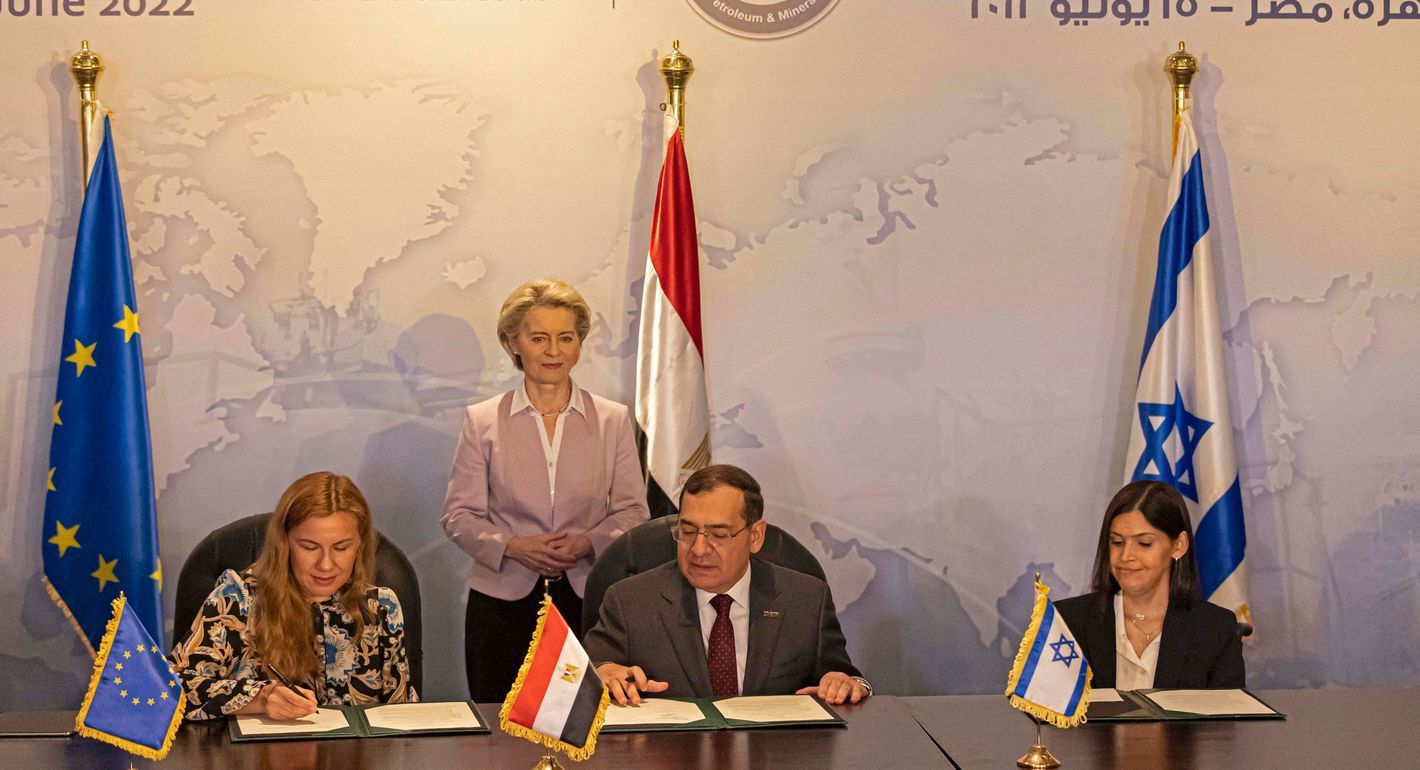
Can economic ties help contain conflict between Egypt and Israel, or do they simply postpone confrontation? Drawing on the German-Russian experience, the article examines how the gas deal creates mutual dependence, keeps channels of cooperation open, and raises the cost of conflict, without necessarily delivering lasting peace.
Nourhan Hefzy
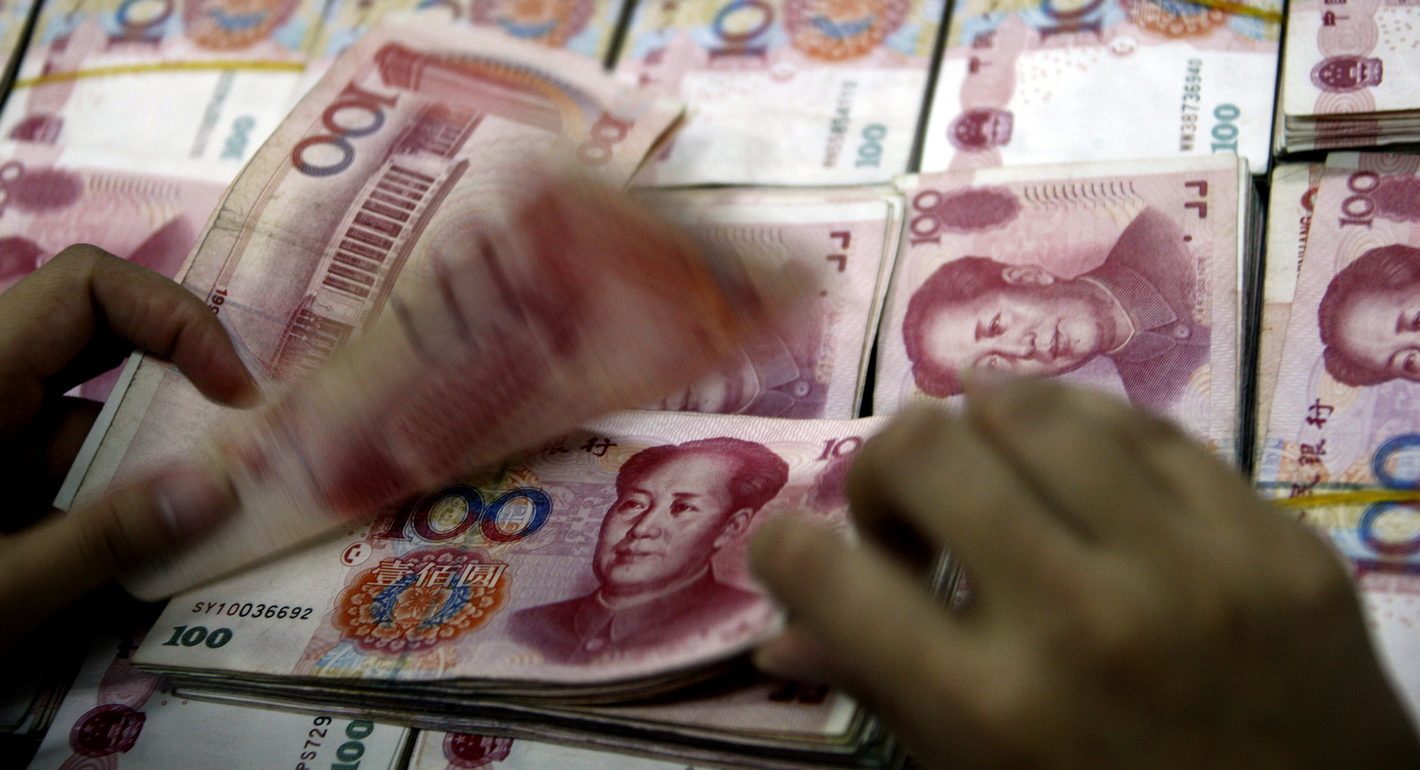
Is the Gulf moving beyond the dollar? This article examines how China is expanding the renminbi's role across Gulf markets, what that means for regional finance, and why the future of global currencies is more complex than the de-dollarization debate suggests.
Andrew Bonney
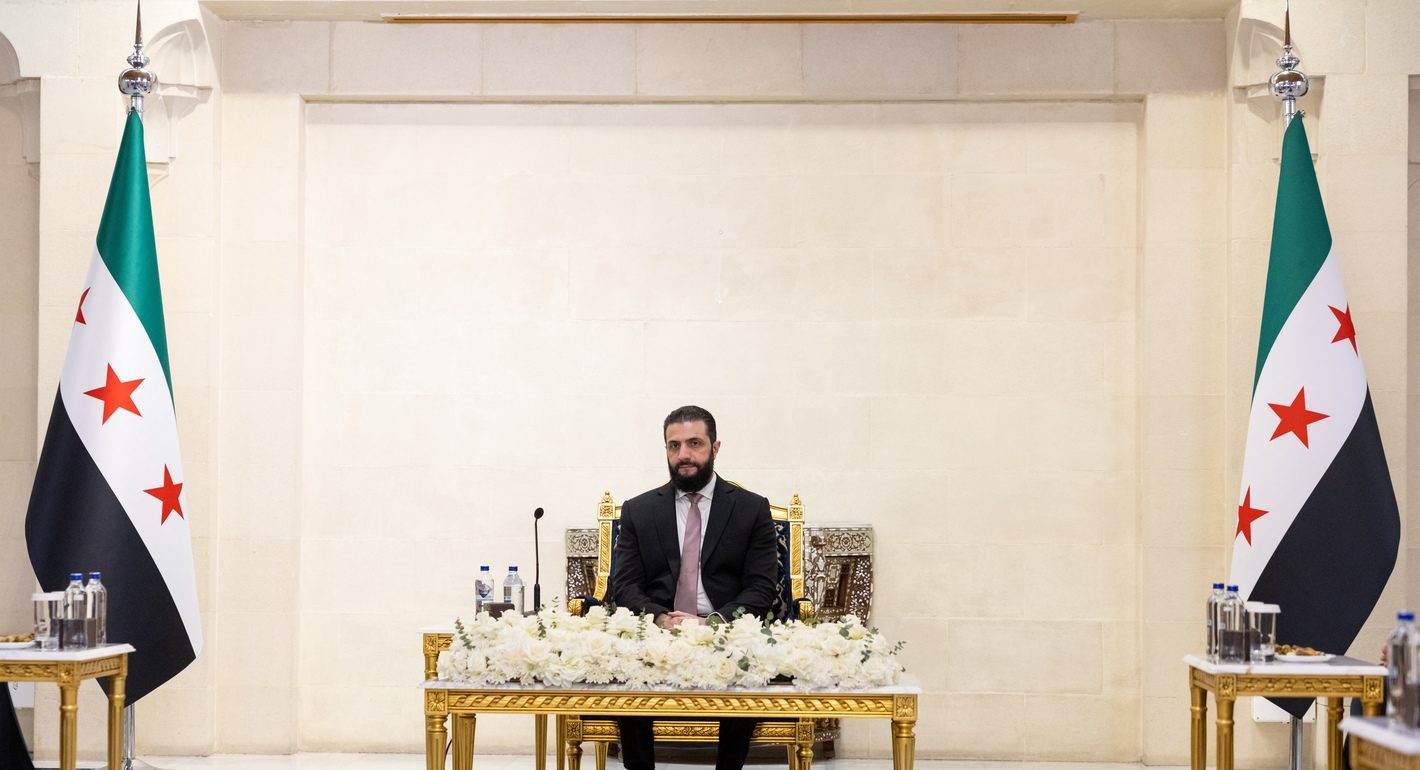
Syria's transition promised a fresh start. But are old habits of power making a comeback? This analysis looks at the warning signs and what it will take to build a more accountable state.
Sima Beitinjaneh
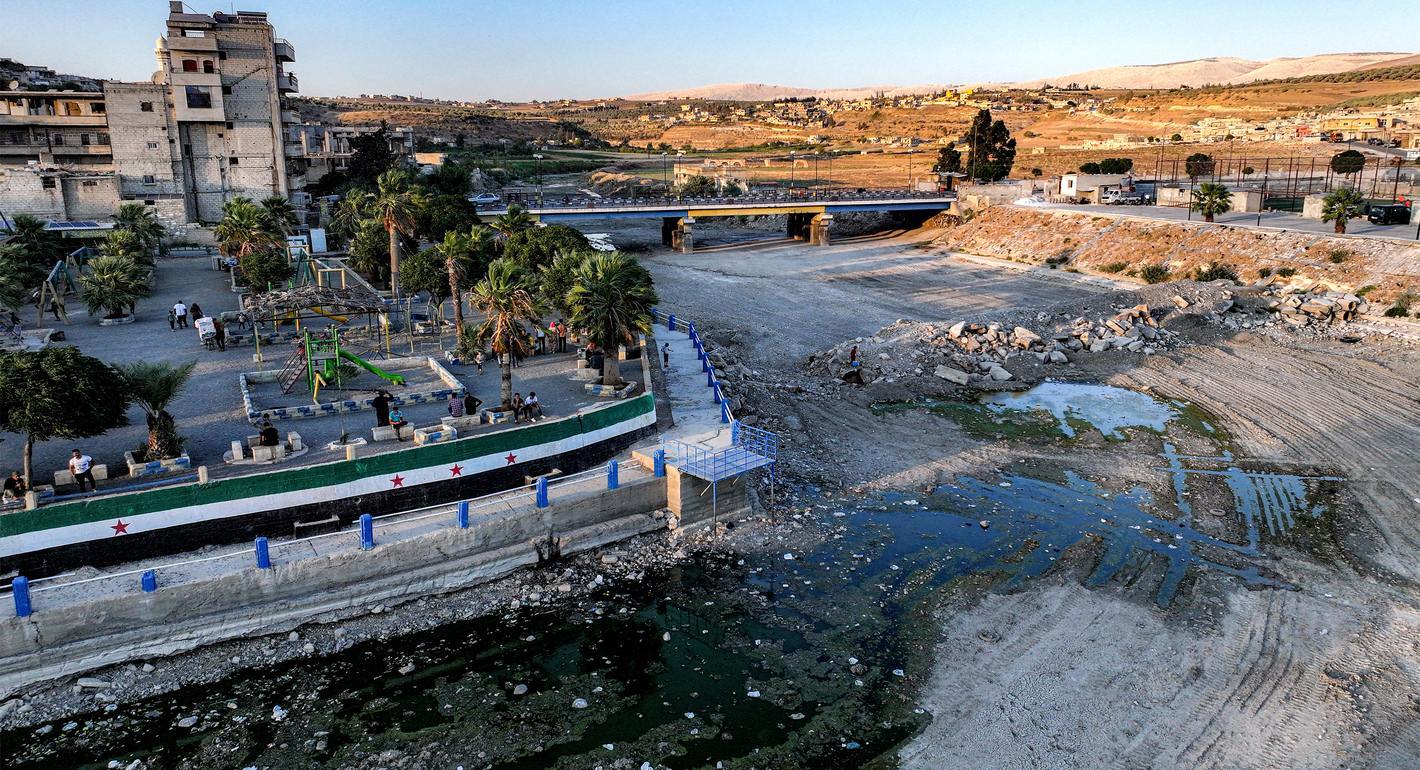
Syria’s worsening drought is no longer a seasonal crisis. This report explains what climate change is doing to rainfall, groundwater, and food security, and what solutions experts say are still possible.
Milia Esper
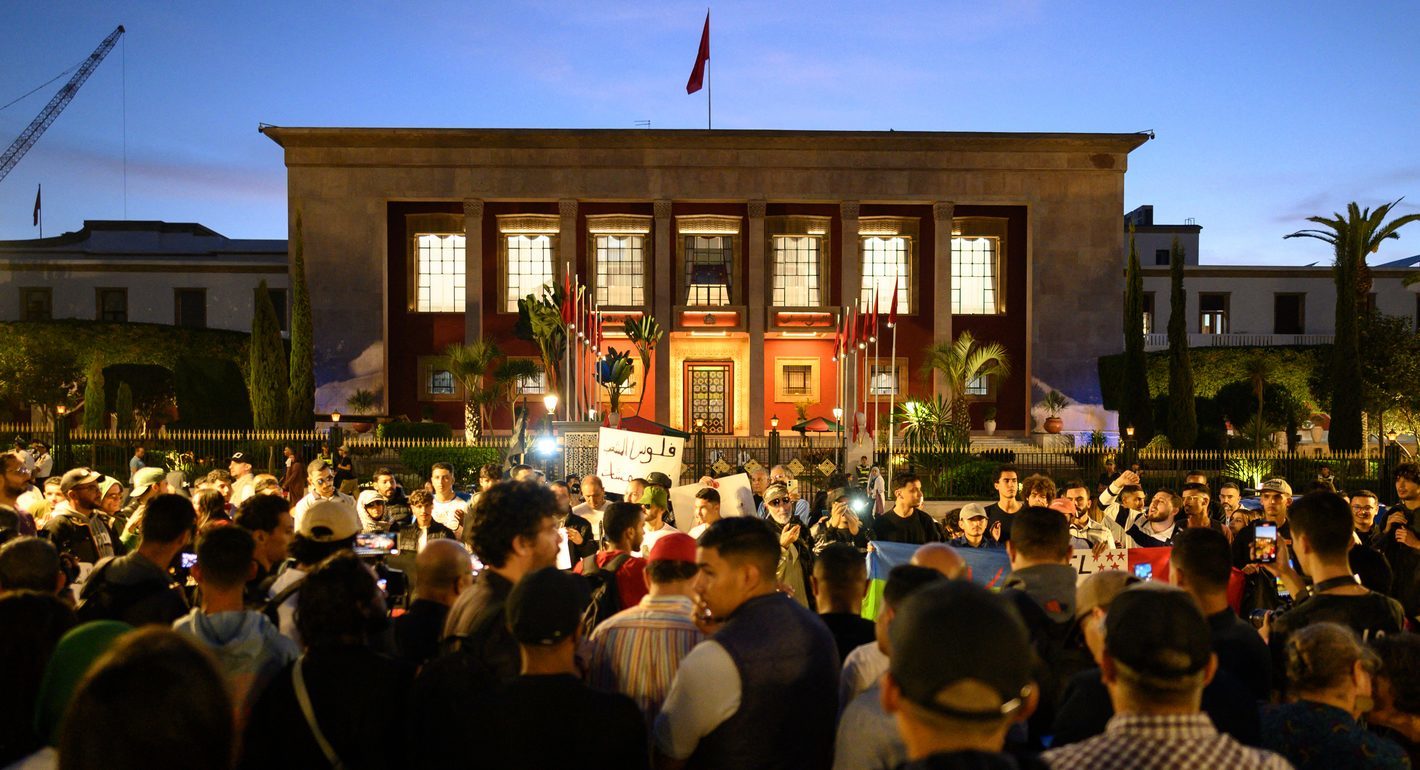
From anime heroes to online gaming communities, Morocco’s Gen Z is building a new protest culture. What does this digital imagination reveal about youth politics, and how should institutions respond?
Abdelilah Farah