

Commentary
From anime heroes to online gaming communities, Morocco’s Gen Z is building a new protest culture. What does this digital imagination reveal about youth politics, and how should institutions respond?
Abdelilah Farah
{
  "authors": [
    "Jarrett Blanc"
  ],
  "type": "commentary",
  "blog": "Sada",
  "centerAffiliationAll": "",
  "centers": [
    "Carnegie Endowment for International Peace"
  ],
  "collections": [],
  "englishNewsletterAll": "",
  "nonEnglishNewsletterAll": "",
  "primaryCenter": "Carnegie Endowment for International Peace",
  "programAffiliation": "",
  "programs": [],
  "projects": [],
  "regions": [
    "Middle East",
    "Israel",
    "Palestine"
  ],
  "topics": [
    "Political Reform"
  ]
}

REQUIRED IMAGE
Negotiations for a unity government between Fatah and Hamas are the fruit of international pressure, which has forced Hamas to consider sacrificing some of its formal authority within the Palestinian Authority (PA) despite the fact that the Islamic movement and its allies hold 77 out of 132 seats in the Palestinian Legislative Council (PLC).
Negotiations for a unity government between Fatah and Hamas are the fruit of international pressure, which has forced Hamas to consider sacrificing some of its formal authority within the Palestinian Authority (PA) despite the fact that the Islamic movement and its allies hold 77 out of 132 seats in the Palestinian Legislative Council (PLC).
How the international community should react to Hamas-Fatah coalition negotiations depends in part on whether international pressure has also reduced Hamas's more informal sources of authority. If Hamas retains meaningful authority outside of PA institutions, forcing it from government would simply make the PA ineffective in serving the needs of either Palestinians or Israelis. Measuring Hamas's power relative to that of Fatah requires a look at its three bases: social services, military force, and popular support.
Palestinian and foreign observers ascribed Hamas's victory in 2005 local elections and 2006 legislative elections to its network of efficient and honest social service providers. These social service networks are more than just a basis of Hamas' popularity; they are also an indication of its organizational strength. While it is difficult to measure Hamas's social services precisely—it does not publish disclosure forms or annual reports—United Nations officials report that it remains as active as it was prior to the election. The stifling financial sanctions that have all but eliminated the PA's ability to provide government services have not, apparently, diminished Hamas's capacity to provide services on a smaller scale.
Hamas's military power gives it the ability to launch terrorist attacks on Israel and to fight Fatah military groups. From either perspective, military power equates to real authority within the PA. While it is also difficult to measure Hamas's military power directly, it is possible to observe its use. Clashes between Hamas and Fatah forces in Gaza since the beginning of October indicate that Hamas has, at the very least, retained a rough military parity with Fatah. Despite Israeli incursions targeting Hamas military forces, news reports indicate that one of Hamas's armed groups, the Executive Force, has become strong enough to force some Fatah commanders to leave Gaza.
Regular public opinion polling in the PA makes Hamas's popular support somewhat easier to measure. In the legislative election, Hamas and Fatah were close in terms of their share of the popular vote, with Hamas winning 44 percent to Fatah's 41 percent. Most opinion polls prior to the election showed Fatah with a small lead over Hamas, an error probably due to methodological problems in polling and an understandable reluctance of respondents to admit support for Hamas given the possibility of Fatah or Israeli reprisals. Immediately after the election, support for Hamas in polls jumped to just over its election result of 44 percent, perhaps indicating a combination of a honeymoon for the new legislative council and a reduction in respondent fear.
While it is possible to cite more recent polls, or parts of more recent polls, as evidence that Hamas is loosing substantial support, the broader trend in polling data indicate that Hamas and Fatah remain evenly matched. Polls since June show support for the two parties settling at about 40 per cent support for each, although the most recent reputable poll shows a reduction of support for both parties, with Fatah at 35 percent and Hamas at 31 percent. Given the margin of error, methodological problems, and possible respondent fear factor, this result should also been seen as evidence of generally equivalent public support. Looking deeper into the polls, while Hamas has a 44 per cent negative rating for its role in post-election crises and a 60 per cent “poor” rating for implementation of its election program, 62 per cent still support Hamas's most important decision: not to recognize Israel.
After seven months of severe political and economic crisis, including the virtual closure of Gaza and financial cut-offs leading to 170, 000 PA employees being paid less than two months' salary, Hamas has indicated a willingness to negotiate an agreement to share formal authority in the PA. But while continued pressure may succeed in forcing Hamas to cede more (or all) of their formal authority within the PA, experience thus far does not indicate that it will undermine Hamas's other sources of power.
In December 2005 and January 2006, the international community pressed the PA to conduct PLC elections as scheduled, overcoming strong Fatah reservations to the electoral process. In part, the international community took this position because the Fatah-led government did not reflect real power relationships in the PA and so was unable to deliver meaningful reform of PA institutions or improvements in security for Israel. In making decisions now about whether to accept a potential government of national unity, the international community must take into account Hamas's real and apparently enduring strength.
Jarrett Blanc is a Council on Foreign Relations International Affairs Fellow based at the United States Institute of Peace. He was the International Foundation for Election Systems' Chief-of-Party in the Palestinian Authority from March 2005 through March 2006.Jarrett Blanc
Carnegie does not take institutional positions on public policy issues; the views represented herein are those of the author(s) and do not necessarily reflect the views of Carnegie, its staff, or its trustees.
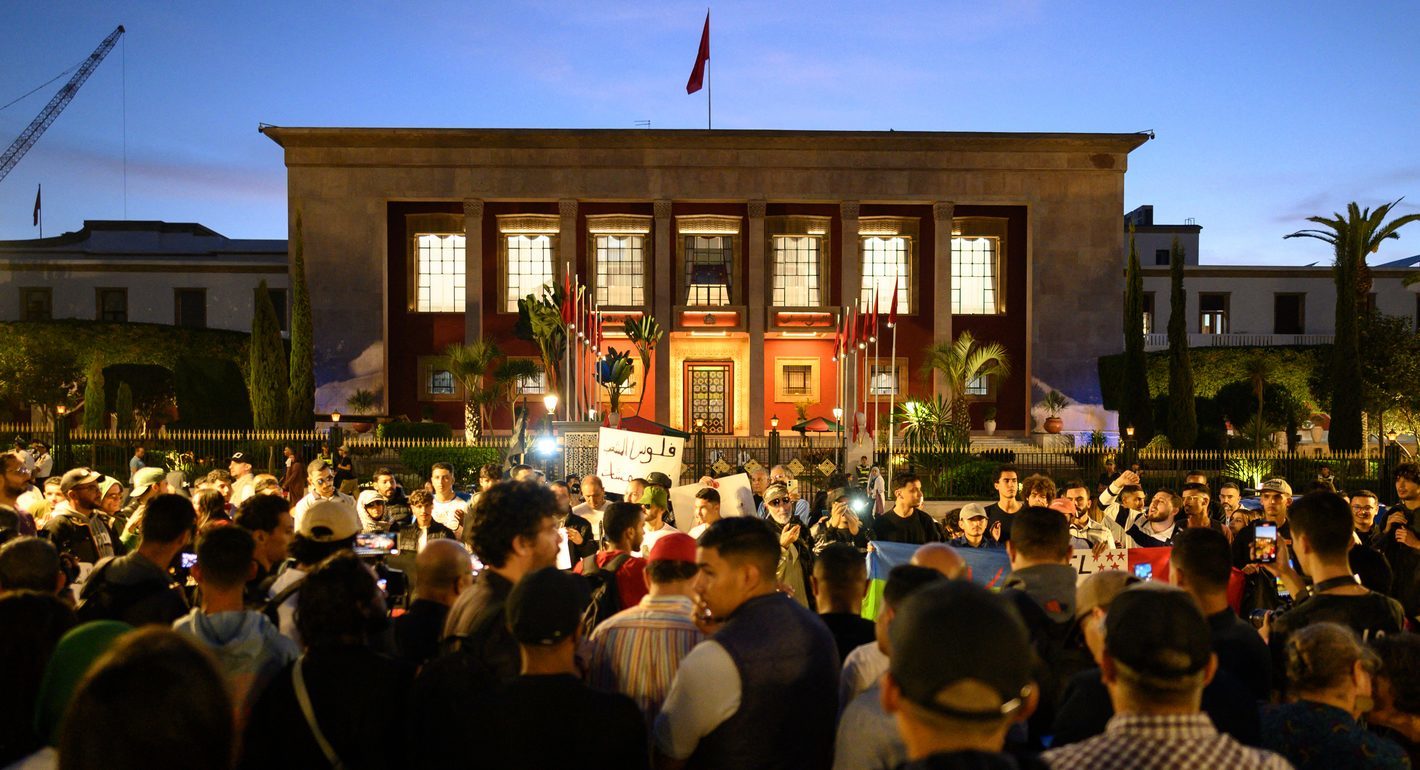
From anime heroes to online gaming communities, Morocco’s Gen Z is building a new protest culture. What does this digital imagination reveal about youth politics, and how should institutions respond?
Abdelilah Farah

In a volatile Middle East, the Omani port of Duqm offers stability, neutrality, and opportunity. Could this hidden port become the ultimate safe harbor for global trade?
Giorgio Cafiero, Samuel Ramani
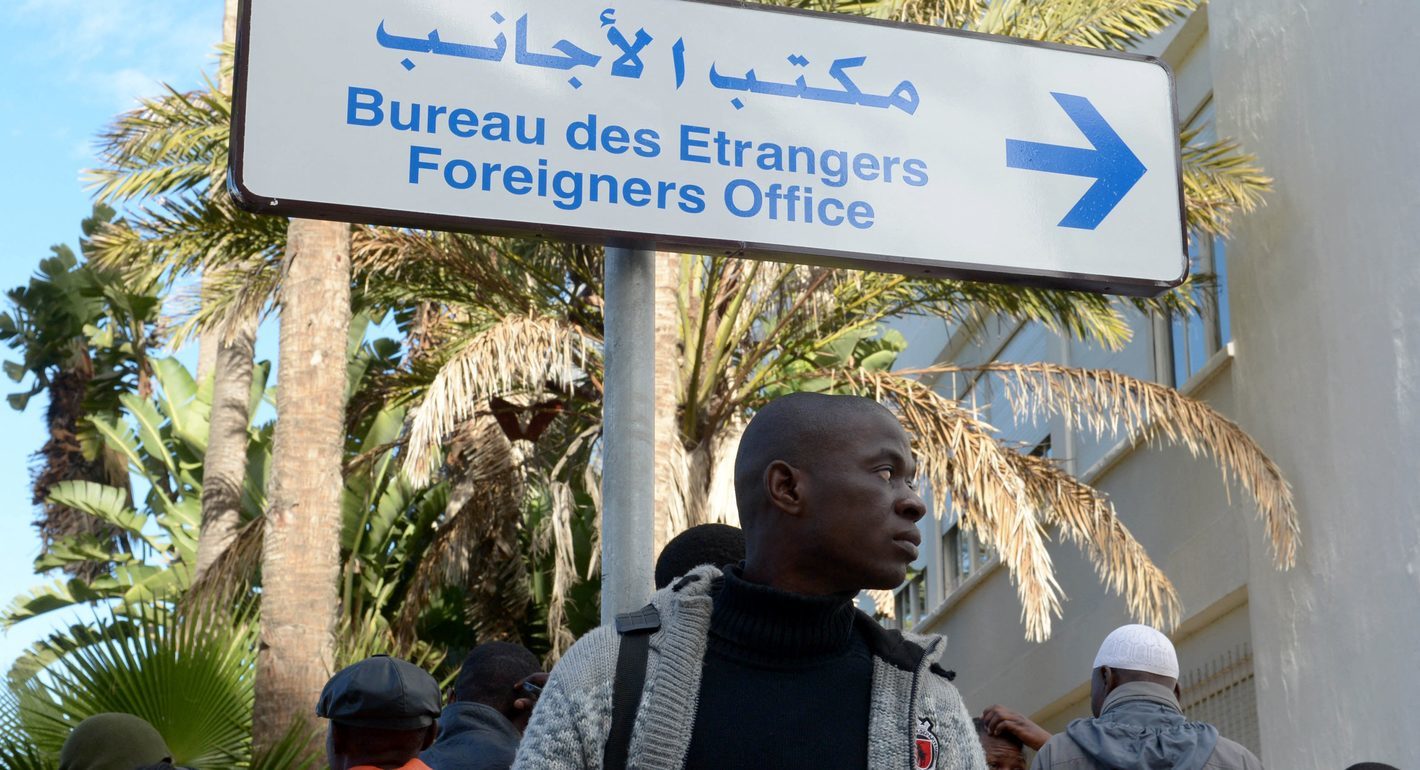
Is Morocco’s migration policy protecting Sub-Saharan African migrants or managing them for political and security ends? This article unpacks the gaps, the risks, and the paths toward real rights-based integration.
Soufiane Elgoumri
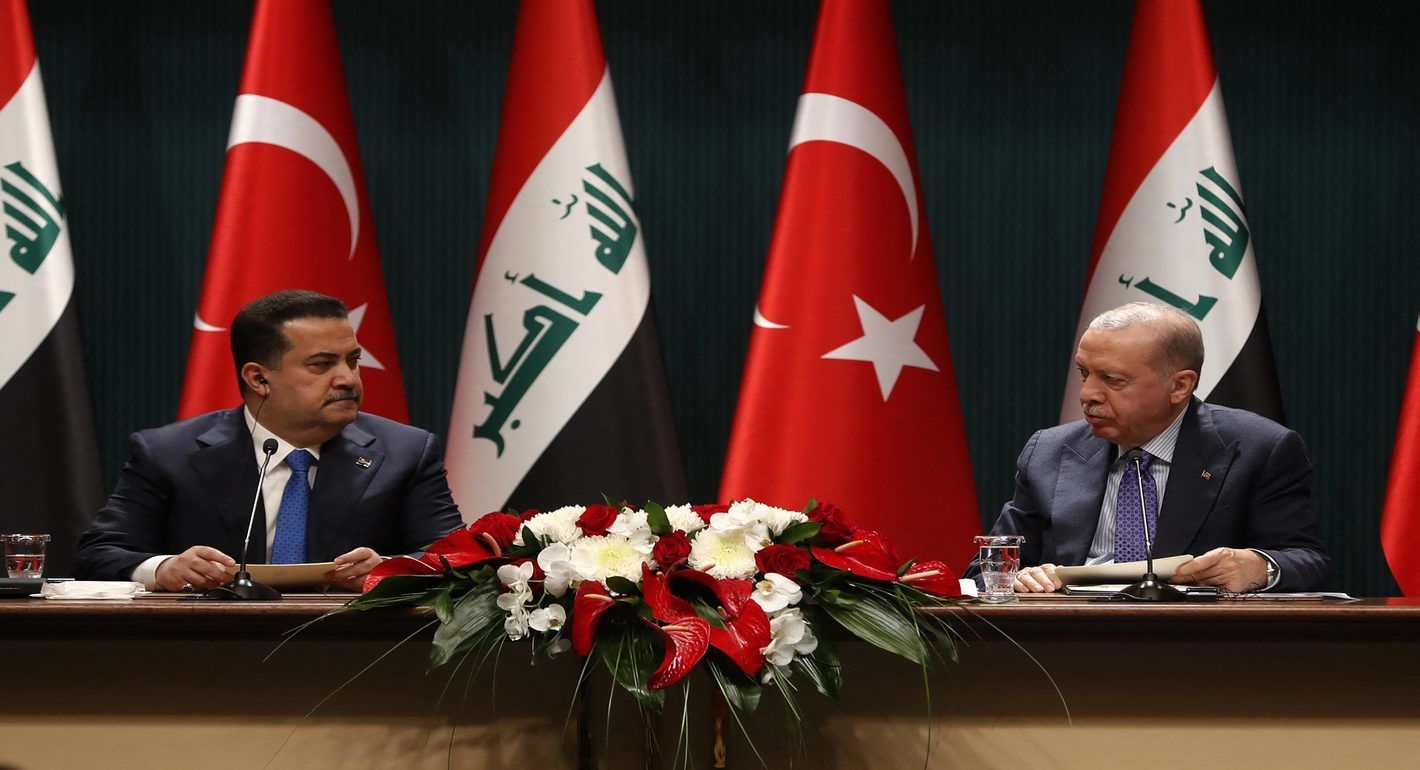
Iraq’s foreign policy is being shaped by its own internal battles—fractured elites, competing militias, and a state struggling to speak with one voice. The article asks: How do these divisions affect Iraq’s ability to balance between the U.S. and Iran? Can Baghdad use its “good neighbor” approach to reduce regional tensions? And what will it take for Iraq to turn regional investments into real stability at home? It explores potential solutions, including strengthening state institutions, curbing rogue militias, improving governance, and using regional partnerships to address core economic and security weaknesses so Iraq can finally build a unified and sustainable foreign policy.
Mike Fleet
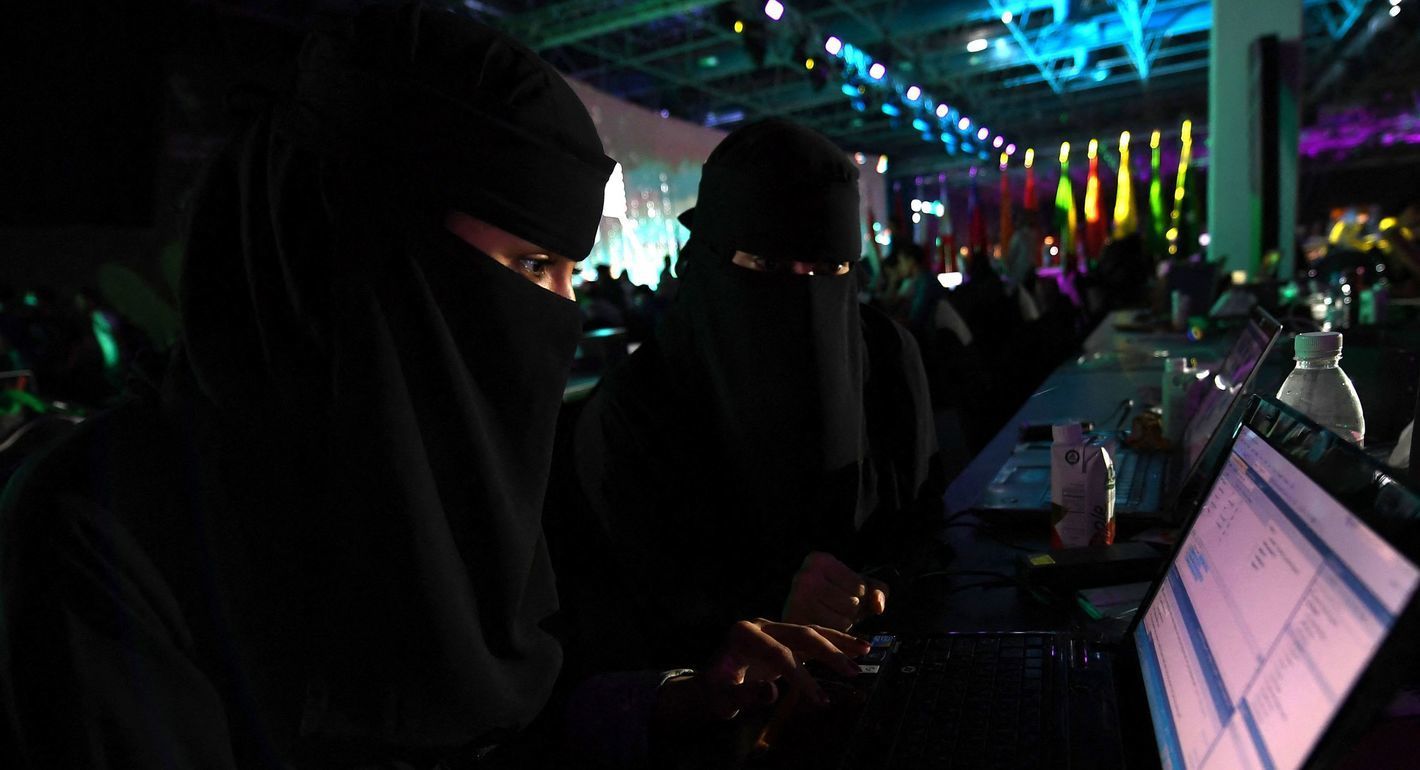
How can Saudi Arabia turn its booming e-commerce sector into a real engine of economic empowerment for women amid persistent gaps in capital access, digital training, and workplace inclusion? This piece explores the policy fixes, from data-center integration to gender-responsive regulation, that could unlock women’s full potential in the kingdom’s digital economy.
Hannan Hussain