

Commentary
Syria’s worsening drought is no longer a seasonal crisis. This report explains what climate change is doing to rainfall, groundwater, and food security, and what solutions experts say are still possible.
Milia Esper
{
  "authors": [
    "Jeff Fischer"
  ],
  "type": "commentary",
  "blog": "Sada",
  "centerAffiliationAll": "",
  "centers": [
    "Carnegie Endowment for International Peace"
  ],
  "collections": [],
  "englishNewsletterAll": "",
  "nonEnglishNewsletterAll": "",
  "primaryCenter": "Carnegie Endowment for International Peace",
  "programAffiliation": "",
  "programs": [],
  "projects": [],
  "regions": [
    "Iraq",
    "Middle East"
  ],
  "topics": [
    "Political Reform"
  ]
}

REQUIRED IMAGE
Against the backdrop of strife that plagues much of Iraq, key political institutions and a legal framework have been established for the country's first democratic national elections, anticipated for January. Voters will select a 275-member transitional national assembly, governorate assemblies, and a Kurdish regional assembly
Against the backdrop of strife that plagues much of Iraq, key political institutions and a legal framework have been established for the country's first democratic national elections, anticipated for January. Voters will select a 275-member transitional national assembly, governorate assemblies, and a Kurdish regional assembly.
The legal framework for the national assembly elections, laid out in three orders promulgated in May by the former U.S.-led Coalition Provision Authority (CPA), establishes a proportional representation system (PR) and the use of a single national district. This framework is based on the recommendations of the United Nations, which acted under the authority of UN Security Council Resolution (UNSCR) 1546 and carried out extensive consultations with a wide range of Iraqi political actors.
A PR system is often adopted for transitional or post-conflict elections because it best achieves the goals of inclusiveness and equity that are so important in such contexts. With PR, the percentage of seats won by a political entity—an independent candidate, party, or a coalition of parties—will be roughly equivalent to its percentage of the popular vote. This enables both popular, established political movements and smaller communities of interests capable only of garnering the minimum threshold of qualifying support to gain representation. In the case of Iraq, this threshold is described as a "natural threshold" because seats will be awarded through a formula that divides the total number of votes cast in a single, national district by 275, the number of seats in the assembly. In post-conflict environments, such a system has the advantage of enticing former combatants and violent rivals to participate in elections because the bar for obtaining representation is fairly low. Critics of PR systems sometimes warn that severe fragmentation can result if small and narrow interest groups dominate representative institutions. However, the rules established for ballot eligibility in Iraq are designed to encourage alliances and coalitions among such groups and to create incentives for parties to develop national strategies and consensus platforms.
The use of a single national district also facilitates the participation of the estimated two to four million Iraqis residing outside the country, many of whom were driven into exile by the former regime. The electoral commission has not yet made a decision about whether and how these Iraqis will vote. However, the Transitional Administrative Law (TAL), Iraq's interim constitution, does include provisions for dual citizenship, and the right to vote is inherent in that definition of citizenship. Many exiled Iraqis lack paperwork to substantiate their residency claims, but the existence of a single, national district obviates the need for such documentation.
Contrary to the assertions of some critics, PR does not prevent independent candidates from standing for office. It does, however, force independents to decide whether they are more viable as solo actors or as members of a party or coalition list. The system is further defined as "closed-list" in that voters will select the names of parties on the ballot, not individual candidates. In a closed-list system, the party pre-ranks their candidates in order of selection, usually positioning candidates with greater name recognition and popularity higher on the list. The closed-list system also facilitates the inclusion of female candidates, which would help achieve the TAL's goal of having women occupy at least 25 percent of the seats in the national assembly. Ultimately, the closed-list system strengthens the role and decision-making power of political parties.
The United Nations ruled out the option of creating multiple electoral districts for this election cycle for both technical and political reasons. Constituency delimitation can be a very contentious exercise, and the rapid creation of districts, as would be required by Iraq's tight electoral timetable, could destabilize the entire transition process. In addition, constituency-based systems can create a zero-sum game for political contestants, in the sense that candidates failing to garner a certain number of votes are shut out. In a post- (or mid-) conflict setting such as Iraq's, a zero-sum game could spur violence and thus should be avoided. In contrast, PR provides a mechanism to produce an institution in which political interests interact and govern collectively, eschewing violence as a tactic to intimidate rivals.
Jeff Fischer is senior advisor for elections at IFES, a Washington-based organization that promotes democratic development worldwide. He served as chief electoral officer for transitional elections in Bosnia and Herzegovina, East Timor, and Kosovo.
Jeff Fischer
Carnegie does not take institutional positions on public policy issues; the views represented herein are those of the author(s) and do not necessarily reflect the views of Carnegie, its staff, or its trustees.
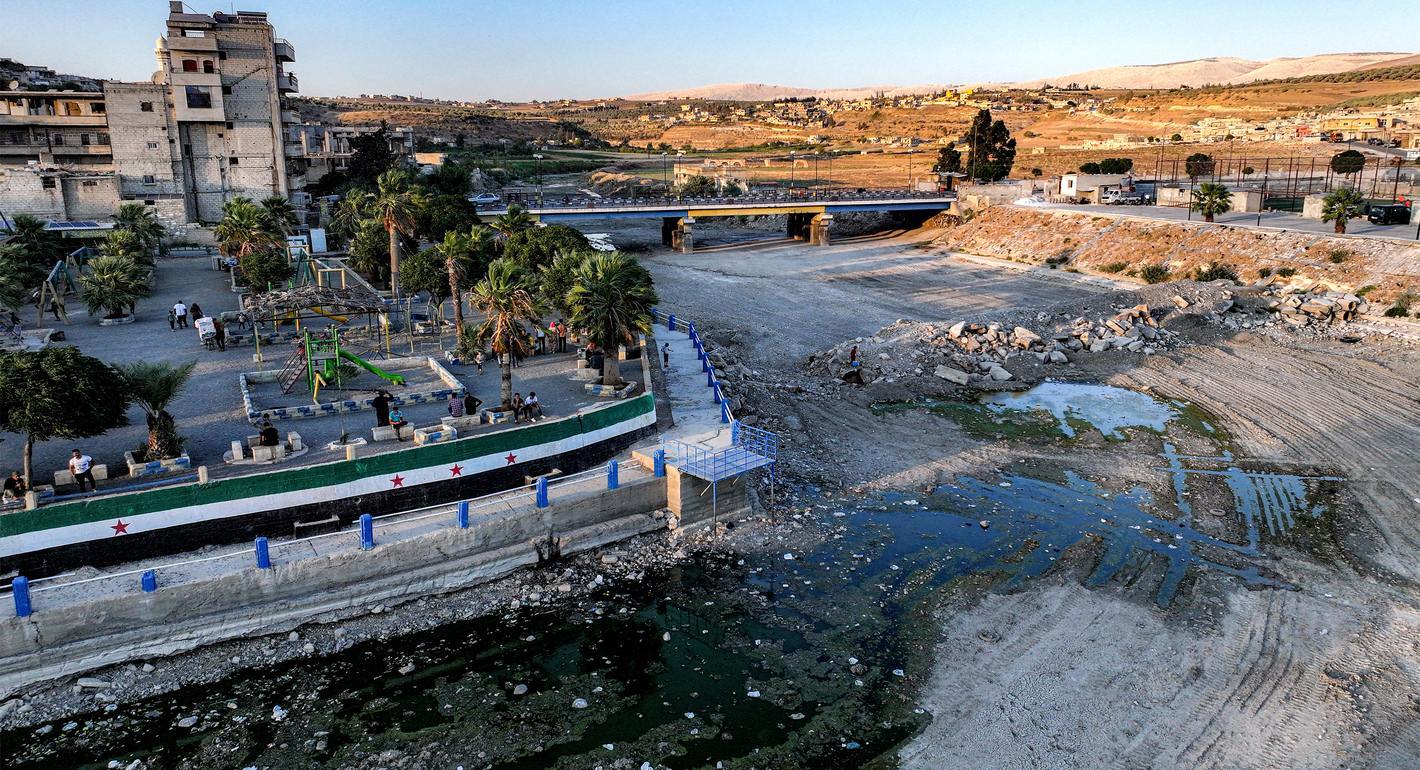
Syria’s worsening drought is no longer a seasonal crisis. This report explains what climate change is doing to rainfall, groundwater, and food security, and what solutions experts say are still possible.
Milia Esper
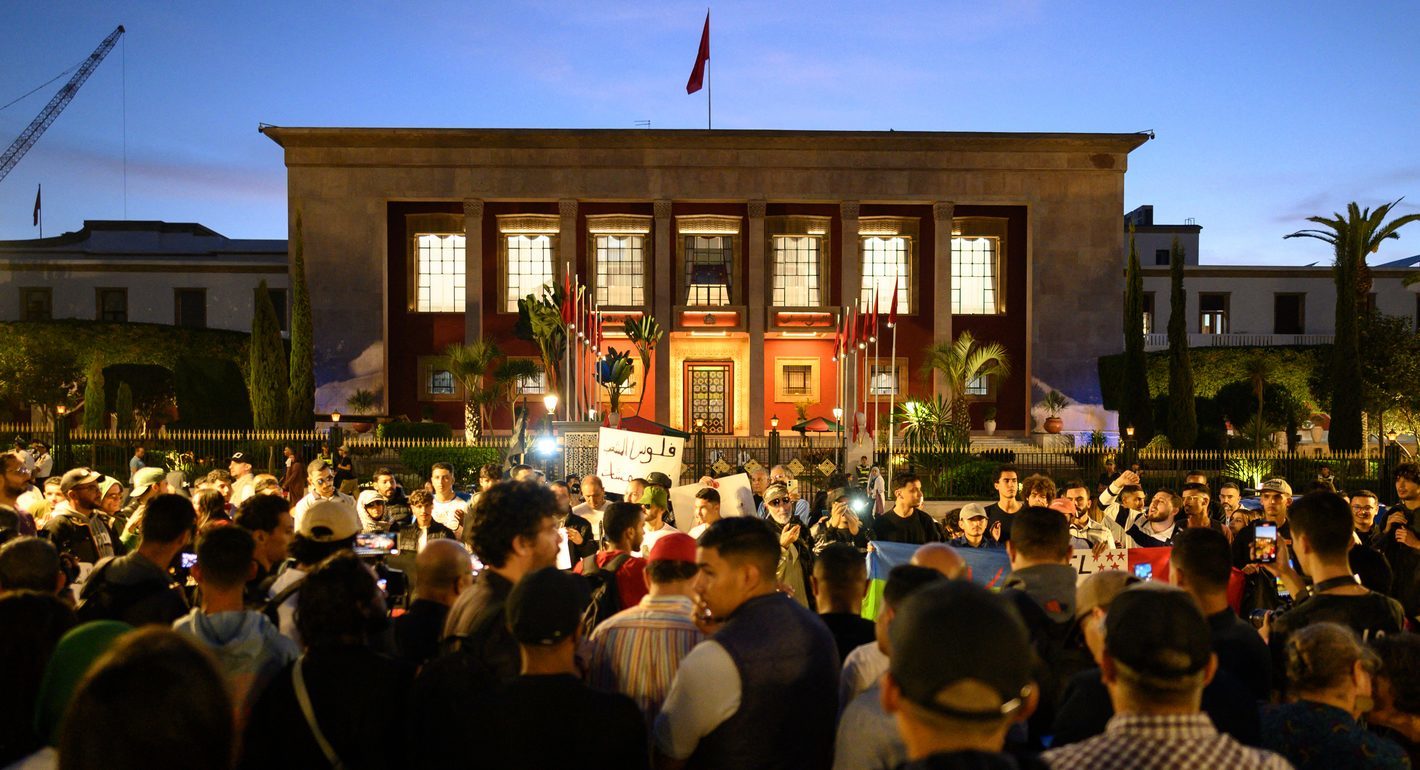
From anime heroes to online gaming communities, Morocco’s Gen Z is building a new protest culture. What does this digital imagination reveal about youth politics, and how should institutions respond?
Abdelilah Farah
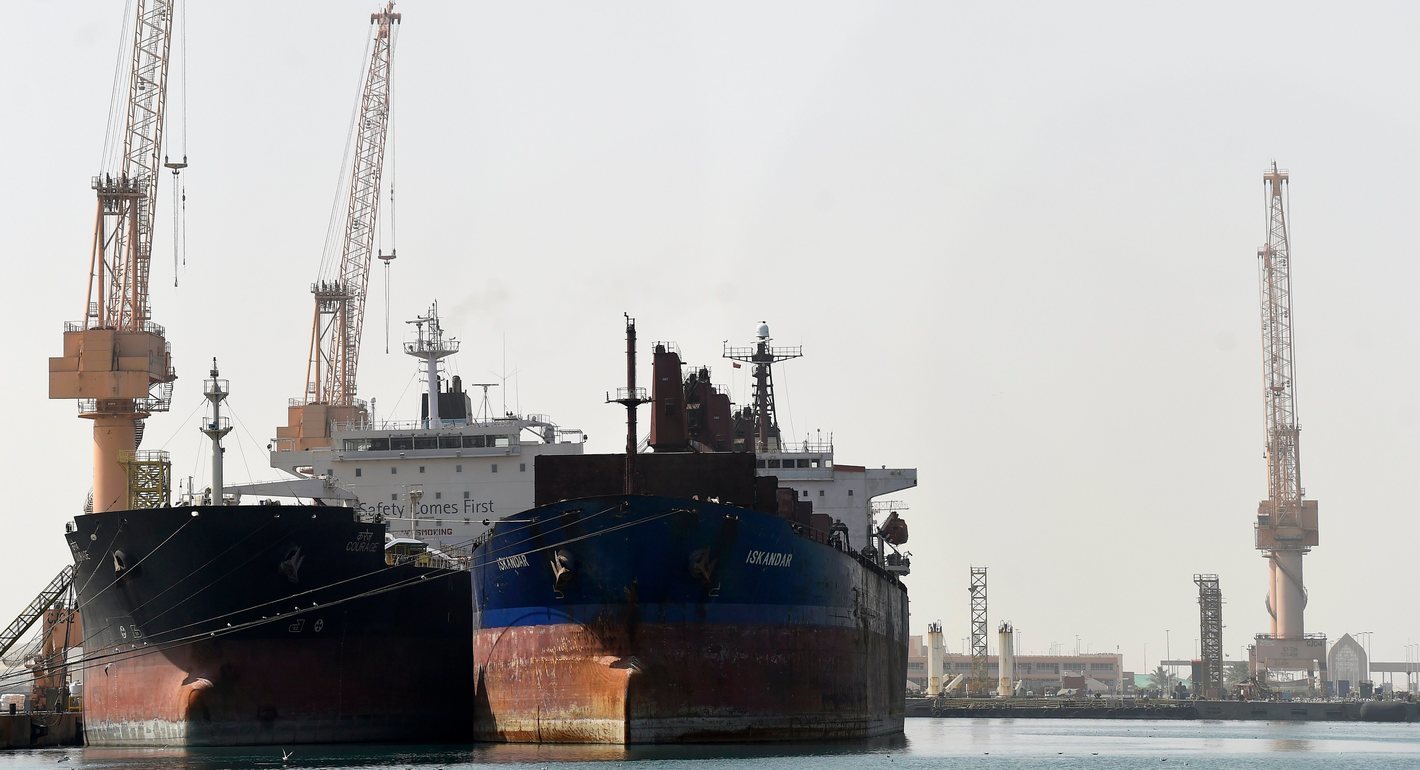
In a volatile Middle East, the Omani port of Duqm offers stability, neutrality, and opportunity. Could this hidden port become the ultimate safe harbor for global trade?
Giorgio Cafiero, Samuel Ramani
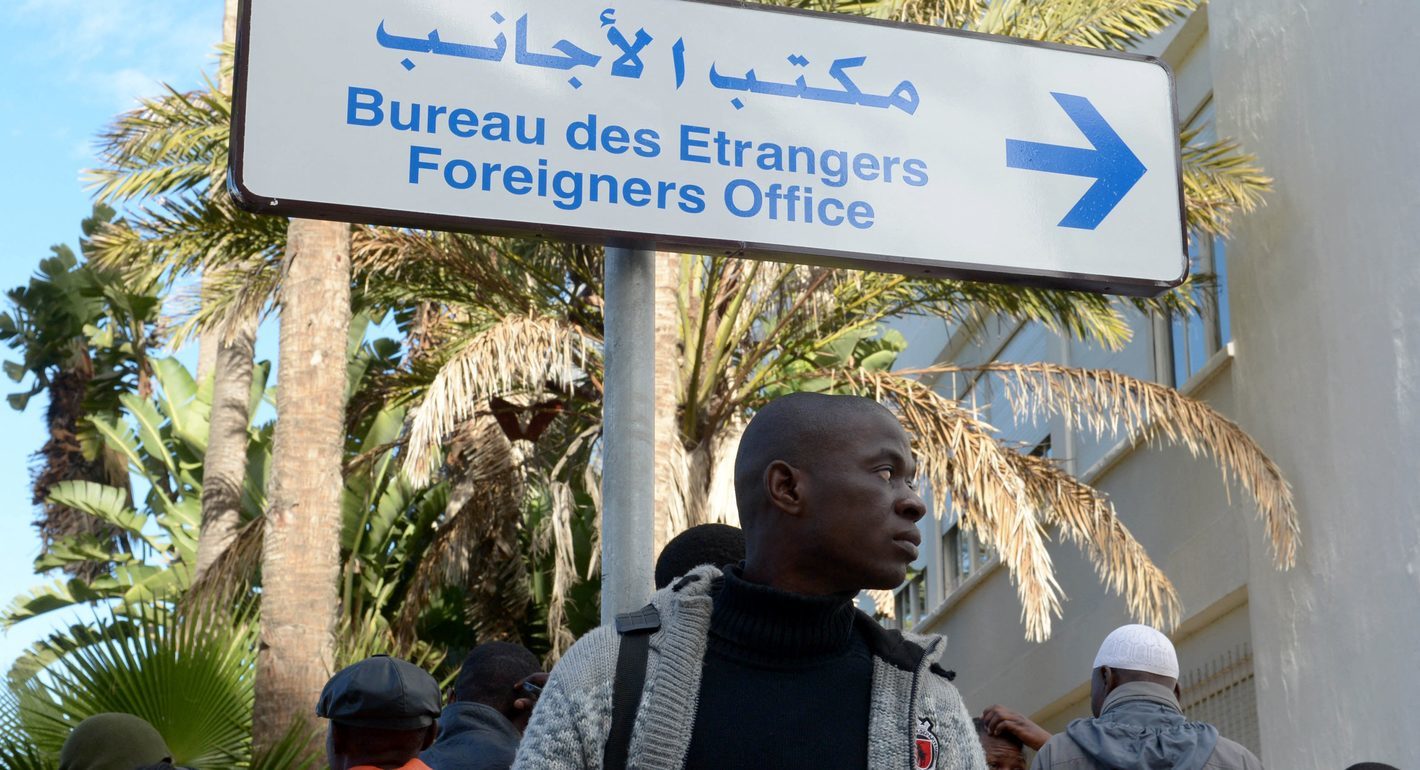
Is Morocco’s migration policy protecting Sub-Saharan African migrants or managing them for political and security ends? This article unpacks the gaps, the risks, and the paths toward real rights-based integration.
Soufiane Elgoumri
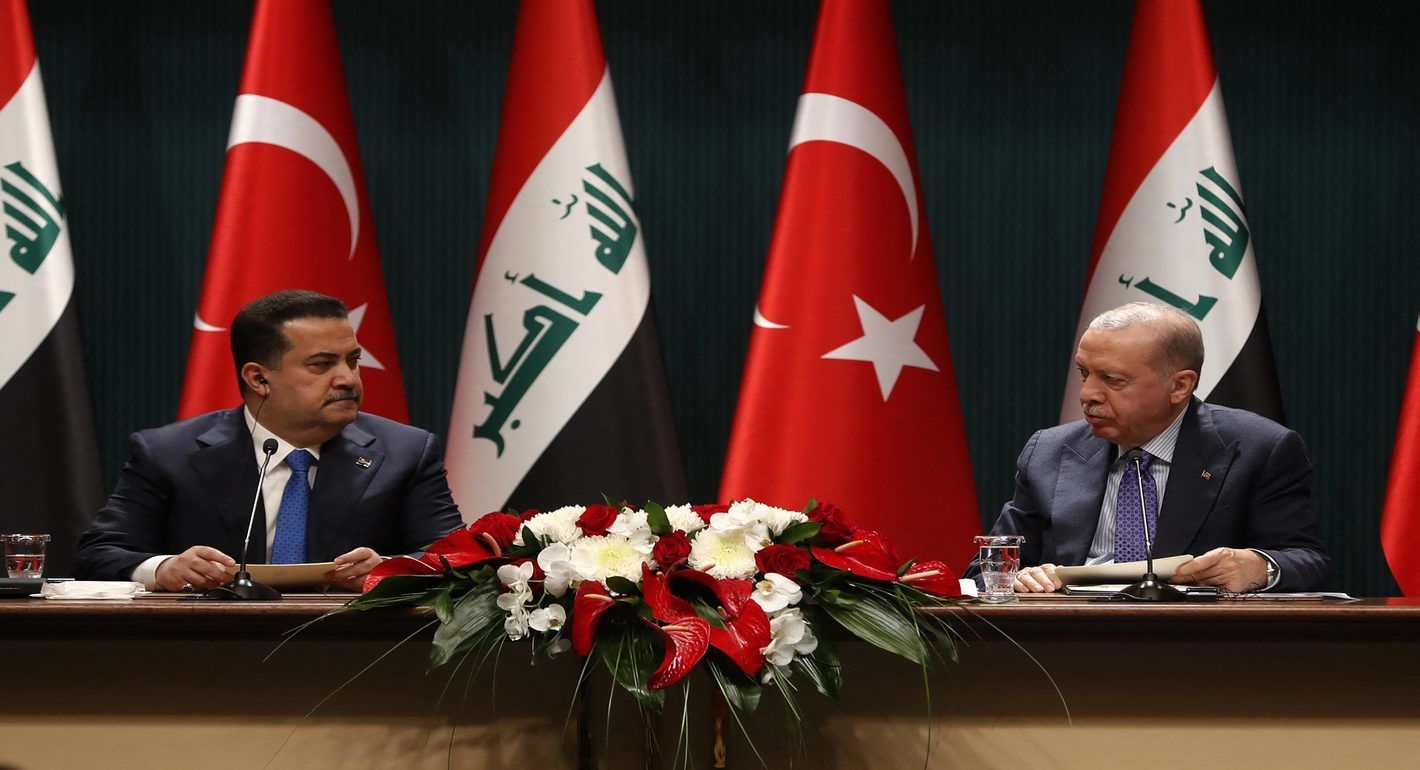
Iraq’s foreign policy is being shaped by its own internal battles—fractured elites, competing militias, and a state struggling to speak with one voice. The article asks: How do these divisions affect Iraq’s ability to balance between the U.S. and Iran? Can Baghdad use its “good neighbor” approach to reduce regional tensions? And what will it take for Iraq to turn regional investments into real stability at home? It explores potential solutions, including strengthening state institutions, curbing rogue militias, improving governance, and using regional partnerships to address core economic and security weaknesses so Iraq can finally build a unified and sustainable foreign policy.
Mike Fleet