

Commentary
From anime heroes to online gaming communities, Morocco’s Gen Z is building a new protest culture. What does this digital imagination reveal about youth politics, and how should institutions respond?
Abdelilah Farah
{
  "authors": [
    "Bilal A. Wahab"
  ],
  "type": "commentary",
  "blog": "Sada",
  "centerAffiliationAll": "",
  "centers": [
    "Carnegie Endowment for International Peace"
  ],
  "collections": [],
  "englishNewsletterAll": "",
  "nonEnglishNewsletterAll": "",
  "primaryCenter": "Carnegie Endowment for International Peace",
  "programAffiliation": "",
  "programs": [],
  "projects": [],
  "regions": [
    "Iraq",
    "Middle East"
  ],
  "topics": [
    "Political Reform"
  ]
}

REQUIRED IMAGE
Iraqi Kurdistan is the best functioning part of Iraq, an example of what stability and governance could theoretically bring to the rest of the country.
Iraqi Kurdistan is the best functioning part of Iraq, an example of what stability and governance could theoretically bring to the rest of the country. Kurdish leaders have learned that they can achieve more with peace than with war. It has been a year since the two main Kurdish parties, the Patriotic Union of Kurdistan (PUK) and the Kurdistan Democratic Party (KDP), joined forces in a unified Kurdistan Regional Government (KRG) with symbolic participation from smaller parties. Ever since, Kurdistan has been booming economically and dreaming of becoming the next Dubai. But to achieve that dream the Kurds will have to address major challenges, including how to gain control of Kirkuk, manage oil revenues, protect stability, and conduct relations with the central government in Baghdad.
The Kurdish government has core institutions of governance, security, and legislation that function; unlike Baghdad, it thus has a chance to think strategically and beyond day-to-day emergencies. The KRG is promoting foreign investment, e-government, and staff training. The parliament is laying the legal foundation for the Kurdish ministries. It seems that the political leadership has developed a taste for success and for pleasing the public.
The region's security depends on layers of security forces, including police, intelligence units, and the peshmerga (Kurdish paramilitaries). The peshmerga, estimated at around a hundred thousand troops, are becoming increasingly professional despite various political allegiances, and are even part of the new plan to secure Baghdad. Kurdish officials are proud of the fact that no foreigners have been killed thus far in their region, but the car bombs in Erbil and Makhmur in May brought home the fact that Kurdistan is still part of Iraq.
The Kurds have a strong political presence in the Iraqi capital—holding the presidency, as well as the positions of deputy prime minister and foreign minister—and try to play their cards wisely. For example, they have effectively mobilized Baghdad's opposition to Turkish military threats to the Kurdish region. Kurds also try to manipulate Baghdad politics—in this case, to weaken central government control—when it comes to control of Kirkuk and oil. It was an achievement for the Kurds to put article 140 into the Iraqi Constitution, which calls for de-Arabization of the town and a referendum on whether it should join Kurdistan. Kurds have so far stubbornly refused calls (including in the Baker-Hamilton report) to postpone the scheduled referendum on Kirkuk, although rhetoric is softening a bit, suggesting a possible agreement to extend implementation.
The KRG dislikes relying on Baghdad for revenue—and often blames on the capital its failure to deliver—and thus is pushing for the right to control oil contracts in its region. The draft oil law put forward by the Iraqi government provides population-based revenue sharing among Iraq's provinces through a national treasury. Accordingly, Kurds would receive some 17-20 percent of national oil revenues. It also allows regions, as well as individuals, to invest in the oil sector as long as they abide by regulations established by a commission appointed by the prime minister. Many in the Arabic and Kurdish media have criticized the law for harming national interests, as it will allow foreign companies to reap as much as 75 percent of oil profits. The law also lacks a specific mechanism to resolve disputes between the capital and the regions. The KRG is already discussing with Baghdad several petroleum deals it has already signed with Turkish, Norwegian, and Swiss companies; the Kurds have learned how to create facts.
Although greater oil exports are an attractive prospect for Kurds, they also imply management challenges. The KDP and PUK still have not merged the Finance and Interior Ministries into the unity government. In fact, the two parties carve up the region's budget that comes from Baghdad without consulting the Kurdish Parliament or the smaller parties in the unity government. Moreover, many Kurds still remember intra-Kurdish fighting over custom revenues before the U.S. invasion. Many voices in the Kurdish media are also expressing concerns about corruption. Seeing how privatization and the reconstruction boom have further enriched the ruling elite, many fear that oil contracts will bring more of the same.
Contrary to conventional wisdom, control over the region's oil might prove to be more of an incentive for Kurds to stay within Iraq than to secede. With oil prospects, Kurdish leaders will need to be pragmatic and to build bridges with neighbors, on whom Kurdistan is increasingly dependent for food, power, and gas. The KRG will need to find a legal solution to the presence of armed PKK militants on its soil, for example, in order to avoid hostilities with Turkey. The KRG also will need to be alert to security threats and to cultivate cooperation with neighboring regions and states. In this regard, it was a wise move for the Kurdish leaders to break the norm of mass arrests and instead to ask for help from the population following the May bombings. Kurds need to see security in a larger framework, realizing that Kurdistan cannot be at peace while Baghdad is ablaze.
Bilal A. Wahab is a former Fulbright fellow currently working on governance issues in Iraqi Kurdistan.
Bilal A. Wahab
Carnegie does not take institutional positions on public policy issues; the views represented herein are those of the author(s) and do not necessarily reflect the views of Carnegie, its staff, or its trustees.
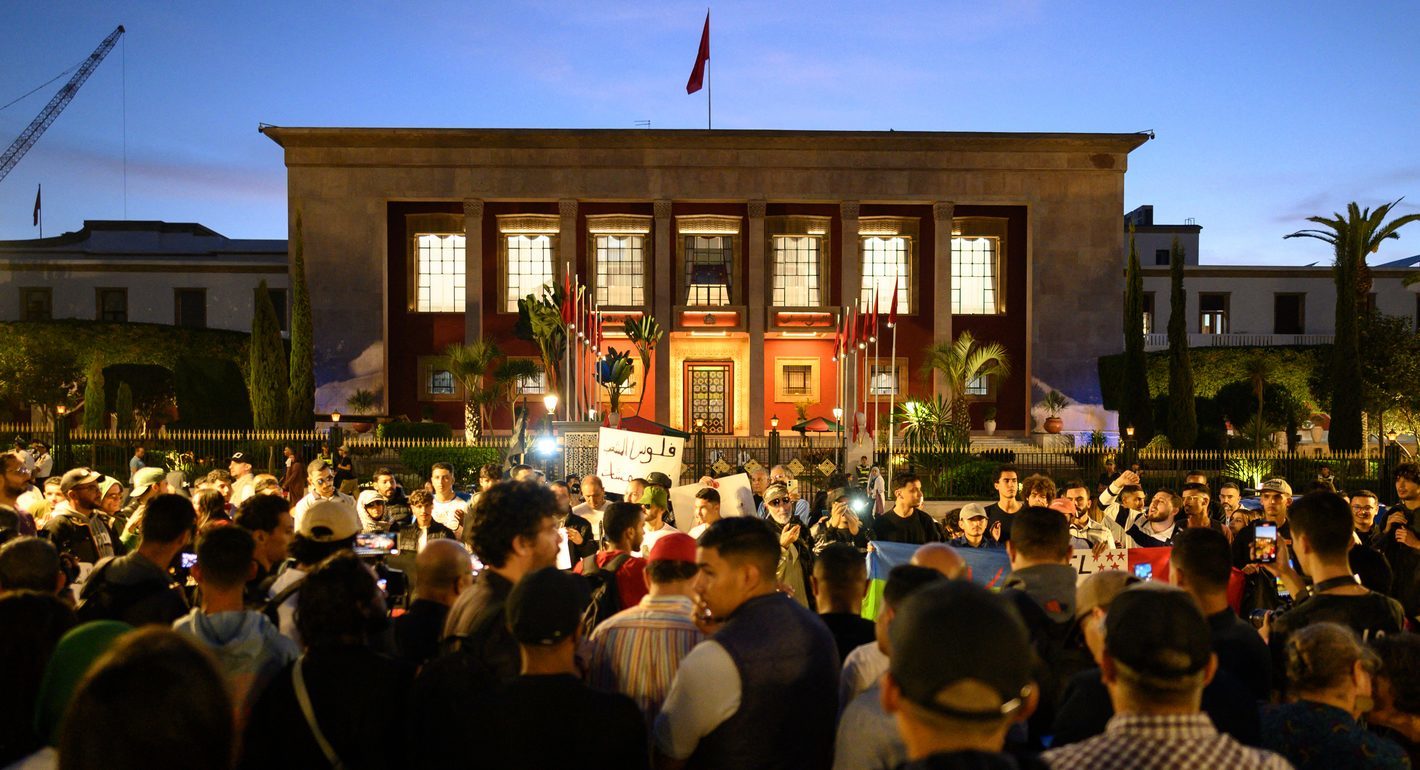
From anime heroes to online gaming communities, Morocco’s Gen Z is building a new protest culture. What does this digital imagination reveal about youth politics, and how should institutions respond?
Abdelilah Farah
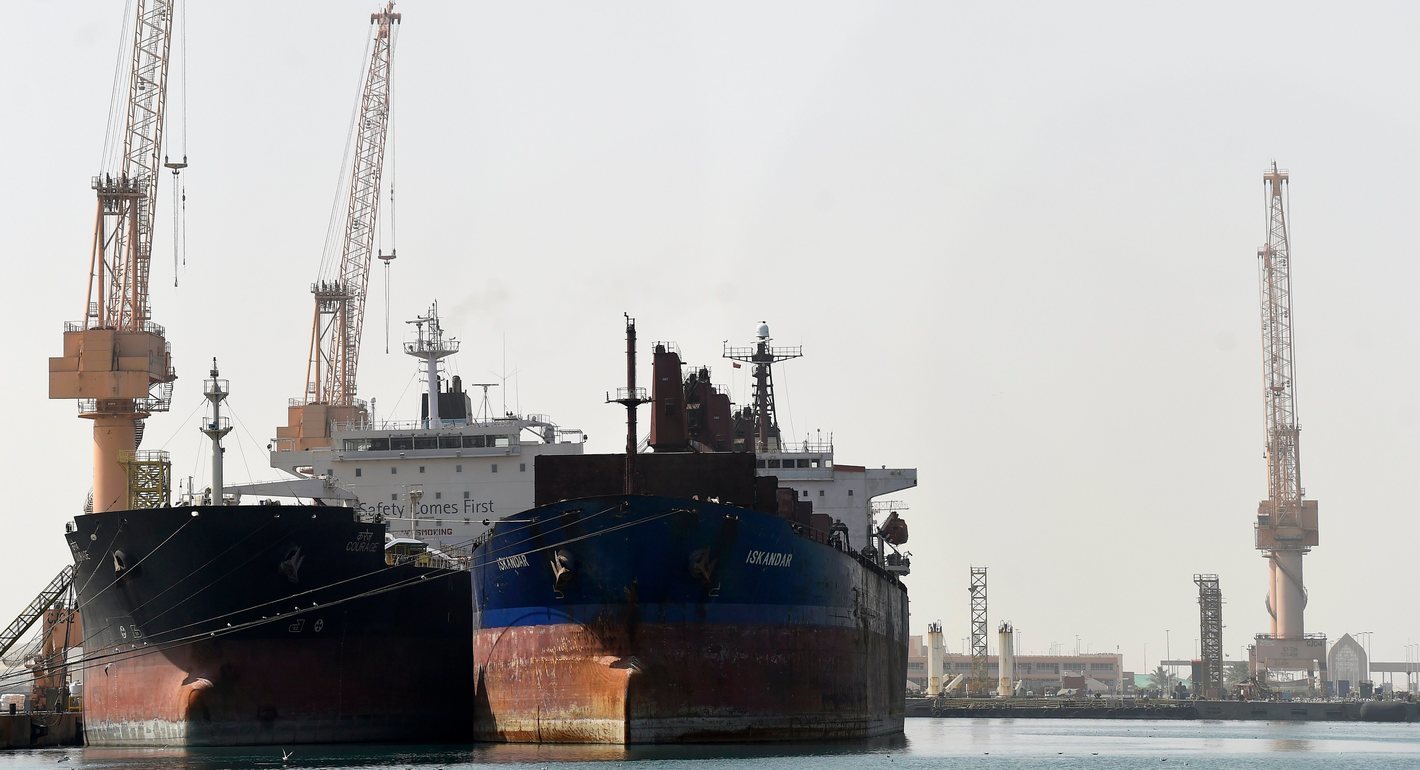
In a volatile Middle East, the Omani port of Duqm offers stability, neutrality, and opportunity. Could this hidden port become the ultimate safe harbor for global trade?
Giorgio Cafiero, Samuel Ramani
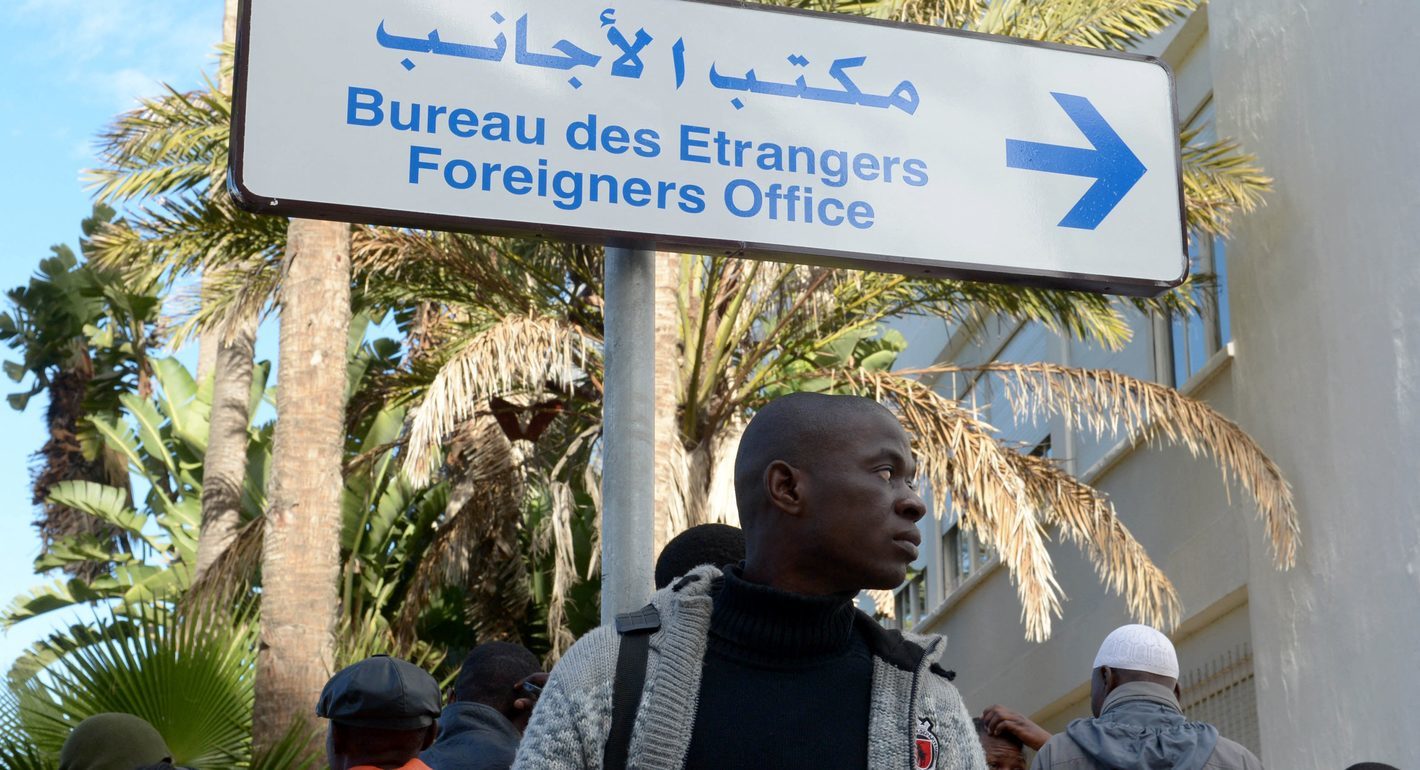
Is Morocco’s migration policy protecting Sub-Saharan African migrants or managing them for political and security ends? This article unpacks the gaps, the risks, and the paths toward real rights-based integration.
Soufiane Elgoumri
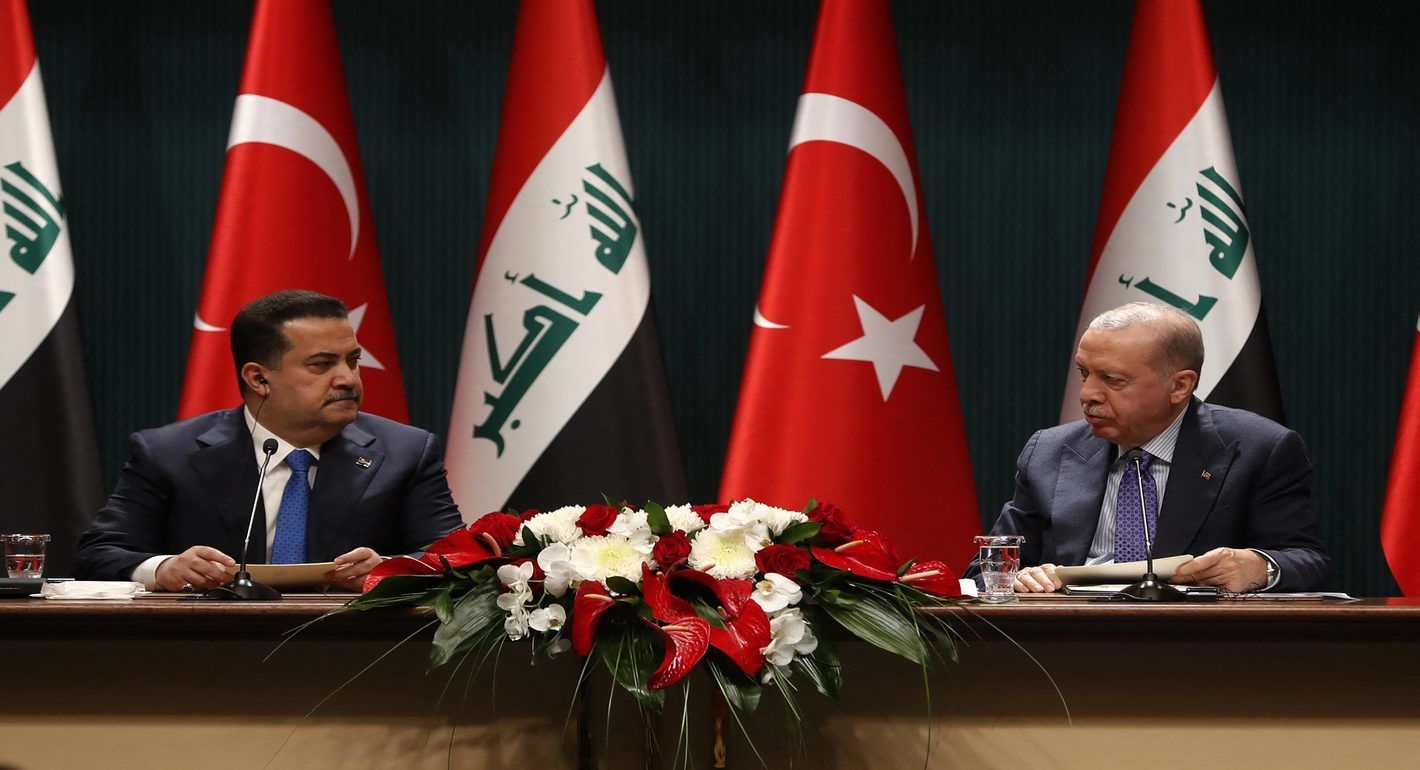
Iraq’s foreign policy is being shaped by its own internal battles—fractured elites, competing militias, and a state struggling to speak with one voice. The article asks: How do these divisions affect Iraq’s ability to balance between the U.S. and Iran? Can Baghdad use its “good neighbor” approach to reduce regional tensions? And what will it take for Iraq to turn regional investments into real stability at home? It explores potential solutions, including strengthening state institutions, curbing rogue militias, improving governance, and using regional partnerships to address core economic and security weaknesses so Iraq can finally build a unified and sustainable foreign policy.
Mike Fleet
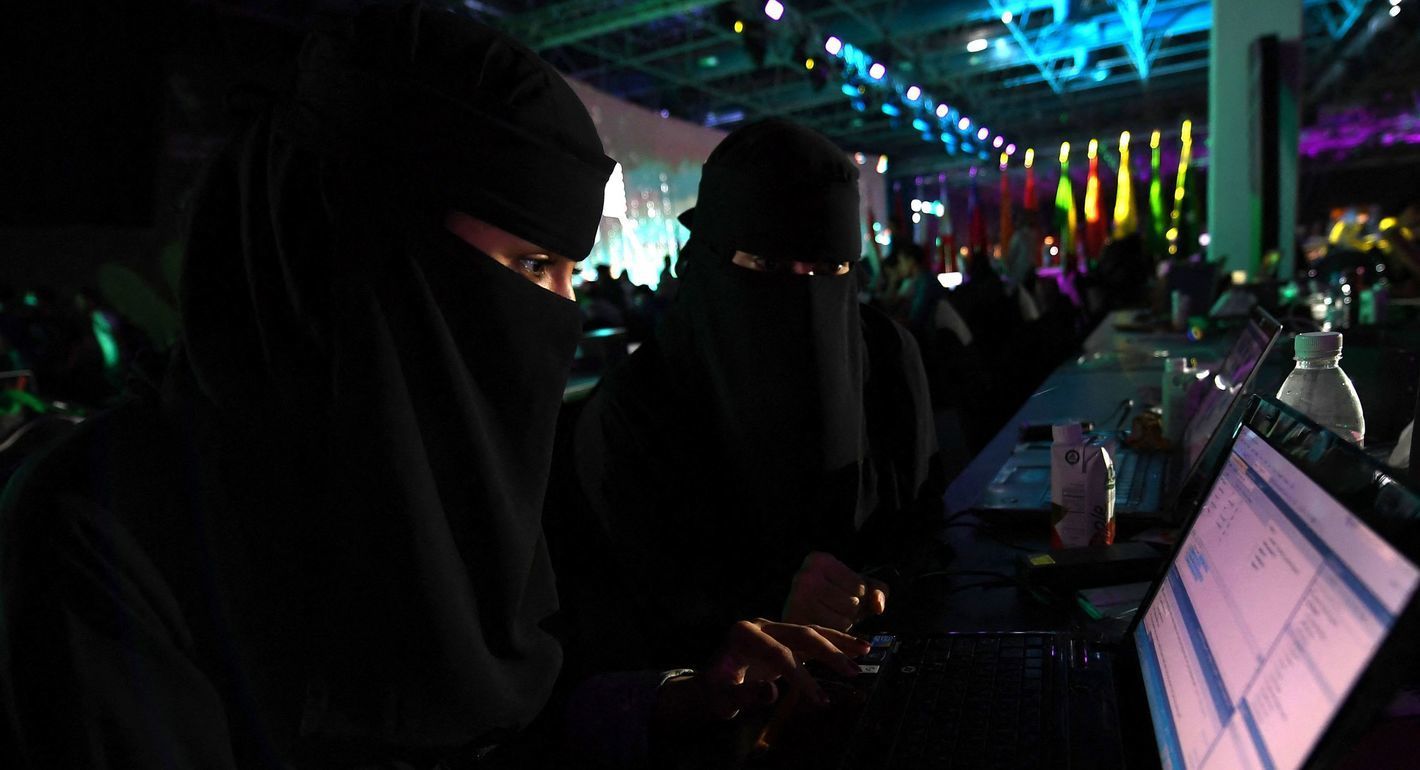
How can Saudi Arabia turn its booming e-commerce sector into a real engine of economic empowerment for women amid persistent gaps in capital access, digital training, and workplace inclusion? This piece explores the policy fixes, from data-center integration to gender-responsive regulation, that could unlock women’s full potential in the kingdom’s digital economy.
Hannan Hussain