

Report
- +9
Richard Youngs, Erik Jones, Dan Baer, …
{
  "authors": [
    "Richard Youngs"
  ],
  "type": "commentary",
  "blog": "Sada",
  "centerAffiliationAll": "",
  "centers": [
    "Carnegie Endowment for International Peace"
  ],
  "collections": [],
  "englishNewsletterAll": "",
  "nonEnglishNewsletterAll": "",
  "primaryCenter": "Carnegie Endowment for International Peace",
  "programAffiliation": "",
  "programs": [],
  "projects": [],
  "regions": [
    "Middle East",
    "North Africa"
  ],
  "topics": [
    "Political Reform",
    "Economy"
  ]
}

REQUIRED IMAGE
With President Bush's May 2003 announcement that the United States will work to create a US-Middle East free trade zone by 2013, the White House has given free trade a leading role in its strategy for the economic and political transformation of the Arab world. As President Bush declared, "Free markets will defeat poverty and promote the habits of liberty."
With President Bush's May 2003 announcement that the United States will work to create a US-Middle East free trade zone by 2013, the White House has given free trade a leading role in its strategy for the economic and political transformation of the Arab world. As President Bush declared, "Free markets will defeat poverty and promote the habits of liberty." The European Union (EU) has sought to deploy free trade agreements as a means of engendering political reform in Arab countries for nearly a decade. Its experience reveals the difficulties in effecting a linkage between economic and political liberalization.
The EU has been working towards a Euro-Mediterranean free trade area since 1995. Due to be established in 2010, it will encompass the fifteen EU member states and twelve southern Mediterranean partners - Morocco, Algeria, Tunisia, Egypt, Israel, the Palestinian Authority, Syria, Lebanon, Jordan, Turkey, Malta and Cyprus. Regional free trade is being constructed through bilateral 'association agreements,' all of which have been concluded, with the exception of Syria's.
Most European governments anticipated that the association agreements would advance human rights and democratic reform in two main ways. First, the economic liberalisation necessary to meet the trade and economic reform requirements of the agreements was expected to engender pro-democracy momentum by fostering new economic power centers, specifically in the form of more independent private sectors that would press for political change. Yet Arab governments have moved slowly on such reforms. In part, this reflects the fact that Arab leaders often were enticed to sign association agreements less by the prospect of free trade than by the agreements' incentives of generous new aid packages, security cooperation, work on immigrants' rights, counter-terrorism cooperation, and the prospect of the EU facilitating Arab regionalism in a way that would (they hoped) assist in isolating Israel. For their part, several European governments have quietly supported a slow approach to free trade preparations in strategically vital countries such as Morocco, Egypt and Jordan, fearing that dramatic economic liberalisation will foster political instability. Further, there is so far little evidence that the reforms already enacted have loosened Arab regimes' patronage-based control over private sector actors. Most regimes have acted as gatekeepers to free trade agreement-linked reforms, using them to enhance their networks of political patrimony.
Second, all association agreements include a legally binding, non-negotiable commitment on the part of Arab signatories to 'human rights and democratic principles.' This so-called democracy clause provides directly for the suspension of either all or part of the agreements' aid and trade provisions - although the conditions that would trigger such suspension are not defined. A 'consultation procedure' provides for human rights and democracy concerns to be addressed in diplomatic exchanges prior to imposing any punitive measures.
The democracy clauses have brought human rights into the general dynamics of relations between Europe and the Arab world in subtle ways. The clauses have given European governments and NGOs a formal reference point that can be invoked when admonishing Arab regimes for undemocratic performance. EU policymakers insist that this has enabled them to push Arab states to address specific human rights cases, such as the detainment of individual journalists or democracy activists, with some success. The EU has also stepped up its democracy assistance programs, often now funding civil society programs without the formal agreement of Arab governments.
But the democracy clause has had little discernable effect in encouraging Arab governments to undertake systemic political reforms. It has never been invoked against a Middle Eastern state, even temporarily to halt new aid projects. One reason is that the clause is vague and does not specify precisely what kind of reform the EU expects. The lack of detailed benchmarks has undermined the clarity and perceived seriousness of the EU's rhetoric on democracy and human rights.
Another reason is that EU officials insist that the purpose of the democracy clause is 'positive,' not 'coercive.' Thus, Arab regimes have not perceived the punitive wielding of the EU's democratic conditionality to be an imminent prospect and thus have felt little pressure to change their behavior. Their perception is correct. While European officials routinely argue that the lack of democracy helps explain the pitifully low levels of EU investment in the Middle East region, in practice they have been unwilling to interrupt economic relations in the short-term for the sake of political reform.
In short, the EU has laid impressively broad foundations for linking free trade and political reform in the Middle East, but remains short of fully utilising its economic leverage as a tool to encourage political reform. There is a certain irony in the fact that as the Bush administration has come to stake its Middle East reform policy on the supposed liberty-enhancing value of free trade, much debate in Europe has come to focus on the manifest limitations to this gradual approach to democratic reform.
Richard Youngs is senior research fellow at the Norwegian Institute of International Affairs and author of The European Union and The Promotion of Democracy: Europe's Mediterranean and Asian Policies (Oxford University Press, 2002).

Senior Fellow, Democracy, Conflict, and Governance Program
Richard Youngs is a senior fellow in the Democracy, Conflict, and Governance Program, based at Carnegie Europe. He works on EU foreign policy and on issues of international democracy.
Recent Work
Richard Youngs, Erik Jones, Dan Baer, …

Richard Youngs, Thomas Carothers
Carnegie does not take institutional positions on public policy issues; the views represented herein are those of the author(s) and do not necessarily reflect the views of Carnegie, its staff, or its trustees.
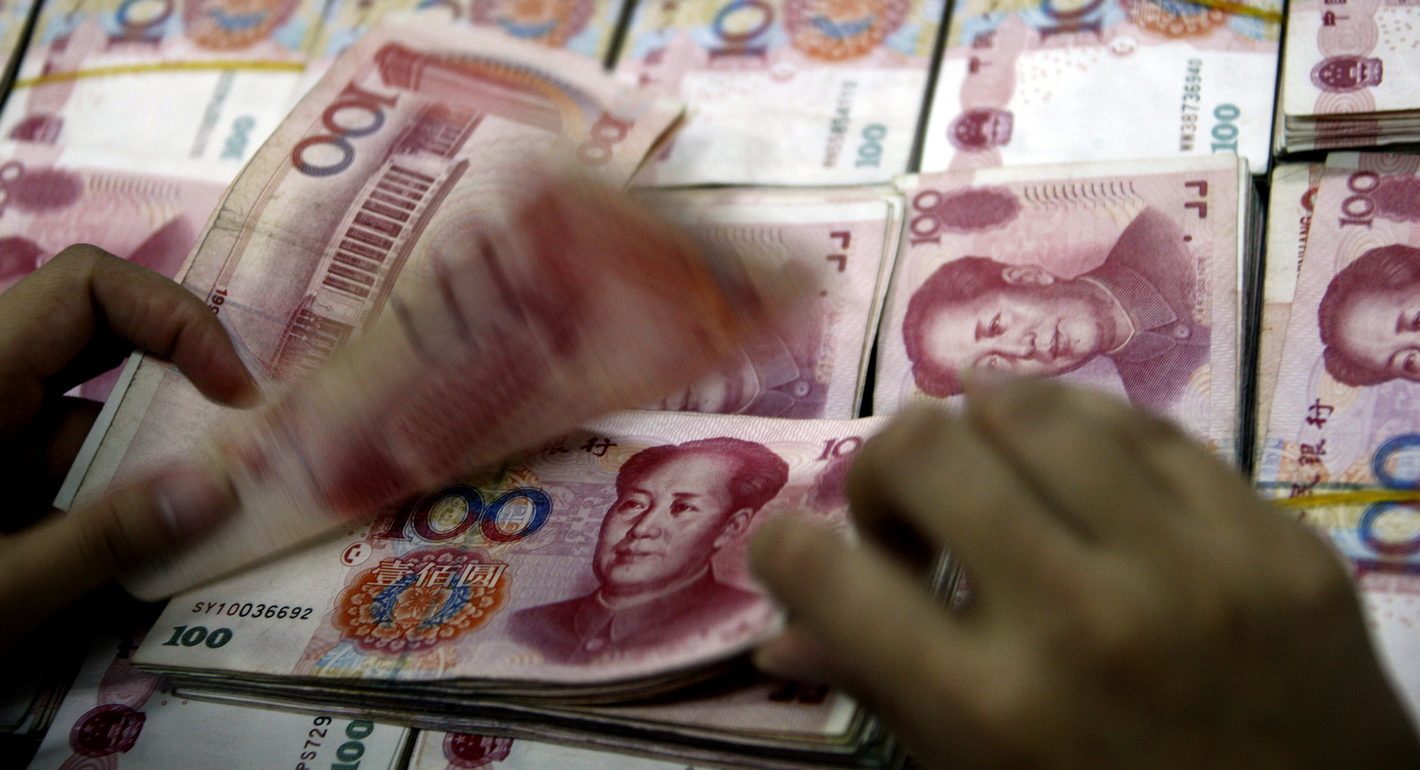
Is the Gulf moving beyond the dollar? This article examines how China is expanding the renminbi's role across Gulf markets, what that means for regional finance, and why the future of global currencies is more complex than the de-dollarization debate suggests.

Andrew Bonney
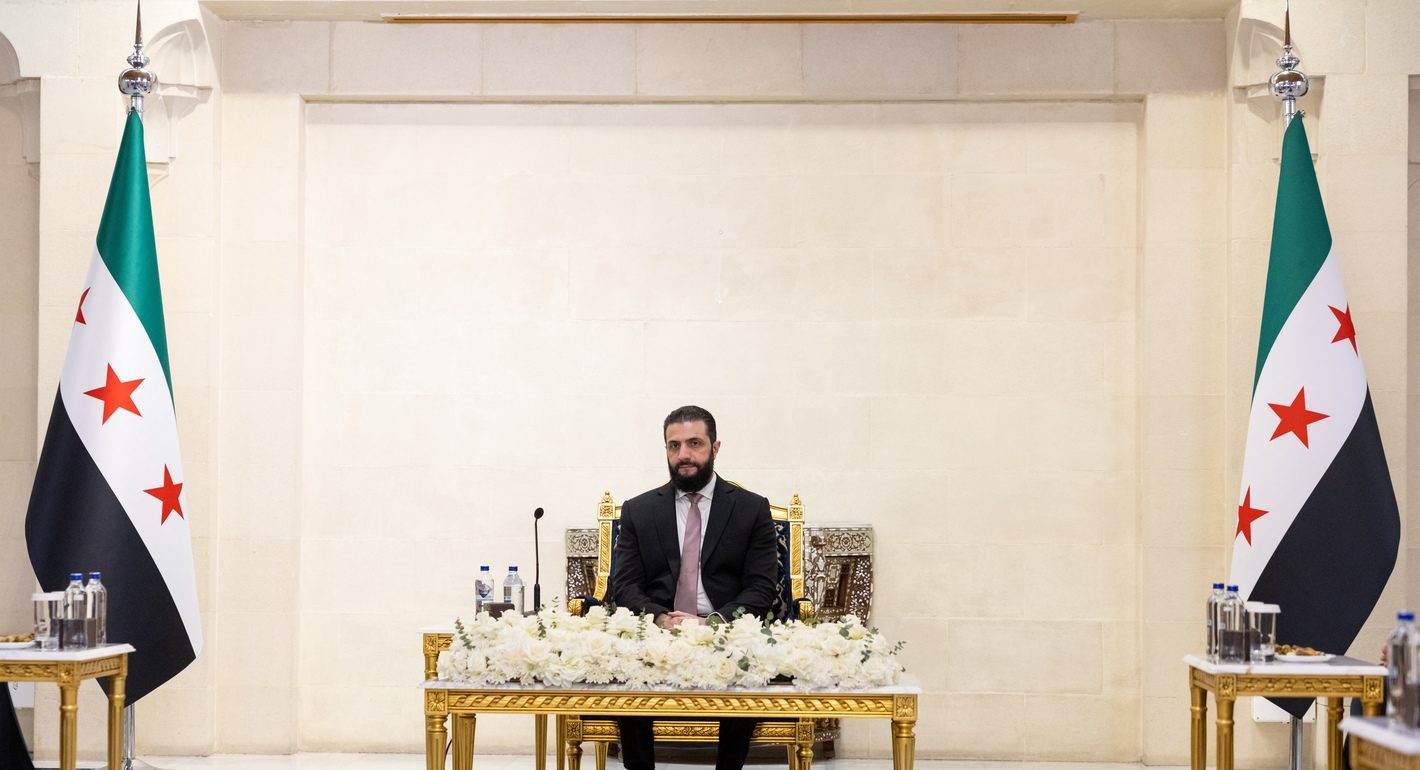
Syria's transition promised a fresh start. But are old habits of power making a comeback? This analysis looks at the warning signs and what it will take to build a more accountable state.
Sima Beitinjaneh
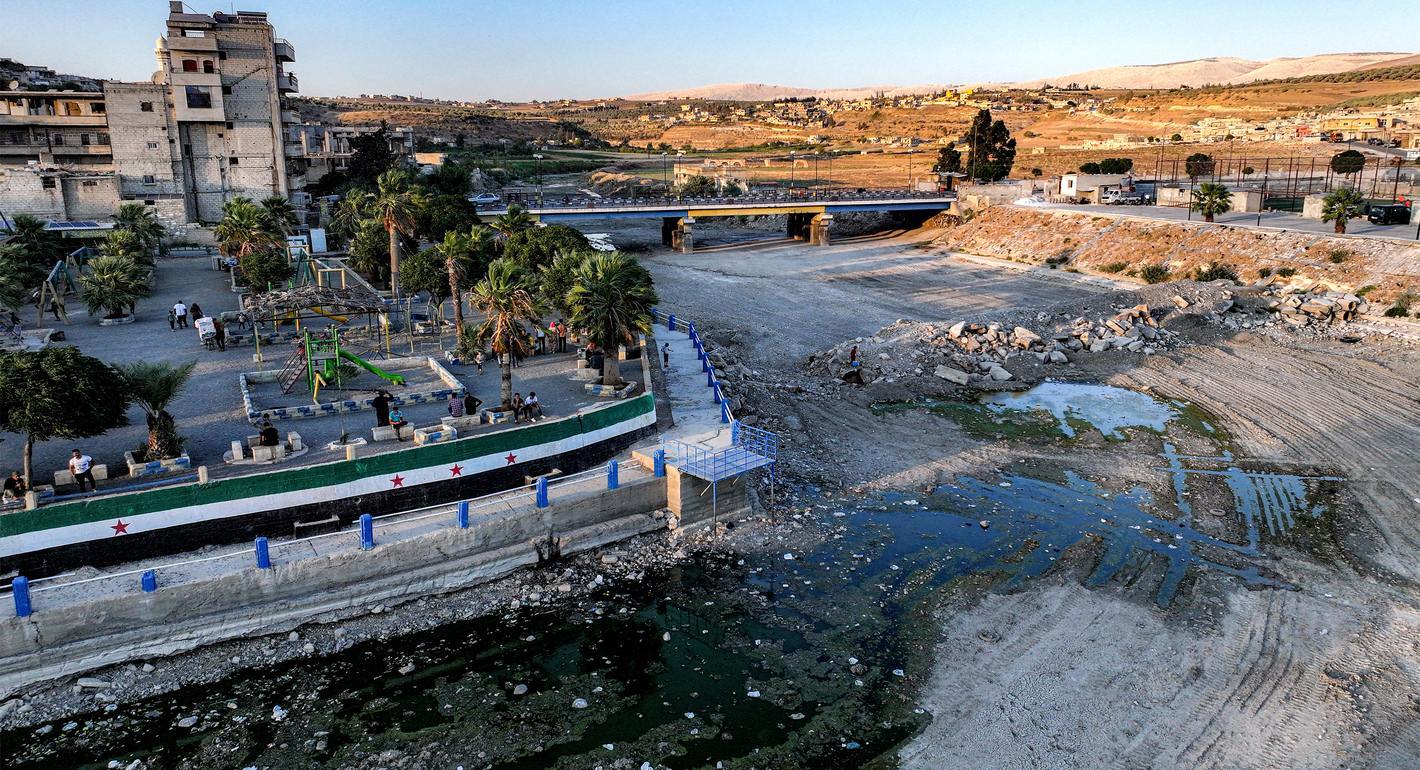
Syria’s worsening drought is no longer a seasonal crisis. This report explains what climate change is doing to rainfall, groundwater, and food security, and what solutions experts say are still possible.
Milia Esper
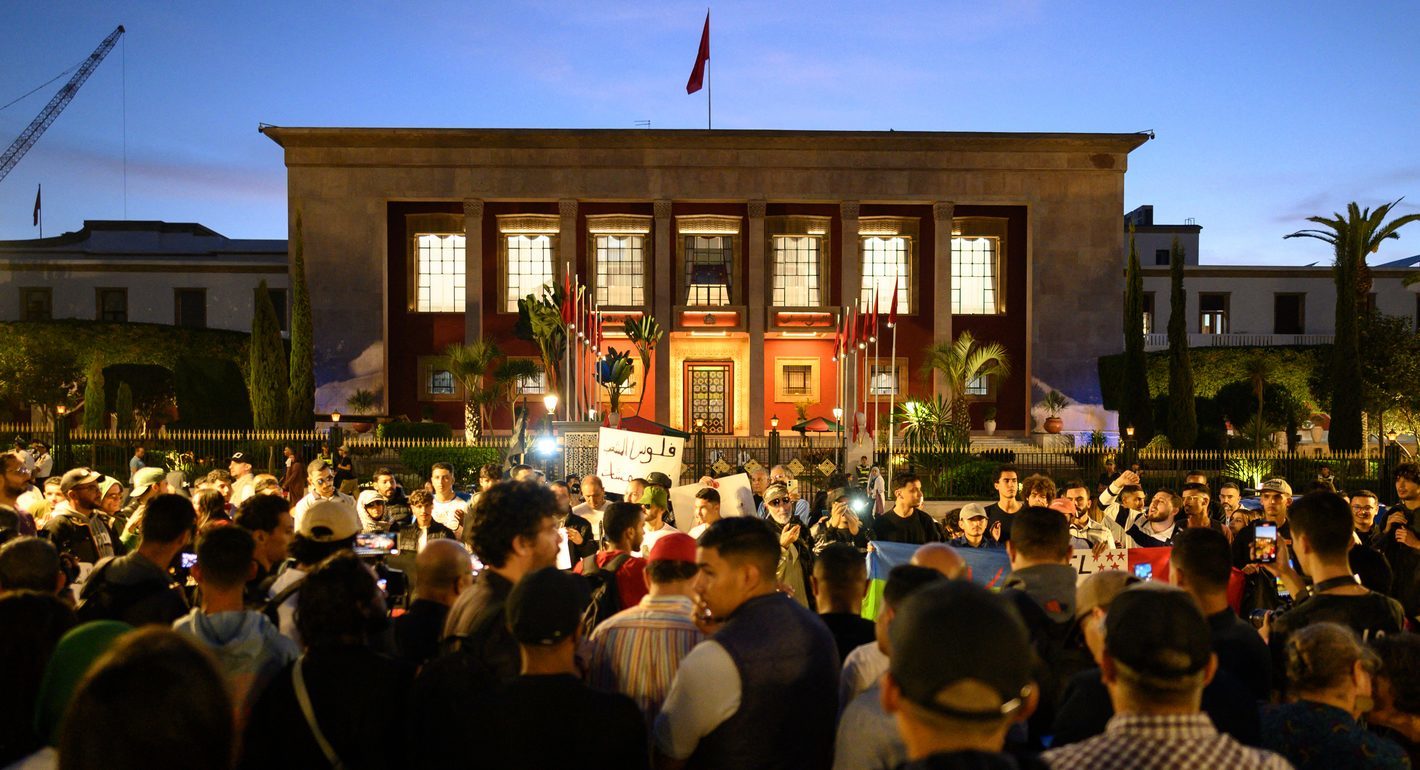
From anime heroes to online gaming communities, Morocco’s Gen Z is building a new protest culture. What does this digital imagination reveal about youth politics, and how should institutions respond?
Abdelilah Farah
In a volatile Middle East, the Omani port of Duqm offers stability, neutrality, and opportunity. Could this hidden port become the ultimate safe harbor for global trade?
Giorgio Cafiero, Samuel Ramani