

Commentary
Syria’s worsening drought is no longer a seasonal crisis. This report explains what climate change is doing to rainfall, groundwater, and food security, and what solutions experts say are still possible.
Milia Esper
{
  "authors": [
    "Abdul Monem Abul Futouh"
  ],
  "type": "commentary",
  "blog": "Sada",
  "centerAffiliationAll": "",
  "centers": [
    "Carnegie Endowment for International Peace"
  ],
  "collections": [],
  "englishNewsletterAll": "",
  "nonEnglishNewsletterAll": "",
  "primaryCenter": "Carnegie Endowment for International Peace",
  "programAffiliation": "",
  "programs": [],
  "projects": [],
  "regions": [
    "Middle East",
    "North Africa",
    "Egypt"
  ],
  "topics": [
    "Political Reform"
  ]
}

REQUIRED IMAGE
Abdul Monem Abul Futouh, a member of the Guidance Bureau of the Egyptian Muslim Brotherhood, offered his comments on “Islamist Movements and the Democratic Process in the Arab World: Exploring the Gray Zones,” by Nathan Brown, Amr Hamzawy, and Marina Ottaway (Carnegie Paper No. 67, March 2006).
Abdul Monem Abul Futouh, a member of the Guidance Bureau of the Egyptian Muslim Brotherhood, offered his comments on “Islamist Movements and the Democratic Process in the Arab World: Exploring the Gray Zones,” by Nathan Brown, Amr Hamzawy, and Marina Ottaway (Carnegie Paper No. 67, March 2006). Here are excerpts.
I read carefully your exceptional study of the six areas that continue to puzzle researchers in the West with regard to reformist Islamist movements. To my mind, the term “reformist Islam” represents a more accurate description of the activities of Islamist movements than “political Islam.” The latter inaccurately limits the movement's activities to political participation and excludes its engagement in social, educational, cultural, and developmental issues.
It is also important to note that the Egyptian Muslim Brotherhood is an Islamic association, not just a religious organization or a conventional political party. There is a debate within the movement about the possibility of transformation to a political party that carries out the movement's reform agenda. Another possibility is establishing a separate political party, with a delineation of responsibilities between party and movement. We differentiate clearly between political and religious activities, although repressive state practices have often led to conflation of the two.
Let me now turn to the six gray zones you highlight in your paper:
1) Islamic Sharia
Islamic tenets assert three values, all of which stem from mercy. First is religious worship to discipline the soul; second is establishing justice among people without distinction; and third is achieving social welfare. Despite the fact that criminal penalties constitute only 10 percent of all Islamic law, they have drawn the most attention among scholars of Muslim societies, leading some to mistakenly equate the sharia with punishment. Penalties stipulated in the sharia serve primarily as deterrents. The more powerful the deterrent is, the more effective the law is at preserving social stability and rehabilitating criminals. In Islam, everything is allowed except what is definitively prohibited, and these prohibitions are known and limited.
2) The Use of Violence
Violence is against our interests and those of our nations. Our understanding of Islam leads us to trust wholly in human nature, and in the ability of Islam to deal creatively with this nature in an atmosphere of democratic competition that respects diversity and practices tolerance. I believe that discussions about the position of reformist Islamist movements on violence have become pointless. The fundamental distinction between resistance to oppression and occupation on the one hand, and intimidation and bloodshed on the other should be clear to all. In truth, it is the West that must be cleansed of violence. The Middle East has been for a long time a clear example of Western violence. It is our hope that the West will have greater respect for diversity and practice tolerance in word and deed.
3) Political Pluralism
To accept diversity among human beings is to accept the right to disagree. Diversity in ideas and methods is both natural and logical. In politics, leftist parties put forth ideas on social justice that are worthwhile considering while liberals offer compelling views on freedom. Societies are broad enough to encompass all of these ideas so long as they do not conflict with the highest values anchored in the constitution. The right for like-minded individuals to meet and assemble freely has become a necessity in our times, in which the modern state has grown dominant due to tremendous technological advances. Freedom of association assembly enables those who stand in the opposition to exert pressure on the authorities and helps create a balanced political life.
4) Civil and Political Rights
Democracy remains the most effective means available for achieving human rights. Reformist Islamist movements understand democracy as coexistence among all elements of society, peaceful and constitutional alternation of power, the rule of law, and the protection of individual rights and freedoms. Freedom, in and of itself, is a central Islamic value.
5) Women's Rights
Islam affirms the rights of women to administer family matters along with men, through compromise and consultation. The Holy Quran mentions that women, in public life, have equal rights of participation. They have the right to hold any public position—including the presidency, as institutions develop—and to participate in democratic governance. It is worth mentioning that the issue of women's rights is by no means confined to Muslim societies. Women in France did not win the right to vote until 1945, after showing courage and strength in resisting the German occupation. Reformist Islamist movements assign a large role to women in the national awakening. Women are half of society and they raise the other half; they are doctors, teachers, and engineers. The veiling of women in Islam, which accords with modesty and morality, does not cover their minds and personalities.
6) Religious Minorities
Freedom of worship is the most basic of all human rights, governed by the Islamic principle that “there is no compulsion in religion.” Reformist Islamist movements consider the citizen the foundation of society, regardless of religion or color. The jizya (tax on non-Muslims) and dhimma (protected non-Muslims) are historical terms only, which have been replaced by the concept of citizenship-based democracy in a nation of justice and law. This is the model that reformist Islam, with the Muslim Brotherhood at the fore, strives to envision and to build.
Translated from Arabic by Kevin Burnham and Dina Bishara.
Abdul Monem Abul Futouh
Carnegie does not take institutional positions on public policy issues; the views represented herein are those of the author(s) and do not necessarily reflect the views of Carnegie, its staff, or its trustees.
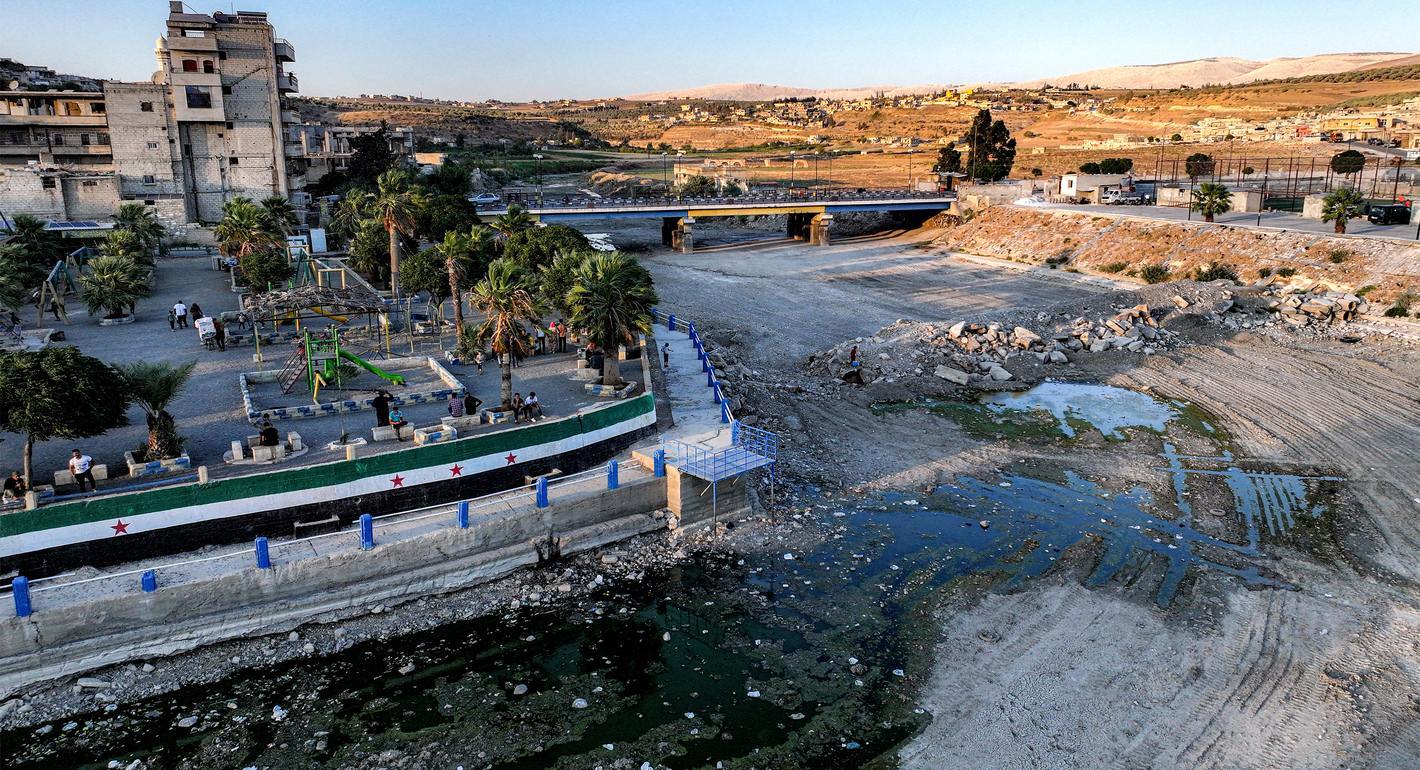
Syria’s worsening drought is no longer a seasonal crisis. This report explains what climate change is doing to rainfall, groundwater, and food security, and what solutions experts say are still possible.
Milia Esper
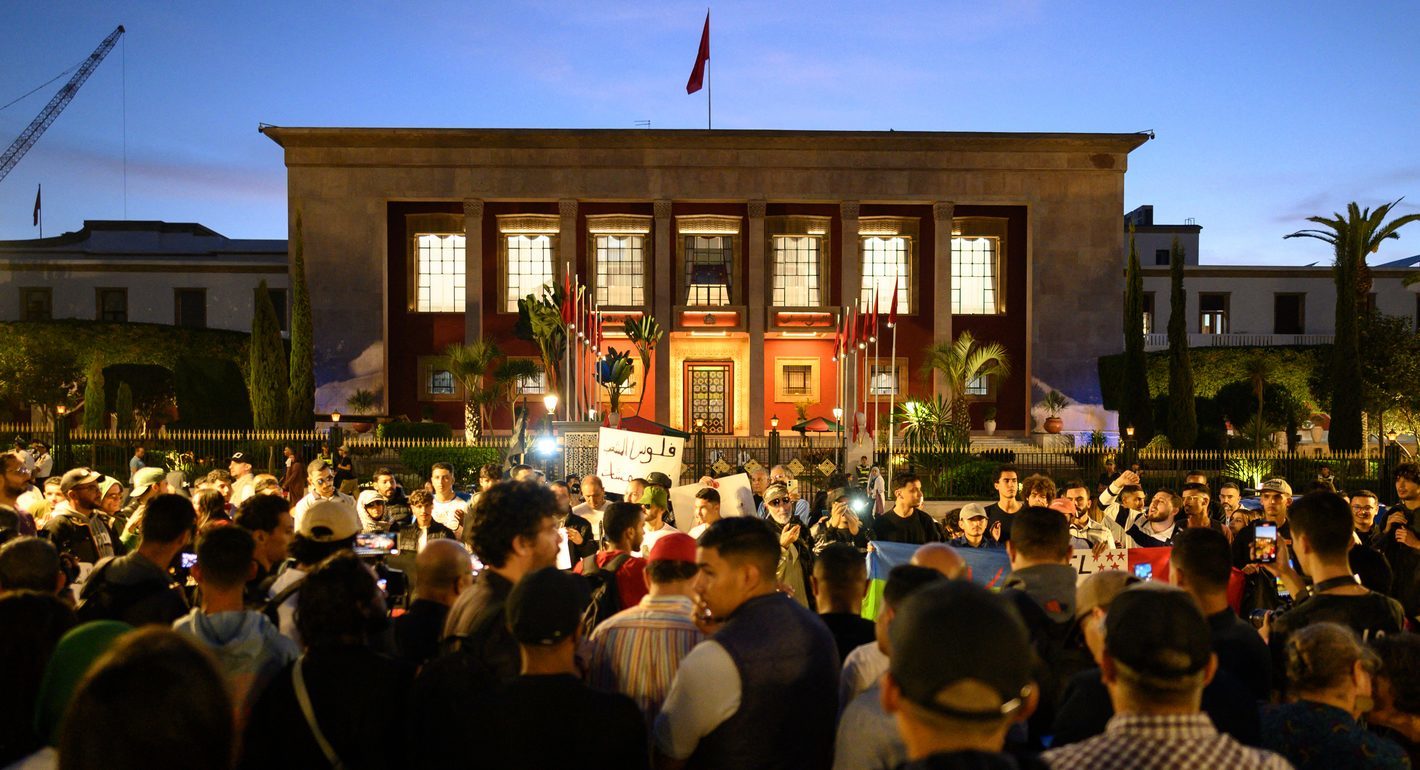
From anime heroes to online gaming communities, Morocco’s Gen Z is building a new protest culture. What does this digital imagination reveal about youth politics, and how should institutions respond?
Abdelilah Farah
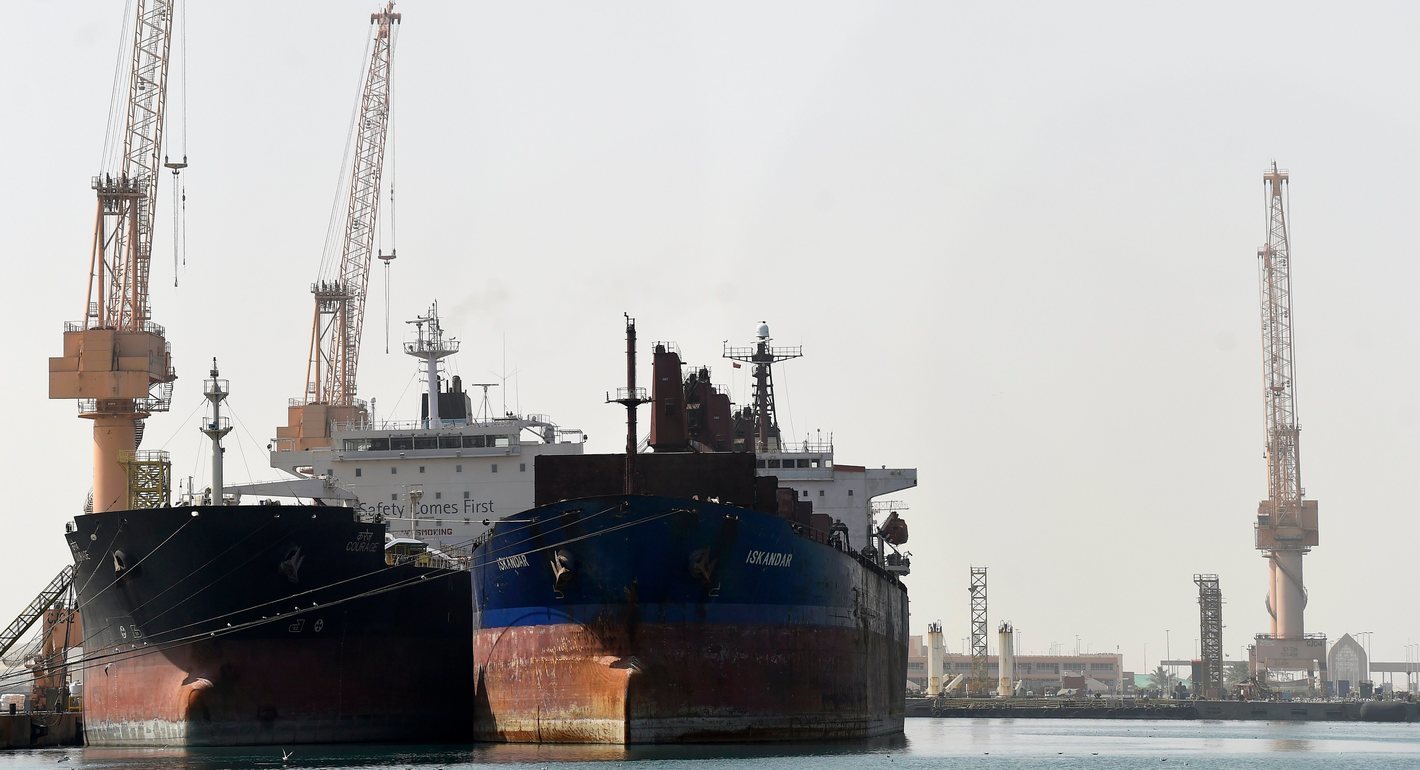
In a volatile Middle East, the Omani port of Duqm offers stability, neutrality, and opportunity. Could this hidden port become the ultimate safe harbor for global trade?
Giorgio Cafiero, Samuel Ramani
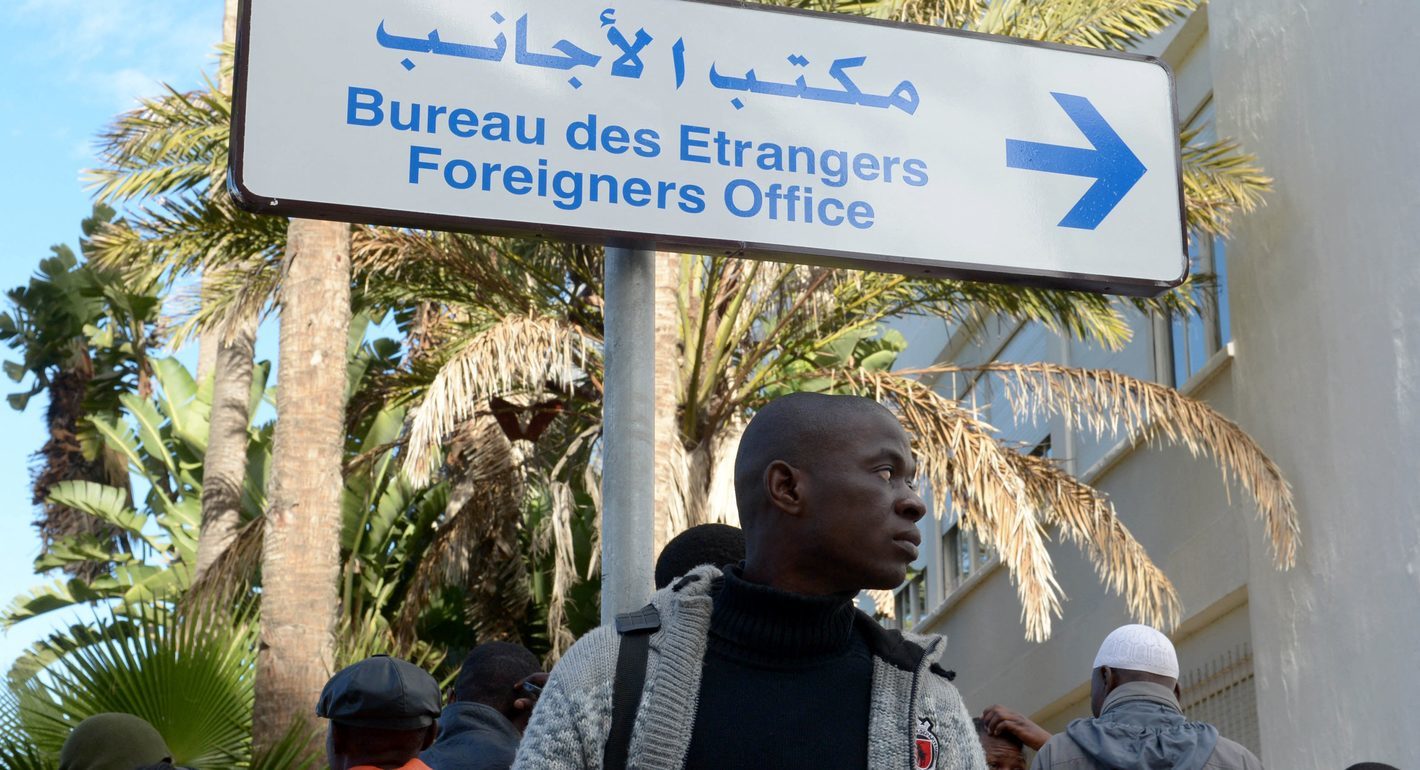
Is Morocco’s migration policy protecting Sub-Saharan African migrants or managing them for political and security ends? This article unpacks the gaps, the risks, and the paths toward real rights-based integration.
Soufiane Elgoumri
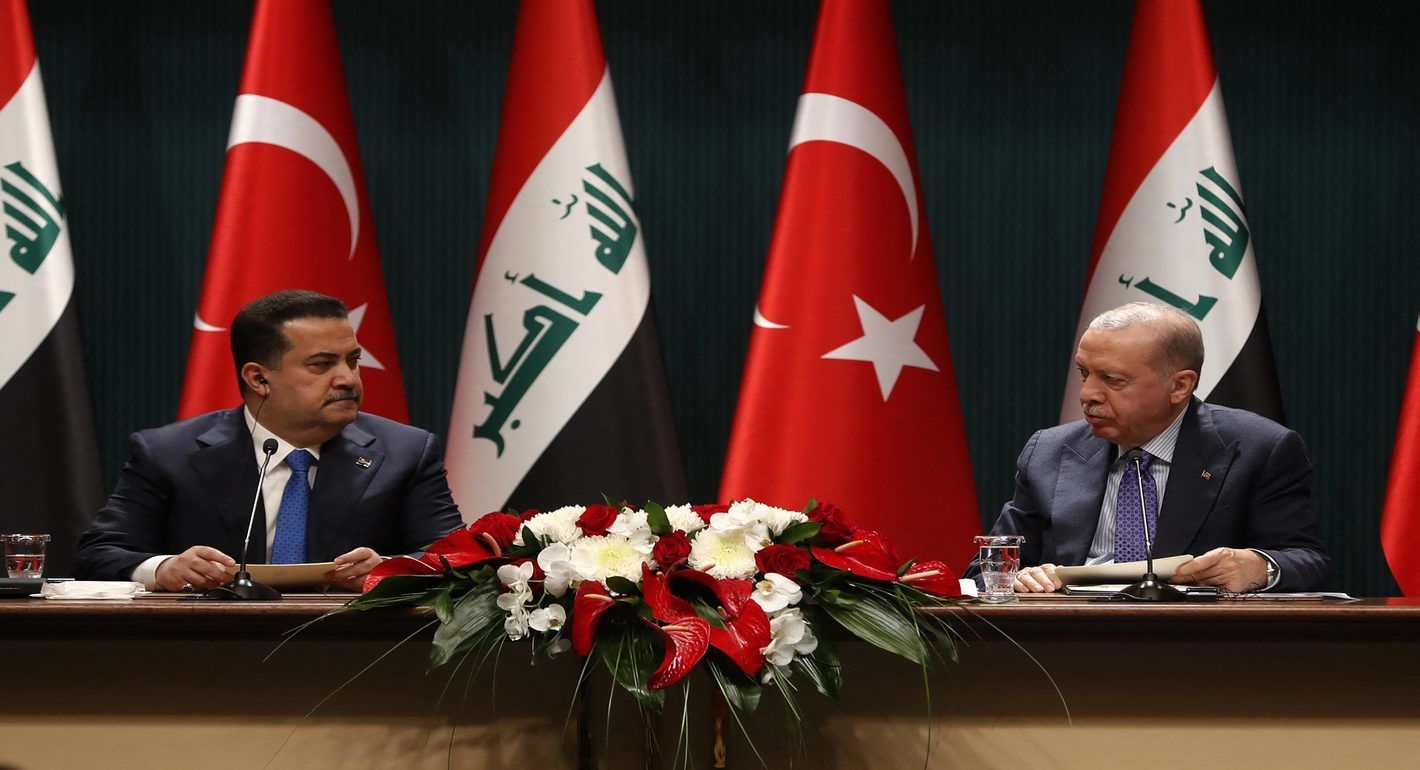
Iraq’s foreign policy is being shaped by its own internal battles—fractured elites, competing militias, and a state struggling to speak with one voice. The article asks: How do these divisions affect Iraq’s ability to balance between the U.S. and Iran? Can Baghdad use its “good neighbor” approach to reduce regional tensions? And what will it take for Iraq to turn regional investments into real stability at home? It explores potential solutions, including strengthening state institutions, curbing rogue militias, improving governance, and using regional partnerships to address core economic and security weaknesses so Iraq can finally build a unified and sustainable foreign policy.
Mike Fleet