

تعليق
هل يمكن للغاز أن يخفف التوتر بين مصر وإسرائيل، أم أن المصالح الاقتصادية تؤجل الصدام فقط؟ يقارن المقال بين صفقة الغاز المصرية-الإسرائيلية والتجربة الألمانية-الروسية ليكشف حدود قدرة التجارة والاعتماد المتبادل على احتواء الصراع.
نورهان حفظي
{
  "authors": [
    "Ali Latif"
  ],
  "type": "commentary",
  "blog": "صدى",
  "centerAffiliationAll": "",
  "centers": [
    "Carnegie Endowment for International Peace"
  ],
  "collections": [],
  "englishNewsletterAll": "",
  "nonEnglishNewsletterAll": "",
  "primaryCenter": "Carnegie Endowment for International Peace",
  "programAffiliation": "",
  "programs": [],
  "projects": [],
  "regions": [
    "العراق",
    "الشرق الأوسط"
  ],
  "topics": [
    "الإصلاح السياسي"
  ]
}

REQUIRED IMAGE
تحوّل حزب الدعوة العراقي الذي تأسّس على يد محمد باقر الصدر واستلهم أفكاره عن "ولاية الأمّة"، من حركة سرّية تعتنق الثورة الإسلامية إلى لاعب أساسي في حكومة عراقية ديمقراطية. وقد شهد الحزب تحوّلات أيديولوجية هائلة لكن ما زال يواجه تحدّيات كبرى
تحوّل حزب الدعوة العراقي الذي تأسّس على يد محمد باقر الصدر واستلهم أفكاره عن "ولاية الأمّة"، من حركة سرّية تعتنق الثورة الإسلامية إلى لاعب أساسي في حكومة عراقية ديمقراطية. وقد شهد الحزب تحوّلات أيديولوجية هائلة لكن ما زال يواجه تحدّيات كبرى من أجل حشد الدعم الضروري إذا كان يأمل في الحفاظ على حضور على الساحة العراقية.
بعد حملة القمع التي شنّها صدّام حسين على حزب الدعوة في السبعينات، فرّ معظم قياديّي الحزب إلى إيران. وفي حين حصل هؤلاء على ملاذ آمن، تعرّضوا للضغوط بعد الثورة الإيرانية عام 1979 كي يتبنّوا الأسلوب الإيراني في الحكم الإسلامي، "ولاية الفقيه". بدأت الضغوط مع ظهور المجلس الأعلى للثورة الإسلامية في العراق، وهو منظّمة جامعة أنشئت بهدف ضمّ كلّ مجموعات المعارضة الإسلامية العراقية تحت راية واحدة. خوفاً من التأثير غير المناسب لطهران، غادر عدد كبير من أعضاء حزب الدعوة إلى المنفى (وانتهى بهم الأمر في الممكلة المتّحدة أو أوروبا أو الولايات المتّحدة) بينما بقي آخرون في إيران واعتنقوا ولاية الفقيه. نتيجة تجزّؤ الحزب أيديولوجياً وجغرافياً على السواء، كان من الصعب بناء نظرة متماسكة من أجل عراق جديد على الرغم من أنّ بعض أعضاء حزب الدعوة استطاعوا أن يصدروا "برنامجنا" في لندن بعد ثورة الشيعة عام1991 هذا البرنامج شكّل تبدّلاً مهماً بالنسبة إلى الموقف السابق الداعي إلى إنشاء دولة إسلامية في العراق، وركّز على الحاجة إلى إطار ديمقراطي يعكس إرادة الناس.
بعد إسقاط نظام صدّام عام 2003، كان السؤال الأساسي الذي واجهه حزب الدعوة: هل تستطيع فصائل الحزب المشتَّتة إيجاد أرضيّة مشتركة، وفي هذه الحال أيّ فصيل سيكون المسيطر. والسؤال الآخر كان عن حجم الدعم الذي لا يزال الحزب يتمتّع به داخل العراق حيث أصبح للاعب آخر – مقتدى الصدر – أنصار بدا أنّ أعدادهم تتخطّى بأشواط أعداد مناصري حزب الدعوة والمجلس الأعلى للثورة الإسلامية. كانت قاعدة الدعم الأساسية لحزب الدعوة هي الطبقة المتوسّطة الشيعية التي كان عدد كبير من أفرادها قد أصبحوا في المنفى.
كان لتجارب أعضاء حزب الدعوة في مجلس الحكم والحكومة المؤقّتة بعد عام 2003 تأثير عميق على الحزب. فالتعاطي مع شؤون الدولة العملية مختلف جداً عن سياسة المعارضة في المنفى، وسرعان ما بات واضحاً أنّ الحزب بحاجة إلى نظرة استشرافية أكثر براغماتية. سيطر أعضاء حزب الدعوة القادمون من لندن ونجحوا في تهميش القادمين من إيران الذين كانوا لا يزالون ينادون بتطبيق ولاية الفقيه. لكن ظلّ الحزب يعاني من الاضطرابات بسبب غياب الإجماع حول كيفيّة توفيق جذوره الإسلامية مع إطار ديمقراطي جديد، ما أدّى إلى تصرّفات مستغربة مثل غياب حزب الدعوة اللافت عن حفل توقيع القانون الإداري المؤقّت الذي ساهم أعضاؤه في إعداده.
كان موقع حزب الدعوة في السياسة العراقية بعد صدّام دقيق. كان باستطاعة الحزب الاعتماد على سمعة قويّة لكن كان واضحاً أنّه لا يملك حشداً كبيراً من المناصرين بقدر مقتدى الصدر، ولا موارد بقدر المجلس الأعلى للثورة الإسلامية الذي كان منهمكاً بتشييد بناه التحتية في الجنوب. كانت فكرة الانضمام إلى الائتلاف العراقي الموحّد، أي اللائحة الوطنية المؤلّفة من كلّ الأحزاب الإسلامية الشيعية، خياراً جذّاباً يعد بمنح الحزب الكثير من النفوذ من دون أن يواجه الاحتمال غير المضمون النتائج بالترشّح منفرداً في انتخابات 2005. علاوةً على ذلك، استطاع حزب الدعوة أن يوصِل من خلال الائتلاف العراقي الموحّد، شخصين إلى رئاسة الوزراء العراقية حتّى الآن (بينهم رئيس الوزراء الحالي نوري المالكي)، ما يثير غيظ المجلس الأعلى للثورة الإسلامية في العراق.
بعد النجاح في تجاوز المحطّتين الحاسمتين المتمثّلتين بإعداد الدستور وخوض الانتخابات الوطنية، تراجعت حاجة الأحزاب الإسلامية الشيعية الملحّة إلى الحفاظ على جبهة موحَّدة، وأصبح مستقبل الاتئلاف العراقي الموحّد ملتبس. تعيد أحزاب عدّة تقويم مصالحها وبرزت تكهّنات عن تحالفات محتملة مستندة إلى مسائل محورية مثل الفدرالية بدلاً من الهويّة المذهبية. بدأ حزب الدعوة متأخّراً العمل على تمييز نفسه بالاستناد إلى القضايا المطروحة والسياسات بدلاً من الهوية المذهبية والإثنية؛ وقد اتّخذ مؤتمره الحزبي الأوّل الذي عُقِد في بغداد في نيسان الماضي خطوة في هذا الاتّجاه.
في حين تصرّف حزب الدعوة بذكاء في عراق ما بعد صدّام، قدرة الحزب على استقطاب الدعم بالاستناد إلى فلسفة سياسية متماسكة وسياسة عامّة راسخة هي التي ستقرّر مصيره في السنوات القادمة. تلاشت إلى حدّ كبير الأسئلة السابقة عن التزام حزب الدعوة بالديمقراطية، لكنّ القلق بشأن الدعم الشعبي الذي يستطيع حشده، يثير الشكوك حيال مستقبله. يعي القياديون في الحزب هذه الهشاشة. وقد تكون مناوراتهم السياسية لاسترضاء أنصار مقتدى الصدر نابعة من خطّة تهدف إلى ضمّ الصدريين تحت جناحهم، فيضعون بذلك "رأس" حزب الدعوة على "جسم" صدري.
علي لطيف باحث في معهد السياسة العامّة في بغداد.
Ali Latif
لا تتخذ كارنيغي مواقف مؤسسية بشأن قضايا السياسة العامة؛ الآراء المعبر عنها هنا هي آراء المؤلف(ين) ولا تعكس بالضرورة آراء كارنيغي أو موظفيها أو أمنائها.
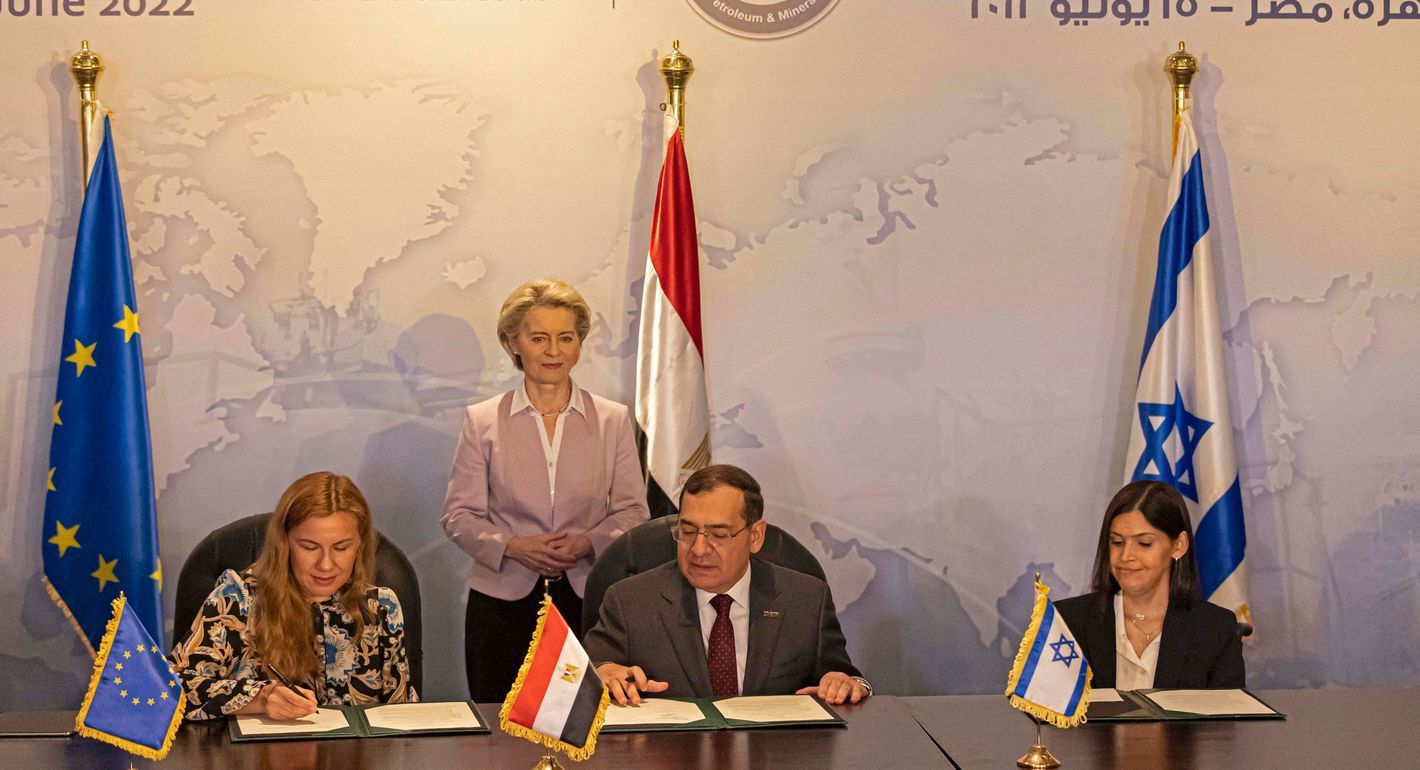
هل يمكن للغاز أن يخفف التوتر بين مصر وإسرائيل، أم أن المصالح الاقتصادية تؤجل الصدام فقط؟ يقارن المقال بين صفقة الغاز المصرية-الإسرائيلية والتجربة الألمانية-الروسية ليكشف حدود قدرة التجارة والاعتماد المتبادل على احتواء الصراع.
نورهان حفظي
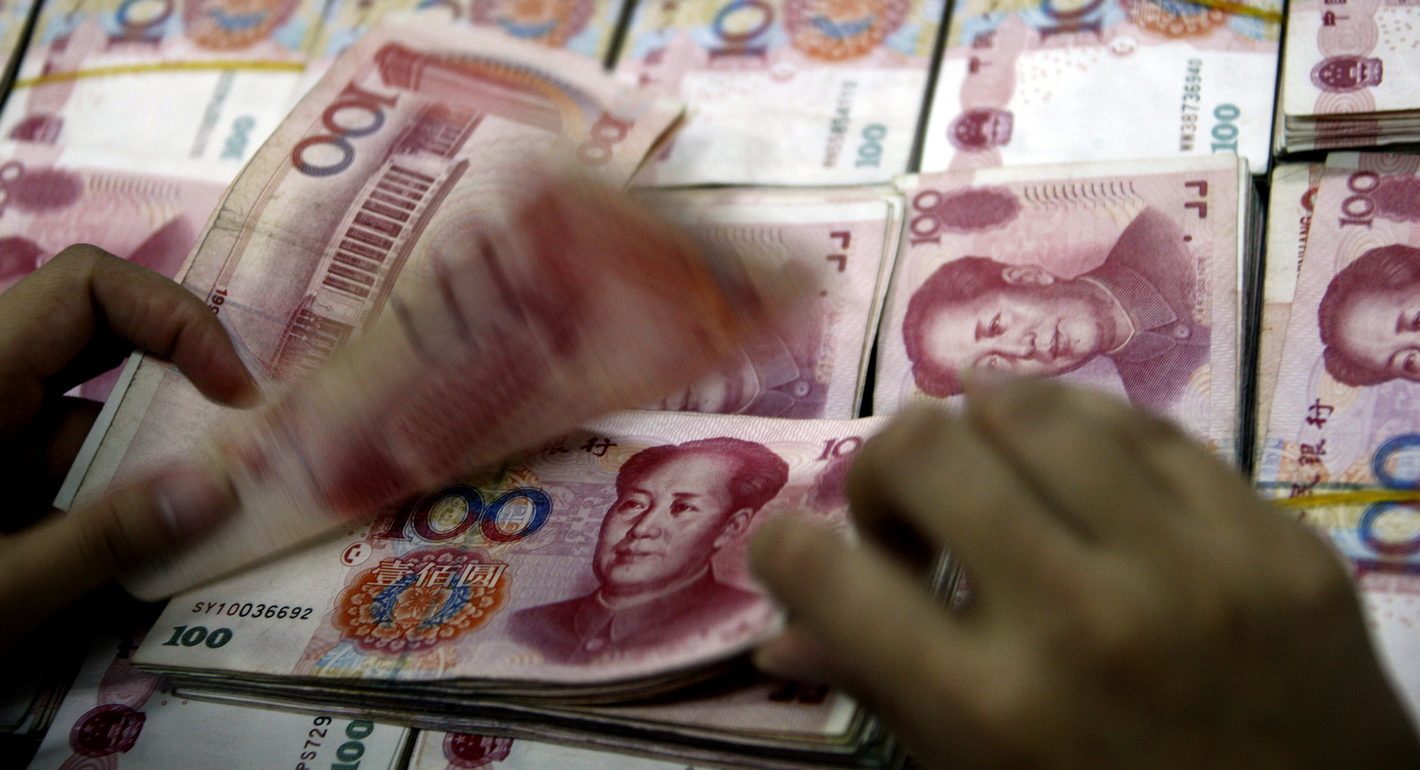
هل يتجه الخليج إلى ما بعد هيمنة الدولار؟ يتناول هذا المقال توسّع الصين لاستخدام اليوان في أسواق الخليج، وما الذي يعنيه ذلك لمستقبل النظام المالي الإقليمي، ولماذا تبدو مسألة فك الارتباط بالدولار أكثر تعقيدًا مما توحي به العناوين.
أندرو بوني
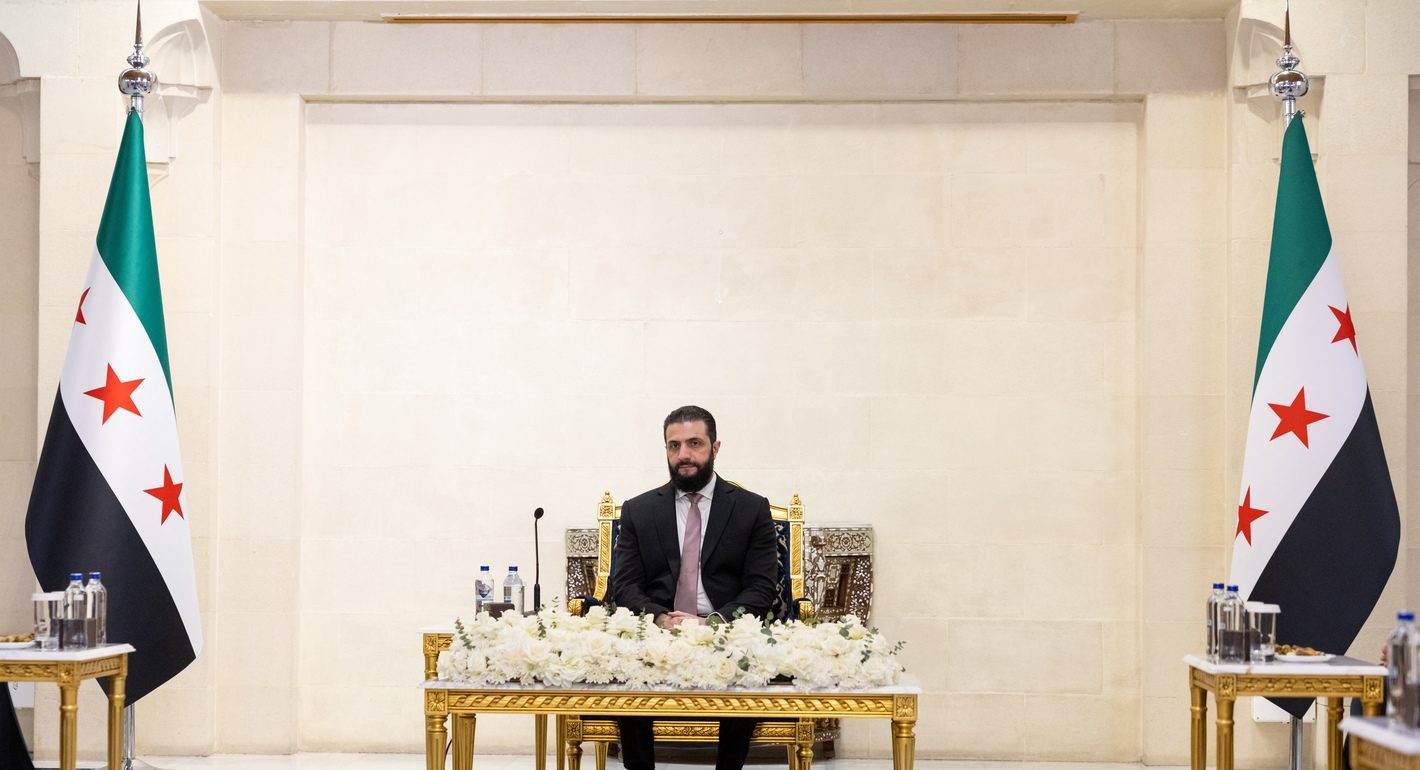
وعدت المرحلة الانتقالية في سوريا ببداية جديدة، لكن هل تعود أساليب الحكم القديمة بثوب جديد؟ يناقش هذا المقال مؤشرات ذلك وما يلزم لبناء دولة أكثر شفافية ومساءلة.
سيما بيتنجانة
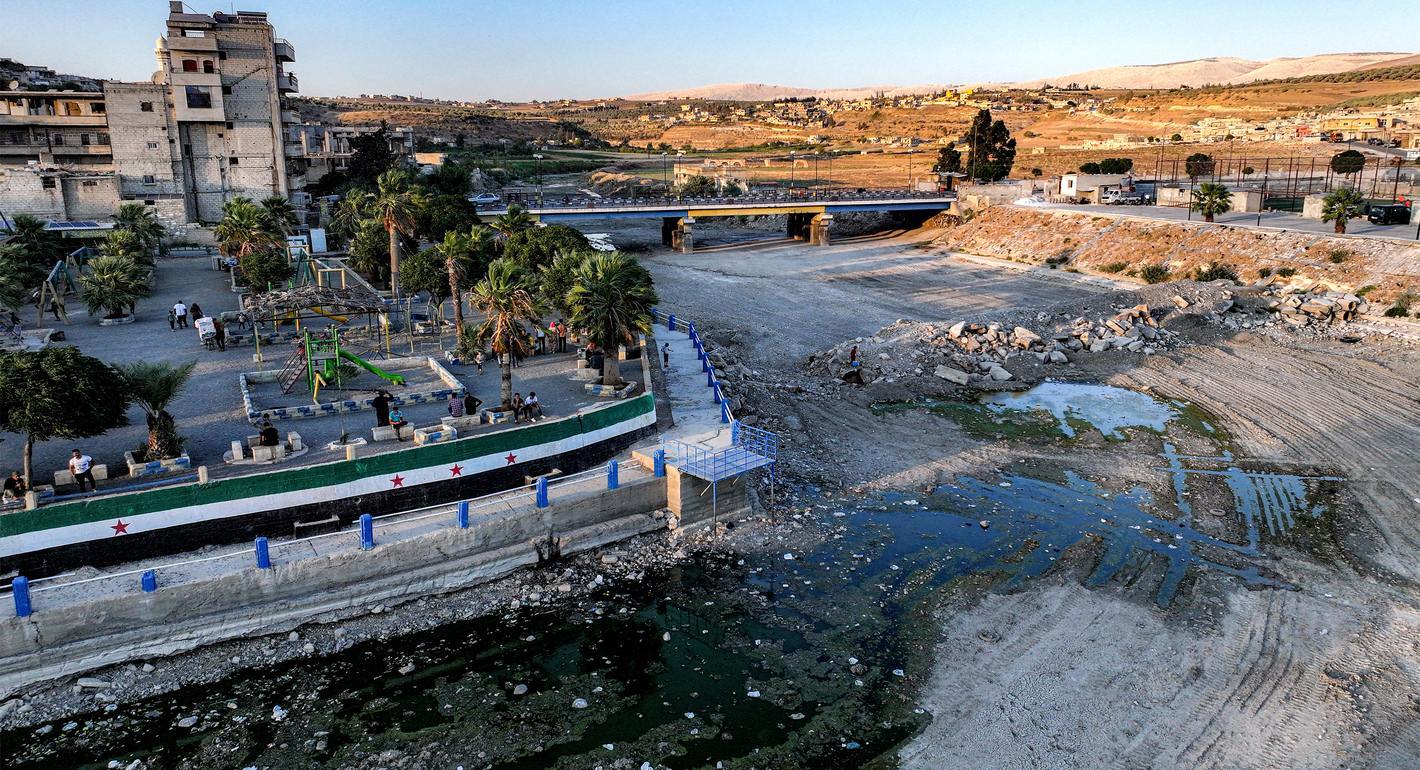
لم يعد الجفاف في سوريا أزمة موسمية عابرة. هذا التقرير يوضح كيف يفاقم تغيّر المناخ ندرة المياه ويهدد الزراعة والأمن الغذائي، وما الحلول المطروحة لتفادي الأسوأ.
ميليا اسبر

تستضيف مؤسسة كارنيغي السيناتور الديمقراطي كريس ميرفي في حوارٍ لمناقشة السياسة الأمريكية في الشرق الأوسط، محذرًا من أن الحرب على إيران خطأ استراتيجي سيدفع المنطقة والعالم نحو مزيدٍ من التصعيد.

أنجي عمر