

Commentary
From anime heroes to online gaming communities, Morocco’s Gen Z is building a new protest culture. What does this digital imagination reveal about youth politics, and how should institutions respond?
Abdelilah Farah
{
  "authors": [
    "Ali Latif"
  ],
  "type": "commentary",
  "blog": "Sada",
  "centerAffiliationAll": "",
  "centers": [
    "Carnegie Endowment for International Peace"
  ],
  "collections": [],
  "englishNewsletterAll": "",
  "nonEnglishNewsletterAll": "",
  "primaryCenter": "Carnegie Endowment for International Peace",
  "programAffiliation": "",
  "programs": [],
  "projects": [],
  "regions": [
    "Middle East",
    "Iraq"
  ],
  "topics": [
    "Political Reform"
  ]
}

REQUIRED IMAGE
National reconciliation has been a top priority for all concerned with aiding Iraq’s path toward economic and political stability. But what exactly does it mean in the Iraqi context? Since the end of the war, several distinct and sometimes competing issues have developed, requiring meaningful dialogue among all sections of Iraq’s population.
National reconciliation has been a top priority for all concerned with aiding Iraq’s path toward economic and political stability. But what exactly does it mean in the Iraqi context? Since the end of the war, several distinct and sometimes competing issues have developed, requiring meaningful dialogue among all sections of Iraq’s population. The first is the administration of justice for the crimes of the Baath regime, which has not been fully addressed despite Saddam Hussein’s much publicized trial and execution. The balance between meaningful justice to victims and post-war stability has yet to be struck.
The post-war picture laid bare three communities with seemingly divergent visions about their own future and that of their country. The Kurds, mindful of many years of persecution, were set on cementing their autonomy and looked toward possible independence. The previously marginalized and repressed Shi’a looked to assert their majority status and prevent a return to minority rule. The Sunna, largely in denial of the new Iraq, looked on in dread and feared retribution by the Shi’a and Kurds, a contingency that would invariably lead to the breakup of the country. Added to this are previously simmering but dormant tensions between the tribal and the urban, the religious and secular, and rich and poor that have evolved across as well as within ethnic fault-lines.
Given this complex picture, a national reconciliation initiative amidst a brutal insurgency and escalating sectarian conflict was never going to be easy. Prime Minister Maliki’s National Reconciliation Framework, launched in June 2006, attempted to address issues such as the de-Baathification law, disarmament of the militias, and reform of public institutions. The twenty-four point plan was right in addressing issues across all levels of Iraqi society from the political elite to the grass-roots in order to forge genuine national reconciliation.
Two years on, however, even in a much improved security context, progress has been fitful and disjointed. The National Unity Government, designed to bring all factions into the fold, fell victim to walkouts from various parties, leaving only the United Iraqi Alliance and Kurdish parties. Nevertheless the Iraqi parliament, despite the disputes and scarce attendance, has managed to pass several vital pieces of legislation that will aid the process of national reconciliation; namely those of de-Baathification, the national budget. The recent impasse in legislation on provincial powers is certainly a setback, but the current lack of consensus should not take away from the fact that parliament is still the venue for this debate and the ultimate vehicle for national reconciliation.
While the political process in Baghdad has been frustratingly slow, reconciliation amongst the political elite is at an acceptable level. This top-down approach, however, has failed to initiate reconciliation at the lower levels. Ordinary Iraqis faced with daily hardships feel far removed from the political elite in the Green Zone. Ministries and public bodies still function largely as they did during the previous regime, with patronage networks that now run along ethnic rather than Baath party lines. The numerous cases of sectarian bias from the police and army have further eroded public trust.
The altered composition of the previously mixed areas in and around Baghdad has been the most visible breakdown in communal relations. Despite the dramatic decrease in violence, people are reluctant to return to their homes, fearing they will find them occupied and wary of turning to authorities that run along sectarian lines. The situation of refugees is of grave concern, incubating resentment that will add to the difficulty of national reconciliation.
The decision of tribes in central Iraq to stand against al-Qaeda and work with U.S. forces has greatly assisted in improving security. These armed militias, however, are less cooperative with the Iraqi army and government, raising concerns about their future within the Iraqi state. Similarly, the ceasefire declared by Shi’i leader Muqtada al-Sadr has allowed Iraqi and U.S. forces to target the rogue elements of the Mahdi Army. But the issue of the Mahdi Army itself, as well as of other militias, remains unresolved—as illustrated by the collective sigh of relief that followed al-Sadr’s recent decision to extend his ceasefire.
In addressing the major challenges to national reconciliation that persist beneath the more-visible political agreements in Baghdad, the judiciary will have a pivotal role. A robust and independent judiciary that has the necessary legal framework and law enforcement partners will be in the best position to address sources of sectarian and ethnic tension in public institutions, disputes over property, and the dismantling of the militias.
Ali Latif is a scholar at the Baghdad Institute for Public Policy.
Ali Latif
Carnegie does not take institutional positions on public policy issues; the views represented herein are those of the author(s) and do not necessarily reflect the views of Carnegie, its staff, or its trustees.
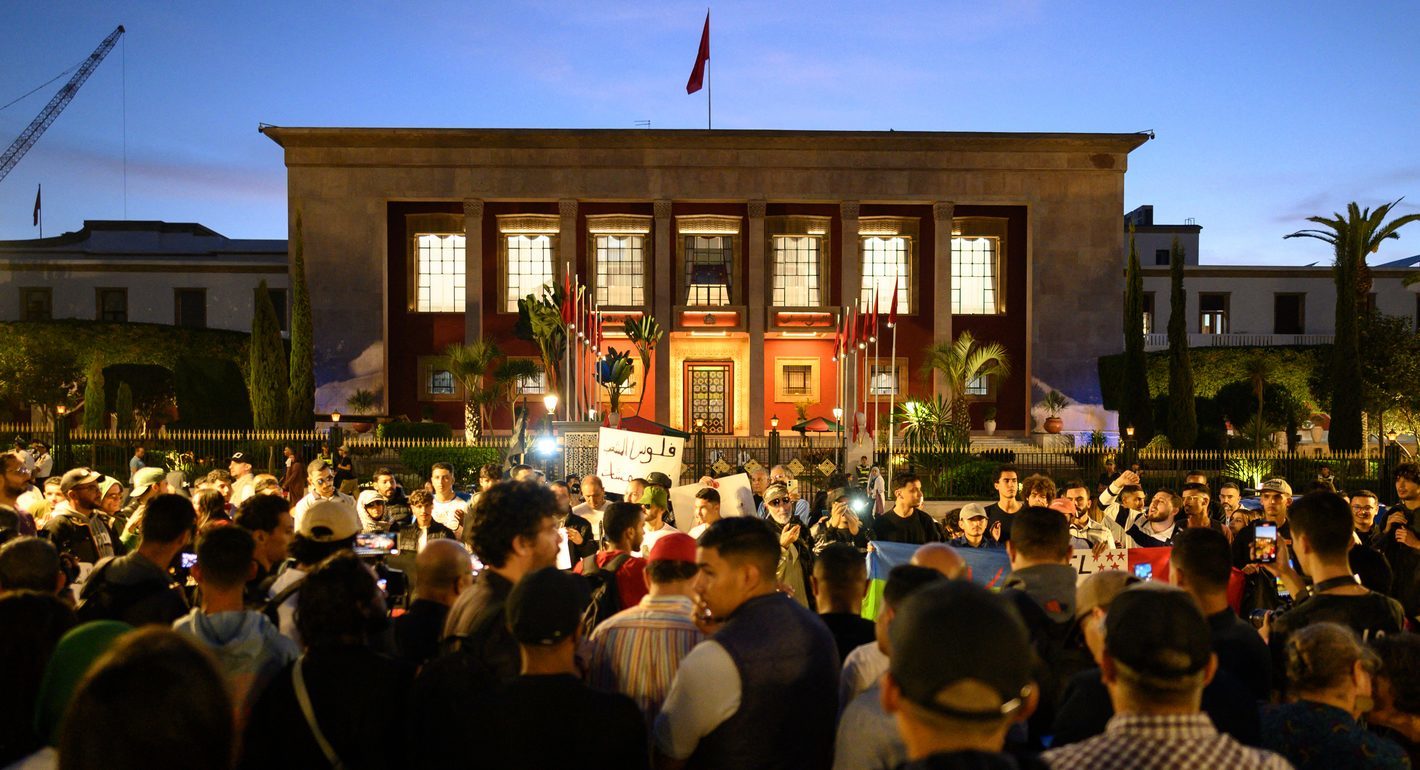
From anime heroes to online gaming communities, Morocco’s Gen Z is building a new protest culture. What does this digital imagination reveal about youth politics, and how should institutions respond?
Abdelilah Farah
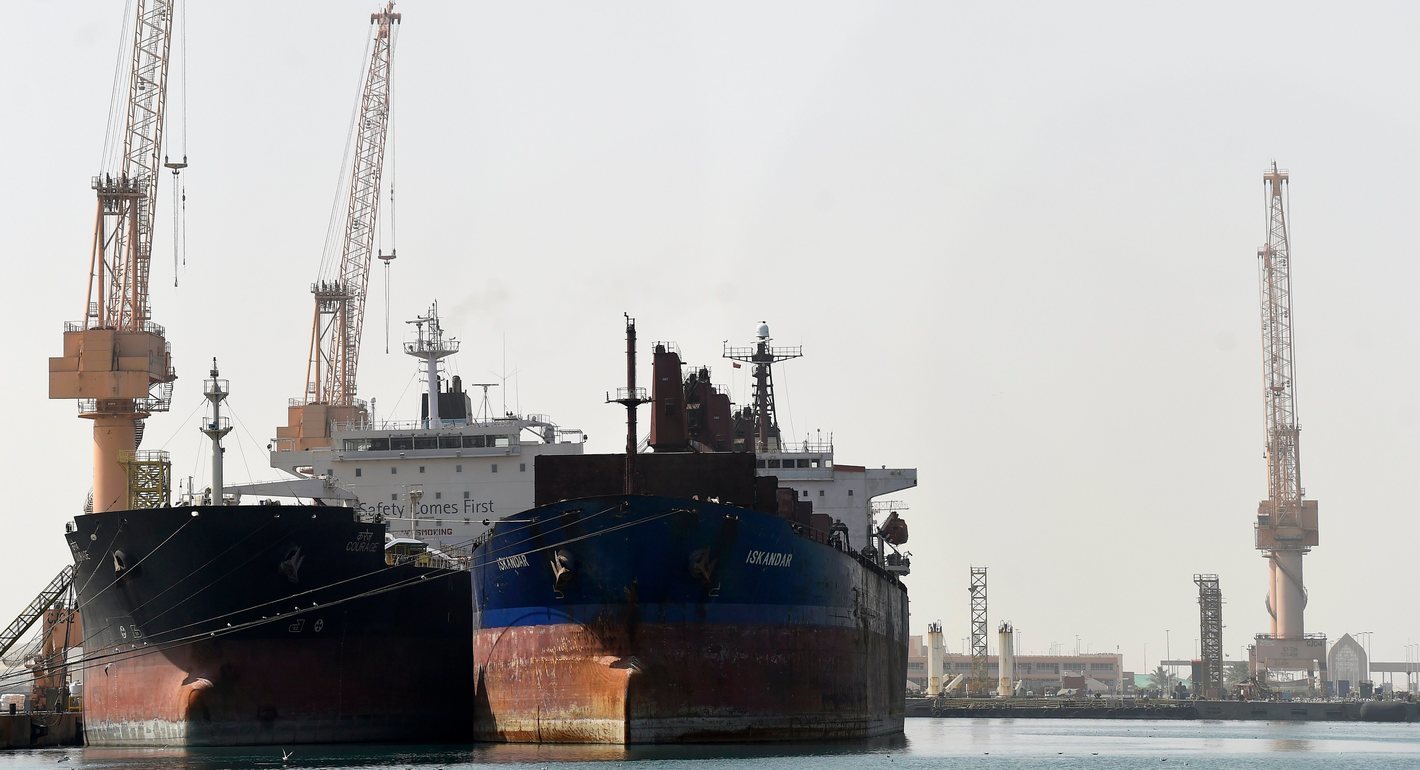
In a volatile Middle East, the Omani port of Duqm offers stability, neutrality, and opportunity. Could this hidden port become the ultimate safe harbor for global trade?
Giorgio Cafiero, Samuel Ramani
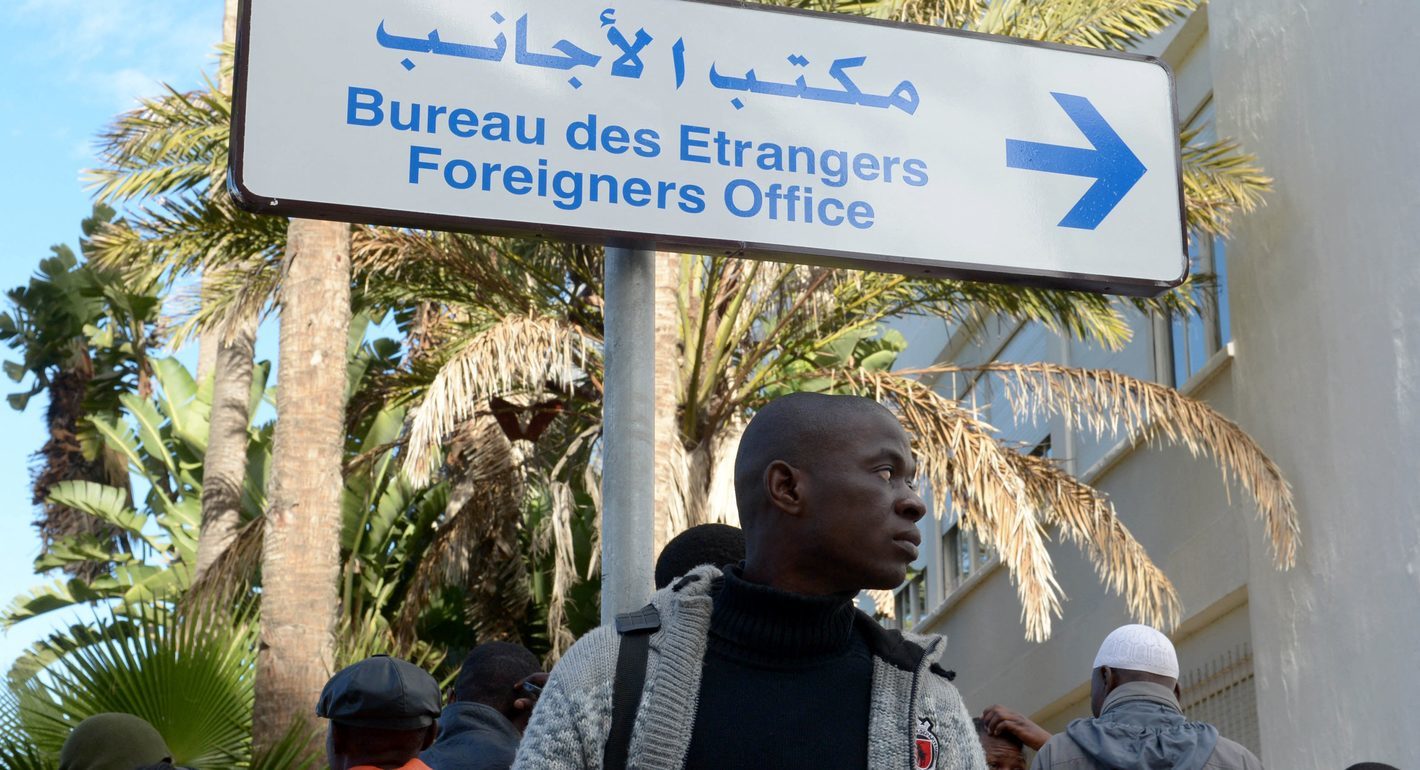
Is Morocco’s migration policy protecting Sub-Saharan African migrants or managing them for political and security ends? This article unpacks the gaps, the risks, and the paths toward real rights-based integration.
Soufiane Elgoumri
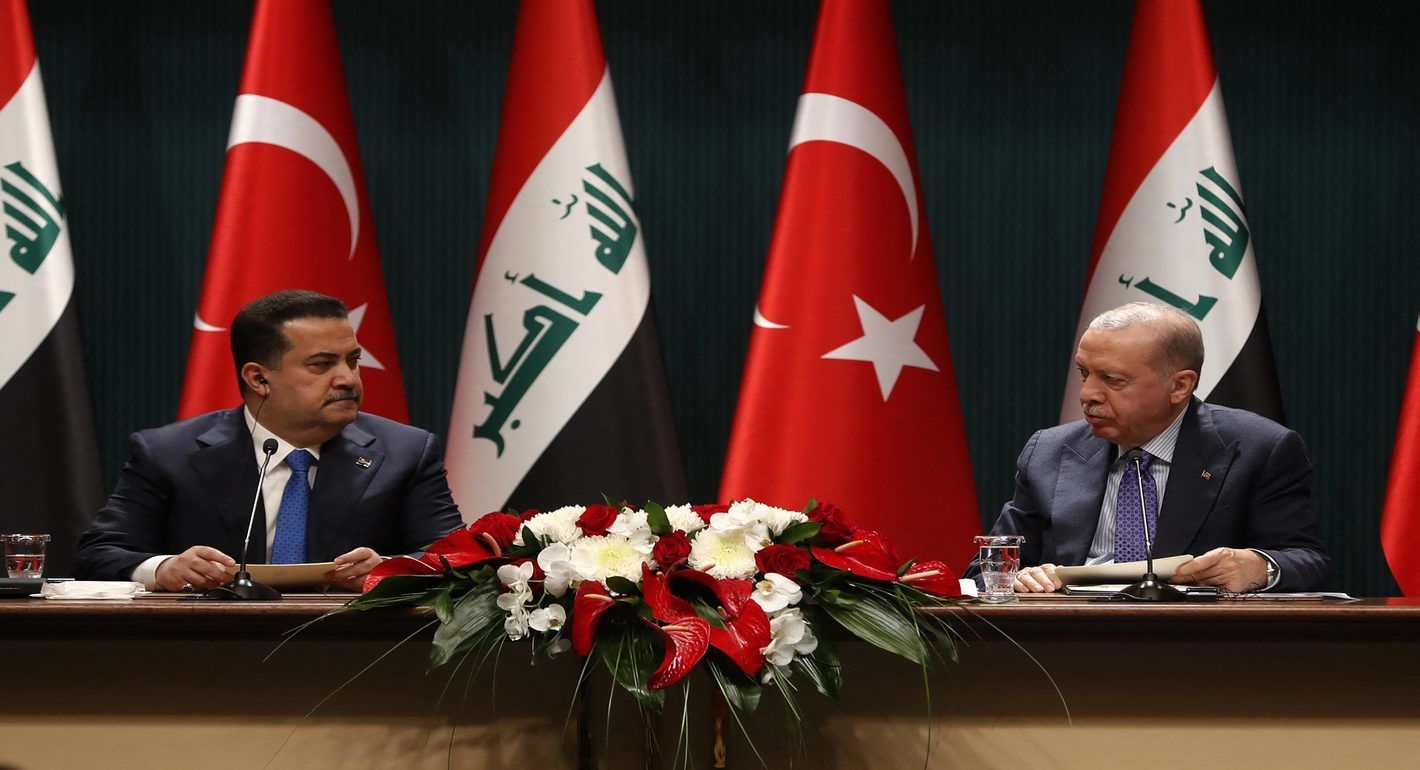
Iraq’s foreign policy is being shaped by its own internal battles—fractured elites, competing militias, and a state struggling to speak with one voice. The article asks: How do these divisions affect Iraq’s ability to balance between the U.S. and Iran? Can Baghdad use its “good neighbor” approach to reduce regional tensions? And what will it take for Iraq to turn regional investments into real stability at home? It explores potential solutions, including strengthening state institutions, curbing rogue militias, improving governance, and using regional partnerships to address core economic and security weaknesses so Iraq can finally build a unified and sustainable foreign policy.
Mike Fleet
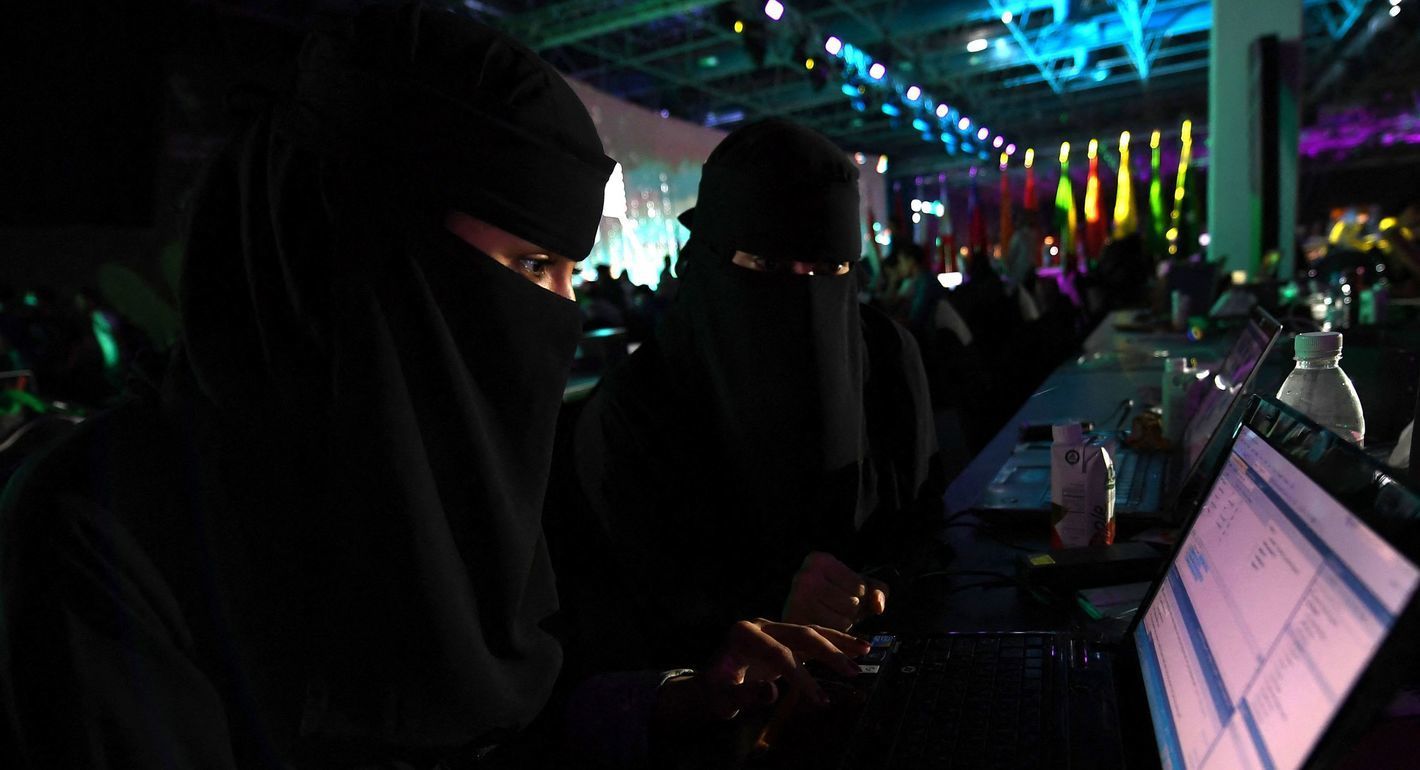
How can Saudi Arabia turn its booming e-commerce sector into a real engine of economic empowerment for women amid persistent gaps in capital access, digital training, and workplace inclusion? This piece explores the policy fixes, from data-center integration to gender-responsive regulation, that could unlock women’s full potential in the kingdom’s digital economy.
Hannan Hussain