

Commentary
Syria’s worsening drought is no longer a seasonal crisis. This report explains what climate change is doing to rainfall, groundwater, and food security, and what solutions experts say are still possible.
Milia Esper
{
  "authors": [
    "Khalil Gebara"
  ],
  "type": "commentary",
  "blog": "Sada",
  "centerAffiliationAll": "",
  "centers": [
    "Carnegie Endowment for International Peace"
  ],
  "collections": [],
  "englishNewsletterAll": "",
  "nonEnglishNewsletterAll": "",
  "primaryCenter": "Carnegie Endowment for International Peace",
  "programAffiliation": "",
  "programs": [],
  "projects": [],
  "regions": [
    "Middle East"
  ],
  "topics": [
    "Political Reform",
    "Democracy",
    "Economy"
  ]
}

Source: Getty
Looking at recently released international indexes for governance, corruption, and social development sheds light on why Arab countries have a difficult time solving their internal problems.
Taking a closer look at recently released indices of development can help to explain why the Arab world is undergoing serious political, economic, and social crises. The results of the 2007 Good Governance Indicators for the Middle East and North Africa (published by the World Bank) and the 2008 Corruption Perceptions Index for the Arab world (prepared by Transparency International) provide evidence of structural malfunction and corruption in Arab regimes. For its part, the 2008 Failed State Index reflects dysfunction in the social environment.
The World Bank’s Good Governance Indicators provide a more in-depth view of these realties. Good governance indicators include the degree of voice and accountability, political stability, government effectiveness, regulatory quality, rule of law, and control of corruption. Arab countries received 23.7 percent for voice and accountability and 44.9 percent for “government effectiveness.” By contrast, OECD countries scored an average of 91.4 percent for the first indicator and 88.7 percent for the second. When compared to Latin American countries, for example, developing Arab countries score similarly on government effectiveness and better on rule of law, but do considerably worse in terms of voice and accountability (a difference of 28 percentage points).
These indicators reflect the degree to which most Arab regimes lack the necessary mechanisms to combat corruption and enhance accountability. Many Arab states have yet to pass legislation dealing with illegitimate enrichment and conflict of interest. Most oversight bodies lack institutional independence, as they fall under the jurisdiction of the executive branch. In addition, several Arab countries have yet to pass legislation dealing with the right to access information, which makes it difficult for citizens to find out about the inner workings of government. The absence of serious attention to such legislation can only be explained by the fact that secrecy is the basis of rule in the Arab world.
The 2008 Corruption Perceptions Index, which covered 180 countries this year (including twenty Arab countries), makes it possible to rank Arab countries from the least to the most corrupt (based on 0-10 score). The results indicate that Qatar ranks 28 out of 180 internationally, with a score of 6.5, making it the least corrupt Arab state. Gulf States showed improvement; the United Arab Emirates ranked as the second least corrupt Arab state, with Oman ranking third. With the exception of Jordan, which showed some progress with a score of 5.1, eastern Arab and North African countries have not made any notable progress. Iraq and Somalia rank 179 and 180 respectively, the lowest two rankings internationally.
Socio-economic indicators provide a metric for individual and societal progress. Arab countries continue to struggle through their development agenda. The 2008 Failed State Index (covering 117 states) demonstrates the relationship between socio-economic factors and political stability. Social factors include mounting demographic pressures, population density, movement of refugees, and chronic and sustained human flight. Economic indicators include economic development (balanced or not), and economic growth (slow or fast). The first group of failed states included twenty states, four of which are Arab (Sudan, Iraq, Somalia, and Lebanon). The second group of failed states included Egypt, Yemen, and Syria.
Unstable economic conditions lead to a decline in the quality of services, increase in poverty, and unemployment. Social and political instability produce an environment conducive to the spread of corruption. Such instability can also lead to social crises that undermine state authority and threaten social security. Under these circumstances, good governance becomes even more difficult, if not impossible. Instead, resources are dispersed and competition among civil society organization over these resources intensifies. This has taken place in Sudan, Somalia, and to a lesser extent in Lebanon and Palestine.
The foregoing analysis shows that Arab countries lack peaceful mechanisms to regulate the functioning of institutions. They have yet to embrace the principles of good governance and respect the red lines that confine politics to an institutional framework. Despite the efforts of Arab politicians and civil society organizations, the goal of combating corruption has not become a priority on the agenda of Arab regimes. This will only be accomplished when the relationship between citizens and the state is strengthened through popular participation in decision-making, the establishment of alliances between governments and legislative bodies on the one hand and the private sector and civil society organizations on the other, ensuring the independence of public institutions and inter-agency cooperation, and embarking on a balanced development plan. An important step toward achieving the first goal would be pressing governments to pass fairer and more democratic electoral laws that would allow citizens to elect representatives who are willing to hold governments accountable.
Khalil Gebara is president of the Lebanese Organization for the Enhancement of Transparency and secretary general of Arab Parliamentarians Against Corruption. Dina Bishara translated this article from Arabic.
Khalil Gebara
Carnegie does not take institutional positions on public policy issues; the views represented herein are those of the author(s) and do not necessarily reflect the views of Carnegie, its staff, or its trustees.
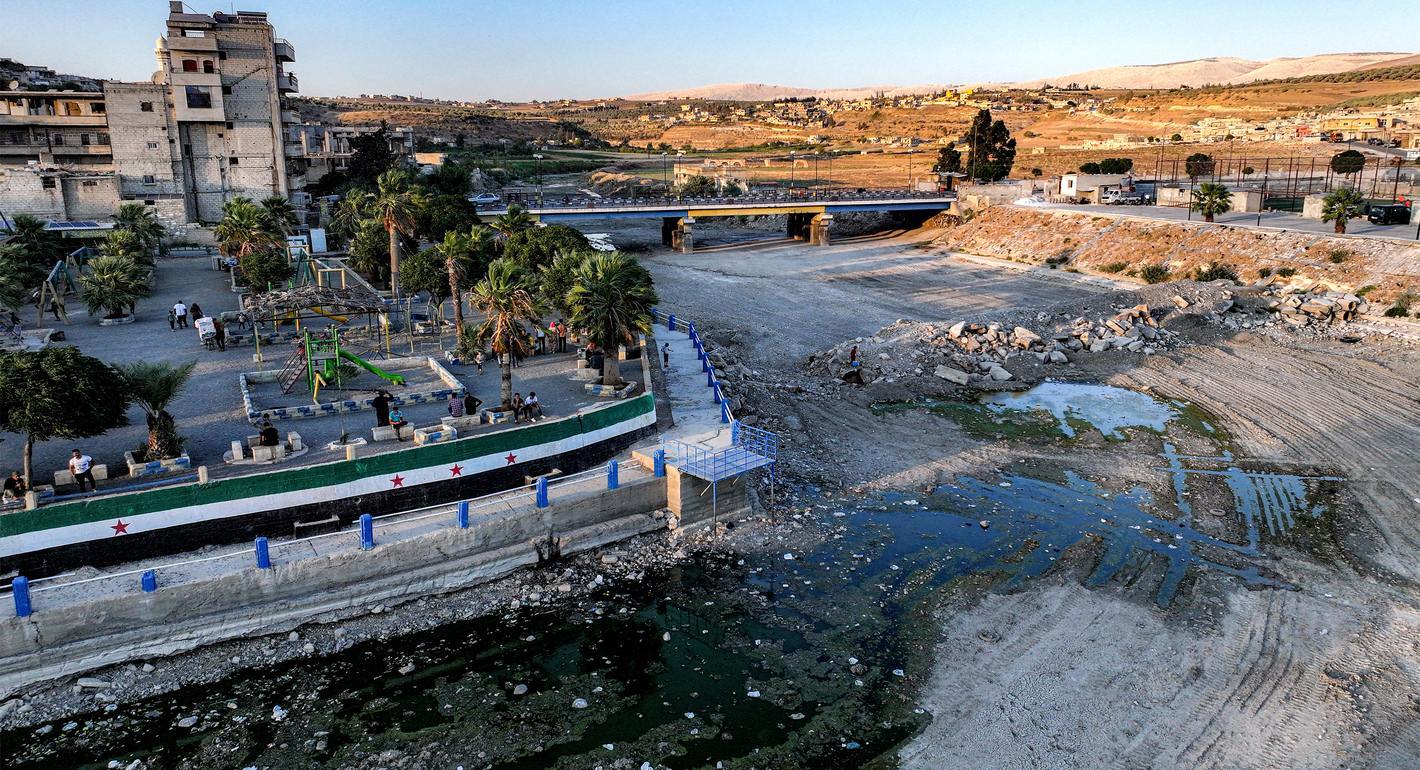
Syria’s worsening drought is no longer a seasonal crisis. This report explains what climate change is doing to rainfall, groundwater, and food security, and what solutions experts say are still possible.
Milia Esper
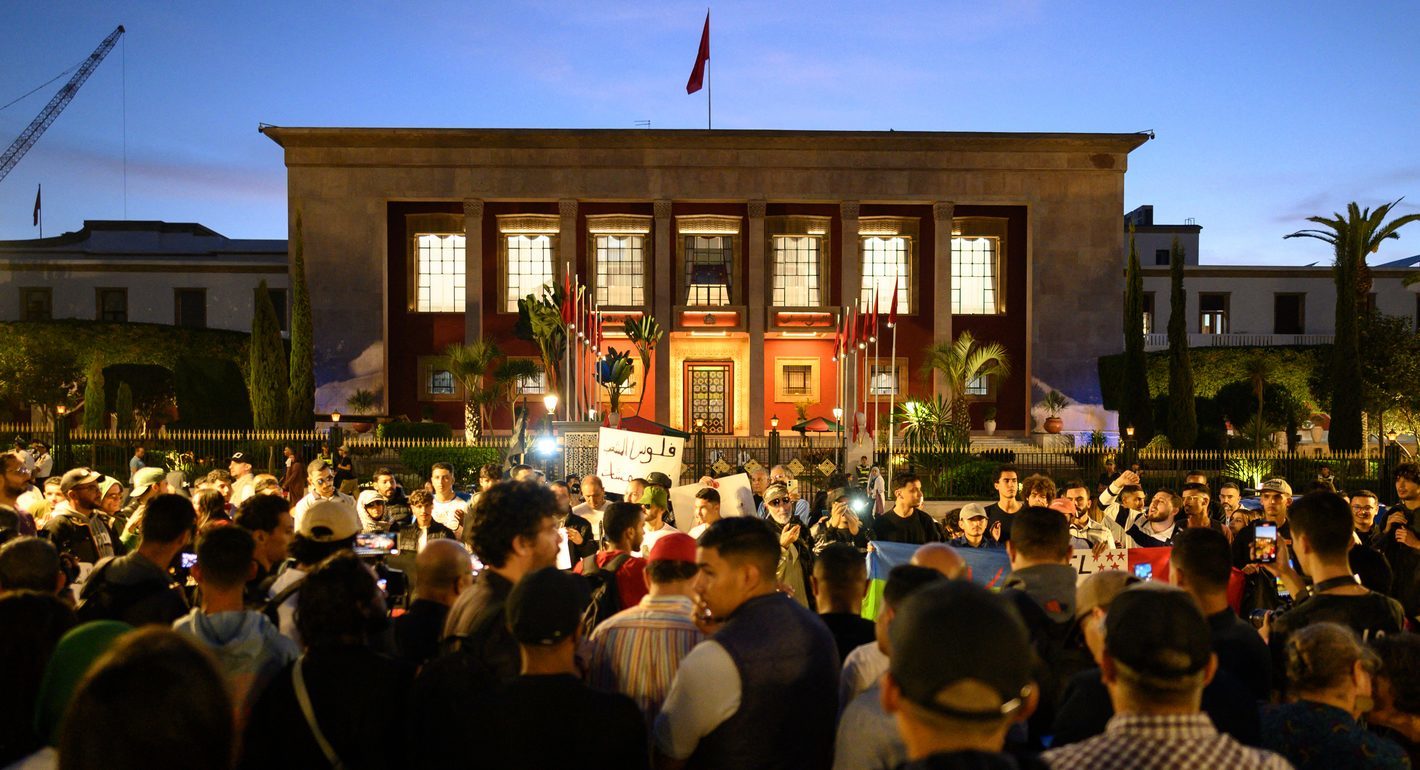
From anime heroes to online gaming communities, Morocco’s Gen Z is building a new protest culture. What does this digital imagination reveal about youth politics, and how should institutions respond?
Abdelilah Farah
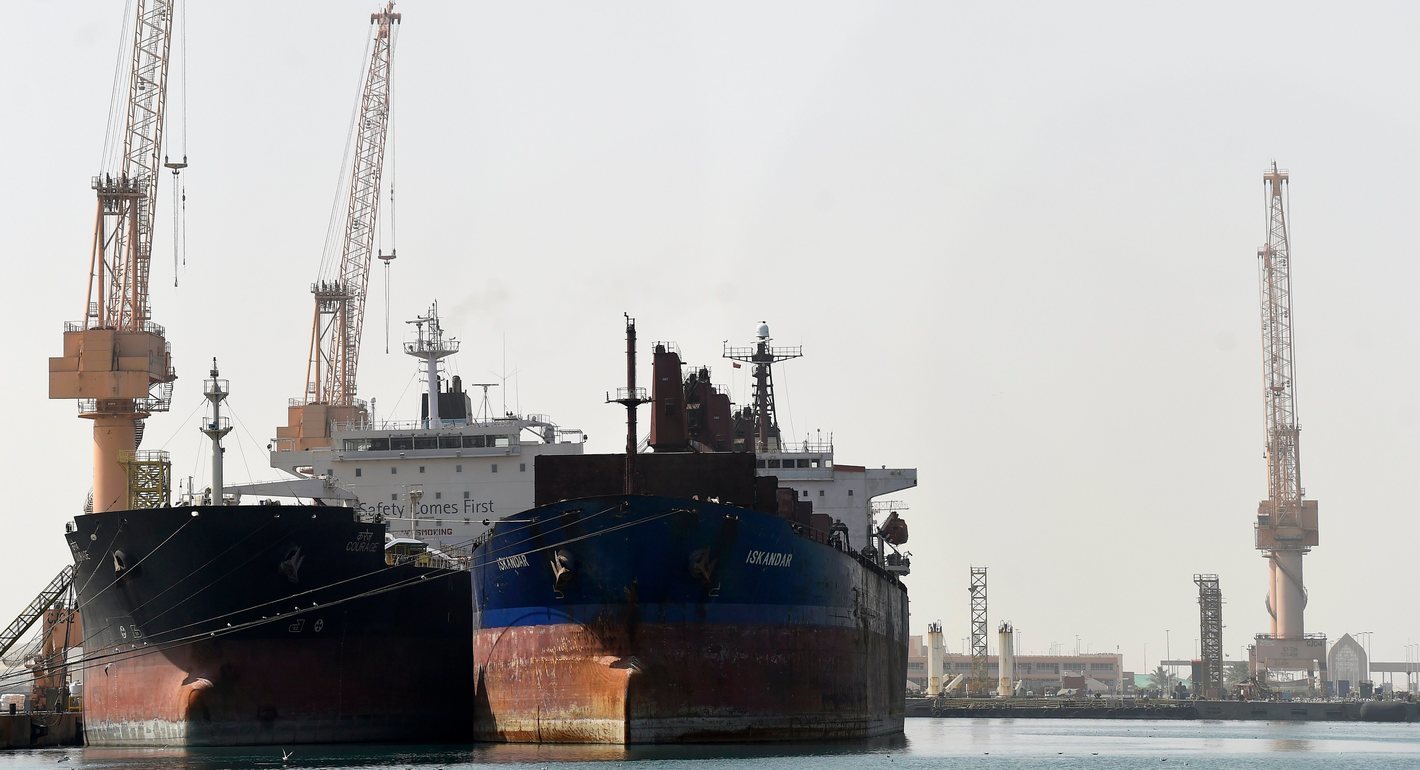
In a volatile Middle East, the Omani port of Duqm offers stability, neutrality, and opportunity. Could this hidden port become the ultimate safe harbor for global trade?
Giorgio Cafiero, Samuel Ramani
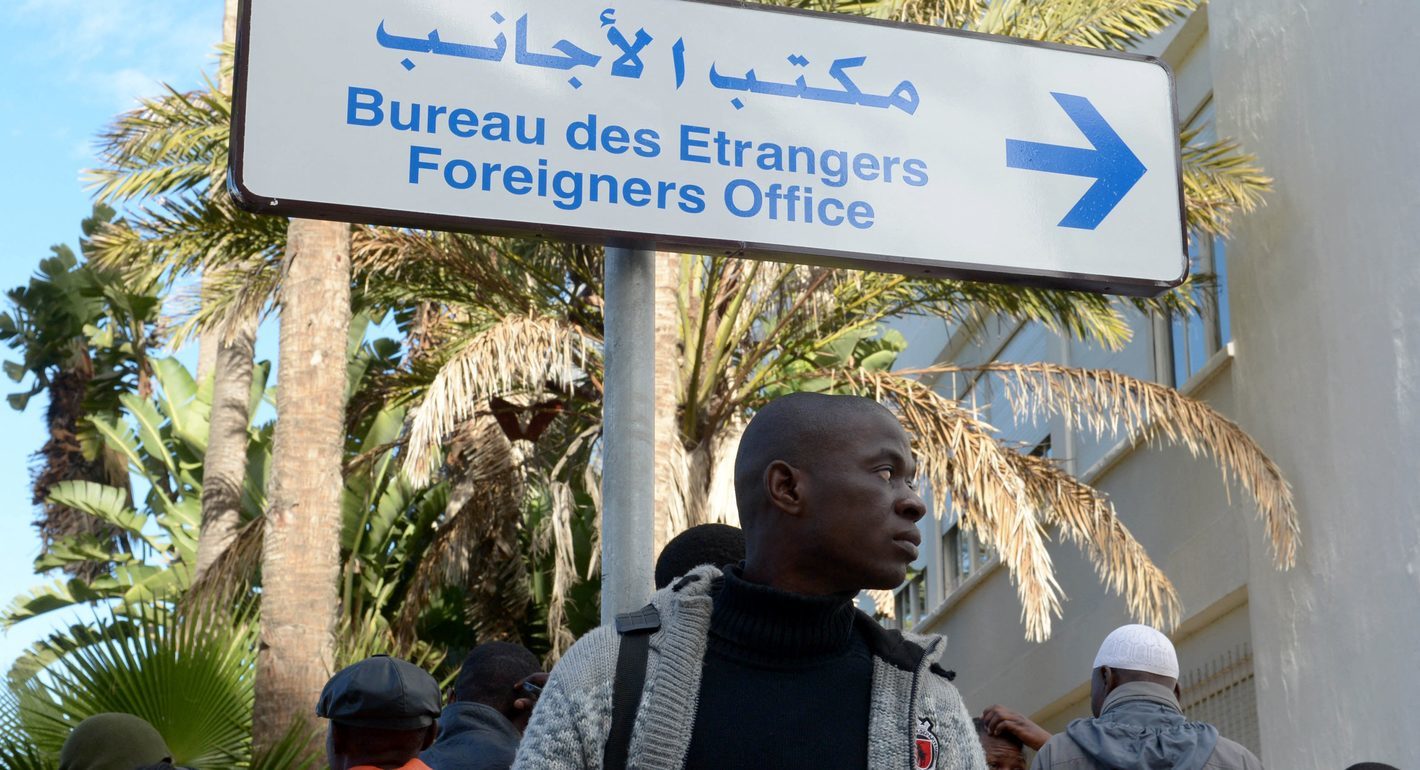
Is Morocco’s migration policy protecting Sub-Saharan African migrants or managing them for political and security ends? This article unpacks the gaps, the risks, and the paths toward real rights-based integration.
Soufiane Elgoumri
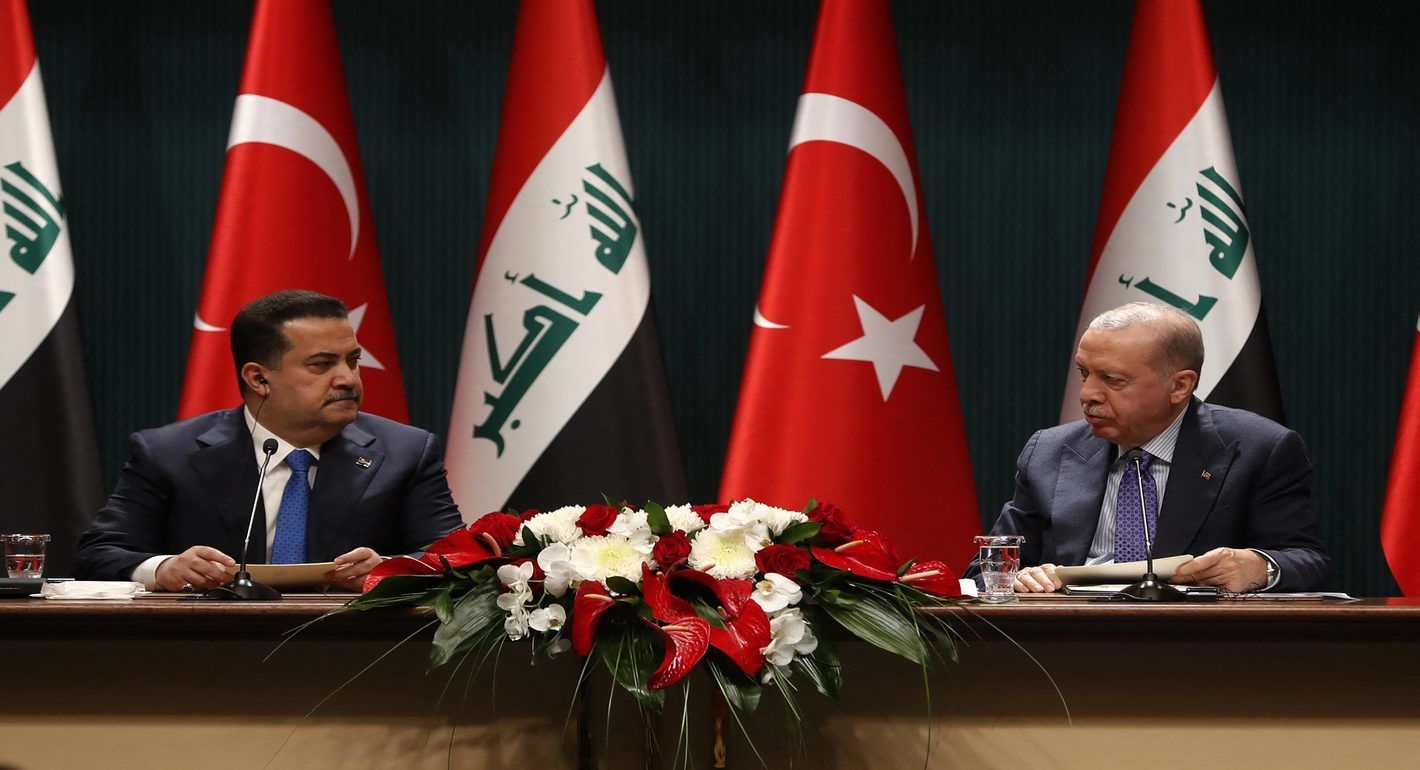
Iraq’s foreign policy is being shaped by its own internal battles—fractured elites, competing militias, and a state struggling to speak with one voice. The article asks: How do these divisions affect Iraq’s ability to balance between the U.S. and Iran? Can Baghdad use its “good neighbor” approach to reduce regional tensions? And what will it take for Iraq to turn regional investments into real stability at home? It explores potential solutions, including strengthening state institutions, curbing rogue militias, improving governance, and using regional partnerships to address core economic and security weaknesses so Iraq can finally build a unified and sustainable foreign policy.
Mike Fleet