

Other
- +4
Ilana Feldman, Frederic Wehrey, Andrew Bonney, …
{
  "authors": [
    "Muriel Asseburg"
  ],
  "type": "commentary",
  "blog": "Sada",
  "centerAffiliationAll": "",
  "centers": [
    "Carnegie Endowment for International Peace"
  ],
  "collections": [],
  "englishNewsletterAll": "",
  "nonEnglishNewsletterAll": "",
  "primaryCenter": "Carnegie Endowment for International Peace",
  "programAffiliation": "",
  "programs": [],
  "projects": [],
  "regions": [
    "Middle East"
  ],
  "topics": [
    "Political Reform"
  ]
}

Source: Getty
Europe is hoping that President-elect Obama and his administration will make Arab-Israeli peace a top foreign policy priority, and approach the issue with pragmatism.
The Middle East peace process should be one of the main foreign policy priorities of the incoming U.S. administration—not least because of the rapidly diminishing feasibility of a two-state settlement and the danger of a renewed escalation of violence. A strong commitment by the president-elect will be critical to keep a negotiating process going in the months of transition. European foreign ministers have identified Middle East peace-making as one of Europe's top priorities for cooperation with the incoming U.S. administration. The United States should therefore engage the Europeans who could—with U.S. backing and within the framework of the Quartet—sustain peace talks until the new U.S. administration’s Middle East team is in place and can take the lead again.
Muriel Asseburg is head of the Middle East and Africa Division at Stiftung Wissenschaft und Politik (SWP), the German Institute for International and Security Affairs in Berlin.
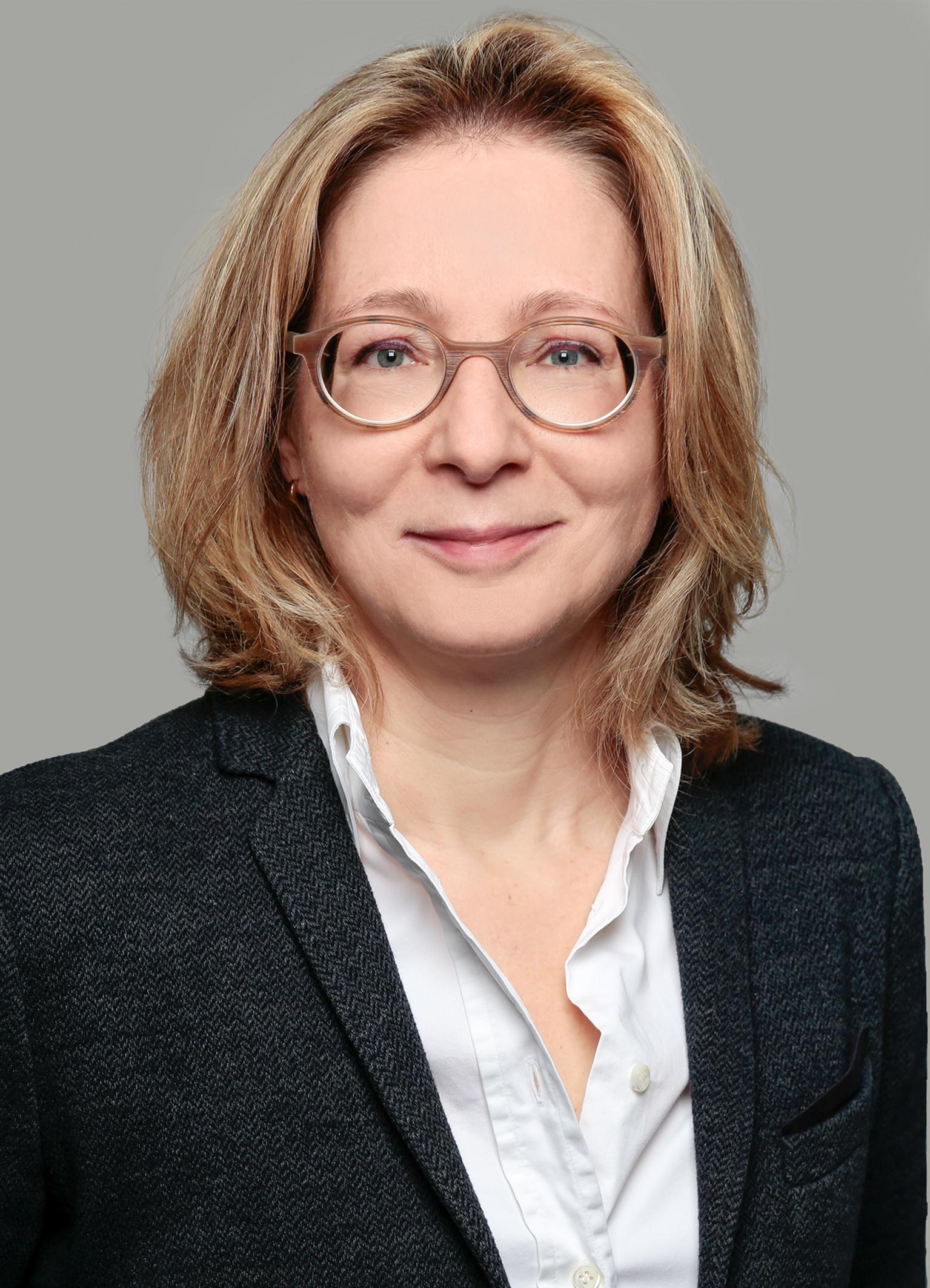
Former Visiting Scholar, Middle East Center
Asseburg's current research focuses on the Middle East conflict, German and Middle East politics, the Euro–Mediterranean Partnership, and state building, political reform, and political Islam in the Middle East. She was previously with the Friedrich Ebert Foundation’s office in Jerusalem.
Recent Work

Ilana Feldman, Frederic Wehrey, Andrew Bonney, …
Carnegie does not take institutional positions on public policy issues; the views represented herein are those of the author(s) and do not necessarily reflect the views of Carnegie, its staff, or its trustees.
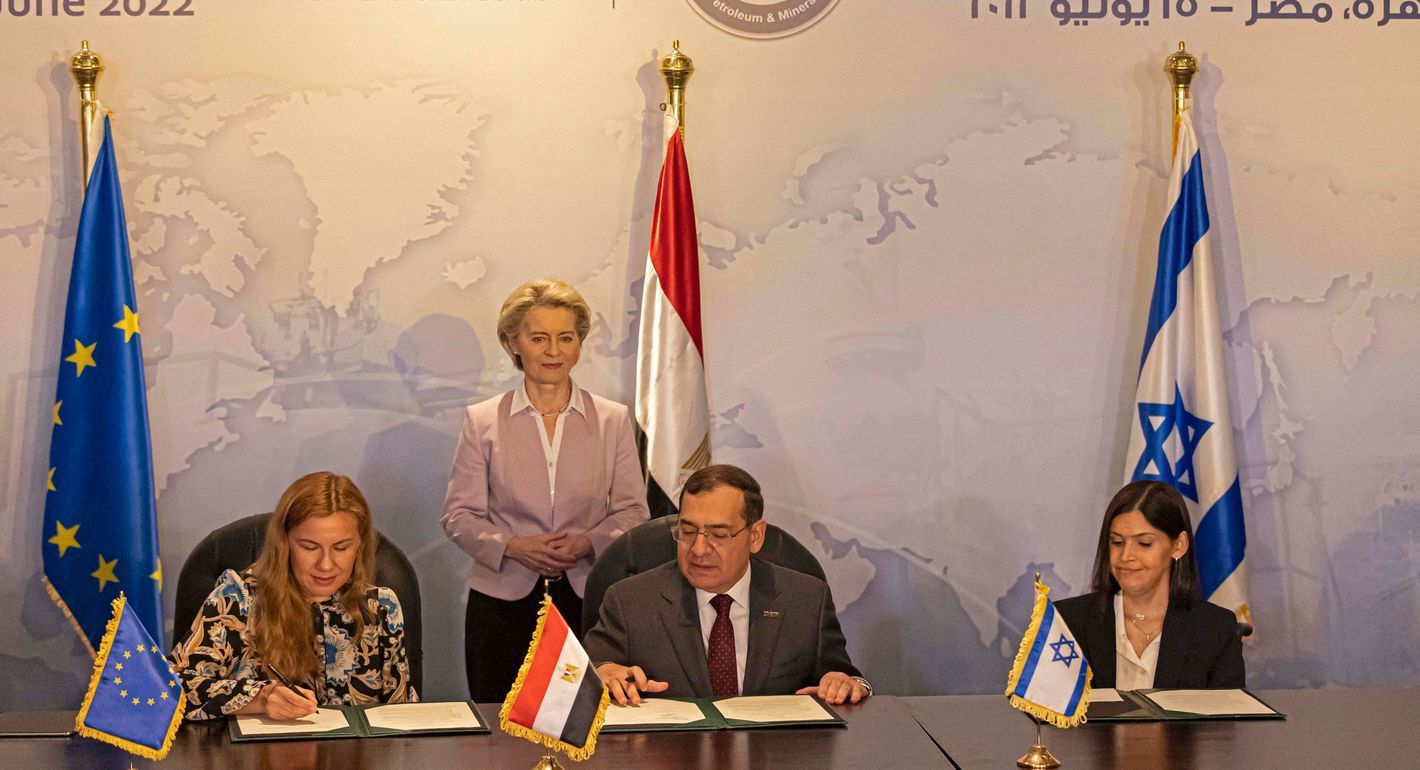
Can economic ties help contain conflict between Egypt and Israel, or do they simply postpone confrontation? Drawing on the German-Russian experience, the article examines how the gas deal creates mutual dependence, keeps channels of cooperation open, and raises the cost of conflict, without necessarily delivering lasting peace.
Nourhan Hefzy
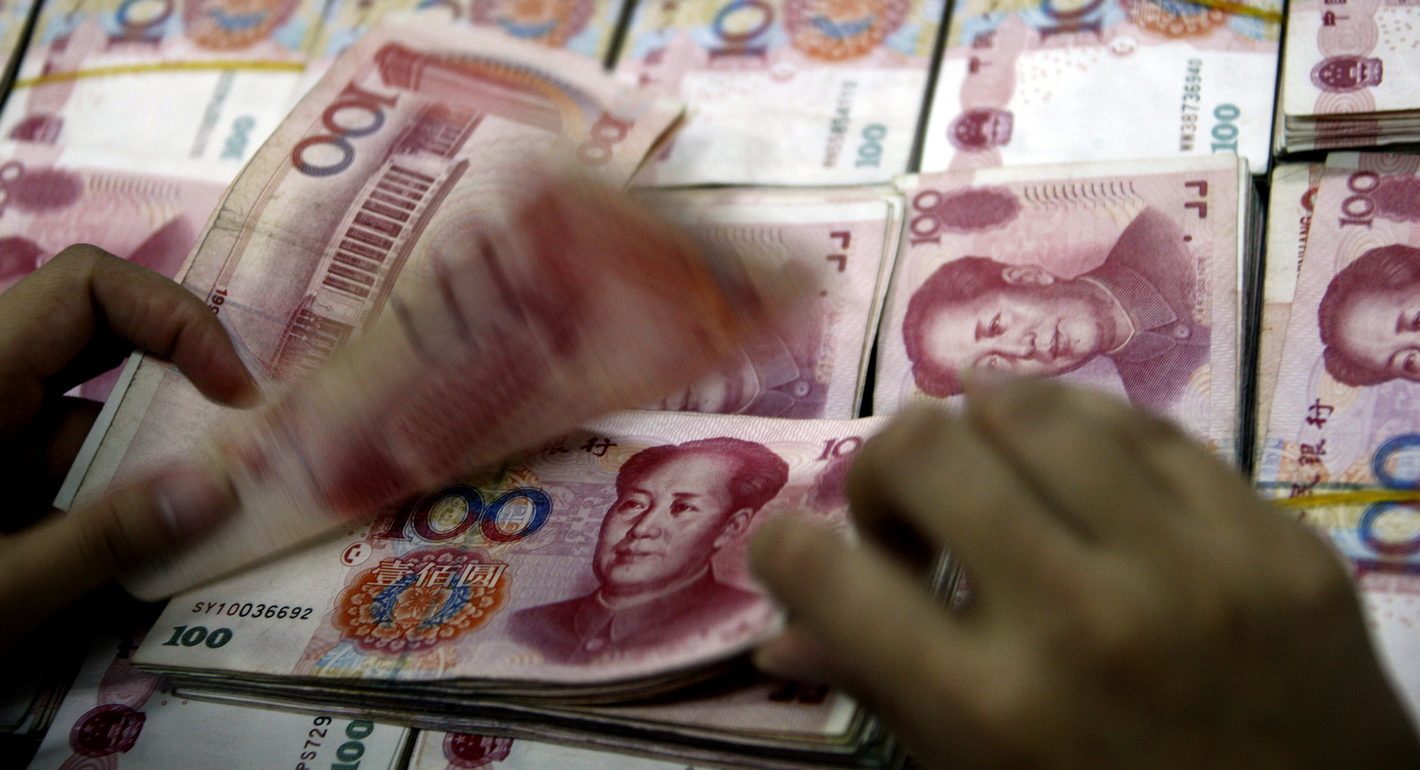
Is the Gulf moving beyond the dollar? This article examines how China is expanding the renminbi's role across Gulf markets, what that means for regional finance, and why the future of global currencies is more complex than the de-dollarization debate suggests.
Andrew Bonney
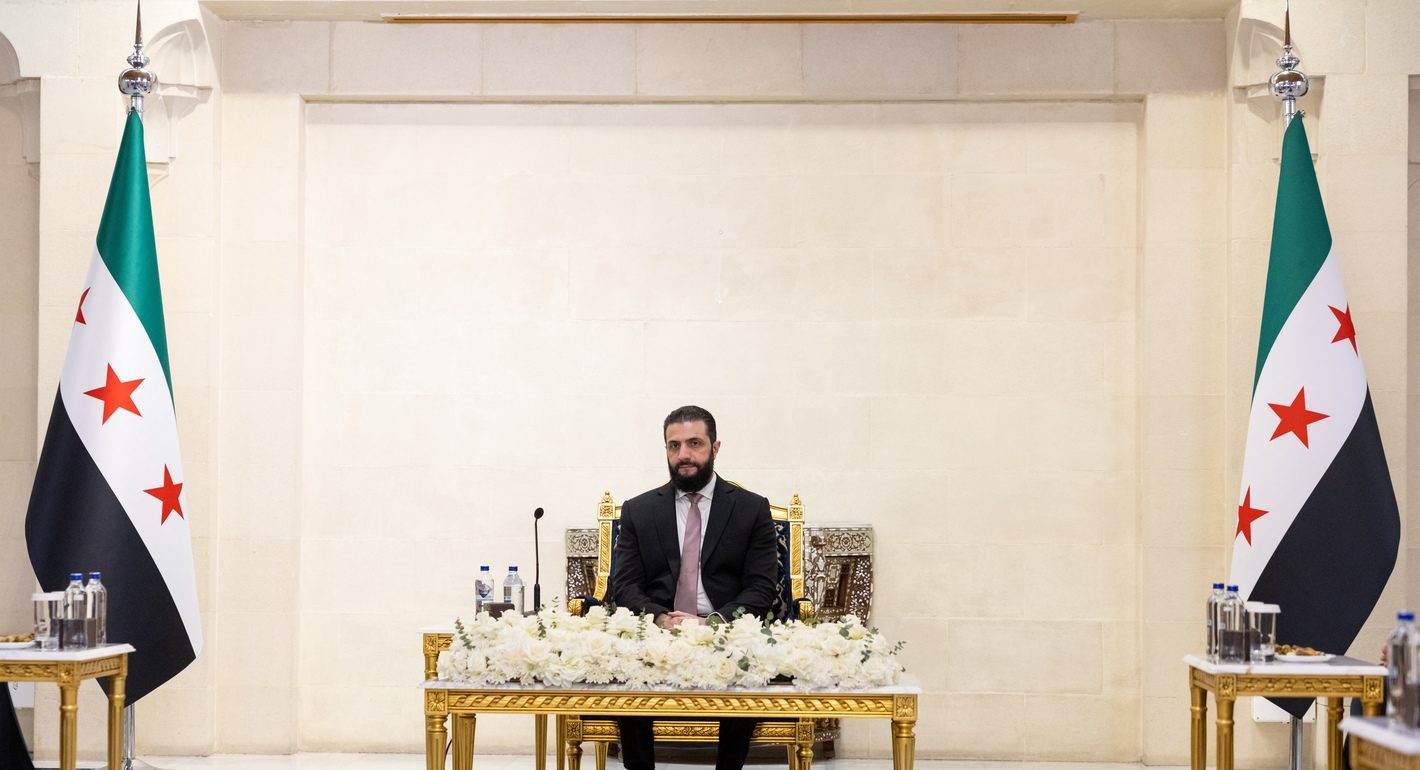
Syria's transition promised a fresh start. But are old habits of power making a comeback? This analysis looks at the warning signs and what it will take to build a more accountable state.
Sima Beitinjaneh
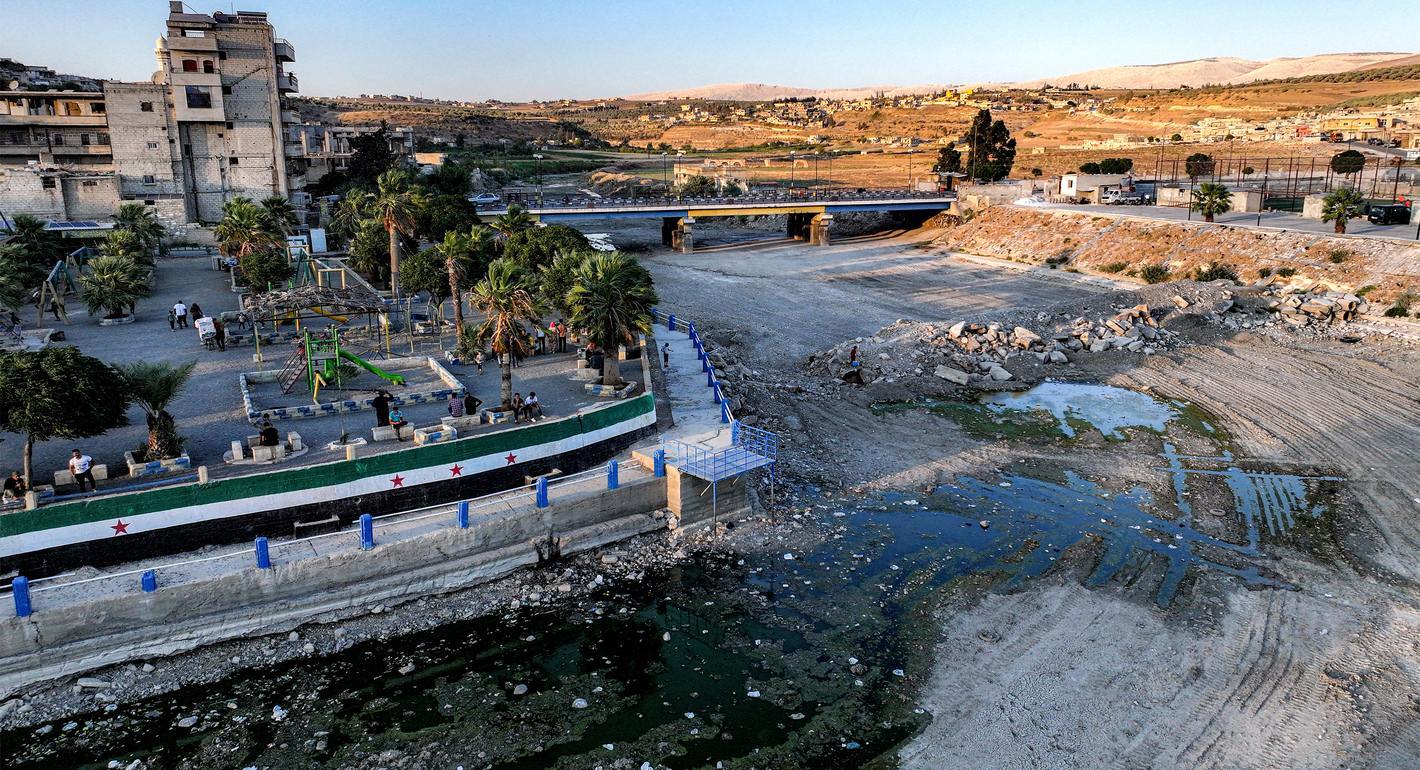
Syria’s worsening drought is no longer a seasonal crisis. This report explains what climate change is doing to rainfall, groundwater, and food security, and what solutions experts say are still possible.
Milia Esper
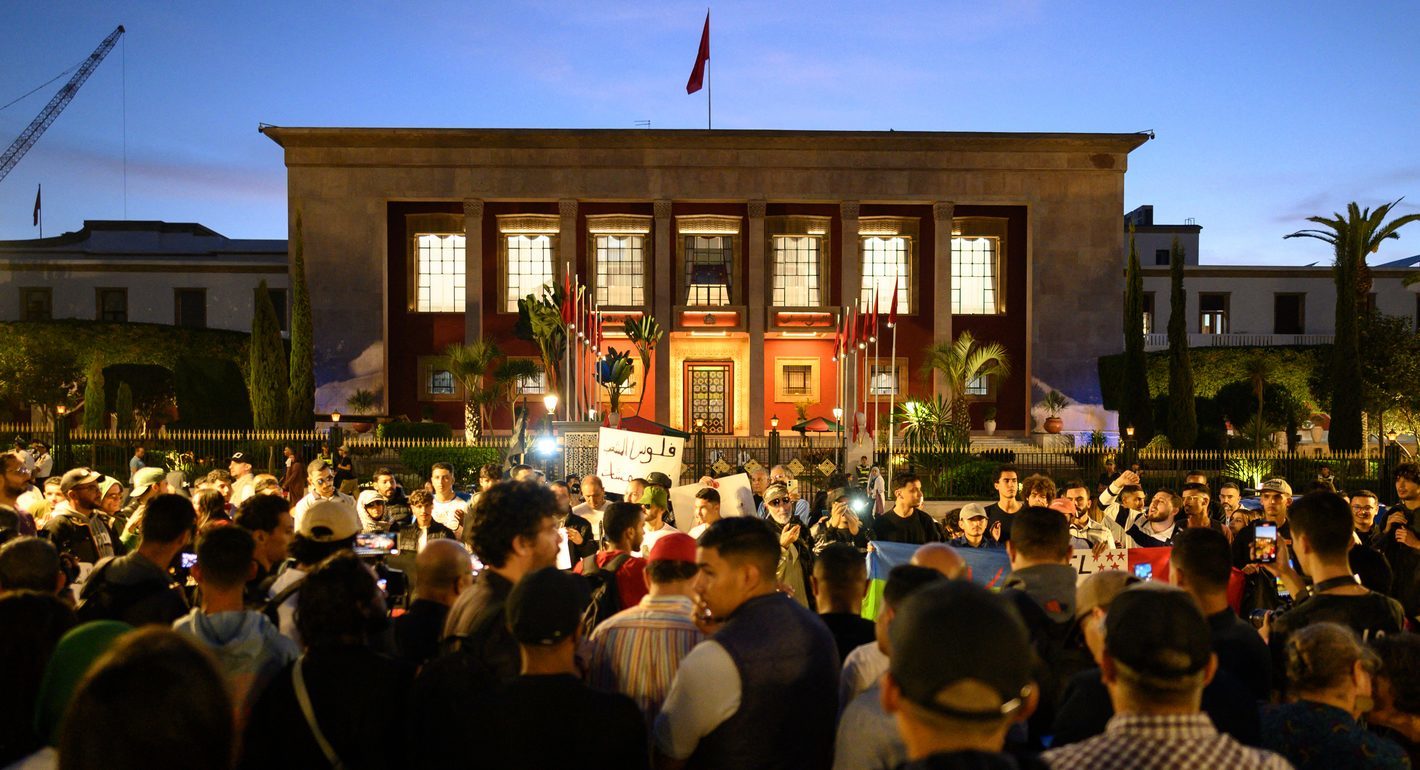
From anime heroes to online gaming communities, Morocco’s Gen Z is building a new protest culture. What does this digital imagination reveal about youth politics, and how should institutions respond?
Abdelilah Farah