According to recent reports by the International Monetary Fund (IMF) and World Bank, the global recession set off by the financial crisis in late 2008 has strained Middle Eastern economies, but early signs suggest that the downturn in the region has not been as severe as it has in other emerging markets. Arab economies are, on the whole, weathering the crisis better than others in the short term. In the long term, however, a prolonged recession is likely to create the potential for social and political instability. Oil economies have managed to maintain high levels of capital spending despite the decrease in oil revenues. Non-oil producing countries, on the other hand, might show delayed effects as capital inflows from remittances, foreign investment, and tourism revenue fall and affect the rest of their economies. Countries less integrated into the global economy are not likely to see severe losses.
Gross domestic product (GDP) growth for the entire Middle East in 2008 was 6 percent, but is projected to fall to 3.1 percent in 2009. This is a radical departure from the IMF earlier forecast of 5.9 percent growth for 2009, but still compares favorably to other emerging economies, such as Latin America’s, where GDP growth fell from 4.2 percent in 2008 to -2.2 percent in 2009.
Middle East and North Africa Forecast Summary
annual percent change unless indicated otherwise
Oil Exporters: Effects of the Crisis
Oil-exporting countries experienced a sharp decline in oil revenues at the onset of the economic crisis. Although forecasts show relative increases in oil prices, it is unlikely revenues will soon return to the all-time highs they reached prior to the crisis.
Lower oil prices and declining government revenues in Gulf Cooperation Council (GCC) economies created significant deficits in fiscal balances, which affected investor confidence and contributed to a drop in equity prices.
The real estate market, a major investment market in the Gulf, reflected similar investor fears and a credit crunch.
Despite the fall in oil and gas revenue, the decline of the stock markets, and the problems of the real estate sector, the region’s oil exporters (including GCC countries, as well as Algeria and Libya) have proven resilient, due to sustained high oil prices in the pre-crisis boom and government responses that helped mitigate the effects of the downturn. Between 2005 and 2008, high oil prices facilitated robust economic growth, including various diversification efforts throughout oil economies, leading to increased non-oil growth between 2005 and 2008. This helped oil-exporting countries build up foreign assets and lower government debt, cushioning their financial systems, although they did suffer losses from investing in foreign assets.
Oil Exporters: Responses to the Crisis
According to IMF reports, aggressive government responses to the downturn included fiscal stimulus and rescue packages and sustained high governmentspending. Saudi Arabia increased government spending for 2009 by 15.8 percent, with a $124.7 billion stimulus package. After a long period of political deadlock, Kuwait passed a stimulus package of $5.2 billion in April 2009 to help speed up economic recovery. The United Arab Emirates provided some $32.7 billion in subsidies and assistance to its financial and investment institutions. GCC sovereign wealth funds, though they lost significant percentages of their values, also played a role in mitigating the effects of the crisis by providing liquidity and increasing financial stability. The funds’ increased involvement in financial transactions has brought them under greater scrutiny by regulators throughout the world.
Although GCC countries face significant reductions in economic growth over the next two years, their overall performance will largely be determined by the duration of the global recession and the fluctuation of oil prices. As these economies try to ride out the crisis, economists stress the importance of coordinated policy responses, tighter control of financial structures, and greater measures to improve investor confidence.
Oil Importers: Effects of the Crisis
Net oil importers including Morocco, Tunisia, Egypt, Jordan, Syria, and Lebanon are likely to see a delayed impact of the downturn. Economists, including Masood Ahmed, director of the Middle East and Central Asia department at the International Monetary Fund, predict that pressure will intensify throughout 2009, as major industries in these countries suffer the effects of decreased remittances, which are a significant source of national income. These countries will also suffer an overall decline in foreign direct investment, and lower tourism revenues?notably Jordan and Morocco, where international tourism made up 10 and 9 percent of GDP respectively in 2008.
Remittances totaled $33.7 billion across the Middle East’s oil-importing economies in 2008, constituting 8 percent of GDP in Morocco, 14 percent in Jordan, and a remarkable 20 percent in Lebanon. Remittances across the region are expected to fall from a total of $33.7 billion in 2008 to $29 billion in 2009. Though the drop in remittances seems marginal, coupled with an anticipated $11 billion decline in foreign direct investment across these economies from 2008 to 2009, the effects are likely to be painful for individual households. In addition to a decrease in annual exports and imports, capital flows are also expected to fall. The effects of the tightening financial conditions in the GCC countries are already discernable in the form of decreased FDI flows to non-oil countries, which traditionally targeted the industrial sector, infrastructure, and real estate markets.
As Middle Eastern economies are not deeply integrated into the global economy and have fewer links to global financial institutions, they have not been as hard hit by the crisis. But they are likely to suffer secondary effects resulting from decreased capital flows, slumping further into poverty and higher unemployment. Unemployment rates are expected to jump from 9.5 percent in 2008 to 10.3 percent in Morocco in 2009, for example, and from 8.4 percent in 2008 to 13.9 percent in 2009 in Egypt. Inflation has also increased following a spike in commodity prices in early summer 2008, causing social unrest in Tunisia, Lebanon, Morocco, Egypt, and Mauritania.
Economists expect the impact of the crisis to intensify as Middle Eastern countries’ trading partners and leading investors focus on their own recoveries, and as the global economy experiences slower, if not altogether stymied, growth. As long as the major industrialized countries continue to experience uncertainty about their own growth prospects, the future of direct investment in Middle Eastern economies will also face uncertainty.
Oil Importers: Responses to the Crisis
Most oil importers have responded to the crisis by adopting fiscal and monetary policies to ease the pressure and reducing fiscal deficits. Tunisia, Jordan, and Morocco have taken measures to ease monetary pressures by lowering interest rates, but until now, policy measures have been largely inadequate due to limited resources. International Monetary Fund economists stress the need for these countries to pursue better coordinated measures including structured fiscal reforms, improved financial supervision, and long-term planning.
The recovery of Arab economies is likely to be slow, protracted, and inextricably bound to the global recovery. In order to come out of the crisis stronger, governments in the region must think long term, establish strong economic institutions, and consider serious economic reforms.
Intissar Fakir is assistant editor of the Arab Reform Bulletin and was previously program coordinator for the Middle East and North Africa Program at the Center for International Private Enterprise.
Carnegie does not take institutional positions on public policy issues; the views represented herein are those of the author(s) and do not necessarily reflect the views of Carnegie, its staff, or its trustees.
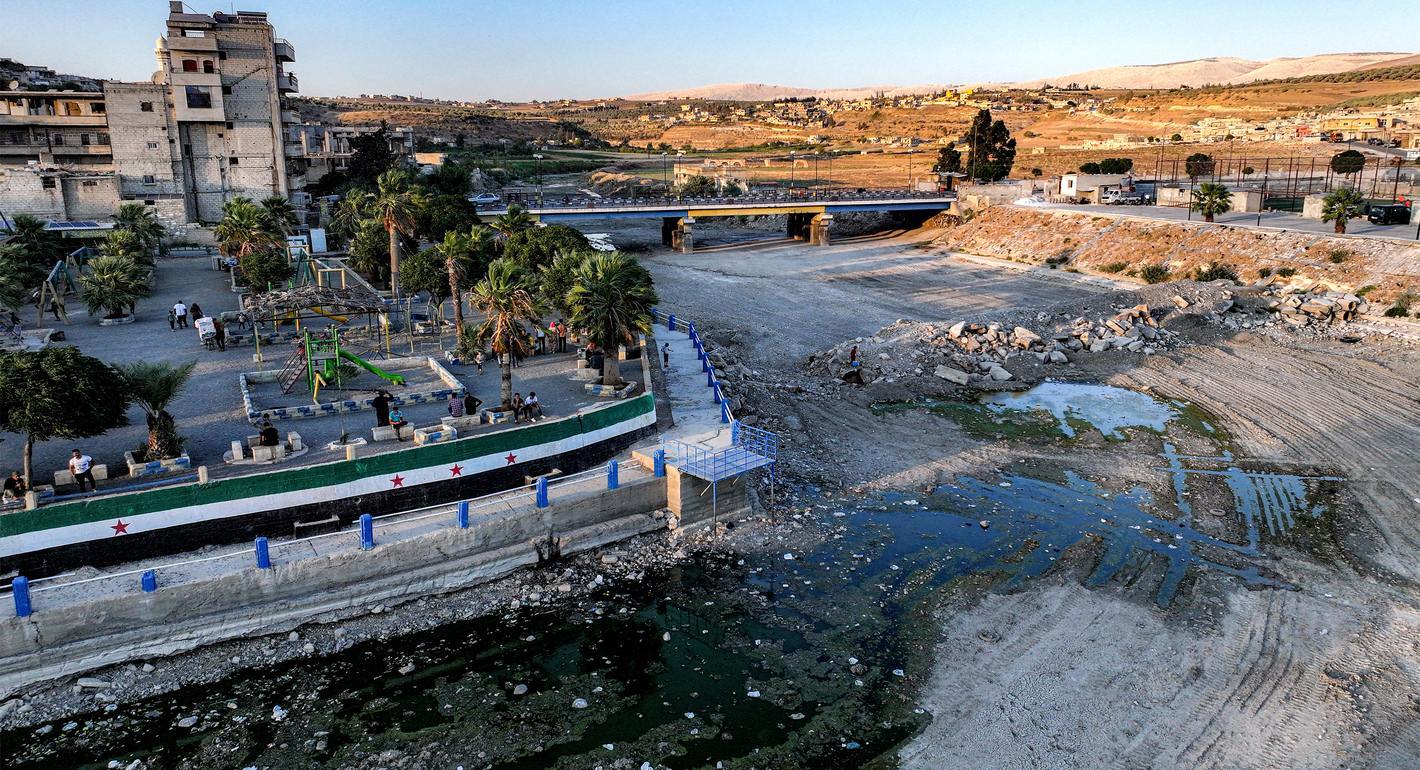
Syria’s worsening drought is no longer a seasonal crisis. This report explains what climate change is doing to rainfall, groundwater, and food security, and what solutions experts say are still possible.
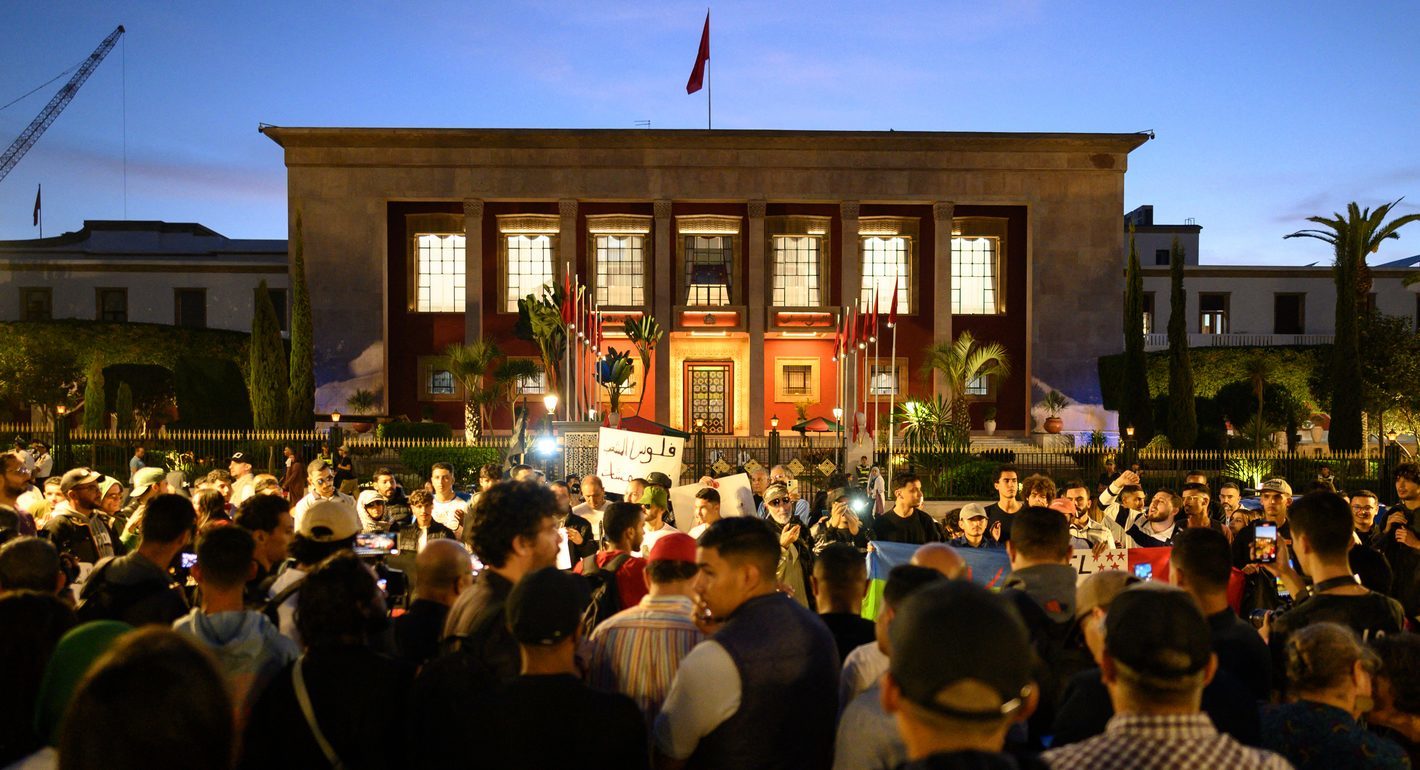
From anime heroes to online gaming communities, Morocco’s Gen Z is building a new protest culture. What does this digital imagination reveal about youth politics, and how should institutions respond?
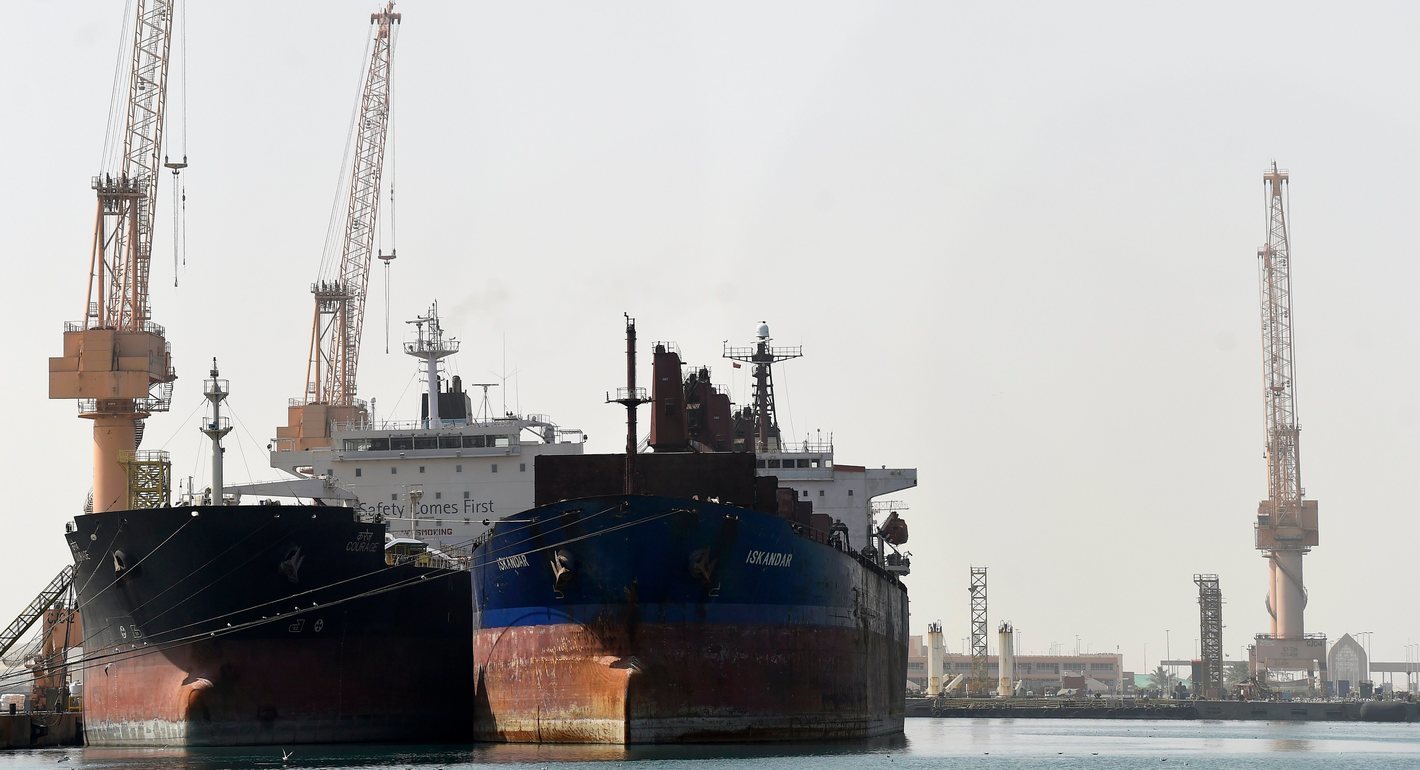
In a volatile Middle East, the Omani port of Duqm offers stability, neutrality, and opportunity. Could this hidden port become the ultimate safe harbor for global trade?
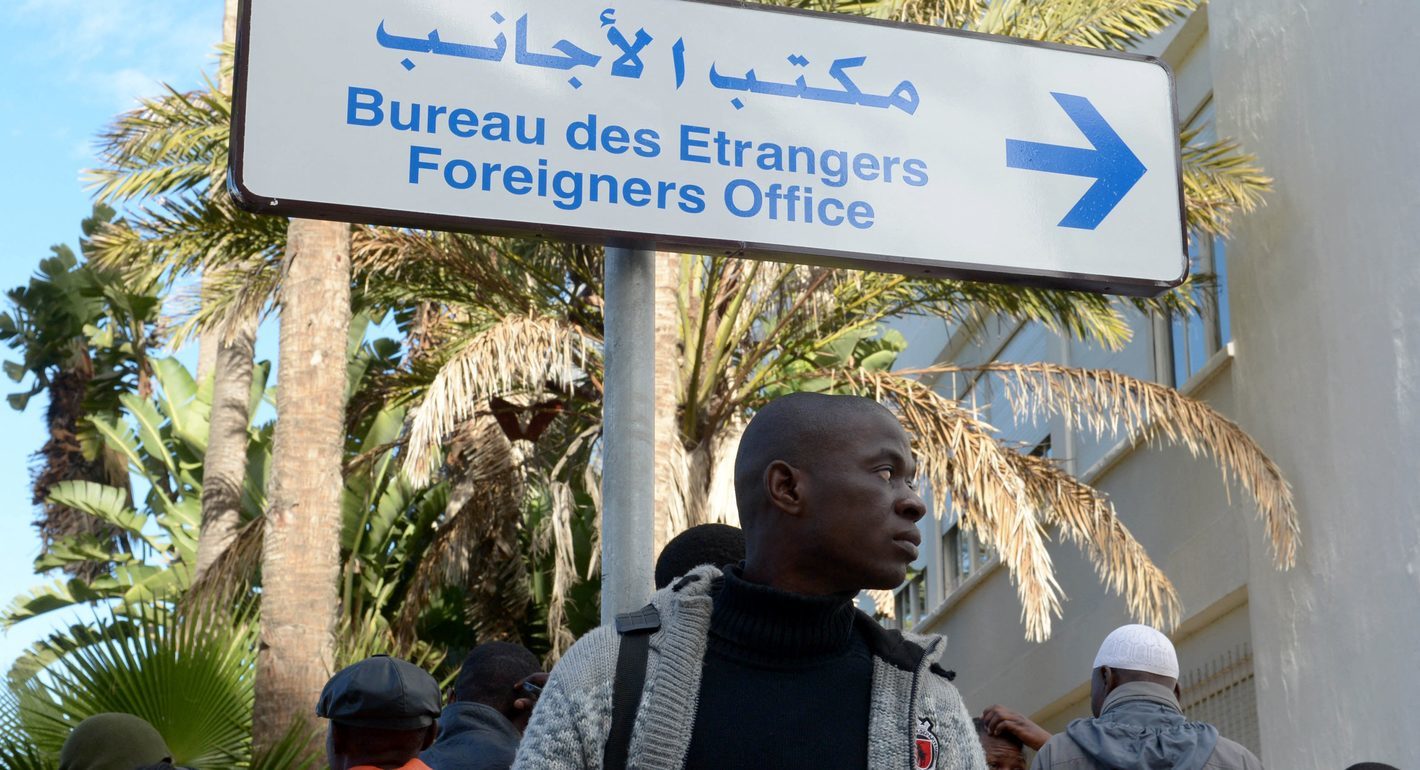
Is Morocco’s migration policy protecting Sub-Saharan African migrants or managing them for political and security ends? This article unpacks the gaps, the risks, and the paths toward real rights-based integration.
Iraq’s foreign policy is being shaped by its own internal battles—fractured elites, competing militias, and a state struggling to speak with one voice. The article asks: How do these divisions affect Iraq’s ability to balance between the U.S. and Iran? Can Baghdad use its “good neighbor” approach to reduce regional tensions? And what will it take for Iraq to turn regional investments into real stability at home? It explores potential solutions, including strengthening state institutions, curbing rogue militias, improving governance, and using regional partnerships to address core economic and security weaknesses so Iraq can finally build a unified and sustainable foreign policy.