

Commentary
Farea Al-Muslimi
{
  "authors": [
    "Farea Al-Muslimi"
  ],
  "type": "commentary",
  "blog": "Sada",
  "centerAffiliationAll": "",
  "centers": [
    "Carnegie Endowment for International Peace",
    "Malcolm H. Kerr Carnegie Middle East Center"
  ],
  "collections": [],
  "englishNewsletterAll": "",
  "nonEnglishNewsletterAll": "",
  "primaryCenter": "Malcolm H. Kerr Carnegie Middle East Center",
  "programAffiliation": "",
  "programs": [],
  "projects": [],
  "regions": [
    "Middle East",
    "Yemen",
    "Gulf"
  ],
  "topics": [
    "Political Reform"
  ]
}
Source: Getty
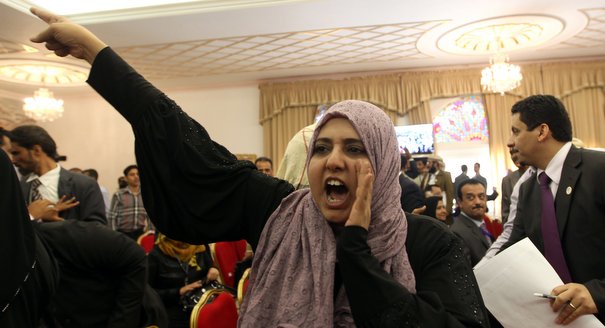
Halfway into its mandate, can the National Dialogue Conference solve Yemen’s extensive problems?
Yemen’s National Dialogue Conference is now readying for its second general plenary to discuss the initial drafts of the dialogue committees. The committees will then return to working groups to refine their plans, with the aim of hammering out the broad outlines of Yemen’s future constitution. While some of the committees have made progress and submitted their reports, other crucial committees—such as the committee on transitional justice and conflict in Saada—have been paralyzed by disputes from the start. Still other committees lack sufficient expertise on the subjects they are discussing. Countless issues threaten the success of Yemen’s National Dialogue Conference, but perhaps none are as dooming as the issue of the south.
Regional circumstances have added pressure—on all actors—to make the dialogue work. Given the international community’s failure to act on Syria, it is looking to promote Yemen as a model for successful external diplomatic efforts in an Arab Spring state. The international community, including the EU, US, GCC and the UN, (the sponsor of the National Dialogue Conference, which grew out of the ineffective GCC initiative) is touting the dialogue as Yemen’s golden opportunity to make headway on the issues ignored by the GCC initiative, such as southern secessionism, the Huthi conflict in Saada, and drafting a constitution that can bring stability to Yemen. Additionally, the dialogue is a chance to bring in powerful players, like the Southern Separatist Movement (Hirak), the Houthis, and youth, who had been excluded from the GCC initiative.
But despite the National Dialogue Conference’s function in enabling discussion, while engaging forces that did not sign or recognize the GCC initiative, some of the nine issues being discussed by working groups (the Southern issue, Saada issue, national issues, state-building, good governance, military and security, special entities, rights and freedoms, and development) are contradictory and likely to end in deadlock. If southern secessionism and Saada require a national dialogue, for instance, then it is impossible to completely separate the overlapping issues of state-building and transitional justice from them, or to even begin thinking about the nature of the state before the future of the south is resolved.
Even though the National Dialogue Conference is more representative of the entire spectrum of Yemeni society than any other political entity, including both houses of parliament, the government, and even the political parties, the fact that only some factions in the southern secessionist movement are represented raises doubts over whether it is sufficiently representative, and undermines its chances for long term success. All actors in Yemen—even Al-Qaeda and other extremist groups—affirm their desire for dialogue, but some have refused to participate in the National Dialogue Conference, protesting either its current form or its lack of preparation. The fact that the twenty points (most of which related to southern secessionism) submitted earlier by the technical committee that was preparing for the dialogue were not implemented seriously undermined the dialogue’s credibility for southerners and the parties affiliated with them. Allowing southerners who were closely allied to former president Ali Abdullah Saleh to represent the southern secessionist movement has also shaken confidence in the dialogue. The withdrawal of key southern leaders from the conference, such as former dialogue deputy chairman Ahmed Al-Sarima, dealt another blow to the dialogue’s legitimacy. The issue of representation aside, the conference cannot hope to resolve southern secessionism without finding definitive solutions to human rights abuses and confronting longstanding grievances such as forced layoffs and stolen property—which have remained unaddressed since the 1994 civil war.
Another argument made by detractors is that the dialogue allowed greater representation for participants who used armed force to make their voices heard. These sentiments are fueled by the lack of representation of certain groups with stronger historical grievances, such as the al-Tihama movement. Tihama is an area that suffers from severe poverty and has had ongoing land disputes, yet it has not been included in the dialogue. This has set a dangerous precedent for groups to use violent means to achieve influence in shaping Yemen’s future.
The conference, however, seems to boost President Abd Rabou Mansour Hadi’s legitimacy and popularity, particularly in the wake of the widely supported and unprecedented shakeup of the Yemeni army’s leadership. Hadi has now gained the political capital he lacked when he assumed the presidency (through the unpopular GCC initiative, rather than competitive elections). However, this surge in the president’s popularity brings its own dangers, including the potential delay of elections. This would badly damage confidence in the transitional process and extend the mandate of an already unpopular consensus government.
For the dialogue conference to succeed, it must generate compromises acceptable to all factions of Yemeni society, including those who are not represented. Yemen must also put contingency plans in place, particularly for the failure of the dialogue, and should develop consolation measures for the “losers” of the dialogue. But perhaps the most important thing the government needs to do is to create an effective implementation mechanism that outlines the roles of government agencies involved. Spelling out feasible solutions does not necessarily mean that antagonists will put aside their disputes, whether old or new, local, or regional. The conference has partly addressed this issue by creating a reconciliation committee—recently appointed by Hadi—to resolve disputes within the conference and to follow up on the implementation of the dialogue’s results.
For the National Dialogue Conference to be taken more seriously, the president needs to head south and tackle the intricate issue of southern secessionism head-on, while the various committees should coordinate more with the southern committee. Should the international community seek an extension for the conference—which is almost half way through its six-month mandate—and the presidency, it will be vital to press for the current government to be replaced with a new government. This new government must be appointed by the president, who possesses legitimacy from the conference, not by the parliament, which has exceeded its mandated term and is seen as biased against the south.
Farea Al Muslimi is a Sanaa-based analyst and commentator on Yemeni affairs.
Research fellow at Chatham House’s Middle East and North Africa Programme
Farea Al-Muslimi is a research fellow at Chatham House’s Middle East and North Africa Programme.
Recent Work
Farea Al-Muslimi
Farea Al-Muslimi
Carnegie does not take institutional positions on public policy issues; the views represented herein are those of the author(s) and do not necessarily reflect the views of Carnegie, its staff, or its trustees.
From anime heroes to online gaming communities, Morocco’s Gen Z is building a new protest culture. What does this digital imagination reveal about youth politics, and how should institutions respond?
Abdelilah Farah
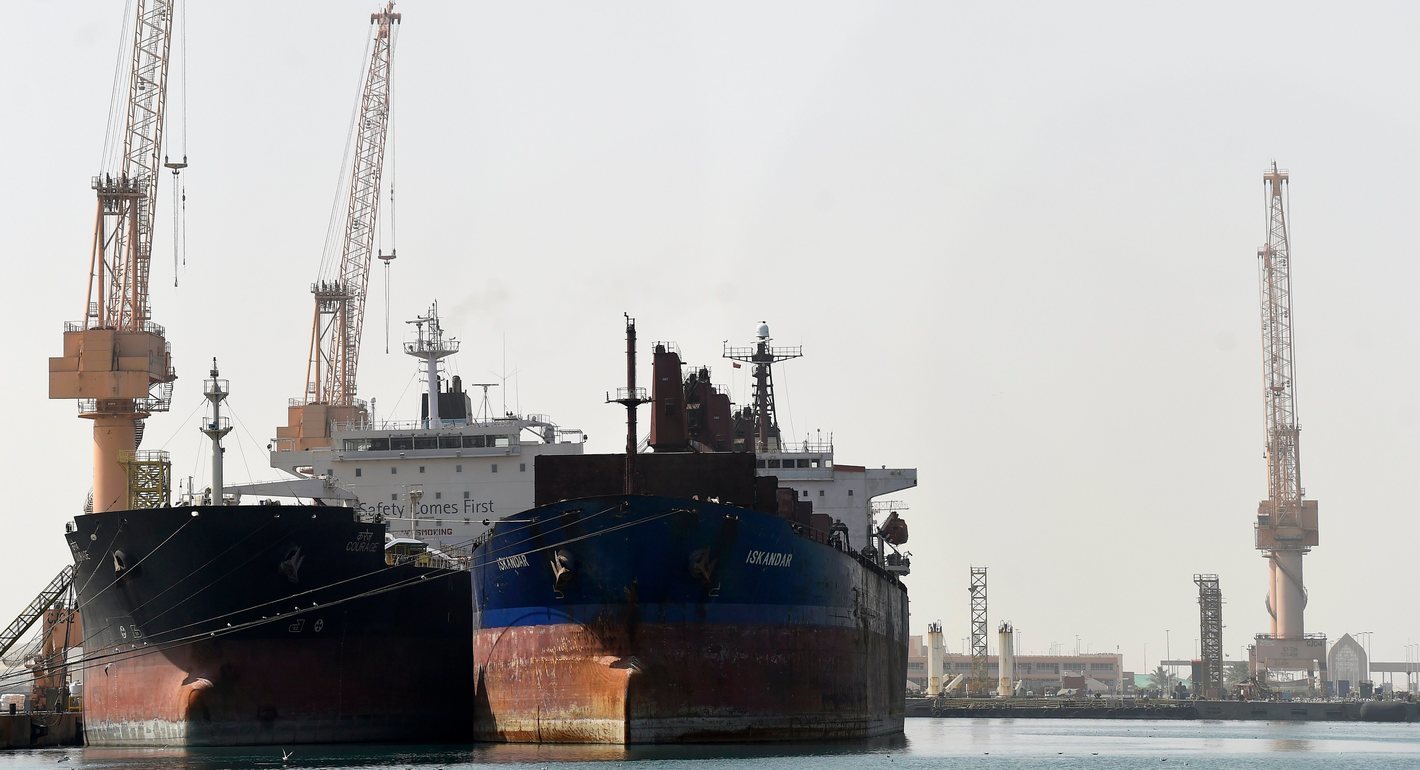
In a volatile Middle East, the Omani port of Duqm offers stability, neutrality, and opportunity. Could this hidden port become the ultimate safe harbor for global trade?
Giorgio Cafiero, Samuel Ramani
Is Morocco’s migration policy protecting Sub-Saharan African migrants or managing them for political and security ends? This article unpacks the gaps, the risks, and the paths toward real rights-based integration.
Soufiane Elgoumri
Iraq’s foreign policy is being shaped by its own internal battles—fractured elites, competing militias, and a state struggling to speak with one voice. The article asks: How do these divisions affect Iraq’s ability to balance between the U.S. and Iran? Can Baghdad use its “good neighbor” approach to reduce regional tensions? And what will it take for Iraq to turn regional investments into real stability at home? It explores potential solutions, including strengthening state institutions, curbing rogue militias, improving governance, and using regional partnerships to address core economic and security weaknesses so Iraq can finally build a unified and sustainable foreign policy.
Mike Fleet
How can Saudi Arabia turn its booming e-commerce sector into a real engine of economic empowerment for women amid persistent gaps in capital access, digital training, and workplace inclusion? This piece explores the policy fixes, from data-center integration to gender-responsive regulation, that could unlock women’s full potential in the kingdom’s digital economy.
Hannan Hussain