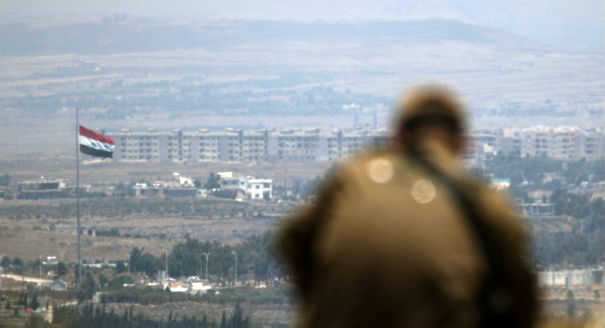
In the short term, the Syrian crisis has temporarily reduced the danger to Israel from its traditional foes in Syria and Lebanon. But new and dangerous threats from emergent actors in the arena—some latent, some already present—are a source of growing concern for its government and security forces. For Israel, this is, in many ways, a lose-lose situation.
In the past, Jerusalem and Damascus learned how to send signals to each other—covertly, overtly, by proxy, and at times with force. However, the Syrian uprising-turned-civil-war fragmented control of Syria and its many military assets between the regime and the growing number of opposition groups. Led at first by local, largely secular, rebels, Syria quickly became a magnet for radical Islamists and foreign fighters that now dominate the Syrian opposition. From the Israeli viewpoint, the civil war has removed the threat of conventional war with Syria and replaced it with a myriad new threats that Jerusalem is unsure how to handle. These threats stem from the dynamics within both the pro-Assad and the rebel sides.
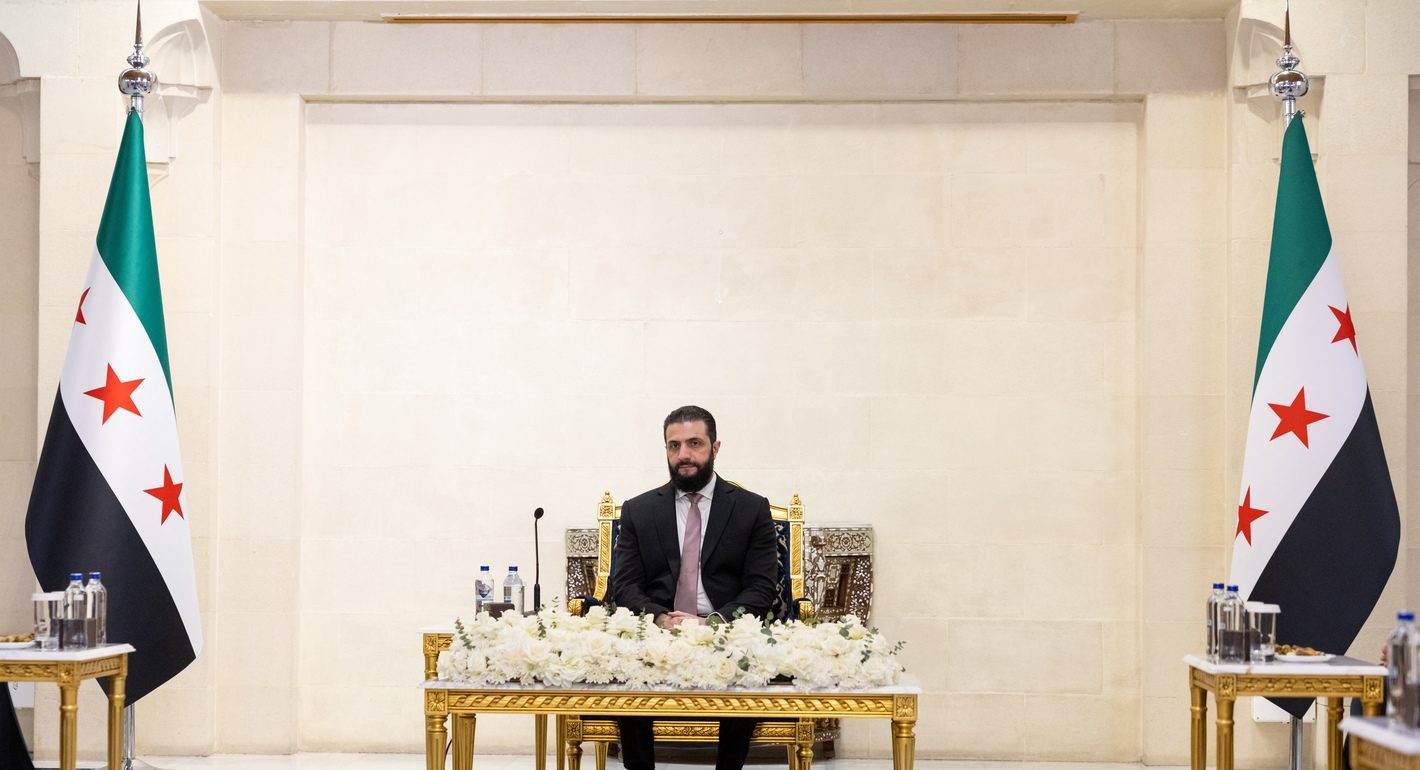
If President Assad stays in power, even if only in part of Syria, he will remain indebted to Iran—thereby increasing its ability to project power in the Middle East. The same applies to Hezbollah, whose involvement in several recent crucial battles has apparently turned the tides of war in Assad's favor. Ultimately, a victorious outcome for the Syrian regime would dramatically bolster the prestige and power of Iran and its allies—all sworn enemies of Israel. Reports that the Syrian president is being pressured by Iran to allow it to open a new front against Israel in the Syrian-controlled side of the Golan Heights, together with the declining willingness of UN peacekeepers to patrol the armistice line due to the growing danger they face from both regime and rebel forces, keep Israeli decision makers up at night. As for the opposition, the Sunni jihadi military groups that dominate the anti-regime forces in Syria (some of which have recently begun operating in Lebanon too) hold Israel in as much contempt as they do Assad's regime and its backers. The fall of Assad could leave a failed state infested with radical Islamists at Israel's doorstep.
The final concern for Israel is that almost two and a half years into the conflict all sides are by now experienced and battle-hardened, despite suffering severe casualties and losses to equipment. According to Brig. Gen. Tamir Haiman, the outgoing commander of the Israeli army division stationed in the Golan Heights, "Friction results in learning, and the Syrians are better fighters today than they were two years ago." Through what has been coined "Tactical Darwinism"—the concept that combat weeds out the less proficient fighters, and that those who survive the battlefield are likely also the best soldiers and commanders—Assad's forces and Hezbollah’s, as well as the groups fighting them, will emerge better soldiers. In the long run, this does not bode well for Israel or its neighbors.
Israel has benefited in the short term from the dissipation of a decades-old threat from the Syrian army, and to a lesser degree from Hezbollah. But looking ahead, it sees the rise of multiple other threats that are much harder to predict, deter, or contain. No matter which side triumphs in Syria, or whether the stalemate will become the status quo, Israel will be faced with a difficult new situation on its northern border, one which will likely leave it wishing for the old, stable days.
Oded Raanan is a PhD candidate at the Central European University in Budapest, Hungary.
For an alternate take on this issue, read Haian Dukhan's “Advantage of a Stalemate.”