

Commentary
From anime heroes to online gaming communities, Morocco’s Gen Z is building a new protest culture. What does this digital imagination reveal about youth politics, and how should institutions respond?
Abdelilah Farah
{
  "authors": [
    "Fadel Al-Kifaee"
  ],
  "type": "commentary",
  "blog": "Sada",
  "centerAffiliationAll": "",
  "centers": [
    "Carnegie Endowment for International Peace"
  ],
  "collections": [],
  "englishNewsletterAll": "",
  "nonEnglishNewsletterAll": "",
  "primaryCenter": "Carnegie Endowment for International Peace",
  "programAffiliation": "",
  "programs": [],
  "projects": [],
  "regions": [
    "Middle East",
    "Iraq",
    "Gulf",
    "Levant",
    "Iran"
  ],
  "topics": [
    "Political Reform"
  ]
}
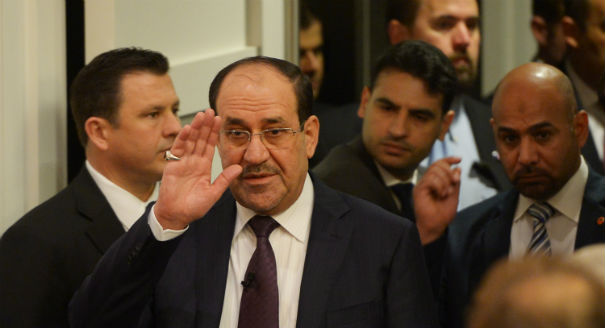
Source: Getty
Due to divisions within Iraq’s Shia establishment, Prime Minister Nouri al-Maliki is losing the allies he would need to achieve re-election in 2014.
As Prime Minister Nouri al-Maliki prepares to make a third run in the Iraq’s upcoming parliamentary elections, daunting challenges appear ahead. More than ever, Maliki stands as a dividing figure in Iraqi politics—his opponents are numerous and diverse, but the strongest opposition, political and religious, comes from within his Shia community.
There have been indications that Iraq's Shia spiritual leader Ayatollah Ali al-Sistani is not in favor of a third term for Prime Minister Nouri al-Maliki, but the latter is taking advantage of the Ayatollah's quietism. Although Maliki seems aware of Sistani’s disproval of his performance, he is using Sistani’s abstention from politics (Sistani will not even meet with politicians) to deny claims that he lost the support of the religious establishment. Sistani belongs to and maintains the traditional Shii thought that a marja's role in politics is limited to providing advice without taking sides, unless the Islamic social identity of society comes under a threat—which necessitated his involvement in the ratification of the 2005 constitution. However, Sistani's representatives have, without explicitly naming Maliki, made their discontent with him and his performance apparent, especially on issues of national unity and security (including his handling of Sunni protests and poor management of security challenges, let alone corruption). These criticisms are effectively delivered through Friday prayer, in a soft manner and in compliance with Sistani's approach.
Iran played a decisive role in helping Maliki cinch a second term in 2010 when he needed Sadrists’ votes. Shortly thereafter, the leader of the Sadrists, Muqtada al-Sadr, declared that Iran forced him to vote for Maliki. Observers believe that the second term of Maliki has revived sectarianism, weakened national unity, and barred independent institutions from power. In this context, the only internal Iraqi actor capable of resisting Iranian hegemony is the Iraqi Shia religious establishment, namely the hawza (seminary) of Najaf, and its supreme marja Ayatollah Sistani. Furthermore, this institution can cast doubts on Tehran’s religious legitimacy in the eyes of Iraq’s Shia. However, the Shia establishment’s quietism stands in the way of allowing it to counter Iranian influence, and therefore Sistani’s role in balancing out Tehran’s influence in Iraq will remain marginal in the short run.
At the moment, however, Iran is likely to wait for the results of the 2014 elections to decide whom to support. With the Iranian economy in crisis, impacted by sanctions, Tehran will not spend resources on supporting specific individuals, even if they are allies, during their pre-election campaigns. Maliki’s major electoral threat comes from within his own sectarian-based constituency, namely from the Sadrists and the Islamic Supreme Council of Iraq (ISCI). The last two parliamentary and local elections, in which the State of Law coalition (Maliki’s bloc) was unable to gain the majority of seats, indicate that he would need additional support from other parties, perhaps even his rivals, in order to achieve re-election. Iran maintains good relations with practically all major Shia players (Da‘wa, ISCI, and the Sadrists). Wishing to maximize its gain, Iran is likely to wait and see if an anti-Maliki alliance develops and gains strengthen. If this alliance becomes threatening enough, Iran is likely to use it to gain greater concessions from Maliki for a promise and a push to bring him back to power.
Maliki’s chances at a third term depend largely on the electoral showing of his two Shii rivals, the Sadrists and ISCI, and their capacity to form an anti-Maliki alliance. However, in this case the Sadrists and ISCI lack the political clout to promote their own nominee to premiership, but an alliance between them would perhaps force Maliki’s bloc to nominate an alternative personality from within the Da‘wa Party. This seems to be the same possible outcome for which Sistani wishes; his preachers have been urging their followers not to vote for the "current corrupt officials," a veiled reference to Maliki. The Sadrists and ISCI can use Sistani’s presumed dissatisfaction with Maliki to ensure the latter loses support. If they manage to achieve that, the Da‘wa Party may once again replace their candidate at the last moment, and say goodbye to Maliki for good.
Fadel Al-Kifaee is an Iraqi scholar and author of The Role of Najaf's Hawza and Ayatollah Ali al-Sistani in Restructuring the Iraqi Governance System in Post-Baathist Iraq.
Fadel Al-Kifaee
Carnegie does not take institutional positions on public policy issues; the views represented herein are those of the author(s) and do not necessarily reflect the views of Carnegie, its staff, or its trustees.
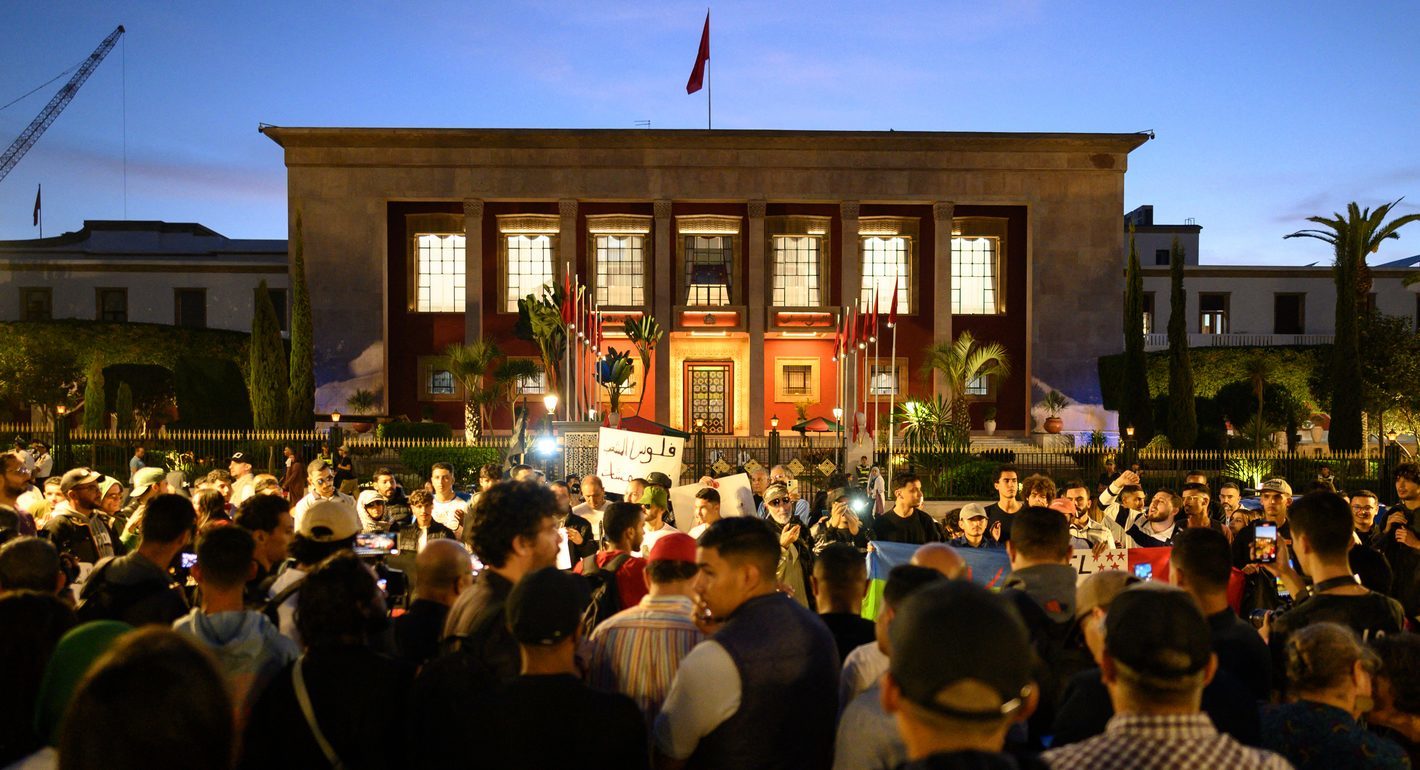
From anime heroes to online gaming communities, Morocco’s Gen Z is building a new protest culture. What does this digital imagination reveal about youth politics, and how should institutions respond?
Abdelilah Farah
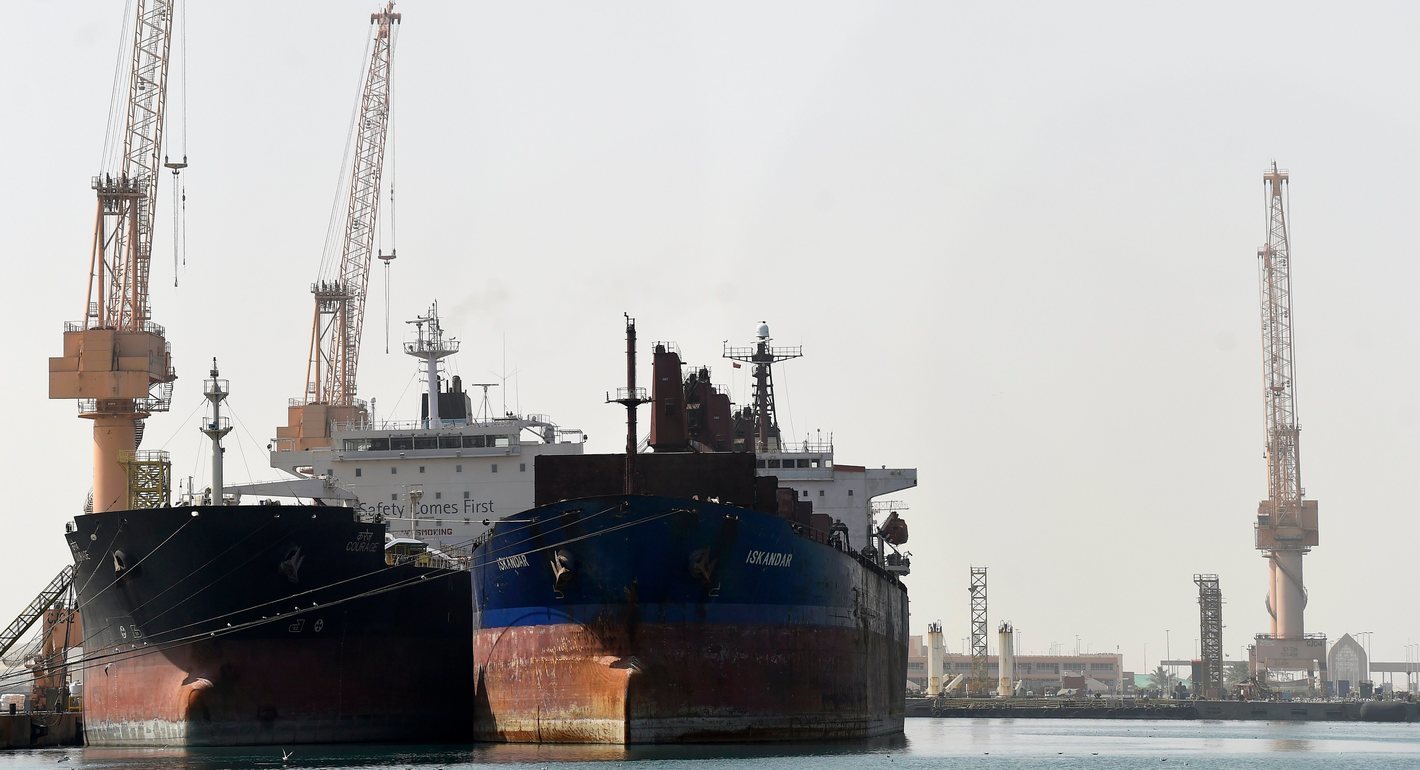
In a volatile Middle East, the Omani port of Duqm offers stability, neutrality, and opportunity. Could this hidden port become the ultimate safe harbor for global trade?
Giorgio Cafiero, Samuel Ramani
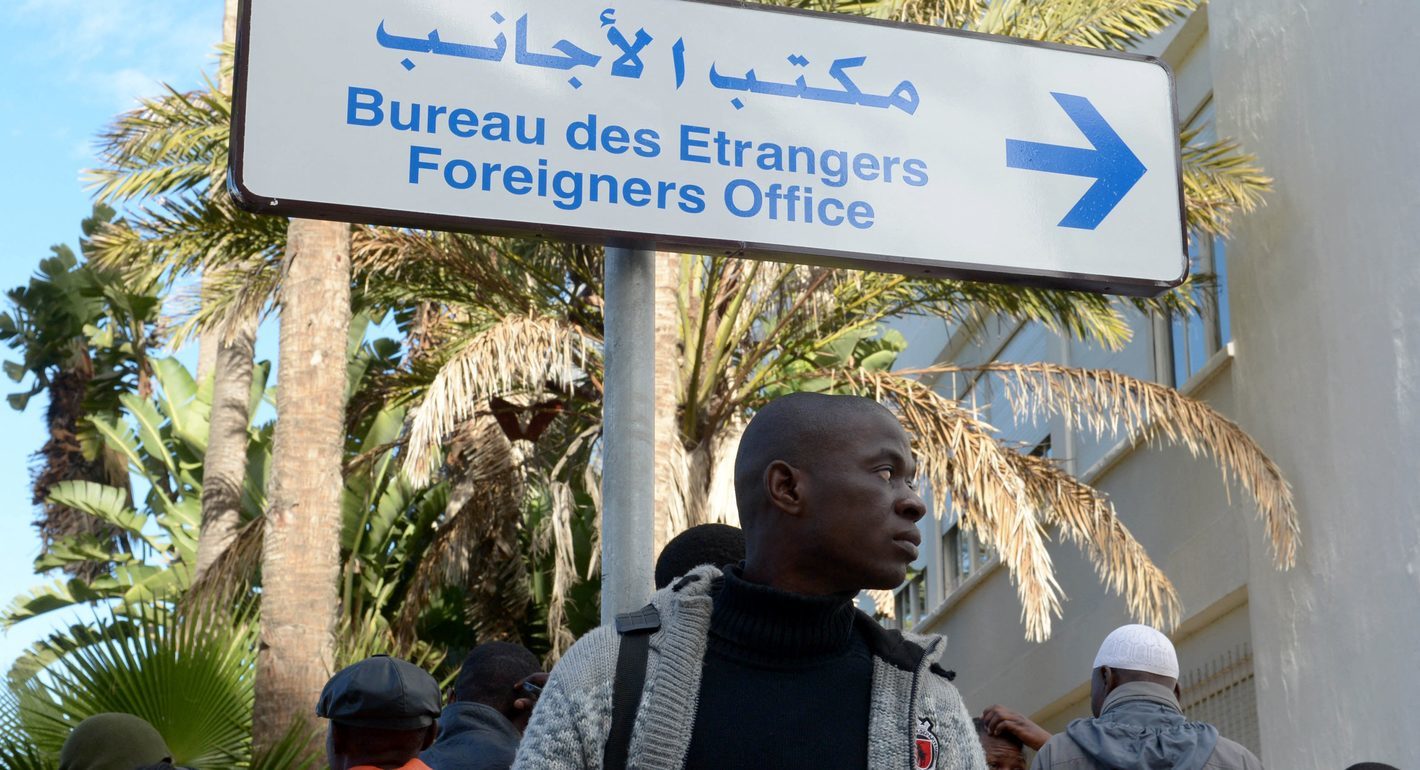
Is Morocco’s migration policy protecting Sub-Saharan African migrants or managing them for political and security ends? This article unpacks the gaps, the risks, and the paths toward real rights-based integration.
Soufiane Elgoumri
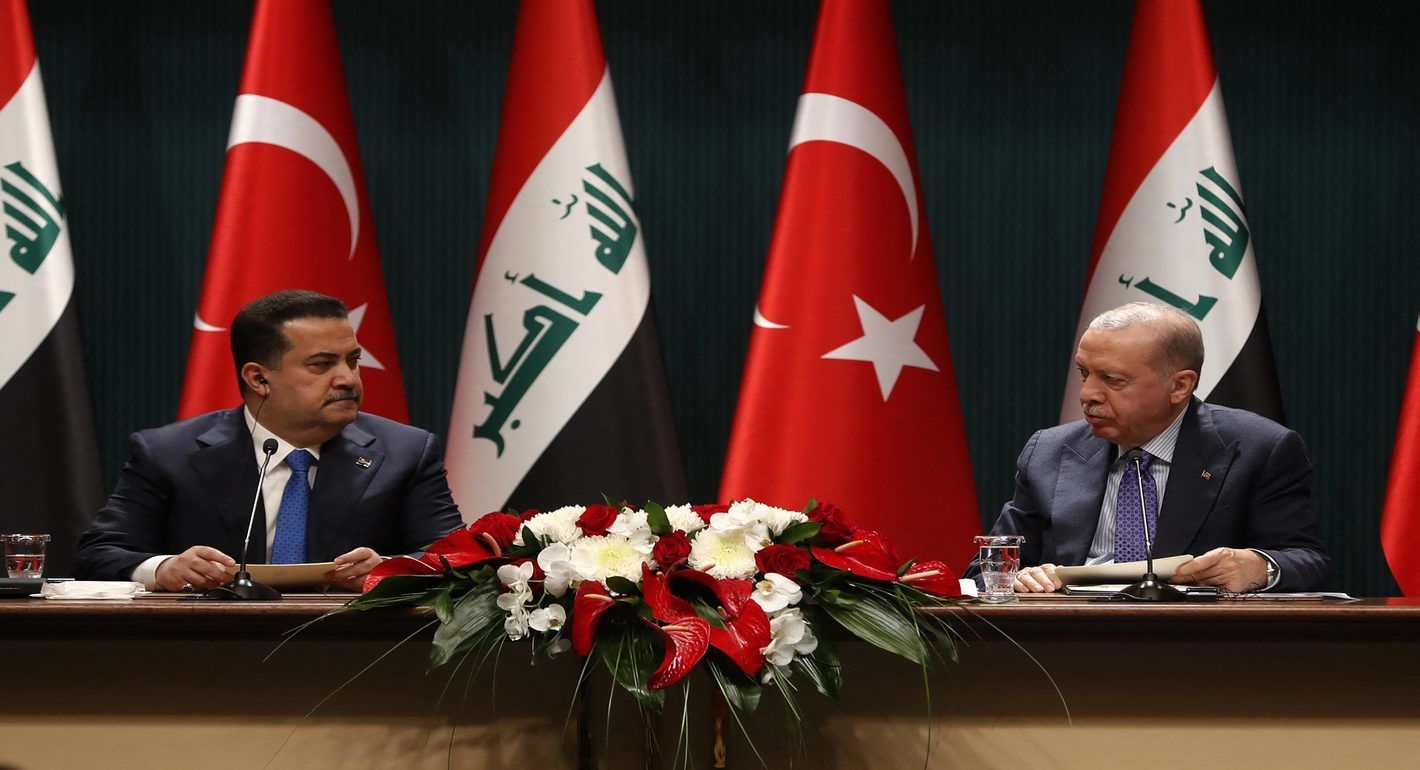
Iraq’s foreign policy is being shaped by its own internal battles—fractured elites, competing militias, and a state struggling to speak with one voice. The article asks: How do these divisions affect Iraq’s ability to balance between the U.S. and Iran? Can Baghdad use its “good neighbor” approach to reduce regional tensions? And what will it take for Iraq to turn regional investments into real stability at home? It explores potential solutions, including strengthening state institutions, curbing rogue militias, improving governance, and using regional partnerships to address core economic and security weaknesses so Iraq can finally build a unified and sustainable foreign policy.
Mike Fleet
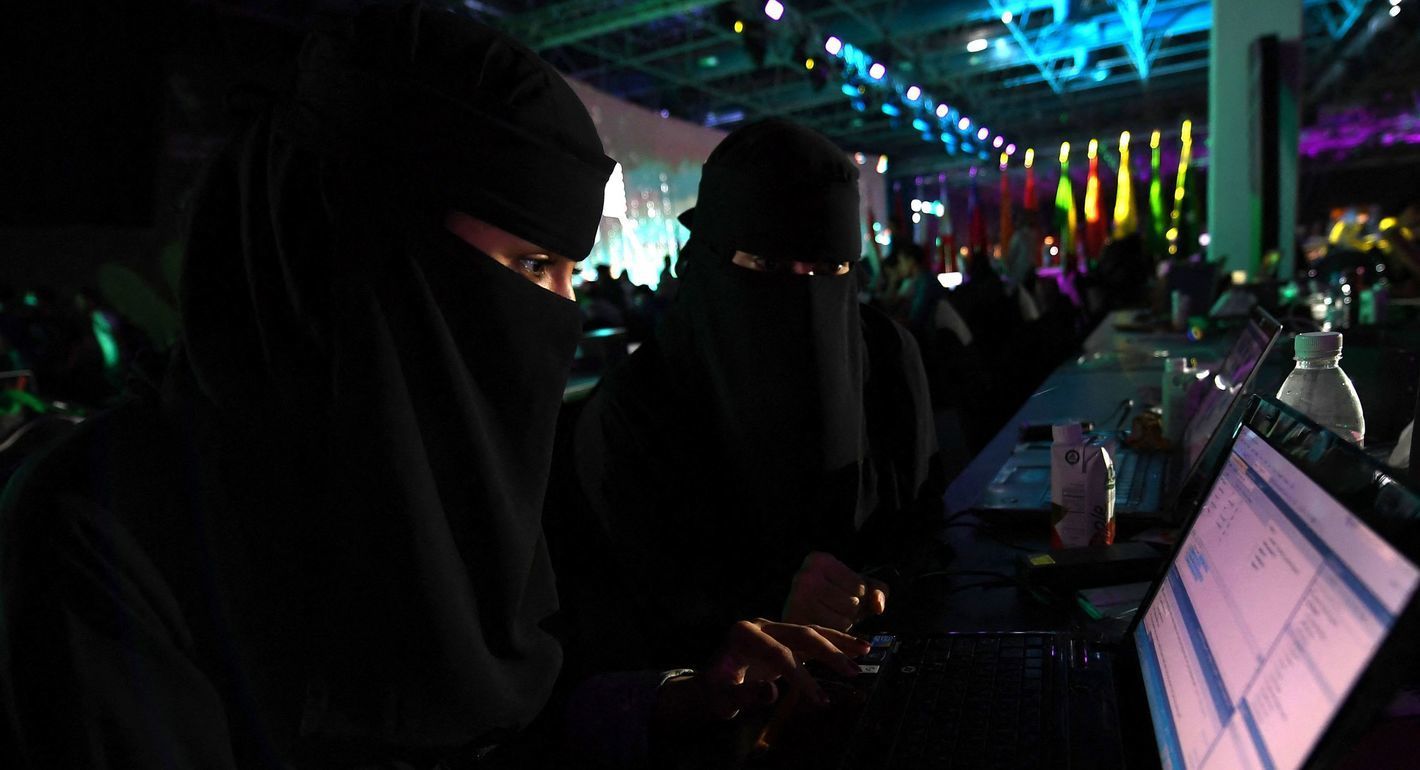
How can Saudi Arabia turn its booming e-commerce sector into a real engine of economic empowerment for women amid persistent gaps in capital access, digital training, and workplace inclusion? This piece explores the policy fixes, from data-center integration to gender-responsive regulation, that could unlock women’s full potential in the kingdom’s digital economy.
Hannan Hussain