

Article
Mohammed Masbah
{
  "authors": [
    "Mohammed Masbah"
  ],
  "type": "commentary",
  "blog": "Sada",
  "centerAffiliationAll": "",
  "centers": [
    "Carnegie Endowment for International Peace",
    "Malcolm H. Kerr Carnegie Middle East Center"
  ],
  "collections": [],
  "englishNewsletterAll": "",
  "nonEnglishNewsletterAll": "",
  "primaryCenter": "Malcolm H. Kerr Carnegie Middle East Center",
  "programAffiliation": "",
  "programs": [],
  "projects": [],
  "regions": [
    "Middle East",
    "North Africa",
    "Morocco",
    "Syria",
    "Levant"
  ],
  "topics": [
    "Security"
  ]
}
Source: Getty
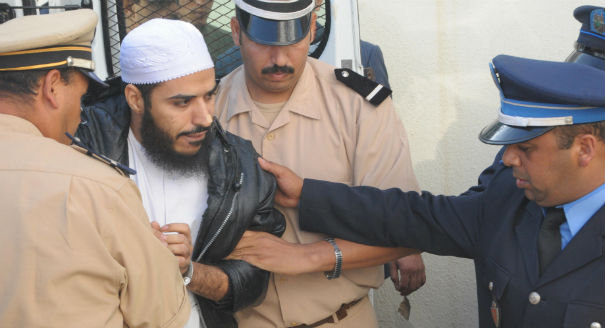
The growing number of radicalized Moroccan fighters in Syria will complicate the resolution of the Salafi detainees issue in Morocco.
Although the estimated number of Moroccans fighting in Syria varies sharply, with the highest at 1,000, local Salafi-jihadi leaders claim that the number could be even higher, in the 1,000–1,500 range.1 The increasing presence of Moroccan fighters draws further attention to the domestic issue of Salafi-jihadi detainees. The failure to resolve or even address this issue or the underlying causes of radicalization have—along with other motives—encouraged Moroccan Salafi-jihadis to join fights in Syria and elsewhere.
The first wave of Moroccans to join the fighting in Syria (mostly fighters belonging to al-Qaeda in Iraq) arrived in early 2012. Afterward, groups of young Moroccans (from inside Morocco and living abroad) began to join various groups in Syria, particularly Jabhat al-Nusra. Under the leadership of Abu Mohammed al-Joulani, Jabhat al-Nusra was the most popular recruiter of Moroccan fighters until the founding of the Islamic State in Iraq and al-Sham (ISIS) under Abu Bakr al-Baghdadi divided their loyalties. Most Moroccans fighting with ISIS are foot soldiers, though a few of them advance to become second-level commanders, as with the case of leader Abdel Aziz El Mehdali (aka Abu Usama al-Maghribi), who was killed recently along with 20 fighters during clashes with Jabhat al-Nusra. ISIS is now the second most popular group, after Sham al-Islam, which has seen a more steady inflow of Moroccan fighters since the summer of 2013. Sham al-Islam is estimated to include 500-700 Moroccans, who form the majority of the group; it was until very recently led by Brahim Benchekroun, a former Guantanamo detainee who is the single most influential figure for Syria-bound Moroccan volunteers, particularly for former Salafi detainees who formed friendships behind bars. Dozens of Moroccans—among them Benchekroun—have been killed during recent fights with the Syrian regime in the Latakia region, and it remains to be seen whether these recent deaths will influence the number of Moroccan fighters joining Sham al-Islam.
The motivation to join the fight in Syria is twofold: logistical and ideological. Moroccan jihadis find that the logistical aspects of fighting in Syria are easier compared to other regional theaters. Travel to Syria is both easy and inexpensive, which has encouraged a number to join. Most fighters leave alone or in small groups of colleagues after establishing contacts in Syria. In terms of ideological and religious aspects, Syria holds great significance as a place that will witness decisive fights between Muslims and “non-believers” at the end of time. And however different their levels of conviction, once they are in the training camps, young fighters are converted into Salafi-jihadism through indoctrination of jihadist theory alongside basic weapons and combat training. This transformative process has led to the emergence of a new generation of more radicalized and active fighters; even those entering the conflict as hardened Salafi-jihadis find that this training and ongoing developments generate greater extremism. This new generation is seen as more radicalized, but how large it is within the ranks of Moroccan fighters in Syria is difficult to ascertain.
In terms of recruitment, the process appears rather organic and done on an individual basis, and most volunteers finance their own travel. Once there, some groups, including ISIS, provide their fighters with a salary—another motivation to join the fight—and all fighters share the spoils they seize. So far, it appears the process of recruitment takes place at a micro level that depends heavily on personal relationships and online social networks. Many young Moroccan jihadis, for instance, remain active on Facebook while fighting in Syria, keeping in touch with their friends back home and encouraging them to join the conflict. The majority of fighters come from the northern and western parts of the kingdom, including major cities like Tangier, Salé, Casablanca, and Fez. These areas all have prominent Salafi movements in addition to high youth unemployment and high rates of urbanization. The high emigration to Europe from these regions highlights another source of Moroccan fighters; many of the fighters coming to Syria from Western countries are in fact second- and third-generation Moroccans living in Europe.
Moroccan authorities attempt, inconsistently, to crack down on recruitment processes, cooperating in some instances with other intelligence agencies (such as Spain’s) to break up cells recruiting youth to fight in Syria. However, more consistently, the authorities have turned a blind eye to jihadis leaving for Syria, perhaps motivated by a desire to get rid of them. Exporting Moroccan jihadis (or tacitly allowing them to leave) is indeed a far less costly and contentious remedy to the issue of Salafi-jihadi radicalization. But when many of them return unharmed from the battlefield, the authorities throw them in jail, often straight from the airport, for fear that returning battle-hardened jihadis could form a core group for armed action within Morocco itself. Most of the returnees receive a four-year prison sentence based on a broad interpretation of the antiterrorism law—deceived by their own misinterpretation of Morocco’s hosting of the Friends of Syria meeting in Marrakech in December 2012, which they interpreted as an “official” endorsement of the Syrian revolution that encouraged them to join the fight. Jailing them not only compounds the issue of Salafi-jihadi detainees but creates a vicious circular dynamic: those coming from battle are thrown in jail and those in jail leave for battle once released.
One fundamental barrier to a serious and comprehensive resolution is the one-dimensional, security-based approach to the Salafi-jihadi issue in Morocco. As a crucial security issue, it is primarily managed through the interior ministry and the domestic and foreign intelligence agencies, which fall under King Mohammed VI’s purview, and where the elected government has little say. The Salafi community expects the leading Justice and Development Party (PJD) to do more on the issue by releasing some of the detainees, which the palace refuses to do for security concerns. In turn, the PJD blames the Salafi community for not doing enough to prevent young jihadis from joining the fight in Syria. However, a recent Friday sermon attended by the king and led by Mohammed Al-Fazazi, a former Salafi-jihadi detainee under the antiterrorism law, signaled that the monarchy’s sensitivity to Salafis is perhaps lessening and that a solution might be reachable. This of course would be contingent upon the latter’s ability to provide enough guarantees and concessions, including recognizing the authority of the king (as Commander of the Faithful) and renouncing violence—at least domestically.
Drafting a law that prohibits non-state actors from joining fights in external conflict arenas may also prevent some jihadis from traveling to Syria in the short term. However, the issue is more systemic, and an ideal long-term solution would require a balanced approach that guarantees security without sacrificing basic human rights and freedoms, one that restores confidence in the political process and integrates all groups that renounce violence.
Mohammed Masbah is a fellow at the German Institute for International and Security Affairs in Berlin and a regular contributor to Sada. This article was based on a series of interviews with Moroccan Salafi-jihadis.
This article was translated from Arabic.
1. Interviews with the author. ?
Former Nonresident Scholar, Middle East Center
Masbah was a nonresident scholar at the Carnegie Middle East Center. He is a political-sociologist whose work centers on Salafism, political Islam, authoritarianism, and youth movements, with a focus on North Africa.
Recent Work
Mohammed Masbah
Mohammed Masbah, Souad Ahmadoun
Carnegie does not take institutional positions on public policy issues; the views represented herein are those of the author(s) and do not necessarily reflect the views of Carnegie, its staff, or its trustees.
Can economic ties help contain conflict between Egypt and Israel, or do they simply postpone confrontation? Drawing on the German-Russian experience, the article examines how the gas deal creates mutual dependence, keeps channels of cooperation open, and raises the cost of conflict, without necessarily delivering lasting peace.
Nourhan Hefzy
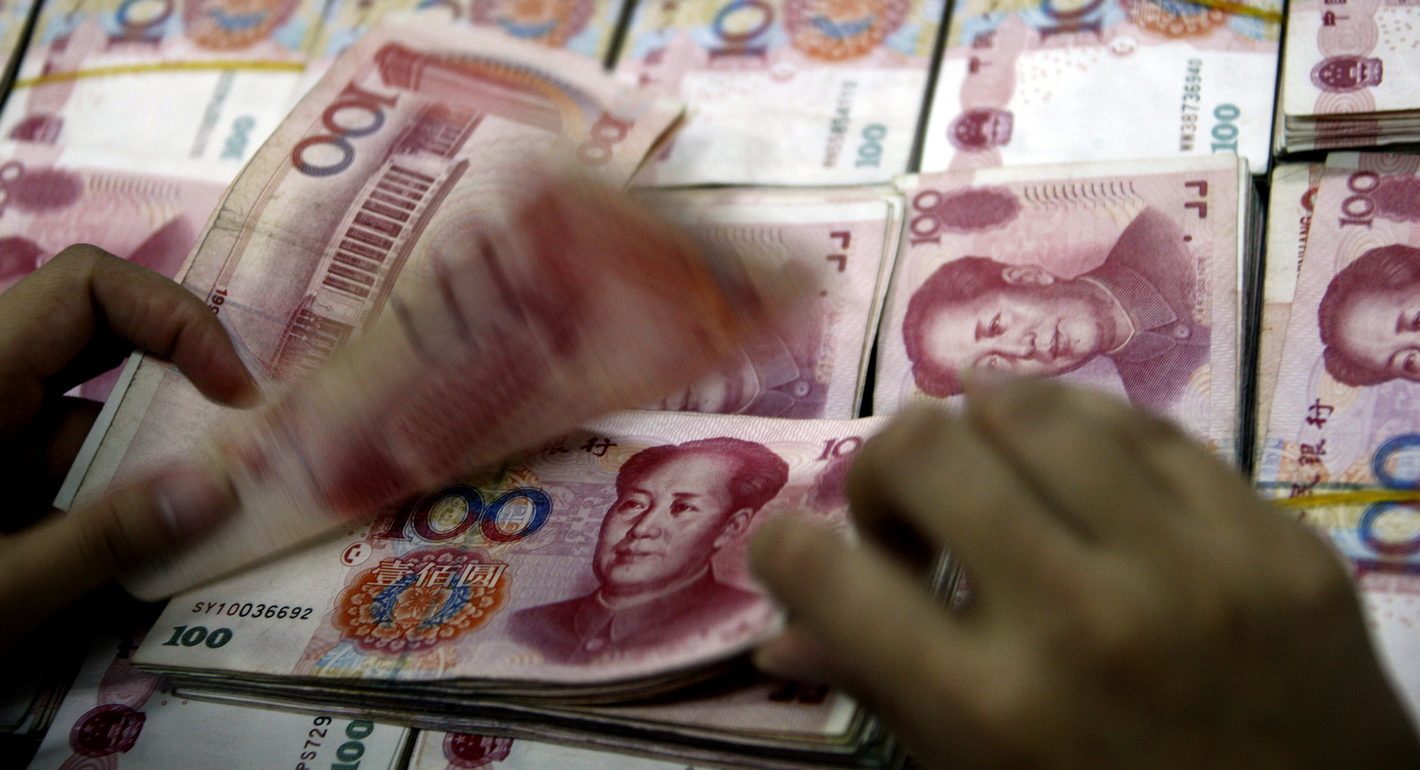
Is the Gulf moving beyond the dollar? This article examines how China is expanding the renminbi's role across Gulf markets, what that means for regional finance, and why the future of global currencies is more complex than the de-dollarization debate suggests.
Andrew Bonney
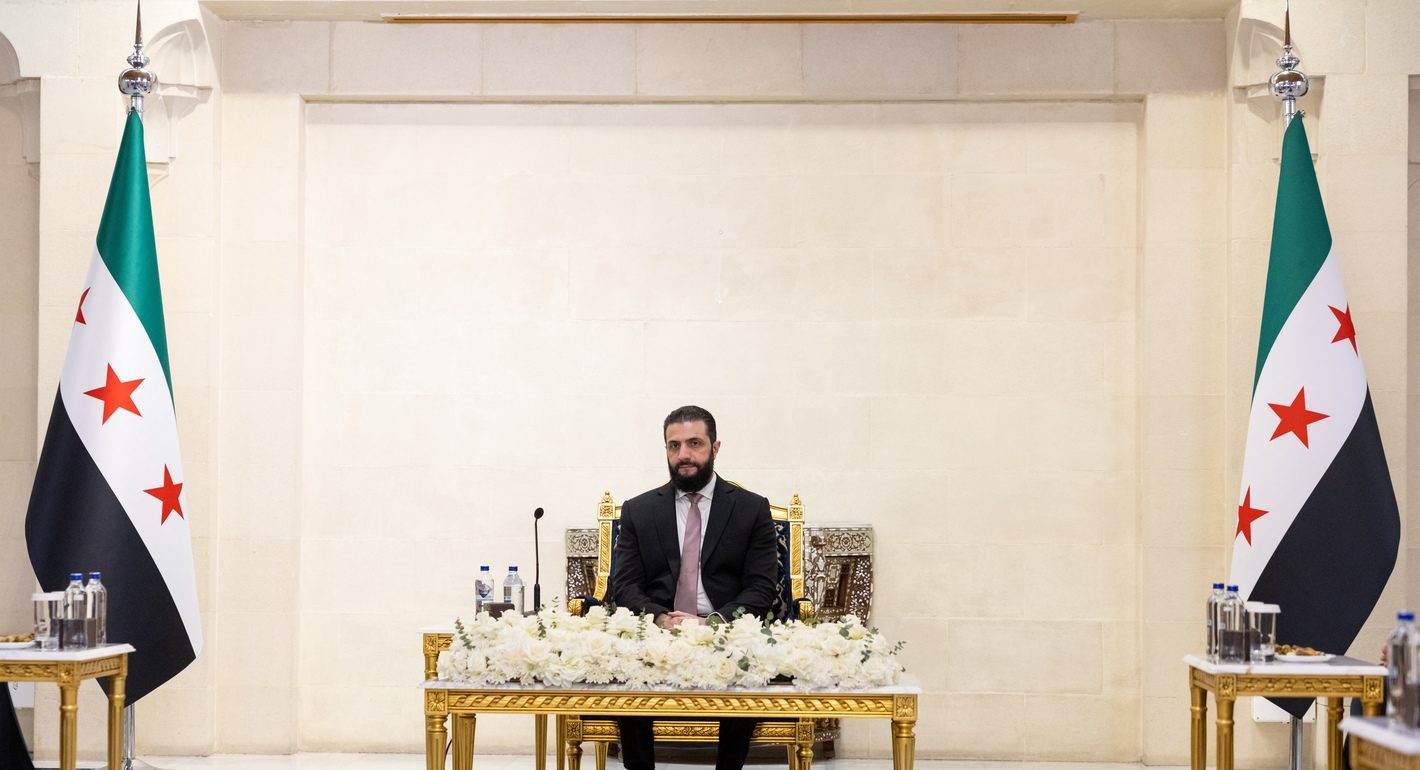
Syria's transition promised a fresh start. But are old habits of power making a comeback? This analysis looks at the warning signs and what it will take to build a more accountable state.
Sima Beitinjaneh
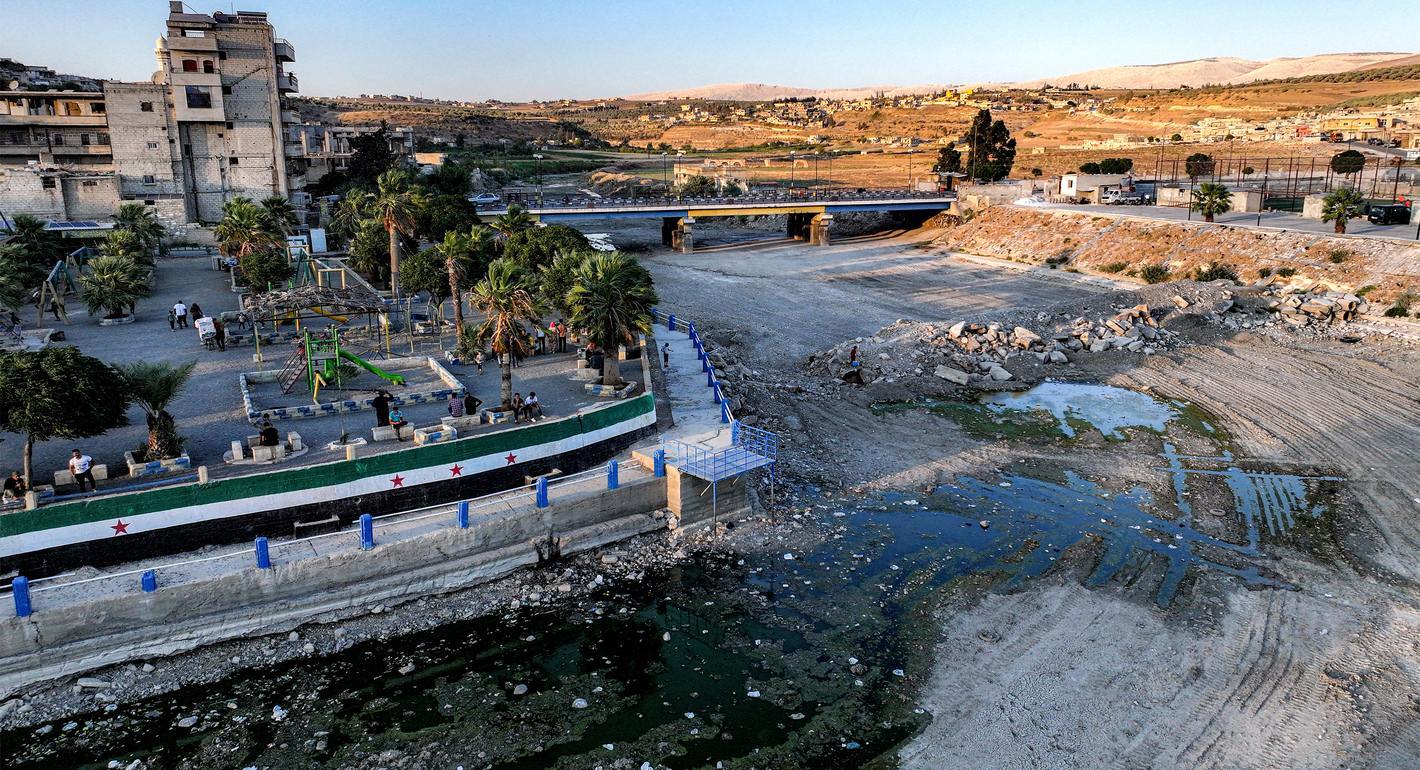
Syria’s worsening drought is no longer a seasonal crisis. This report explains what climate change is doing to rainfall, groundwater, and food security, and what solutions experts say are still possible.
Milia Esper
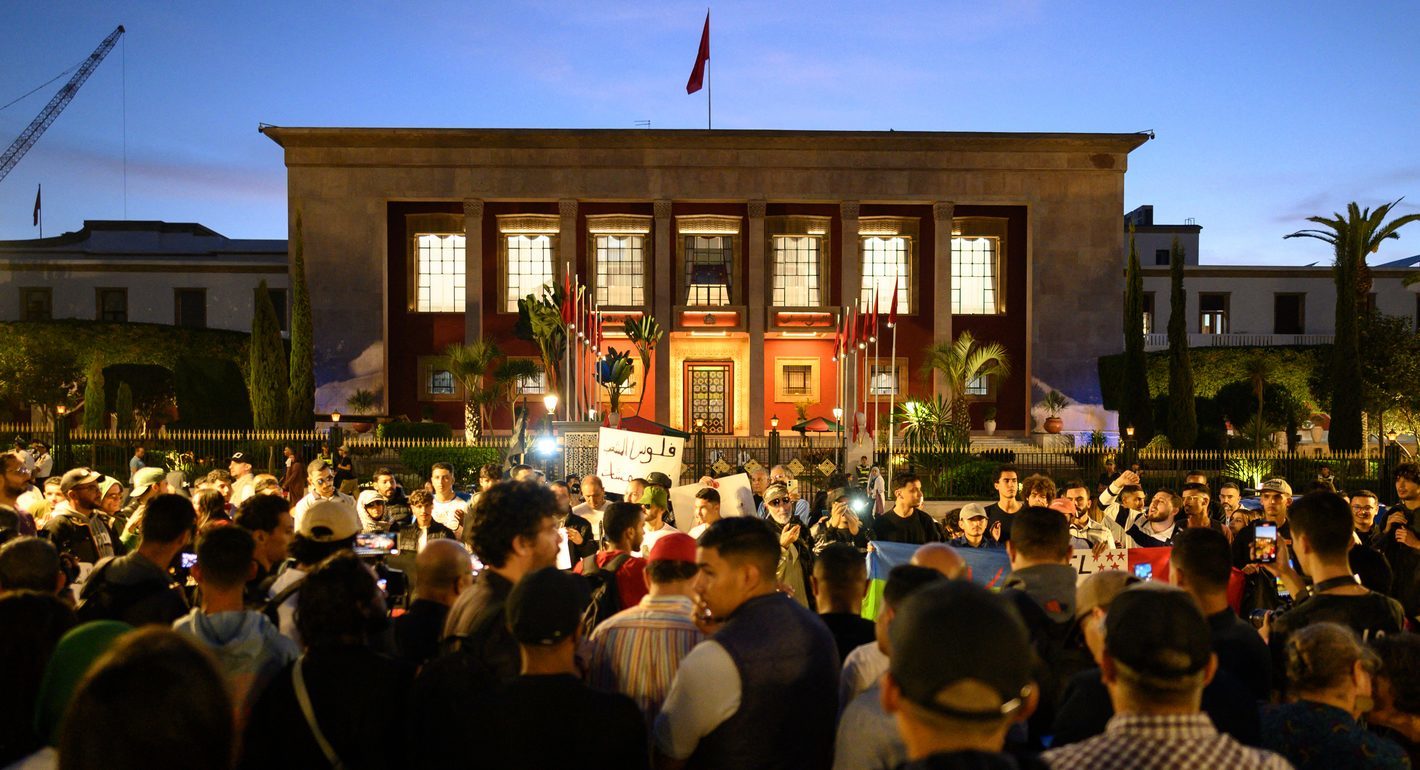
From anime heroes to online gaming communities, Morocco’s Gen Z is building a new protest culture. What does this digital imagination reveal about youth politics, and how should institutions respond?
Abdelilah Farah