

Commentary
Syria’s worsening drought is no longer a seasonal crisis. This report explains what climate change is doing to rainfall, groundwater, and food security, and what solutions experts say are still possible.
Milia Esper
{
  "authors": [
    "Alexander Corbeil"
  ],
  "type": "commentary",
  "blog": "Sada",
  "centerAffiliationAll": "",
  "centers": [
    "Carnegie Endowment for International Peace"
  ],
  "collections": [],
  "englishNewsletterAll": "",
  "nonEnglishNewsletterAll": "",
  "primaryCenter": "Carnegie Endowment for International Peace",
  "programAffiliation": "",
  "programs": [],
  "projects": [],
  "regions": [
    "Middle East",
    "Lebanon",
    "Levant"
  ],
  "topics": [
    "Political Reform",
    "Security"
  ]
}
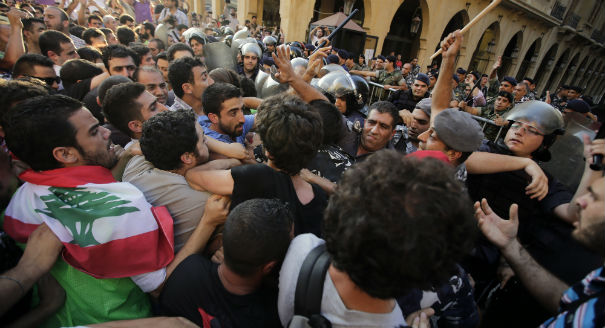
Source: Getty
Heightened tensions in Tripoli are prompting new measures meant to allay Sunni concerns, but these will not work unless the root causes of discontent are addressed.
As part of an almost four-month-old security plan meant to minimize spillover from the nearby Syrian war, Lebanese security forces conducted raids the weekend of July 19 in the northern city of Tripoli, nabbing Hussam al-Sabbagh, a high-profile militia commander, for organizing attacks on the Alawite neighborhood of Jabal Mohsen, where most residents support Bashar al-Assad’s regime. Soon after, about 150 militiamen deployed in the impoverished neighborhood of Bab al-Tabbaneh, a predominately Sunni area that backs the Syrian opposition, and which has long known to be Sabbagh’s headquarters. Some of these protesters complained that Sabbagh’s arrest was proof that security forces were unfairly targeting Sunni fighters. In response, military and religious leaders met at the house of Salem al-Rafei, the city’s leading Salafi sheikh, who is a vocal supporter of the Syrian opposition and the previous target of a twin car bombing by Syrian agents. While the list of attendees at this meeting remains unknown, the guests purportedly discussed “escalatory measures” to deal with what they perceive to be the unfair treatment of Sunnis at the hands of security forces. Lebanese politicians continue to deny any sectarian motivations behind the security measures, but recognize that they need new initiatives to confront growing Sunni discontent.
Tripoli’s sectarian violence harks back to the Lebanese civil war and has intensified since 2008. The clashes have worsened since the Syrian conflict broke out in 2011, and the government, in turn, implemented a security plan for the city in April. Attacks have since continued, albeit on a smaller scale. In May, a grenade was tossed at an army patrol in Bab al-Tabbaneh, wounding eight soldiers during an ambush. Last month, the army arrested five suspects for an assassination plot against security officials. More recently, on July 1, a roadside bomb narrowly missed an army patrol in the neighborhood of Bab al-Raml.
By arresting Sabbagh, the Lebanese government has taken a high-level al-Qaeda affiliate off the streets of Tripoli. Sabbagh had been rumored to be the emir of al-Qaeda in Lebanon or, at minimum, an emissary of the group’s Syrian affiliate, Jabhat al-Nusra. After fleeing Lebanon for Australia near the end of the Lebanese civil war, Sabbagh returned to the country in 2004 and came to lead an estimated 300 fighters in Bab al-Tabbaneh. Sabbagh not only orchestrated clashes in Tripoli, but smuggled fighters into Syria and helped to finance car bomb attacks at home. Lebanese authorities’ attempt to maintain the delicate status quo in Tripoli explains their prior tolerance of Sabbagh. However, with his arrest, the same authorities are now willing to risk further straining the relationship between the state and poor Sunni communities in the name of security.
Prime Minister Tammam Salam, whose government implemented the security plan for Tripoli and another for the Bekaa Valley, was quick to address the allegations of discrimination after Sabbagh’s arrest. “We refuse any imbalance in the implementation of the security plan and the instructions given to [the] security apparatus stress respect for the state in all areas and upholding the rule of law above all, without discrimination or exclusion,” he said to a delegation of religious figures. Salam called on them to help mitigate any backlash in their community, so as not to provoke a new round of clashes in Tripoli.
Yet Salam’s comments have done little to delegitimize the narrative of Sunni discrimination. The following week, on July 21, the Muslim Scholars Committee led a sit-in outside Tripoli’s Al-Siddiq Mosque, adjacent to the Government Serail, in protest of Sabbagh’s detention and the jailing of other militia commanders without trial. Picketers held banners warning against the unfair prosecution of Sunnis, saying it would lead to confrontation with security forces. Protests have continued into this week with a march on Monday in Tripoli, again led by the Muslim Scholars Committee, at which a religious leader, Sheikh Hleihel, told the crowd, “Sheikh Hussam al-Sabbagh was, has become, and will remain, the safety valve of Tripoli.” He called for the release of Sunni detainees.
Despite concern among Tripoli’s Sunnis, mainstream Sunni politicians within the Future Movement had agreed with their political opponents to implement the security plan earlier this year. These political leaders have shifted from backing the Syrian opposition to limiting the war’s worst effects in Lebanon. The government’s security plan has allowed Sunni politicians to undercut the rising power of Salafi sheikhs—who are brasher than their moderate counterparts—and to limit the role of militias, one of the most disruptive political forces to the Future Movement. But an increased show of force in Sunni areas will cause resentment. Already, militant groups have used the LAF’s new security plan as a recruitment tool.
Lebanese politicians recognize the extent of Sunni discontent. Justice Minister Ashraf Rifi, a close associate of the Sunni-dominated Future Movement, leads the call for establishing new initiatives—primarily economic ones to tackle unemployment—meant to partially meet protesters’ demands and blunt further blowback. Efforts are now underway to close al-Rihaniyeh military prison, where many militia leaders and Islamists have been held, and transfer detainees to civilian jails. This comes as the Lebanese cabinet scrapped a list of wanted persons that had remained after, and grown since, the Syrian occupation of the country ended in 2005. The move eliminated the files of around 1,000 individuals arrested under the Tripoli security plan, and the creation of future lists will purportedly include a review mechanism, giving the judiciary oversight over the process.
The release of many of those with files who have been cleared may defuse some tensions within the Sunni community. But as long as the state remains unable to provide basic social services, economic opportunities, and deal equitably with all parties violating Lebanese security, mainstream Sunni politicians will continue to lack the necessary control and support of their constituency. And the LAF, in turn, will increasingly be viewed as a tool for Sunni oppression. With other security plans for the Bekaa Valley and Beirut set to begin next month, resentment is sure to deepen.
Alexander Corbeil is a Senior Middle East Analyst with The NATO Council of Canada and a regular contributor to Sada. You can follow him on twitter @alex_corbeil.
Alexander Corbeil
Alexander Corbeil is a lead analyst with The SecDev Group, focusing on the Syrian conflict and its impact on the Middle East and North Africa.
Carnegie does not take institutional positions on public policy issues; the views represented herein are those of the author(s) and do not necessarily reflect the views of Carnegie, its staff, or its trustees.
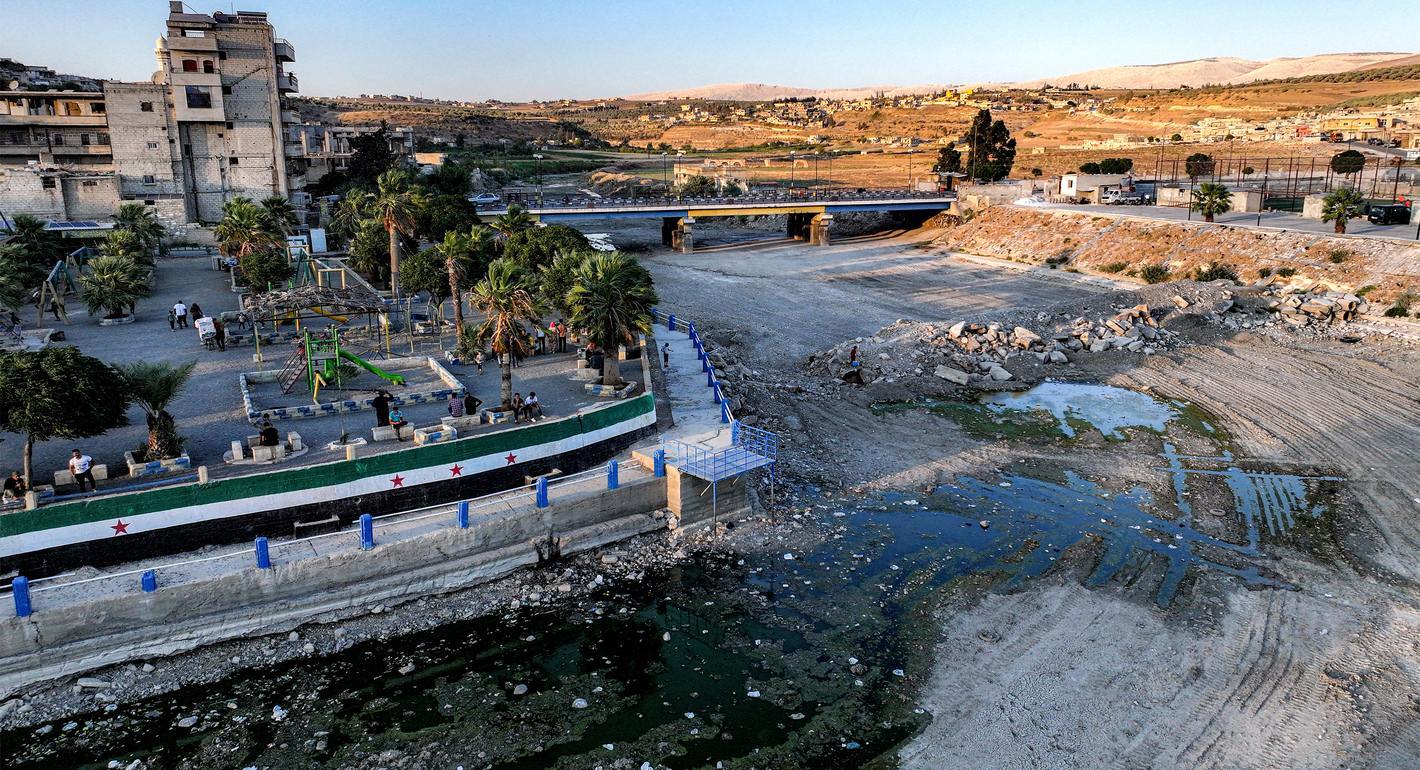
Syria’s worsening drought is no longer a seasonal crisis. This report explains what climate change is doing to rainfall, groundwater, and food security, and what solutions experts say are still possible.
Milia Esper
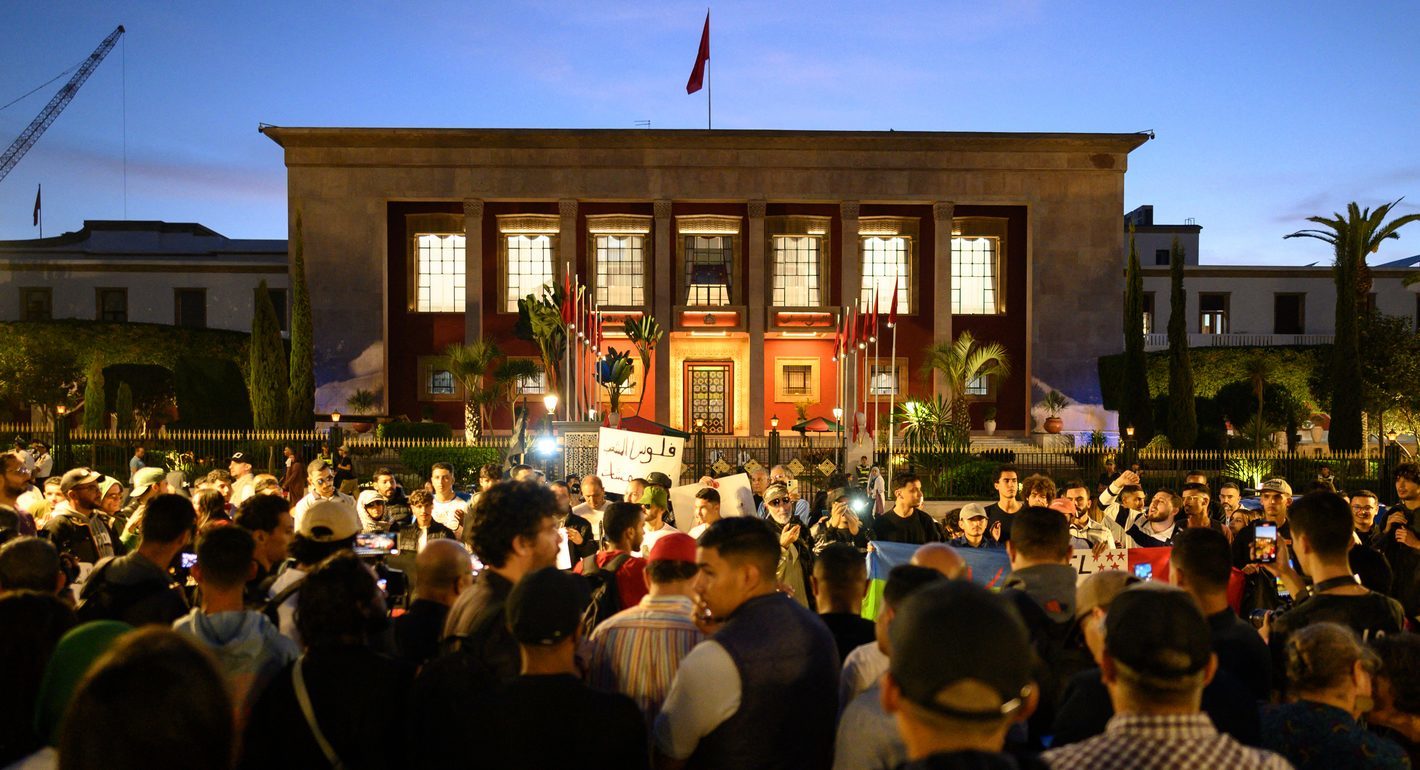
From anime heroes to online gaming communities, Morocco’s Gen Z is building a new protest culture. What does this digital imagination reveal about youth politics, and how should institutions respond?
Abdelilah Farah
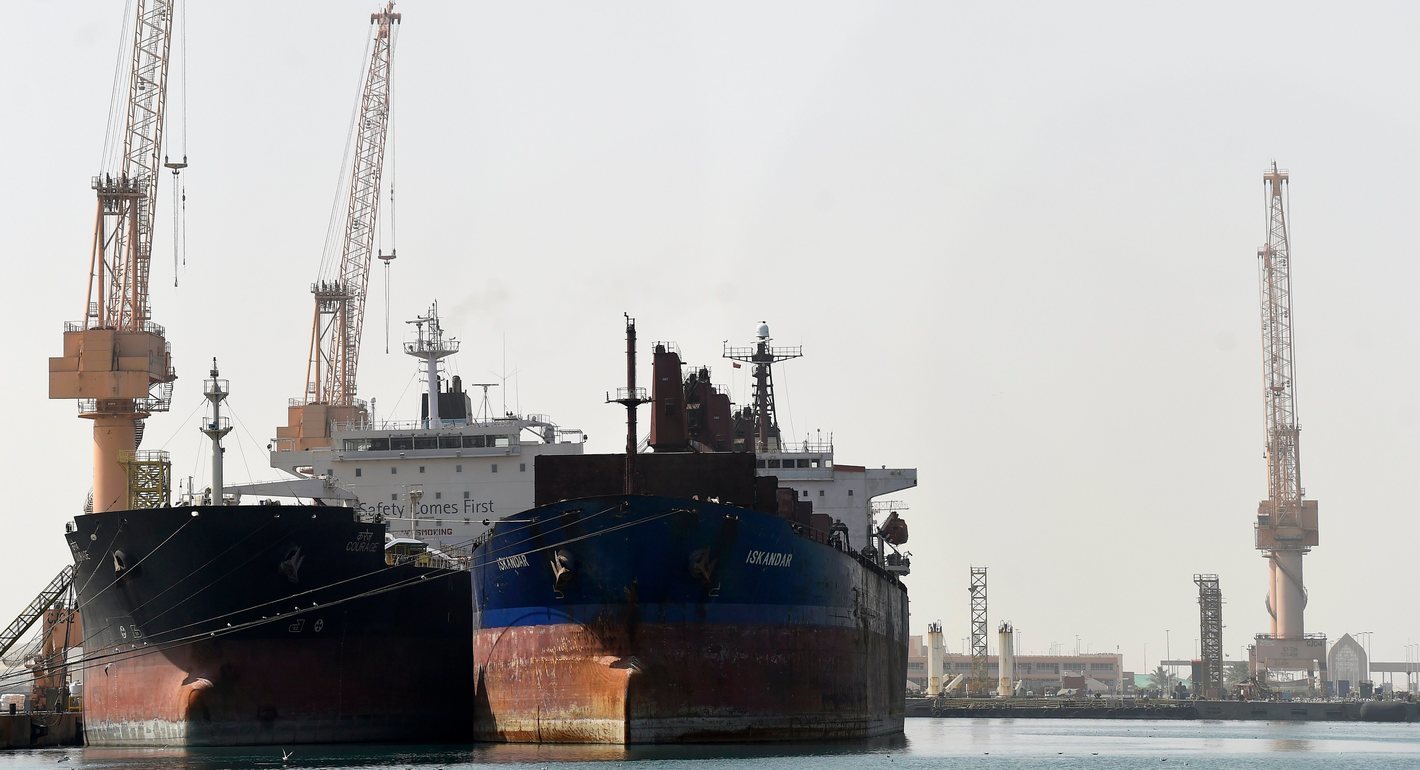
In a volatile Middle East, the Omani port of Duqm offers stability, neutrality, and opportunity. Could this hidden port become the ultimate safe harbor for global trade?
Giorgio Cafiero, Samuel Ramani
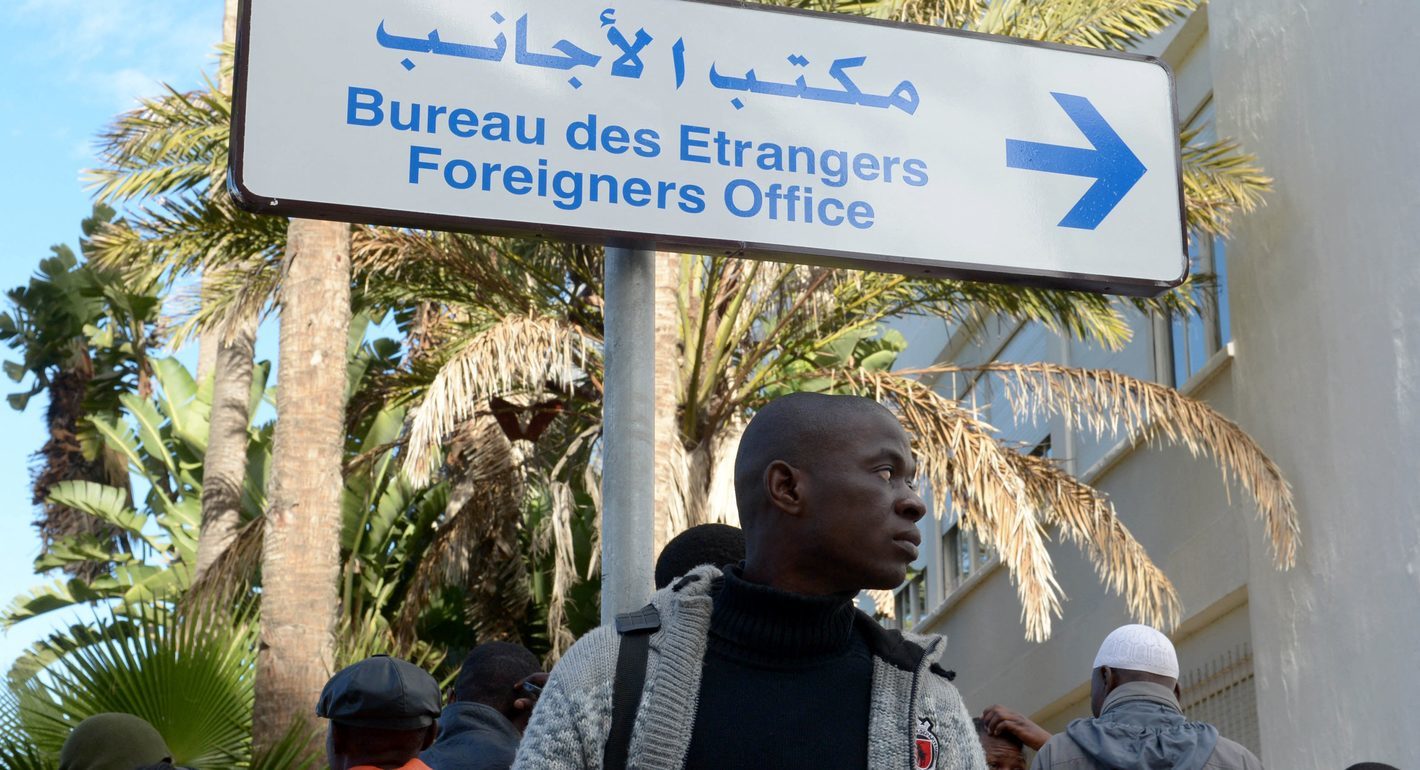
Is Morocco’s migration policy protecting Sub-Saharan African migrants or managing them for political and security ends? This article unpacks the gaps, the risks, and the paths toward real rights-based integration.
Soufiane Elgoumri
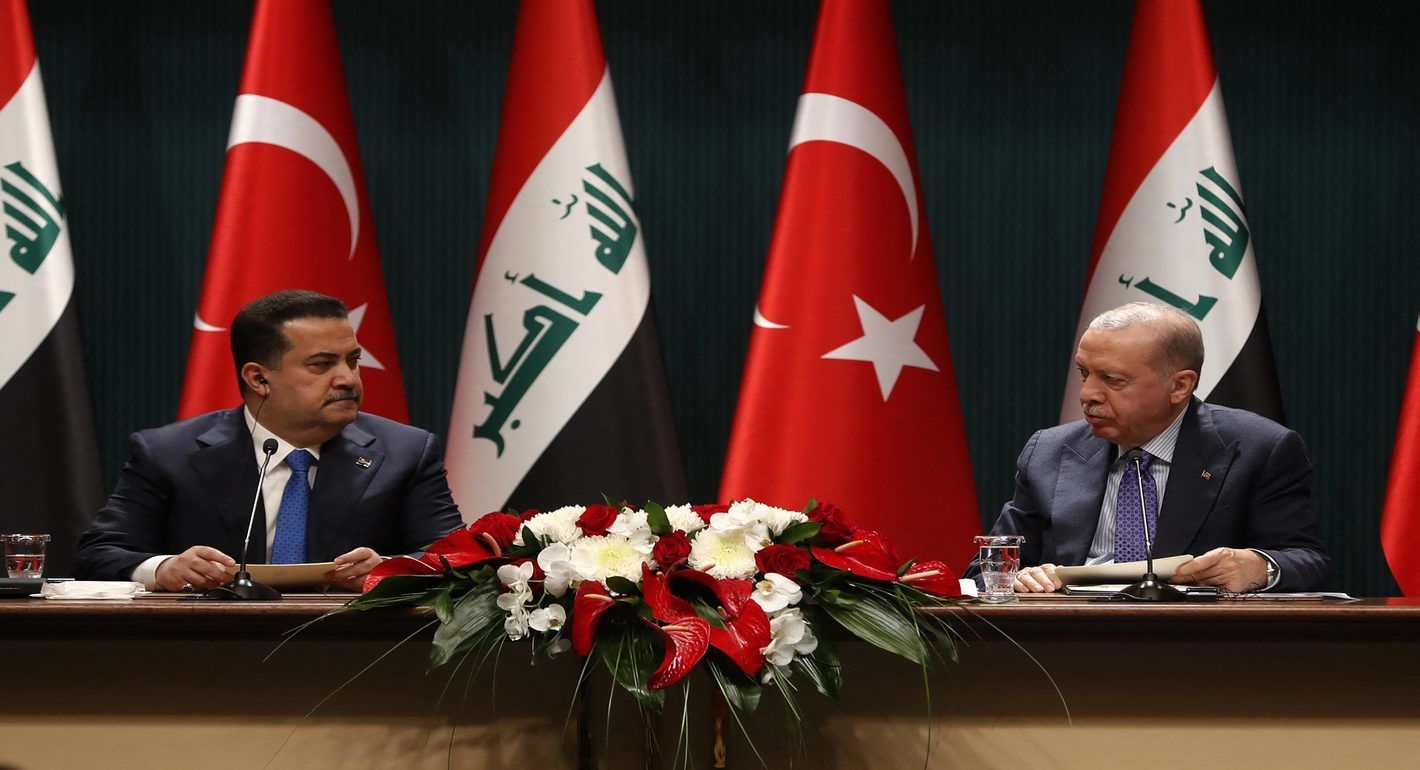
Iraq’s foreign policy is being shaped by its own internal battles—fractured elites, competing militias, and a state struggling to speak with one voice. The article asks: How do these divisions affect Iraq’s ability to balance between the U.S. and Iran? Can Baghdad use its “good neighbor” approach to reduce regional tensions? And what will it take for Iraq to turn regional investments into real stability at home? It explores potential solutions, including strengthening state institutions, curbing rogue militias, improving governance, and using regional partnerships to address core economic and security weaknesses so Iraq can finally build a unified and sustainable foreign policy.
Mike Fleet