

Commentary
From anime heroes to online gaming communities, Morocco’s Gen Z is building a new protest culture. What does this digital imagination reveal about youth politics, and how should institutions respond?
Abdelilah Farah
{
  "authors": [
    "Serhun Al"
  ],
  "type": "commentary",
  "blog": "Sada",
  "centerAffiliationAll": "",
  "centers": [
    "Carnegie Endowment for International Peace"
  ],
  "collections": [],
  "englishNewsletterAll": "",
  "nonEnglishNewsletterAll": "",
  "primaryCenter": "Carnegie Endowment for International Peace",
  "programAffiliation": "",
  "programs": [],
  "projects": [],
  "regions": [
    "Middle East",
    "Türkiye",
    "Iraq",
    "Levant"
  ],
  "topics": [
    "Political Reform"
  ]
}
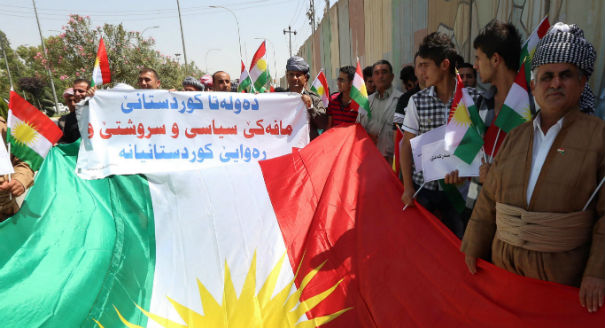
Source: Getty
Prospects for an independent Kurdish state are hampered by security challenges, internal competition, and insufficient international support.
As the Islamic State consolidates its presence in Iraq the question of an independent Kurdish state has again become the subject of heated debate. Despite a rapidly changing situation, with U.S. airstrikes supporting peshmerga attempts to push the Islamic State back, realities regarding the prospects of Kurdish independence remain largely unchanged. Potential challenges include security hurdles, disagreement among Kurdish stakeholders, and the lack of broad international support.
As aspirations among the Kurdish population for an independent, secure, and economically flourishing state within Iraq mount, rifts within Kurdish parties stand in the way of even an agreement on whether independence is viable. Rival Kurdish groups, each fearful of losing the status quo, have proven extremely divided on the question of statehood. The quest for independence is more likely to incite these rivalries than soothe them. Massoud Barzani, the president of the ruling Kurdistan Democratic Party (KDP), has been pushing for independence, while his main rival party, the Patriotic Union of Kurdistan (PUK), remains unconvinced. Despite its support for independence, the Gorran (Change) movement is concerned about the potential dominance of the Barzani family and the absence of democratic and accountable institutions on which a viable state could be built.
The Kurdistan Workers’ Party (PKK), a Kurdish group operating in Turkey and currently listed as a terror organization, has been wary of the KDP’s push for independence. Instead of a central independent Kurdistan, the PKK favors the idea of democratic autonomy—empowering local communities with more decision-making powers. This explains the PKK’s strained relationship with the Kurdistan Regional Government (KRG) and their competition over representing and shaping the Kurds’ interests. The PKK has been framing its objections as driven by concern that statehood would make an independent Kurdistan a proxy state of Israel, the United States, and Turkey in the fight against the Islamic State.
Outside Iraq, the potential implications of an independent Kurdish state are crucial, particularly in Turkey, where up to one-quarter of the population is Kurdish. Although Turkey does not officially support an independent Kurdish state—the Turkish government fears independence could set a precedent for its large Kurdish minority—it has not made any statement against it either. Kurds have found an unlikely ally in Erdogan’s Turkey, but the advent of an independent Kurdish state could increase the rising anti-Kurdish nationalism. Recently, during a local elections campaign in March, some members of the pro-Kurdish Peoples’ Democratic Party (HDP) were attacked by crowds chanting, “Go back to your hometowns.” Unless Turkey ensures interethnic harmony with deeper democratic institutions and reaches an agreement with the PKK, an independent Kurdistan could threaten Turkey’s internal cohesion.
Beyond Turkey, the issue of international support for an independent Kurdish state is far from settled. The United States favors a united Iraq and is unlikely to accept a unilateral declaration of independence, especially since the recent dispute over whether a crude-oil tanker from Iraqi Kurdistan could unload their cargo in Texas, leaving the tanker sitting off the coast for several days. Besides, if the central government is not willing to let Kurdistan go, many members of the Arab League will similarly be unlikely to recognize an independent Kurdistan. Iran, with its large Kurdish population and close relations with the PUK, is also hesitant to stand behind an independent Kurdistan, for two main reasons. The first is Tehran’s close relations with the central government in Baghdad, and second is their fear of Israel’s potentially close relations with Kurdistan. Israeli Prime Minister Benjamin Netanyahu announced his nation’s support for an independent Kurdish state, claiming it would enhance the alliance of moderate powers in the region, and Iran worries that Israel would have immense influence on the domestic affairs of this new neighboring state.
As the euphoria of the Arab Spring fades amid the rise of ethnic and sectarian violence across the Arab world, the degree of support for an independent Kurdistan, especially by the European Union, will likely depend on its commitment to democracy. This stance toward democracy is far from clear, particularly with regard to respecting the rights of minorities in Kurdistan. Although the KRG has been more tolerant and successful in managing multi-ethnic and multi-religious communities than the central Baghdad government, democratic consolidation will be essential for establishing sustainable societal peace in the region. Overall, without the consent of a significant amount of other states, a self-declared Kurdish state is unlikely to bring prosperity and peace either to the Kurds or to other ethnic and religious communities in the region.
Finally, despite the presence of well-organized and well-trained peshmerga forces, serious security challenges in a highly volatile region will continue to exist even after the potential establishment of the Kurdish state. The recent takeover of the strategic Mosul Dam by the Islamic State’s forces and the seizure of the Kurdish town of Sinjar highlight the size of the challenge ahead in securing the border of an independent state. While the external threat posed by the Islamic State will remain, the recent inflow of around 300,000 Sunni refugees as well as around 200,000 Syrian Kurdish refugees into Iraqi Kurdistan is likely to increase internal security costs, especially if the new state does not have broad international support. An independent Kurdistan may one day become real, but internal, regional, and international dimensions of statehood need to be considered more thoroughly.
Serhun Al is an instructor and a PhD candidate in the Department of Political Science at the University of Utah.
Serhun Al
Carnegie does not take institutional positions on public policy issues; the views represented herein are those of the author(s) and do not necessarily reflect the views of Carnegie, its staff, or its trustees.
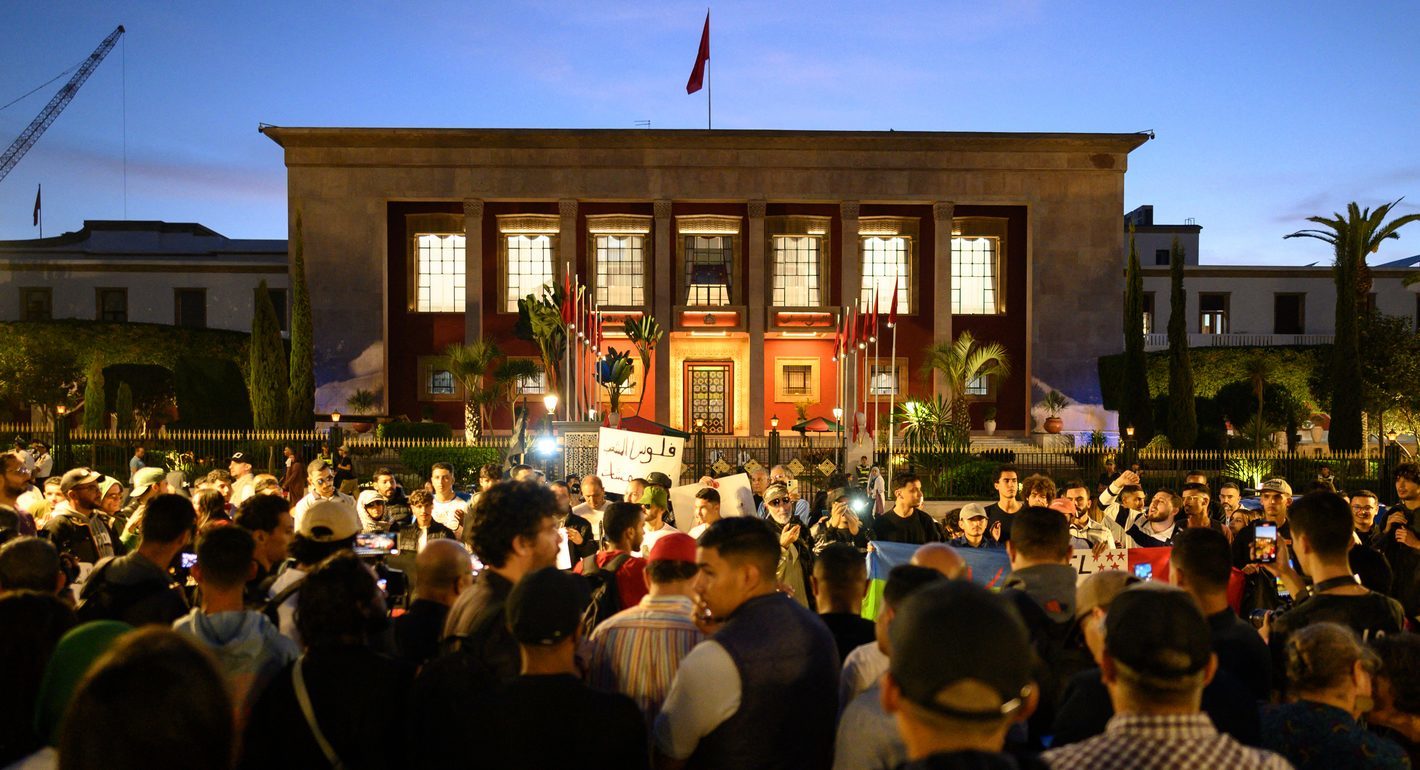
From anime heroes to online gaming communities, Morocco’s Gen Z is building a new protest culture. What does this digital imagination reveal about youth politics, and how should institutions respond?
Abdelilah Farah
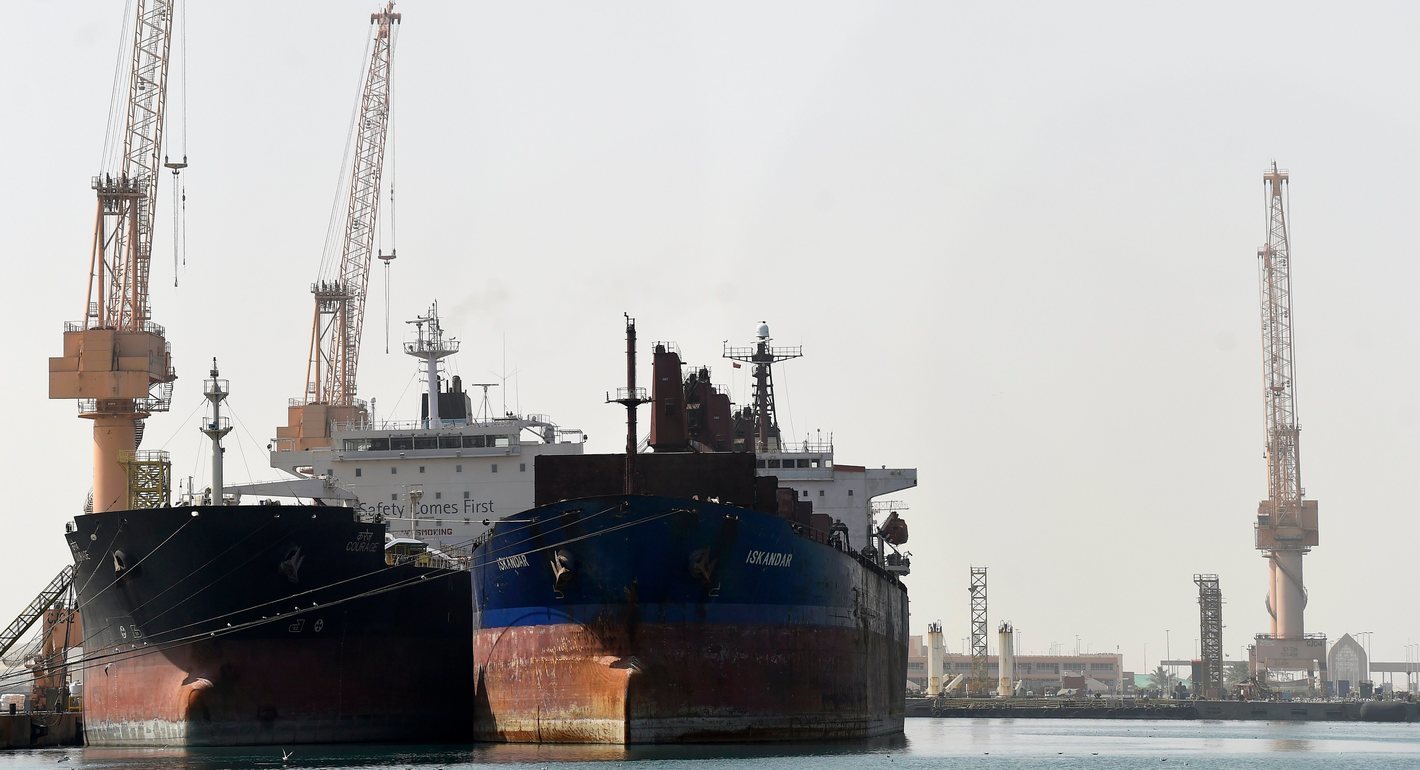
In a volatile Middle East, the Omani port of Duqm offers stability, neutrality, and opportunity. Could this hidden port become the ultimate safe harbor for global trade?
Giorgio Cafiero, Samuel Ramani
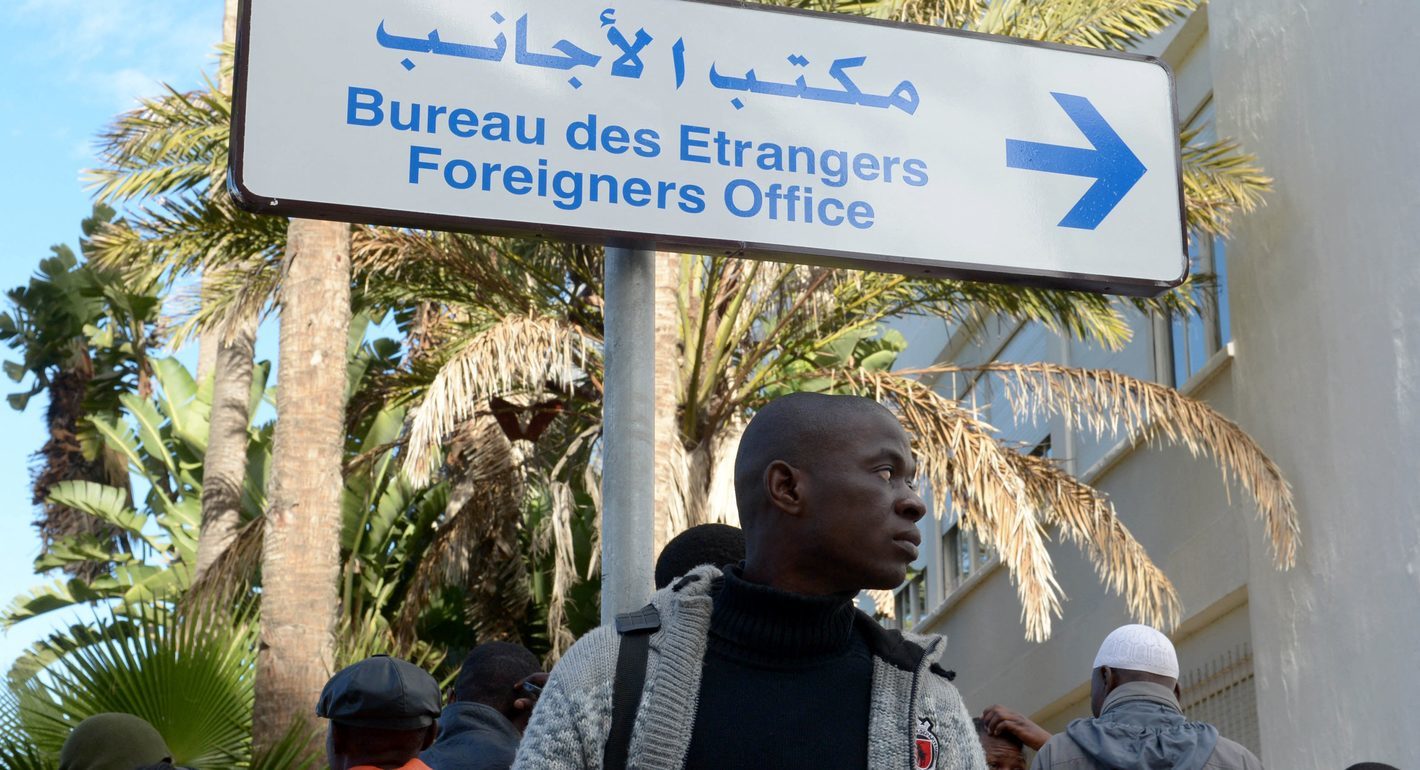
Is Morocco’s migration policy protecting Sub-Saharan African migrants or managing them for political and security ends? This article unpacks the gaps, the risks, and the paths toward real rights-based integration.
Soufiane Elgoumri
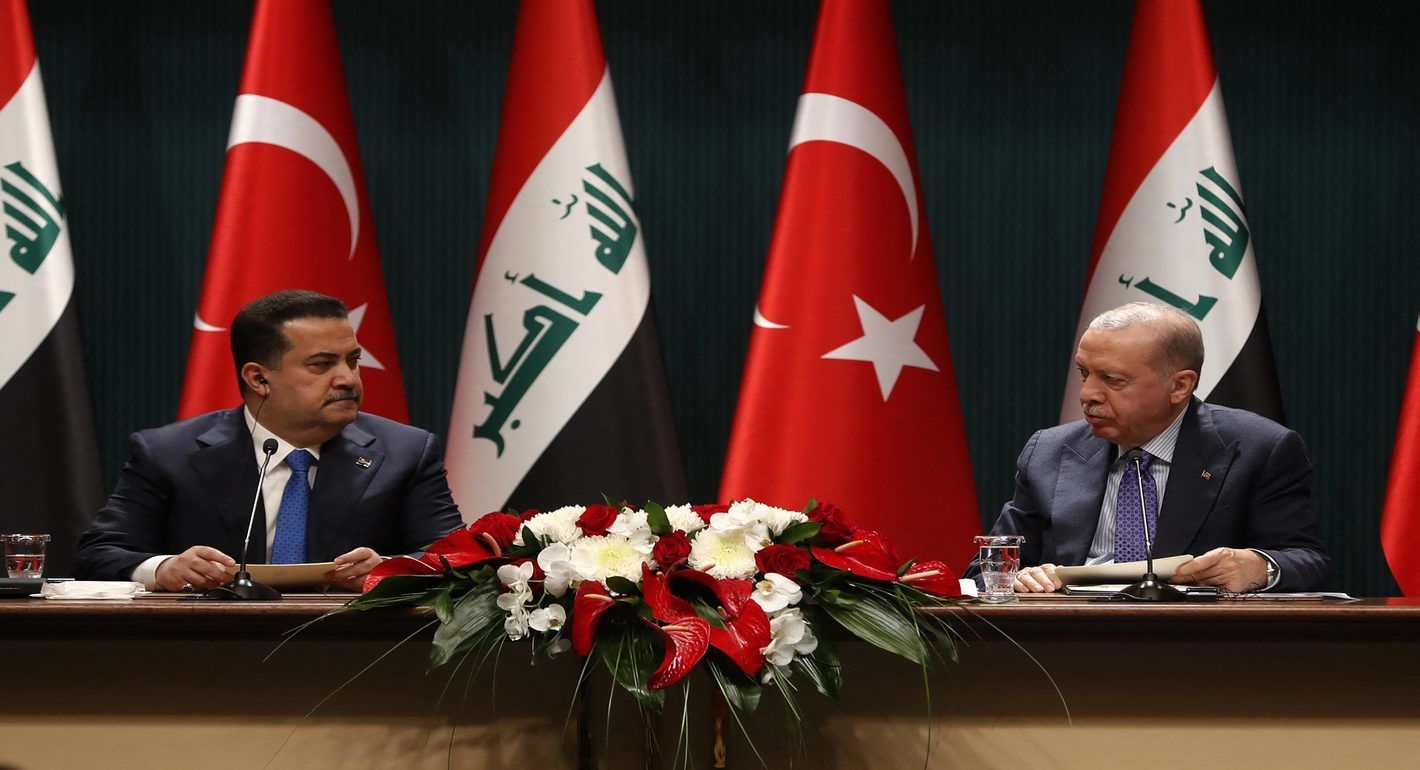
Iraq’s foreign policy is being shaped by its own internal battles—fractured elites, competing militias, and a state struggling to speak with one voice. The article asks: How do these divisions affect Iraq’s ability to balance between the U.S. and Iran? Can Baghdad use its “good neighbor” approach to reduce regional tensions? And what will it take for Iraq to turn regional investments into real stability at home? It explores potential solutions, including strengthening state institutions, curbing rogue militias, improving governance, and using regional partnerships to address core economic and security weaknesses so Iraq can finally build a unified and sustainable foreign policy.
Mike Fleet
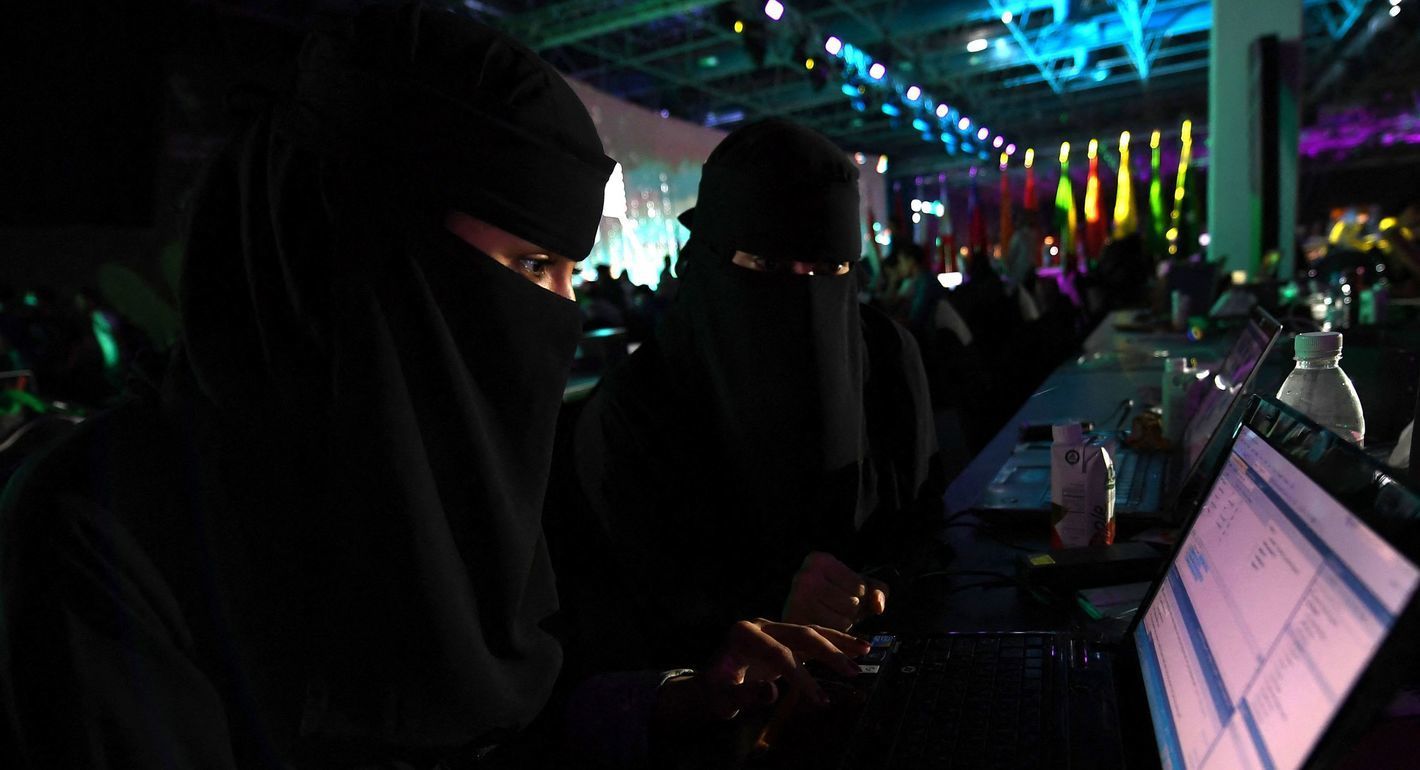
How can Saudi Arabia turn its booming e-commerce sector into a real engine of economic empowerment for women amid persistent gaps in capital access, digital training, and workplace inclusion? This piece explores the policy fixes, from data-center integration to gender-responsive regulation, that could unlock women’s full potential in the kingdom’s digital economy.
Hannan Hussain