• Research
  • Emissary
  • About
  • Experts
Carnegie Global logoCarnegie lettermark logo
Democracy
  • Donate
{
  "authors": [
    "Hadi Fathallah"
  ],
  "type": "commentary",
  "blog": "Sada",
  "centerAffiliationAll": "",
  "centers": [
    "Carnegie Endowment for International Peace"
  ],
  "collections": [],
  "englishNewsletterAll": "",
  "nonEnglishNewsletterAll": "",
  "primaryCenter": "Carnegie Endowment for International Peace",
  "programAffiliation": "",
  "programs": [
    "Middle East"
  ],
  "projects": [],
  "regions": [
    "Saudi Arabia"
  ],
  "topics": [
    "Energy"
  ]
}
Attribution logo
Commentary
Sada

Saudi Energy Policy and Global Order

In formulating energy policies, Saudi policymakers must contend with competing demands and pressures from internal and external sources.

Link Copied
By Hadi Fathallah
Published on Apr 6, 2023
Sada

Blog

Sada

Sada is an online journal rooted in Carnegie’s Middle East Program that seeks to foster and enrich debate about key political, economic, and social issues in the Arab world and provides a venue for new and established voices to deliver reflective analysis on these issues.

Learn More
Program mobile hero image

Program

Middle East

The Middle East Program in Washington combines in-depth regional knowledge with incisive comparative analysis to provide deeply informed recommendations. With expertise in the Gulf, North Africa, Iran, and Israel/Palestine, we examine crosscutting themes of political, economic, and social change in both English and Arabic.

Learn More

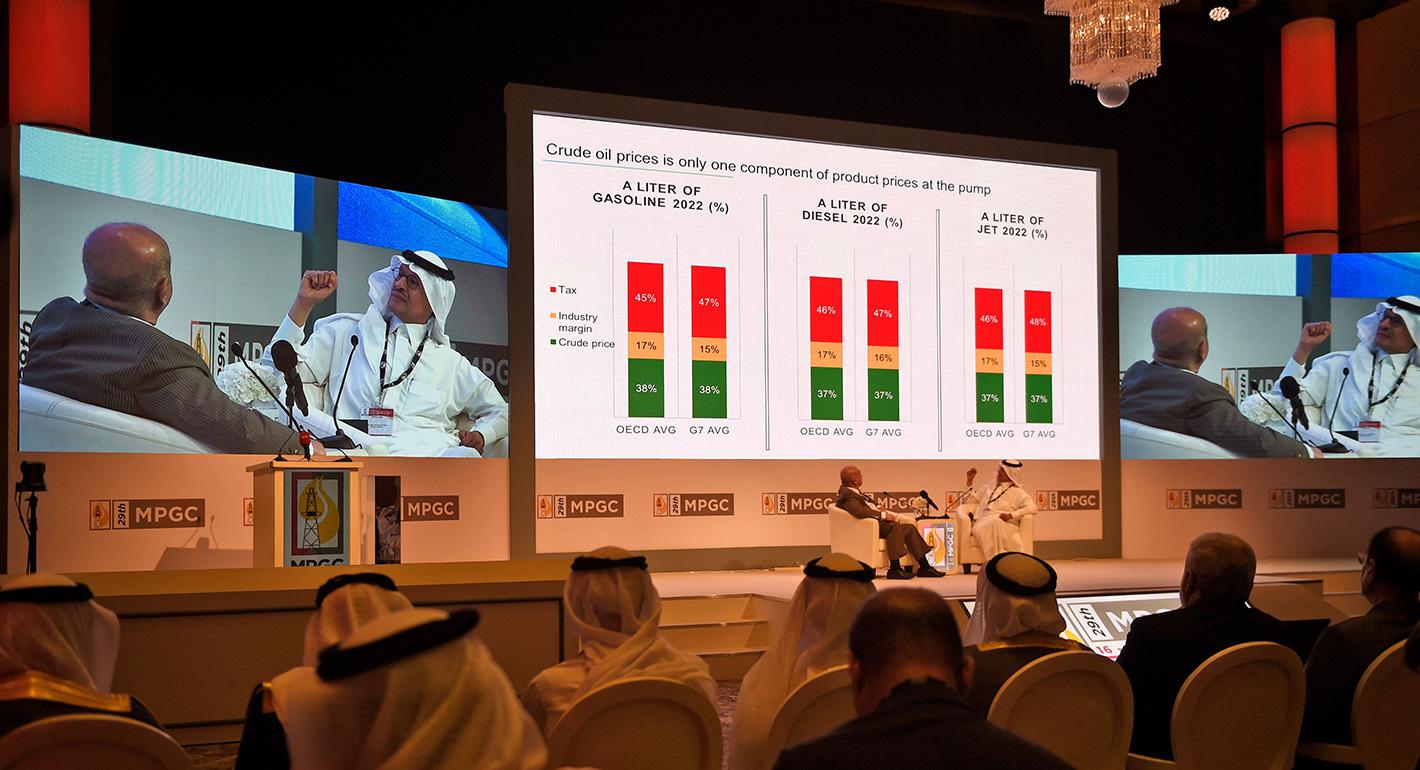
Saudi energy policymakers have been pressured repeatedly—both from within the OPEC+ countries and from outside—to develop policies to moderate global economic turbulence and to placate politically-motivated demands while being pressed domestically to satisfy and respond to local economic ambitions. This is all while having to keep up with industry development needs, constraints, and transitions. 

Against this backdrop, since 2015, and under the new “Saudi first” policy, Saudi policymakers have shifted from a decades-long policy of playing the role of market balancer and price taker to a more activist role in energy price making, intervening in and influencing global energy markets. This is resulting in the de-linking of Saudi energy policy from its role as a stabilizer of global energy supplies, and thus, from the US-led global order.

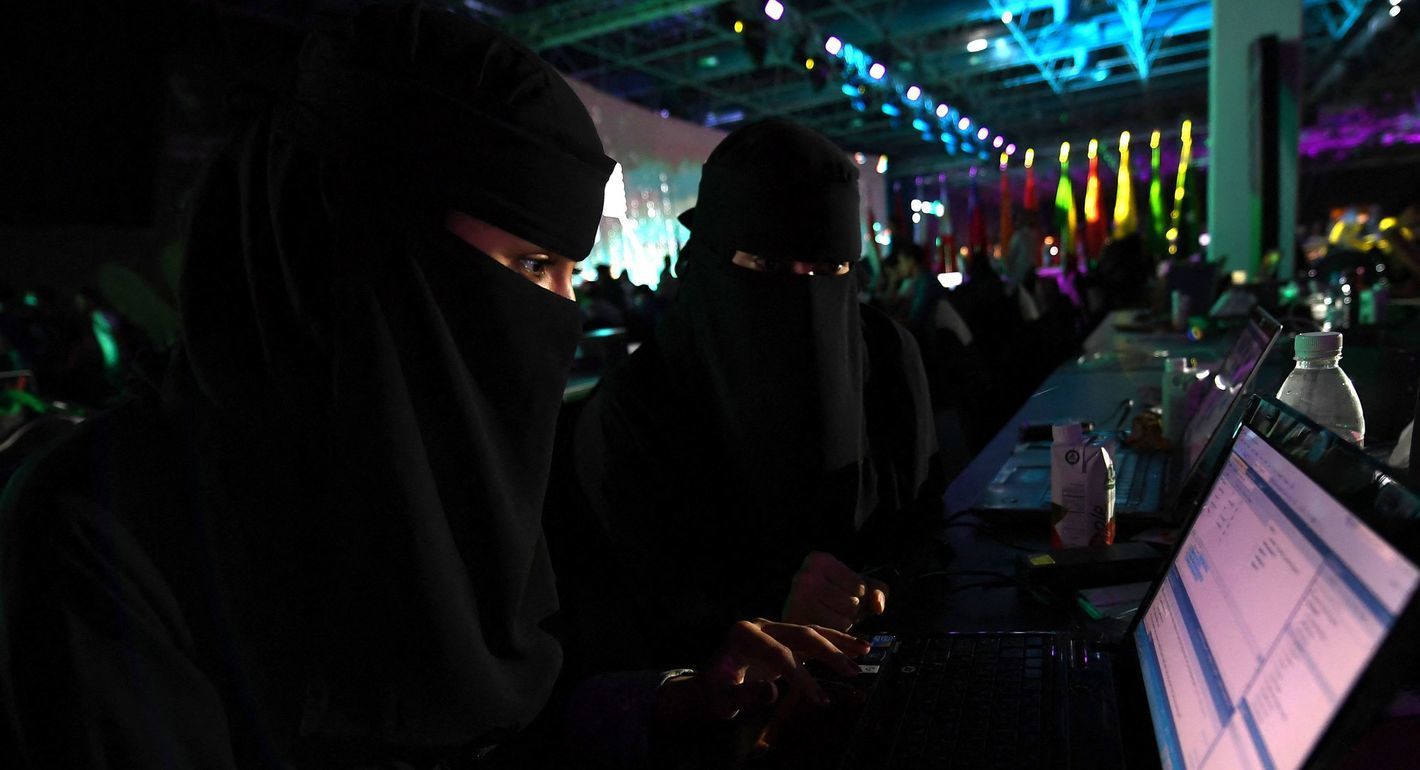
Post-2015 energy policy choices have been driven by political and market conditions including geopolitical and regional competition, oil output and supply and demand balancing, pricing and market share competition, productive and spare capacity, and local economic considerations. These policy choices are a manifestation of long-term Saudi goals, which include the maintenance of high oil prices to finance economic diversification under Vision 2030 while prolonging the dominance of oil and gas in the global energy mix.

The hallmarks of the post-2015 energy policies include the upgrading of OPEC into the de facto OPEC+ in 2016, which paved the way for a shift from petrodollar system, and Saudi Arabia’s active engagement in non-oil energy markets and the broader energy transition. Additionally, in 2019, Saudi Arabia started exploring oil trading in other currencies besides the US Dollar, and in 2022, the kingdom started seriously weighing options for trading oil in Yuan with China. In tandem, Saudi Arabia has been pushing to increase local and global investment in renewable energy, while pouring investment into research and development globally. The kingdom has pledged about 100 billion USD for the task through 2030. 

However, while these post-2015 energy policy choices are enabling Saudi empowerment on the global political stage, the resulting political dynamics could backfire at both the domestic and global level. One of the major ways these choices have generated negative politics is in the unbundling of energy policy from security policy. Saudi energy has been anchored in the global security structure since the founding of the sector (and the country) in the 1930s. The politics generated by the new Saudi energy policies have already created raptures in the longstanding political agreements that underpinned the security of Saudi Arabia. These developments have reinforced the American deprioritization of the Gulf and Saudi security, rather than contributing to a reversal of US disengagement. Perhaps unsurprisingly, this has coincided with the American perception that Saudi Arabia is increasingly using oil as a political tool. 

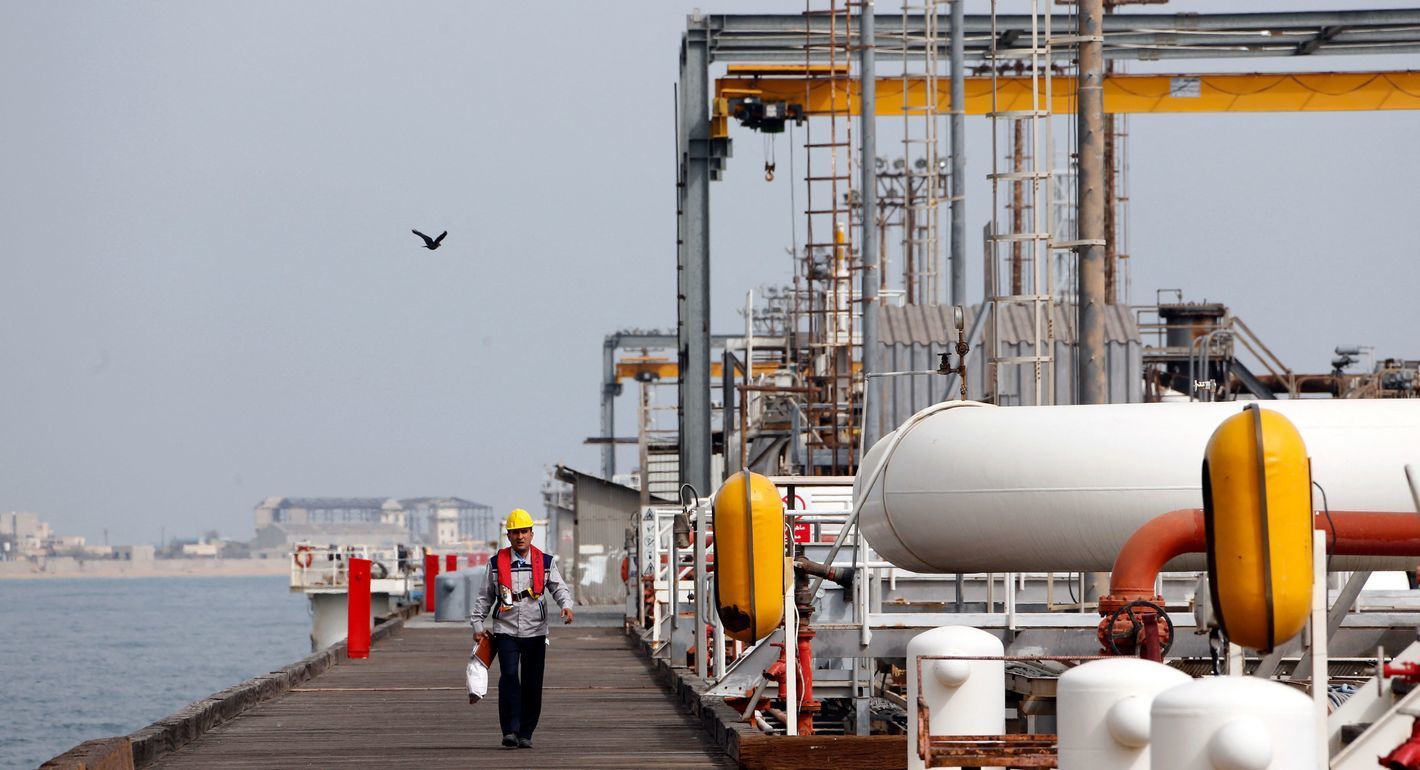
Furthermore, as the shale revolution has prompted the American deprioritization of Saudi oil, Saudi policymakers have failed to restore the kingdom’s pre-2015 oil-for-security status, leading to a situation in which the Houthi movement was able to mount attacks on key Saudi oil installations in 2021 and 2022. The opening-up of Saudi energy for Chinese investments with Saudi Aramco only complicates the political and security picture, even as these investments are syndicated by US private equity. A recent example is the $15.5 billion privatization of gas pipelines, which—in principle—is intended to safeguard Saudi infrastructure against future attacks. 

As the government in Saudi Arabia moves to review the policies and policymaking process for the energy sector, it should be cognizant that policies carry political implications. Within an evolving international  power reordering, these political implications could jeopardize Saudi Arabia’s global political standing and security.  


Hadi Fathallah is Partner at RETGO Consulting, an energy consulting company, and director at NAMEA Group, a policy advisory company. He is a visiting lecturer in the political economy of energy and strategic negotiations at IFP School, Paris. Follow him on Twitter: @Hadi_FAO. 

Hadi Fathallah

Hadi Fathallah is a partner at RETGO Consulting, an energy consulting company, and director at NAMEA Group, a public policy advisory company based out of Dubai and Beirut.

EnergySaudi Arabia

Carnegie does not take institutional positions on public policy issues; the views represented herein are those of the author(s) and do not necessarily reflect the views of Carnegie, its staff, or its trustees.

More Work from Sada

  • Commentary
    Sada
    The Role of E-commerce in Empowering Women in Saudi Arabia: Assessing the Policy Potential

    How can Saudi Arabia turn its booming e-commerce sector into a real engine of economic empowerment for women amid persistent gaps in capital access, digital training, and workplace inclusion? This piece explores the policy fixes, from data-center integration to gender-responsive regulation, that could unlock women’s full potential in the kingdom’s digital economy.

      Hannan Hussain

  • Commentary
    Sada
    Iran’s Energy Dilemma: Constraints, Repercussions, and Policy Options

    Despite vast oil and gas reserves, Iran faces a severe energy crisis due to decades of mismanagement, excessive subsidies, corruption, and international sanctions, which have crippled its infrastructure and distorted energy markets. Without structural reforms and international engagement, the country risks deeper economic instability, environmental degradation, and political unrest.

      Umud Shokri

  • Commentary
    Sada
    Saudi Arabia's Cautious Approach to the Syrian Kurds: Balancing Stability and Geopolitical Interests

    Saudi Arabia’s cautious stance on the Syrian Kurds reflects a delicate balance between leveraging Kurdish autonomy to counter Iran’s influence and managing the risks of destabilizing Syria’s territorial integrity. While Saudi Arabia seeks to safeguard its interests in the region, it remains wary of the potential internal and external consequences of supporting Kurdish autonomy.

      Mohammad Salami

  • Commentary
    Sada
    Saudi Pivot in The Turbulent New Middle East

    Riyadh is at a crossroads, grappling with domestic pressures, regional ambitions, and global geopolitical trends.

      Rabab khan

  • Commentary
    Sada
    Syria: Energy Transition Under Conflict Conditions

    Syria's prolonged conflict has collapsed its electricity infrastructure and deteriorated conventional energy sources, compelling a swift transition to renewable energy.

      Jalal Al-Attar

Get more news and analysis from
Carnegie Endowment for International Peace
Carnegie global logo, stacked
1779 Massachusetts Avenue NWWashington, DC, 20036-2103Phone: 202 483 7600Fax: 202 483 1840
  • Research
  • Emissary
  • About
  • Experts
  • Donate
  • Programs
  • Events
  • Blogs
  • Podcasts
  • Contact
  • Annual Reports
  • Careers
  • Privacy
  • For Media
  • Government Resources
Get more news and analysis from
Carnegie Endowment for International Peace
© 2026 Carnegie Endowment for International Peace. All rights reserved.