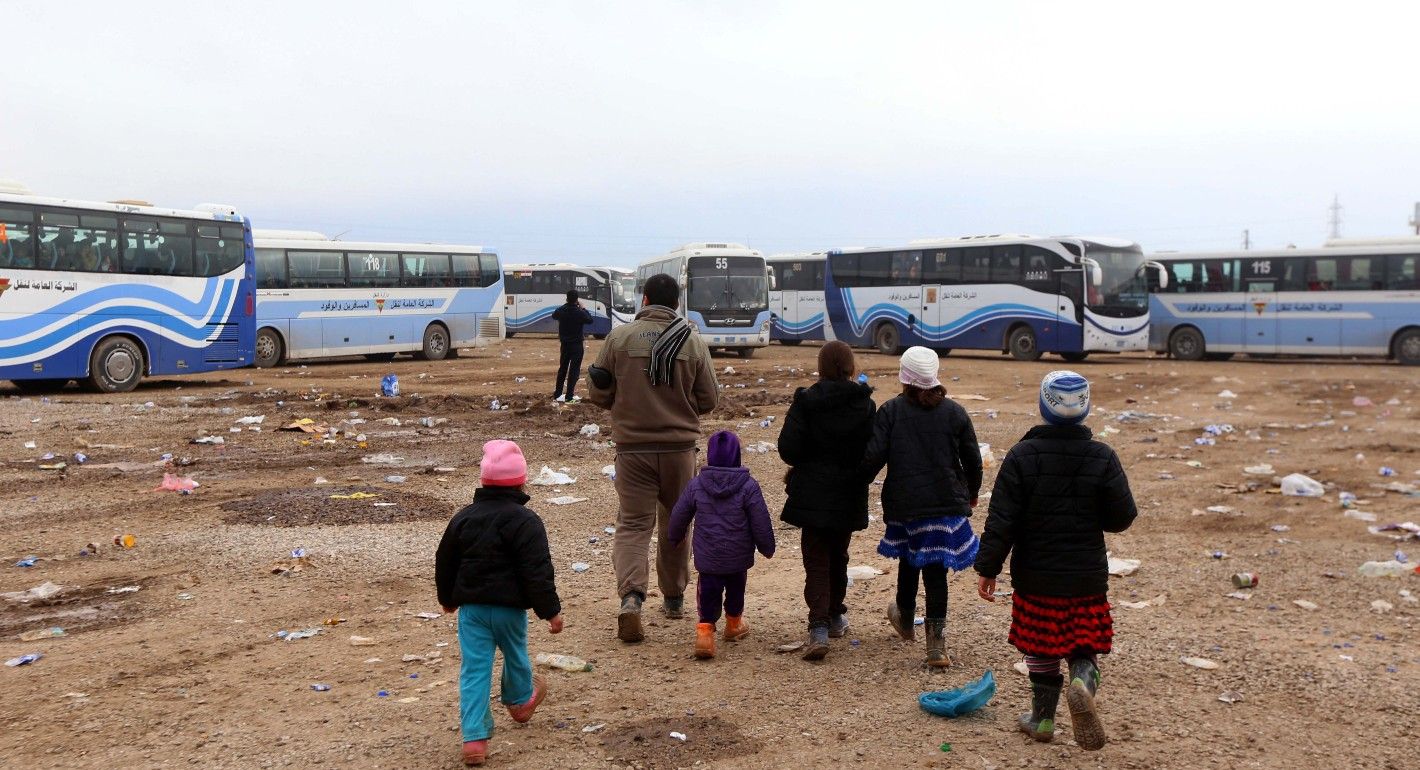
Internal displacement in Iraq is one of the most significant humanitarian crises the country has faced in decades, and in the absence of political stability in some areas, the situation worsens.
Link Copied
By Ali Ayad Thamer
Published on Oct 17, 2024
Vast areas of Iraq have been affected by repeated waves of primary and secondary displacements due to wars and internal conflicts, particularly following the rise of the Islamic State (ISIS) in 2014. Several factors have fueled this crisis, including sectarian violence, terrorism, and military interventions. The problem has been exacerbated by factors such as, political instability, lack of governance support, insufficient resources, and inadequate infrastructure in certain regions, making it impossible for many displaced persons to return to their original homes.
Causes of Internal Displacement in Iraq
Armed Conflicts: Conflicts between different domestic armed groups, whether sectarian or ethnic, have led to the displacement of hundreds of thousands of Iraqis from their original areas. The armed control of regions like Sinjar and the threat to the lives of religious minorities have been major causes of displacement. Hundreds of minorities have reportedly faced Forced Disappearances since 2014 with limited signs of government investigations and support to affected families.
ISIS was the main factor behind the displacement of many Iraqis, particularly in the northern and western parts of the country. The group's sudden control over vast areas, such as Mosul, forced residents to flee in search of safety.
In many regions, the struggle for influence among local political forces, such as tribal and militia groups, has created an unstable and unsafe environment, making it difficult for displaced persons to return home even after some areas have been reclaimed. These tensions have caused some secondary displacements.
The Story of Ahmed Khaldoun
Ahmed Khaldoun is a young Iraqi who was among the thousands who took to the streets in the October 2019 protests, demanding political and social reform in Iraq. These protests were met with violent responses from the Iraqi authorities, leading to the death and injury of many protesters. Despite the protesters' success in pressuring the resignation of Prime Minister Adil Abdul-Mahdi and the formation of a new government under Mustafa Al-Kadhimi, complete safety was not achieved for the demonstrators.
After receiving threats, Ahmed had to leave Baghdad and seek refuge in the Kurdistan Region, where he established "The Safe House" to shelter fleeing protesters. In Kurdistan, Ahmed became involved in civil society through his work with the Soraya Organization for Culture and Media, where he found support from the local Kurdish community.
The Story of Ajaj and Continued Displacement
Ajaj is one of the displaced persons from Sinjar who has not returned to his home after ISIS took control of the area in 2014. He lives with thousands of Yazidis in displacement camps in the Kurdistan Region, refusing to return to Sinjar due to the deteriorating security situation, including the presence of various armed groups and ongoing Turkish bombardment.
Personal stories like those of Ahmed and Ajaj highlight the complexities of displacement in Iraq and underscore the urgent need for comprehensive and sustainable solutions to help displaced persons return to a normal life.
Recommendations to Address the Displacement Problem
To address the displacement problem, the Iraqi government and the international community must first strengthen security efforts in areas that have witnessed significant displacement. This involves reinforcing local security forces with the proper oversight and creating a stable, safe environment that allows for the return of displaced persons. Additionally, focus should be placed on reconstruction efforts in the destroyed areas from which people have been displaced. By providing essential infrastructure such as housing, schools, and hospitals, the return of displaced persons will be encouraged.
Furthermore, efforts should be concentrated on promoting national reconciliation among the different components of Iraqi society, ensuring that the return is safe and sustainable for all Iraqis, regardless of their religious or ethnic background. This includes additional initiatives by the government to investigate the hundreds of reported disappearances. Support for non-governmental organizations and local initiatives that assist displaced persons is crucial, and any violence against them should be condemned. These efforts are essential in reducing the suffering of displaced individuals and preparing them for their return.
About the Author
Ali Ayad Thamer
Ali Ayad Thamer is an Iraqi filmmaker. He produced Sada's documentary :Political Displacement in Iraq.
Carnegie does not take institutional positions on public policy issues; the views represented herein are those of the author(s) and do not necessarily reflect the views of Carnegie, its staff, or its trustees.
Can economic ties help contain conflict between Egypt and Israel, or do they simply postpone confrontation? Drawing on the German-Russian experience, the article examines how the gas deal creates mutual dependence, keeps channels of cooperation open, and raises the cost of conflict, without necessarily delivering lasting peace.
Is the Gulf moving beyond the dollar? This article examines how China is expanding the renminbi's role across Gulf markets, what that means for regional finance, and why the future of global currencies is more complex than the de-dollarization debate suggests.
Syria's transition promised a fresh start. But are old habits of power making a comeback? This analysis looks at the warning signs and what it will take to build a more accountable state.
Syria’s worsening drought is no longer a seasonal crisis. This report explains what climate change is doing to rainfall, groundwater, and food security, and what solutions experts say are still possible.
From anime heroes to online gaming communities, Morocco’s Gen Z is building a new protest culture. What does this digital imagination reveal about youth politics, and how should institutions respond?