

Other
Michael D. Swaine

Source: Getty
The first section of this paper looks at the basic objectives of Taiwan’s defense reform and modernization programs and the successes and failures to date. The second section assesses the underlying reasons for those successes and failures. A final section assesses the prospects for the future and the implications for U.S. policy and U.S.–ROC relations.
Source: Carnegie

The Taiwan Strait is one of the two places in the Asian Pacific where a major war could break out; the other place is the Korean Peninsula. For over fifty years, the People’s Republic of China (PRC) and the Republic of China (ROC, or Taiwan) have maintained an uneasy peace across the Strait, punctuated by brief periods of limited conflict or by occasional military displays.
The first section of this paper looks at the basic objectives of Taiwan’s defense reform and modernization programs and the successes and failures to date. The second section assesses the underlying reasons for those successes and failures. A final section assesses the prospects for the future and the implications for U.S. policy and U.S.–ROC relations.
About the Author
Michael D. Swaine is a senior associate in the China Program at the Carnegie Endowment. He specializes in Chinese security and foreign policy, U.S.-China and U.S.-Taiwan defense and security relations, and Asian strategic issues. He is also the author of Reverse Course? The Fragile Turnaround in U.S.-China Relations.(Carnegie Endowment Policy Brief No. 22)

Former Senior Fellow, Asia Program
Swaine was a senior fellow at the Carnegie Endowment for International Peace and one of the most prominent American analysts in Chinese security studies.
Recent Work
Michael D. Swaine
Michael D. Swaine
Carnegie does not take institutional positions on public policy issues; the views represented herein are those of the author(s) and do not necessarily reflect the views of Carnegie, its staff, or its trustees.
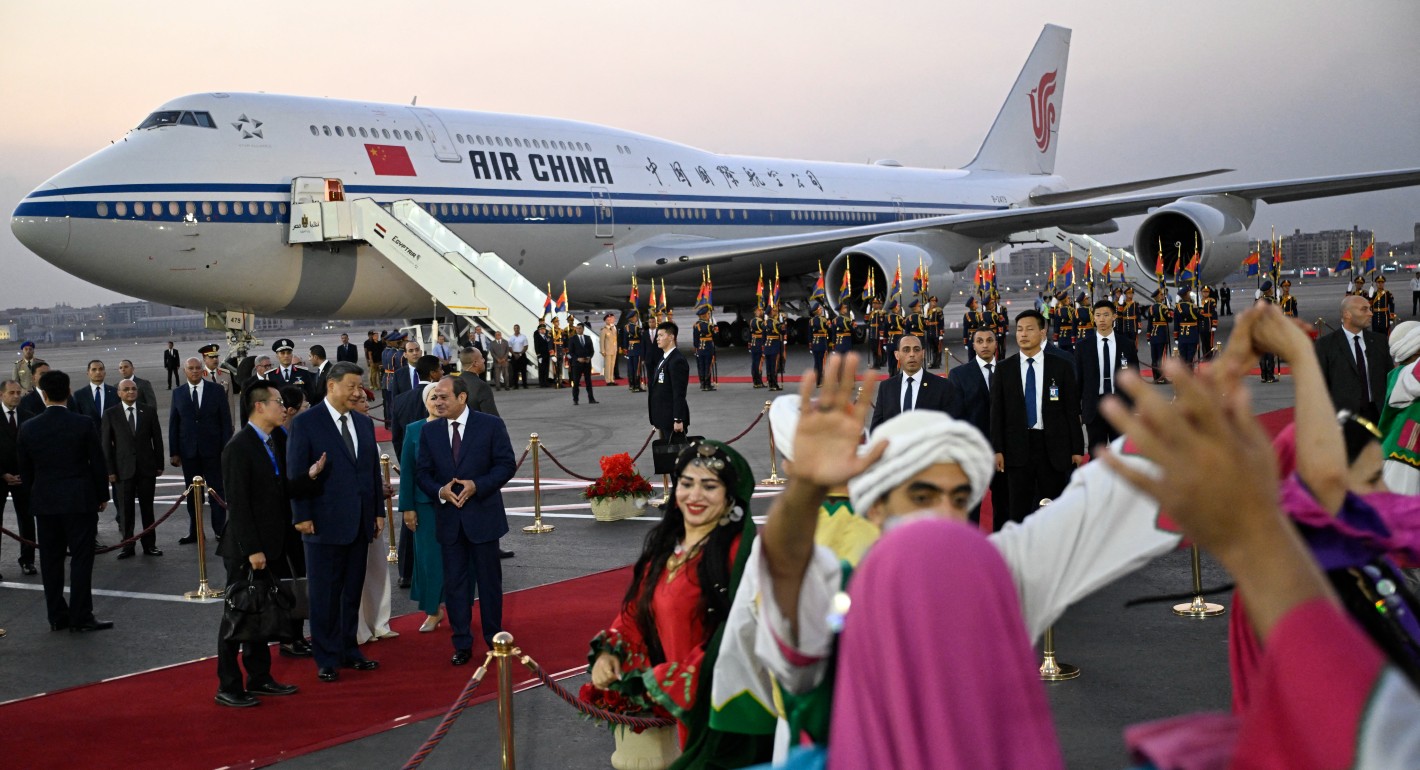
Amid celebrations of bilateral ties was a deeper focus on stability in the Middle East.

Amr Hamzawy

Canadian Prime Minister Mark Carney has twice inspired praise for standing up to U.S. President Donald Trump: at the 2026 World Economic Forum in Davos and on Canada-U.S. trade negotiations. Is Carney showing a third way better than the EU has in dealing with the Trump administration?

Rym Momtaz, ed.
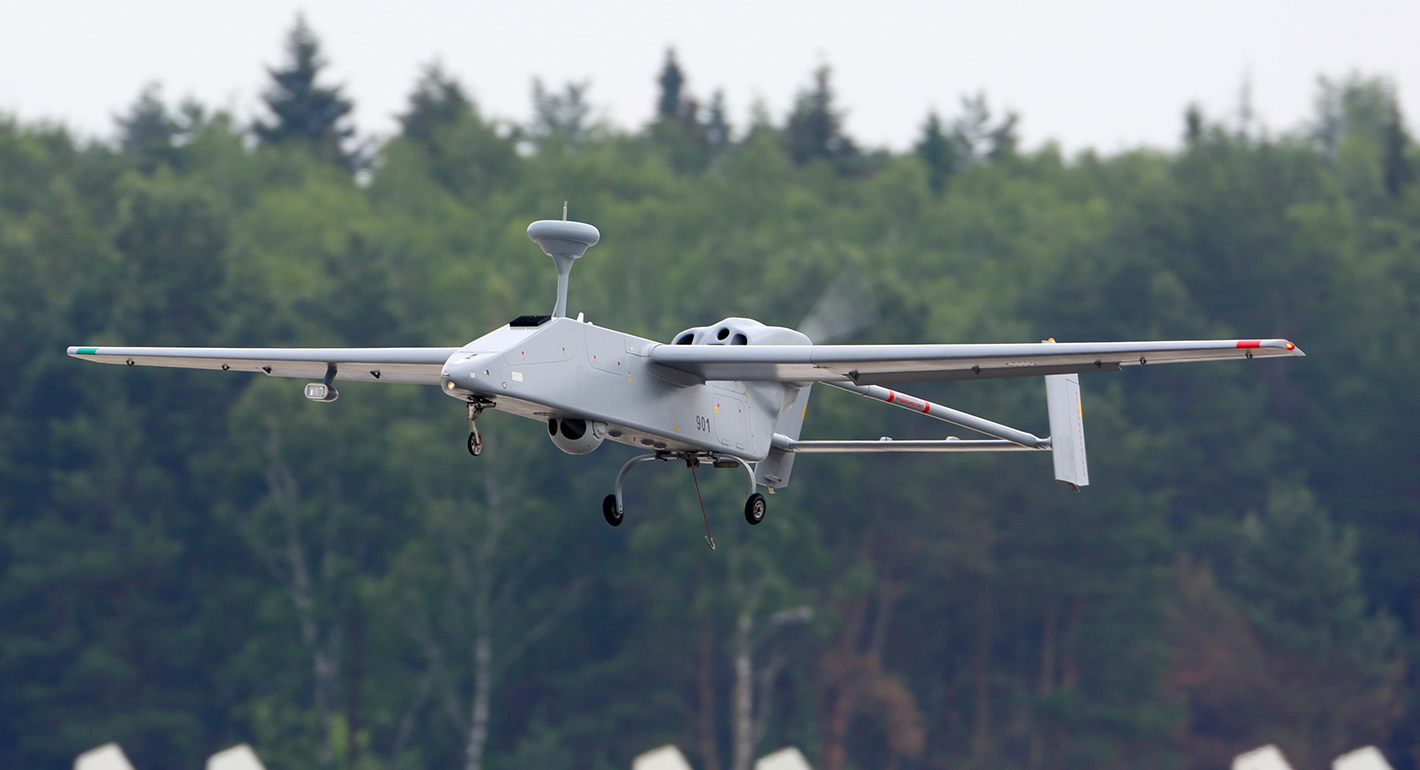
Moscow is testing Europe’s defenses with drone incursions and could decide to use drones against the continent on a much larger scale once the war in Ukraine pauses. European countries will need Kyiv to help them prepare for such a possibility.
Pavlo Zvenyhorodskyi

Middle Eastern states should welcome an accelerated U.S. disengagement from their region.

Michael Young

Xi, Putin, and other regional leaders are back-slapping in Bishkek, but the SCO has yet to answer the most serious questions about continental Asia's economic future.

Evan A. Feigenbaum