Commentary
Nathan J. Brown
{
  "authors": [
    "Nathan J. Brown"
  ],
  "type": "other",
  "centerAffiliationAll": "dc",
  "centers": [
    "Carnegie Endowment for International Peace"
  ],
  "collections": [],
  "englishNewsletterAll": "democracy",
  "nonEnglishNewsletterAll": "",
  "primaryCenter": "Carnegie Endowment for International Peace",
  "programAffiliation": "DCG",
  "programs": [
    "Democracy, Conflict, and Governance"
  ],
  "projects": [],
  "regions": [
    "North America",
    "United States",
    "Middle East",
    "Iraq"
  ],
  "topics": [
    "Political Reform",
    "Democracy",
    "Security",
    "Military",
    "Foreign Policy"
  ]
}
Source: Getty
Iraq's leaders have affirmed their plan to move forward with the Iraqi constitutional process to produce a draft by the August 15th deadline. But rushing to meet the deadline could result in a draft constitution that embodies the varying interests of Iraq’s contending groups but fails to resolve their differences.
Source: Carnegie Endowment

Drawing on his extensive scholarship of Arab constitutions and his close following of the current process in Iraq, Brown also offers glimpses into where the draft stands now on several critical issues, including the basic structures of government, religion’s role in the state, federalism, rights, gender, and security.
Click on the link above for the full text of this Carnegie publication
About the Author
Nathan Brown is a senior associate in the Carnegie Endowment’s Democracy and Rule of Law Project. He is the author of four well-received books on Arab politics. He is also the author of Carnegie Paper No. 59, Evaluating Political Reform and the Carnegie Policy Outlook, Egypt’s Judges Step Forward: The Judicial Election Boycott and Egyptian Reform.

Nonresident Senior Fellow, Middle East Program
Nathan J. Brown, a professor of political science and international affairs at George Washington University, is a distinguished scholar and author of nine books on Arab politics and governance, as well as editor of five books.
Recent Work
Nathan J. Brown
Nathan J. Brown
Carnegie does not take institutional positions on public policy issues; the views represented herein are those of the author(s) and do not necessarily reflect the views of Carnegie, its staff, or its trustees.

As the war between the United States, Israel, and Iran continues, Carnegie scholars contribute cutting-edge analysis on the events of the war and their wide-reaching implications. From the impact on Iran and its immediate neighbors to the responses from Gulf states to fuel and fertilizer shortages caused by the effective shutdown of the Strait of Hormuz, the war is reshaping Middle East alliances and creating shockwaves around the world. Carnegie experts analyze it all.
The return of war as the organizing factor in Middle Eastern politics has predictable consequences: governments are prioritizing regime stability and becoming averse to political and social reform.


Sarah Yerkes, Amr Hamzawy

Central Asia’s digital ambitions are achievable, but only if policy is aligned with the region’s physical constraints.

Aruzhan Meirkhanova
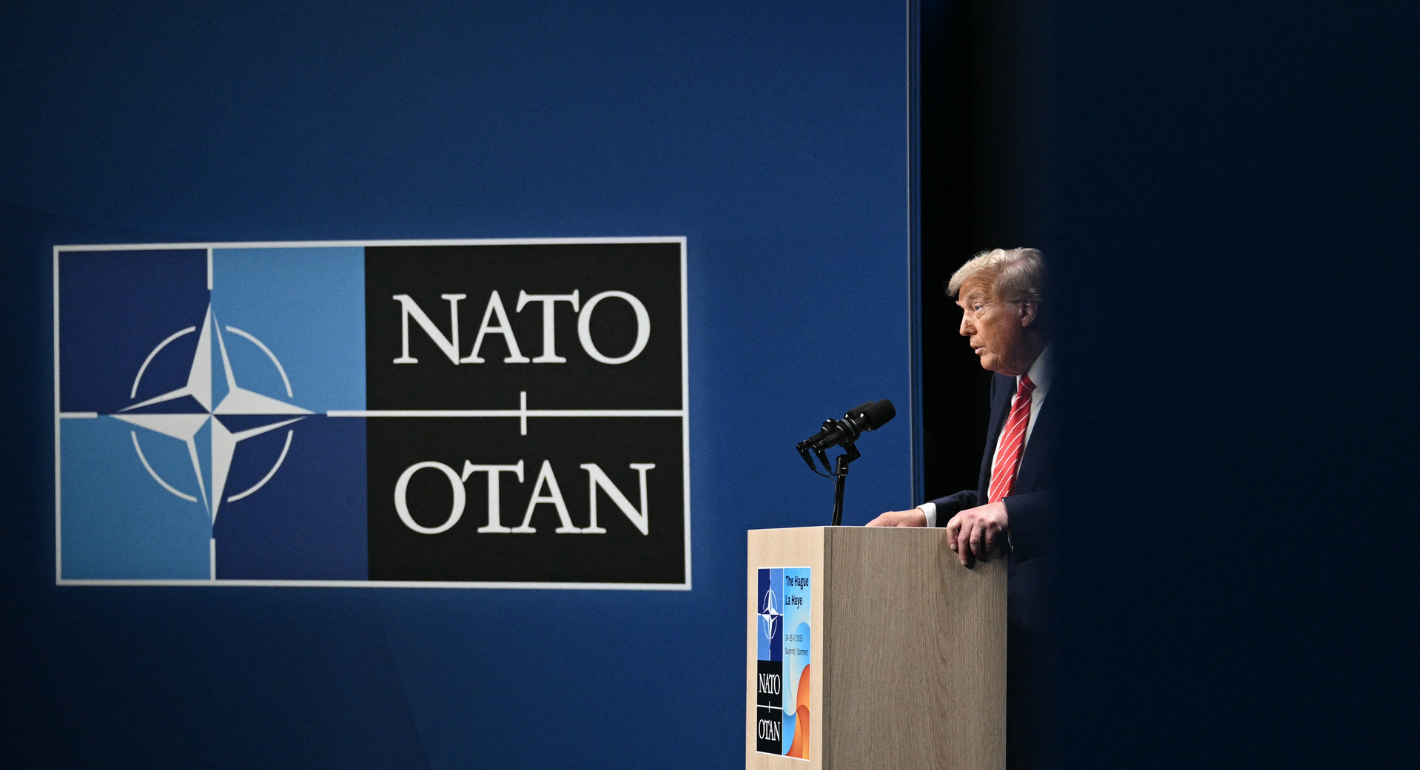
Donald Trump has repeatedly bashed NATO and European allies, threatening to annex Canada and Greenland and deploring their lack of enthusiasm for his war of choice in Iran. Is this latest round of abuse the final straw?

Rym Momtaz, ed.

The future looks bleak for independent media worldwide, but there is a robust infrastructure of knowledge, organizations, and people to build upon.


Daniel Sabet, Susan Abbott