• Research
  • Emissary
  • About
  • Experts
Carnegie Global logoCarnegie lettermark logo
DemocracyIran
  • Donate
{
  "authors": [
    "Abdul Monem Abul Futouh"
  ],
  "type": "other",
  "centerAffiliationAll": "dc",
  "centers": [
    "Carnegie Endowment for International Peace"
  ],
  "collections": [],
  "englishNewsletterAll": "democracy",
  "nonEnglishNewsletterAll": "",
  "primaryCenter": "Carnegie Endowment for International Peace",
  "programAffiliation": "DCG",
  "programs": [
    "Democracy, Conflict, and Governance",
    "Middle East"
  ],
  "projects": [],
  "regions": [
    "Middle East",
    "Egypt"
  ],
  "topics": [
    "Political Reform",
    "Democracy",
    "Foreign Policy"
  ]
}
REQUIRED IMAGE

REQUIRED IMAGE

Other

The Muslim Brotherhood Comments on ''Gray Zones'' Carnegie Paper

Link Copied
By Abdul Monem Abul Futouh
Published on Jul 13, 2006
Program mobile hero image

Program

Democracy, Conflict, and Governance

The Democracy, Conflict, and Governance Program is a leading source of independent policy research, writing, and outreach on global democracy, conflict, and governance. It analyzes and seeks to improve international efforts to reduce democratic backsliding, mitigate conflict and violence, overcome political polarization, promote gender equality, and advance pro-democratic uses of new technologies.

Learn More
Program mobile hero image

Program

Middle East

The Middle East Program in Washington combines in-depth regional knowledge with incisive comparative analysis to provide deeply informed recommendations. With expertise in the Gulf, North Africa, Iran, and Israel/Palestine, we examine crosscutting themes of political, economic, and social change in both English and Arabic.

Learn More

Click on the PDF icon above to read the full text of comments by Abdul Monem Abul Futouh, Member of the Guidance Bureau of the Egyptian Muslim Brotherhood, on “Islamist Movements and the Democratic Process in the Arab World: Exploring the Gray Zones,” by Nathan Brown, Amr Hamzawy, and Marina Ottaway (Carnegie Paper No. 67, March 2006).

About the Author

Abdul Monem Abul Futouh

Abdul Monem Abul Futouh
Political ReformDemocracyForeign PolicyMiddle EastEgypt

Carnegie does not take institutional positions on public policy issues; the views represented herein are those of the author(s) and do not necessarily reflect the views of Carnegie, its staff, or its trustees.
More Work from Carnegie Endowment for International Peace

  • Commentary
    Strategic Europe
    Taking the Pulse: Is the EU Ready for Rapprochement With the UK?

    Closer EU-UK ties could help address urgent European concerns. But is the EU ready for rapprochement with the United Kingdom?

      • Rym Momtaz

      Rym Momtaz, ed.

  • Commentary
    Carnegie Politika
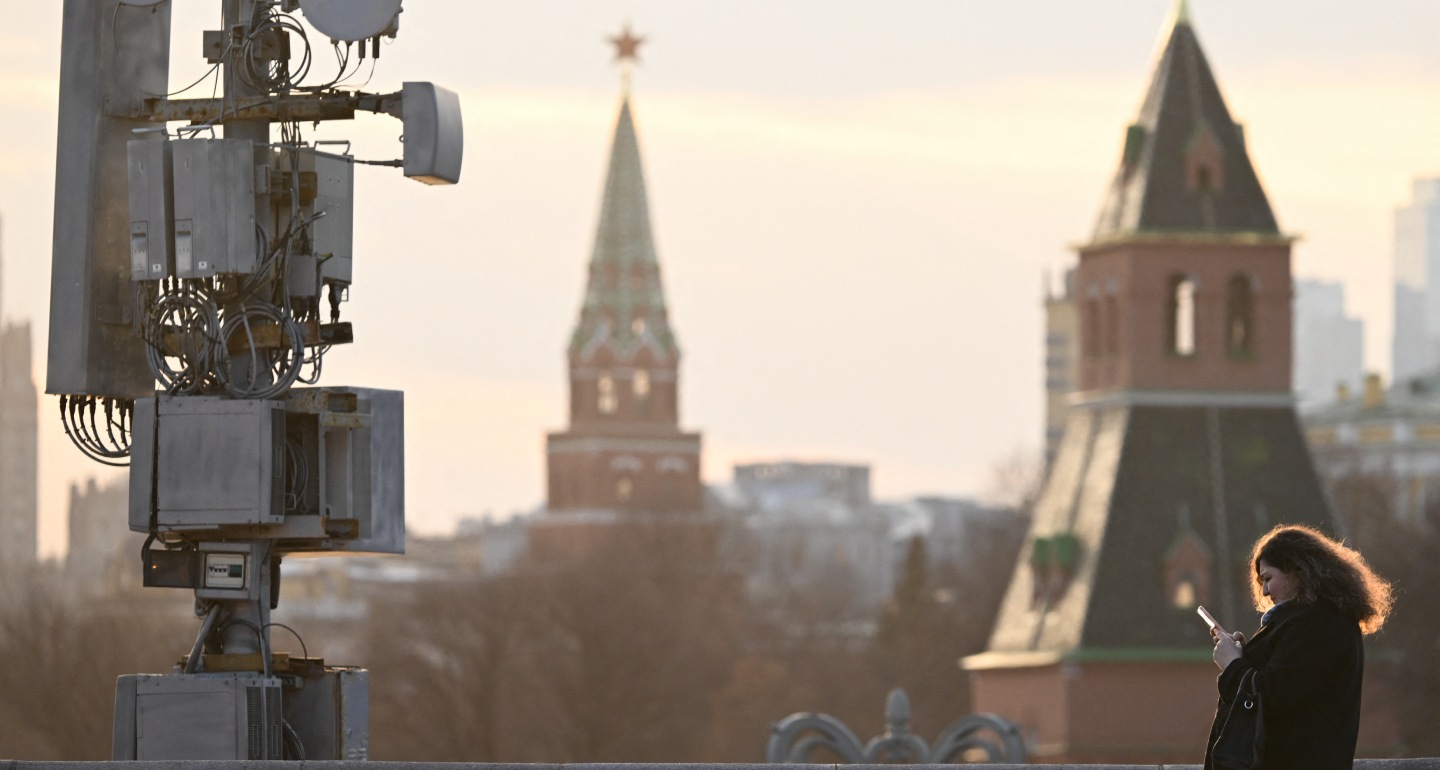
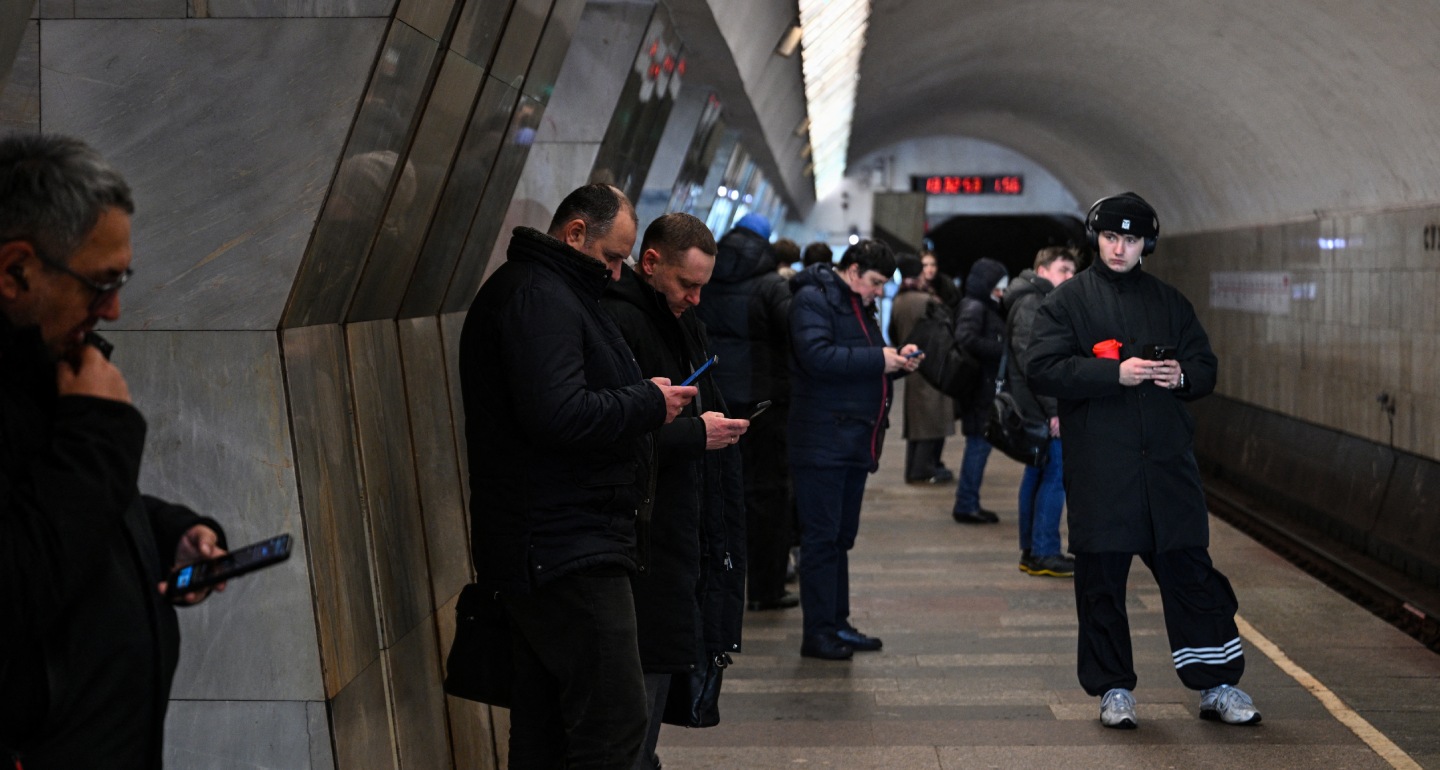
    Who Is Responsible for the Demise of the Russian Internet?

    The Russian state has opted for complete ideological control of the internet and is prepared to bear the associated costs.

      Maria Kolomychenko
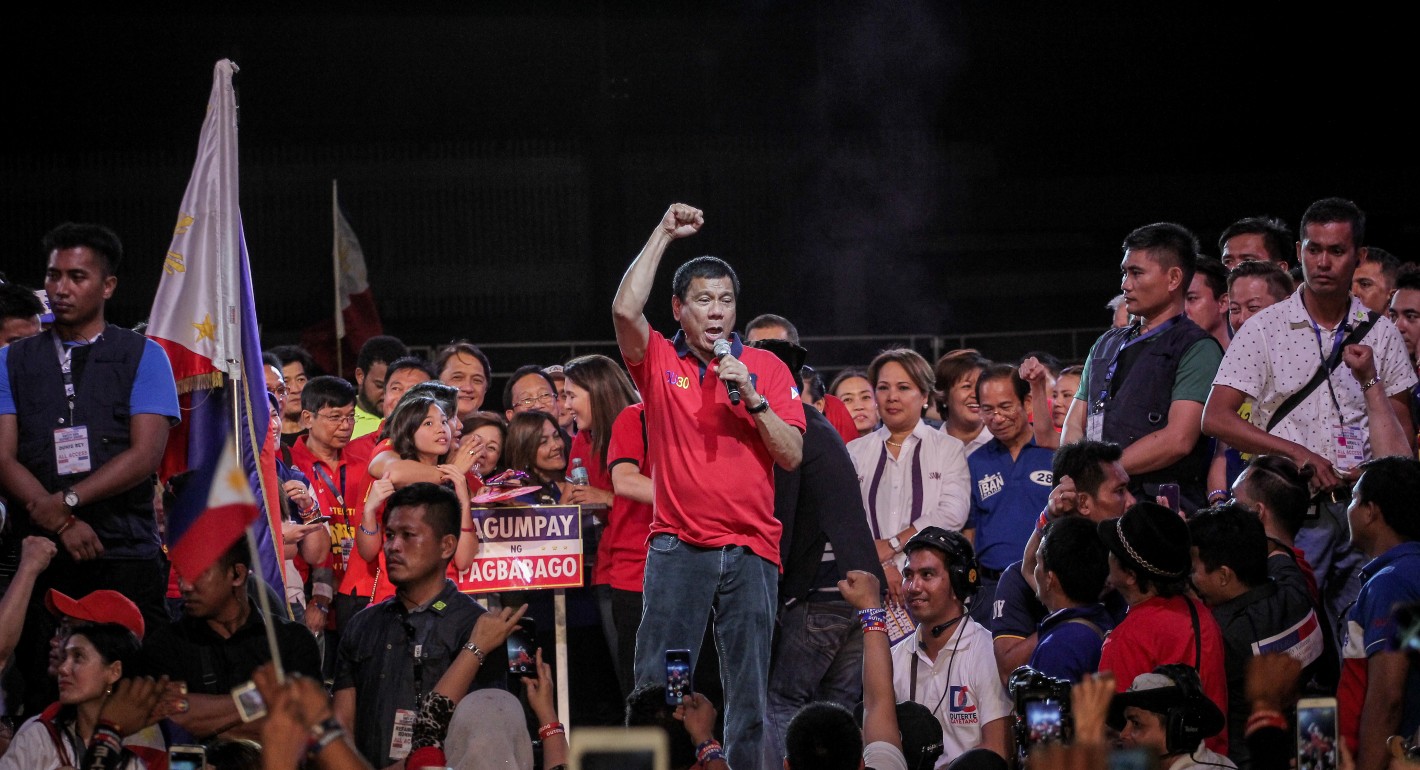
  • Duterte stands with his fist raised and a crowd of people stand behind him
    Paper
    Duterte’s Populist Foreign Policy as Illiberal Defiance: Consequences and Prospects

    In the Philippines, Duterte-era discourse emphasizing sovereignty, anti-Western skepticism, and strongman diplomacy mirrors tenets of populist foreign policy around the world.
      Aries A. Arugay
  • Commentary
    Strategic Europe
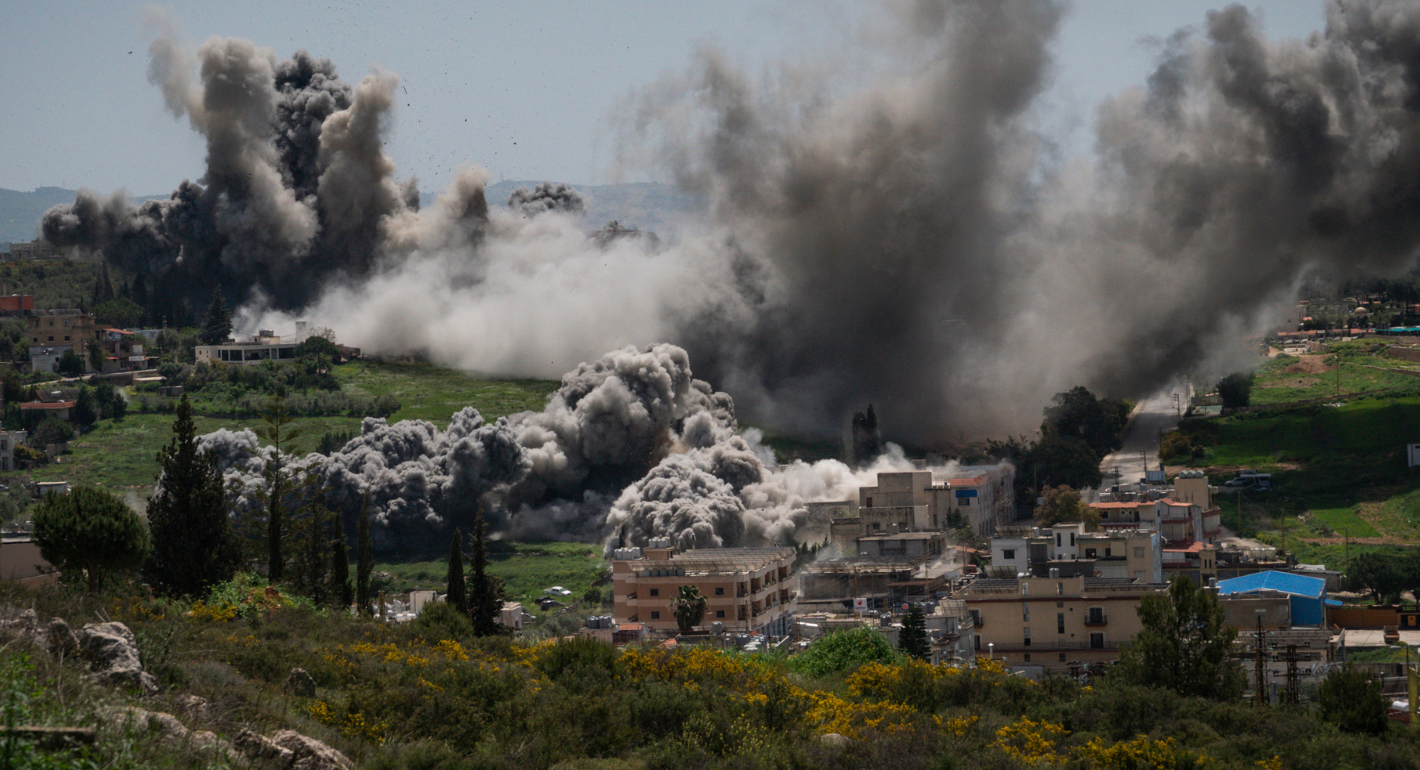
    France, Italy, and Spain Should Use Force in Lebanon

    Europe has been standing by while its Southern neighborhood is being redrawn by force. To establish a path to peace between Israel and Lebanon, it’s time for Europeans to get involved with hard power.

      • Rym Momtaz

      Rym Momtaz

  • Commentary
    Carnegie Politika
    Is Opposition to Online Restrictions an Inflection Point for the Russian Regime?

    After four years of war, there is no one who can stand up to the security establishment, and President Vladimir Putin is increasingly passive. 

      Tatiana Stanovaya

Get more news and analysis from
Carnegie Endowment for International Peace
Carnegie global logo, stacked
1779 Massachusetts Avenue NWWashington, DC, 20036-2103Phone: 202 483 7600
  • Research
  • Emissary
  • About
  • Experts
  • Donate
  • Programs
  • Events
  • Blogs
  • Podcasts
  • Contact
  • Annual Reports
  • Careers
  • Privacy
  • For Media
  • Government Resources
Get more news and analysis from
Carnegie Endowment for International Peace
© 2026 Carnegie Endowment for International Peace. All rights reserved.