Paper
Douglas H. Paal
{
  "authors": [
    "Douglas H. Paal"
  ],
  "type": "other",
  "centerAffiliationAll": "dc",
  "centers": [
    "Carnegie Endowment for International Peace",
    "Carnegie China"
  ],
  "collections": [],
  "englishNewsletterAll": "asia",
  "nonEnglishNewsletterAll": "",
  "primaryCenter": "Carnegie China",
  "programAffiliation": "AP",
  "programs": [
    "Asia",
    "South Asia"
  ],
  "projects": [],
  "regions": [
    "South Asia",
    "India",
    "East Asia",
    "China",
    "Southeast Asia",
    "North Korea",
    "South Korea"
  ],
  "topics": [
    "Economy",
    "Trade",
    "Foreign Policy"
  ]
}
Source: Getty
The next U.S. administration needs a clear strategic vision for Asia befitting the region’s status as the new global “center of gravity.”
The next U.S. administration needs a clear strategic vision for Asia befitting the region’s status as the new global “center of gravity.” In a new policy brief, Asia—Shaping The Future Carnegie China Program Director Douglas H. Paal presents key steps the United States should take to advance its interests in “rising Asia.”
Recommendations for the next U.S. president:
Paal concludes:
“In sum, the new American administration should prepare before taking office and in the immediate aftermath to address this discrete set of issues involving the Asia-Pacific region, some big and bold, others small but telling policy adjustments. Experience has shown that it would not be wise to repeat the Clinton and George W. Bush mistakes of supporting any policy but their predecessors’. Clinton’s “anything but Bush” approach to China and Bush’s “anything but Clinton” approach to North Korea have both been costly. Whether it wins one term or two, the life of any new administration will be short in retrospect. And the time for creativity and policy innovation is much shorter yet.”
About the Author
Douglas H. Paal is the director of the Carnegie China Program based in Washington and Beijing. He served as the director of the American Institute in Taiwan from April 2002 to January. Paal was the special assistant to President George H. W. Bush for National Security Affairs and senior director for Asian Affairs on the National Security Council, where he had also served during the Reagan administration.

Distinguished Fellow, Asia Program
Paal previously served as vice chairman of JPMorgan Chase International and as unofficial U.S. representative to Taiwan as director of the American Institute in Taiwan.
Recent Work
Douglas H. Paal


Douglas H. Paal, Tong Zhao, Chen Qi, …
Carnegie does not take institutional positions on public policy issues; the views represented herein are those of the author(s) and do not necessarily reflect the views of Carnegie, its staff, or its trustees.
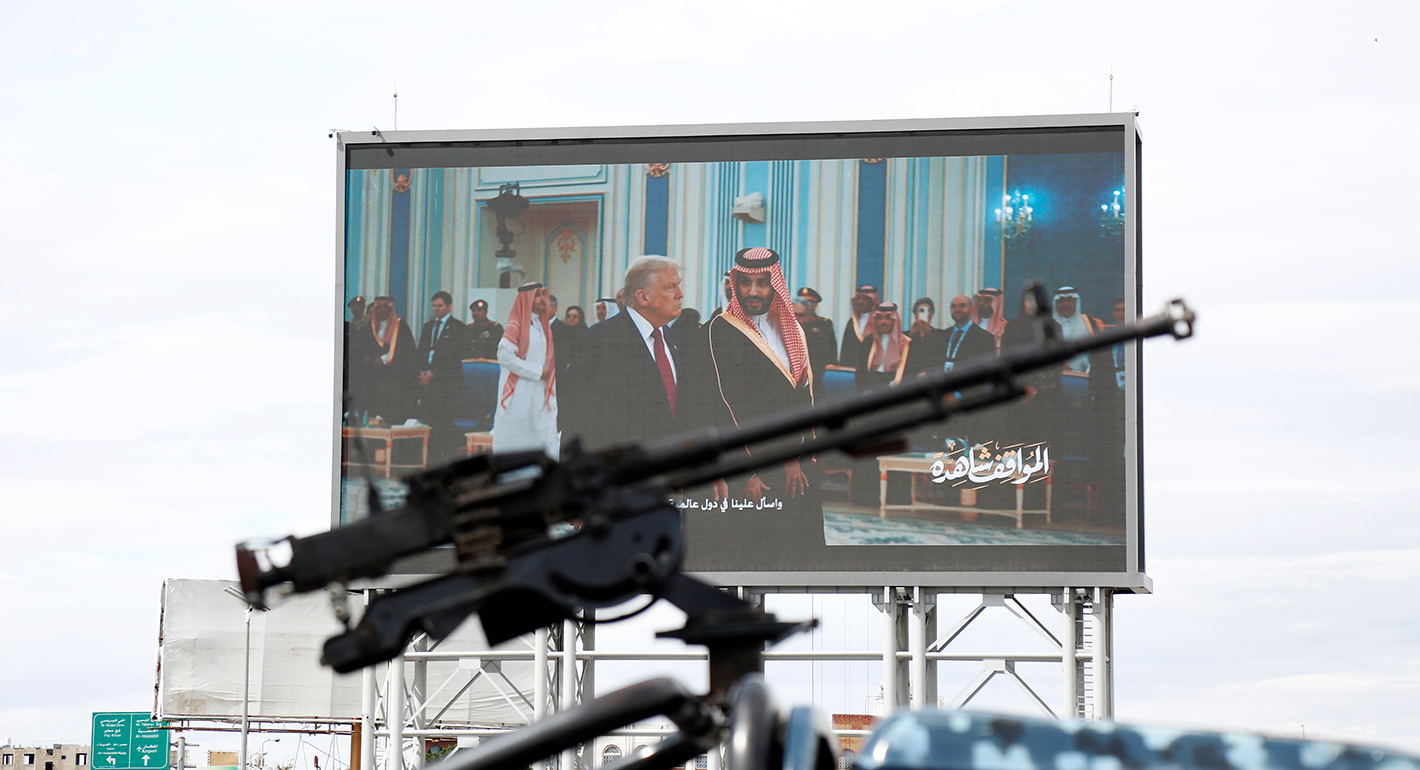
As the war between the United States, Israel, and Iran continues, Carnegie scholars contribute cutting-edge analysis on the events of the war and their wide-reaching implications. From the impact on Iran and its immediate neighbors to the responses from Gulf states to fuel and fertilizer shortages caused by the effective shutdown of the Strait of Hormuz, the war is reshaping Middle East alliances and creating shockwaves around the world. Carnegie experts analyze it all.
The return of war as the organizing factor in Middle Eastern politics has predictable consequences: governments are prioritizing regime stability and becoming averse to political and social reform.


Sarah Yerkes, Amr Hamzawy

Central Asia’s digital ambitions are achievable, but only if policy is aligned with the region’s physical constraints.

Aruzhan Meirkhanova
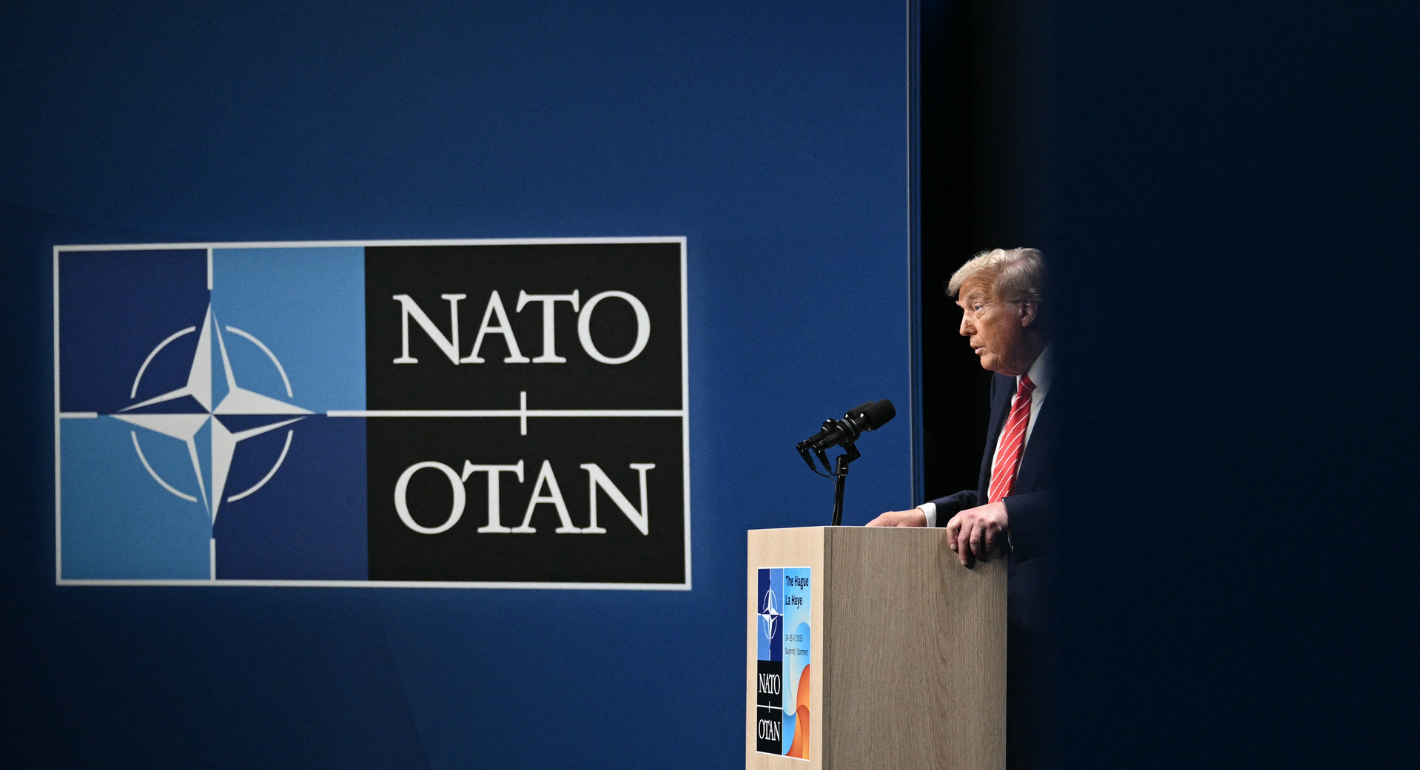
Donald Trump has repeatedly bashed NATO and European allies, threatening to annex Canada and Greenland and deploring their lack of enthusiasm for his war of choice in Iran. Is this latest round of abuse the final straw?

Rym Momtaz, ed.
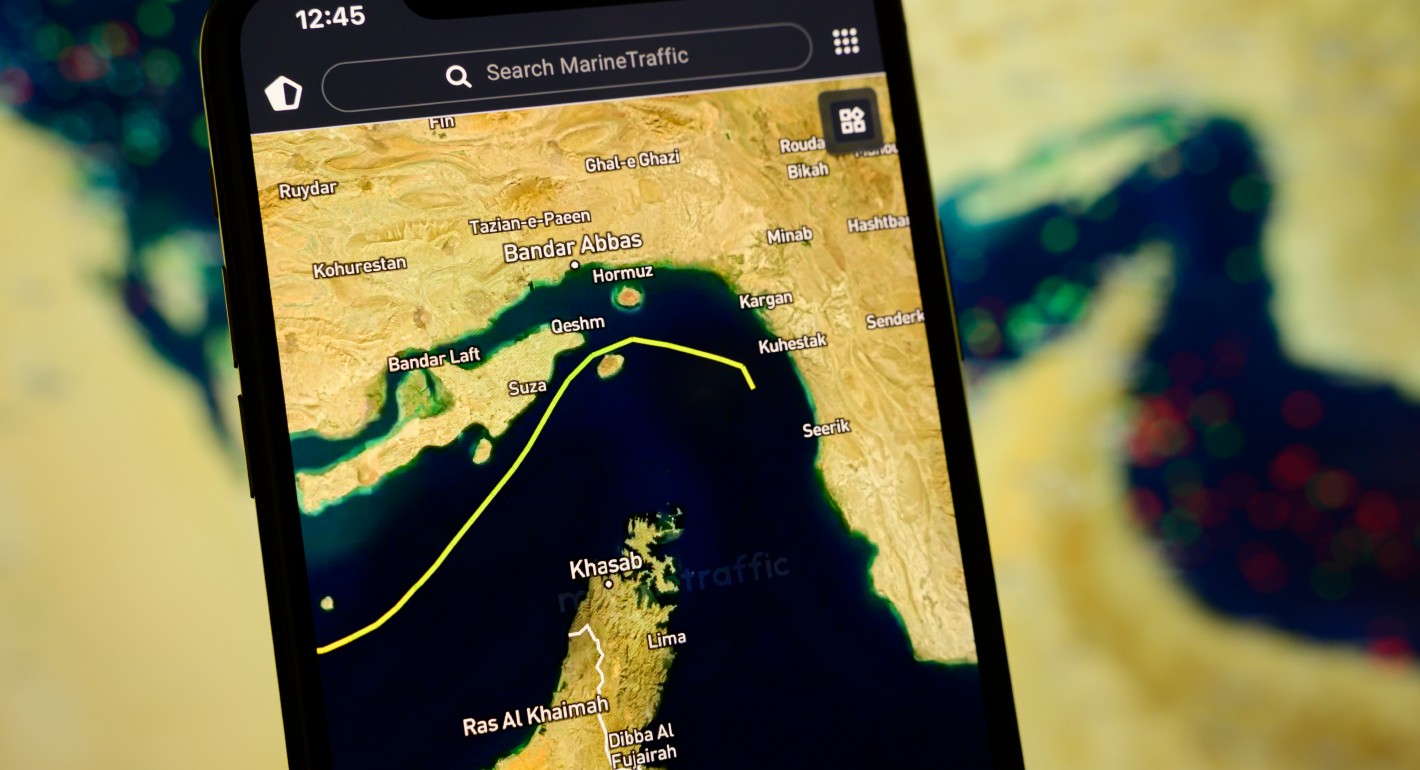
Why the Iran ceasefire isn’t a quick fix to the Strait of Hormuz energy crisis.

Helima Croft, Aaron David Miller