

Commentary
As Russia's war on Ukraine drags on, NATO is expanding its footprint in the Black Sea. Turkey, Romania, and Bulgaria are upgrading their fleets and deepening trilateral cooperation.
Dimitar Bechev

REQUIRED IMAGE
Turkey’s increased engagement in the Middle East reflects its desire to become a self-confident regional superpower. Yet, Ankara’s fraught handling of the Kurdish issue has been reactive, alarmist, and insecure. Unless Turkey learns to balance its opposing priorities, the country will witness an increase in ultra-nationalism and isolationism.
Turkey’s increased engagement in the Middle East reflects its desire to become a self-confident regional superpower. Yet, Ankara’s fraught handling of the Kurdish issue has been reactive, alarmist, and insecure. Unless Turkey learns to balance its opposing priorities, the country will witness an increase in ultra-nationalism and isolationism, concludes a new paper from the Carnegie Endowment.
Taspinar concludes:
Omer Taspinar
Carnegie does not take institutional positions on public policy issues; the views represented herein are those of the author(s) and do not necessarily reflect the views of Carnegie, its staff, or its trustees.
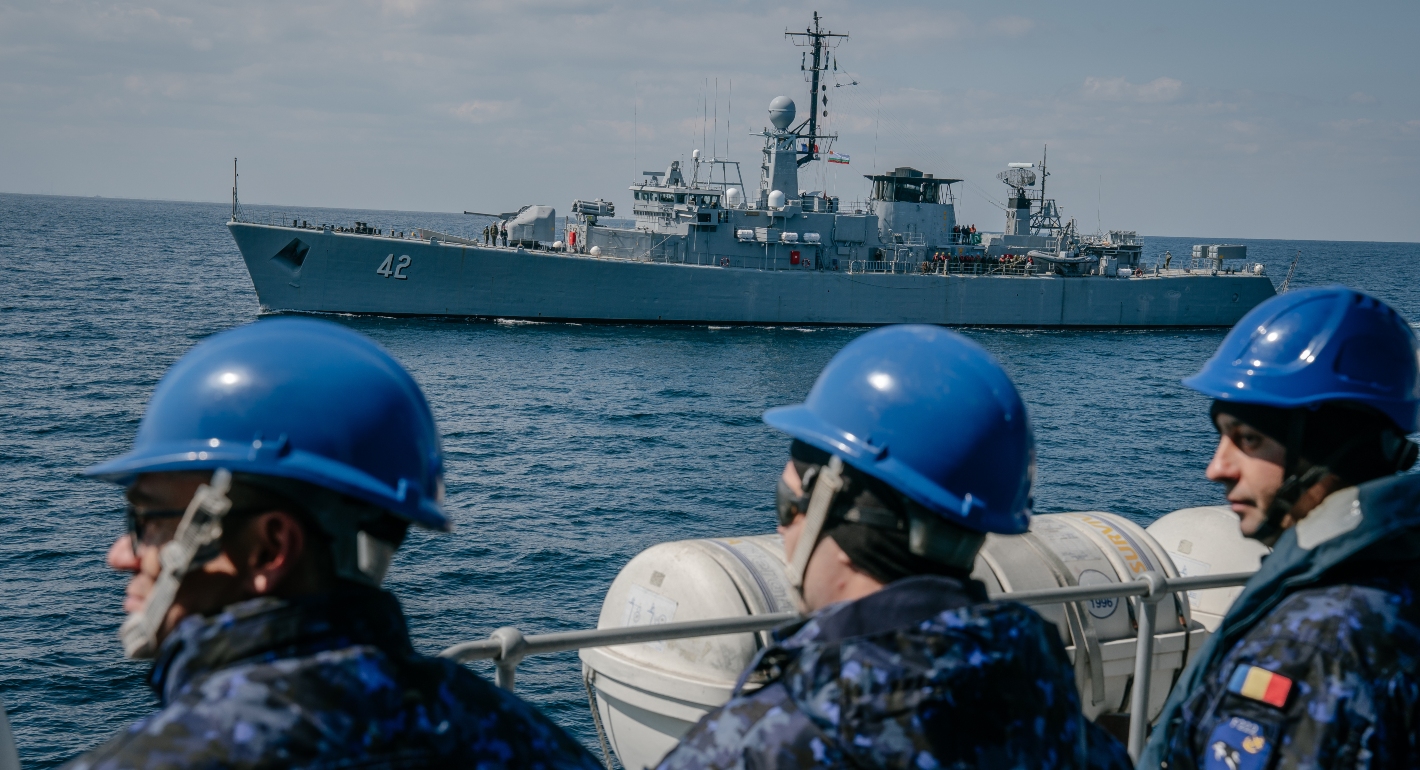
As Russia's war on Ukraine drags on, NATO is expanding its footprint in the Black Sea. Turkey, Romania, and Bulgaria are upgrading their fleets and deepening trilateral cooperation.

Dimitar Bechev

Despite unhappiness on the ground, Moscow is determined to use both carrot and stick to ensure there is record support for United Russia in occupied Ukraine.

Konstantin Skorkin

Morocco and Algeria, each in its own way, are having to navigate the global economic fallout of the U.S.-Israeli military campaign against Iran.

Yasmine Zarhloule
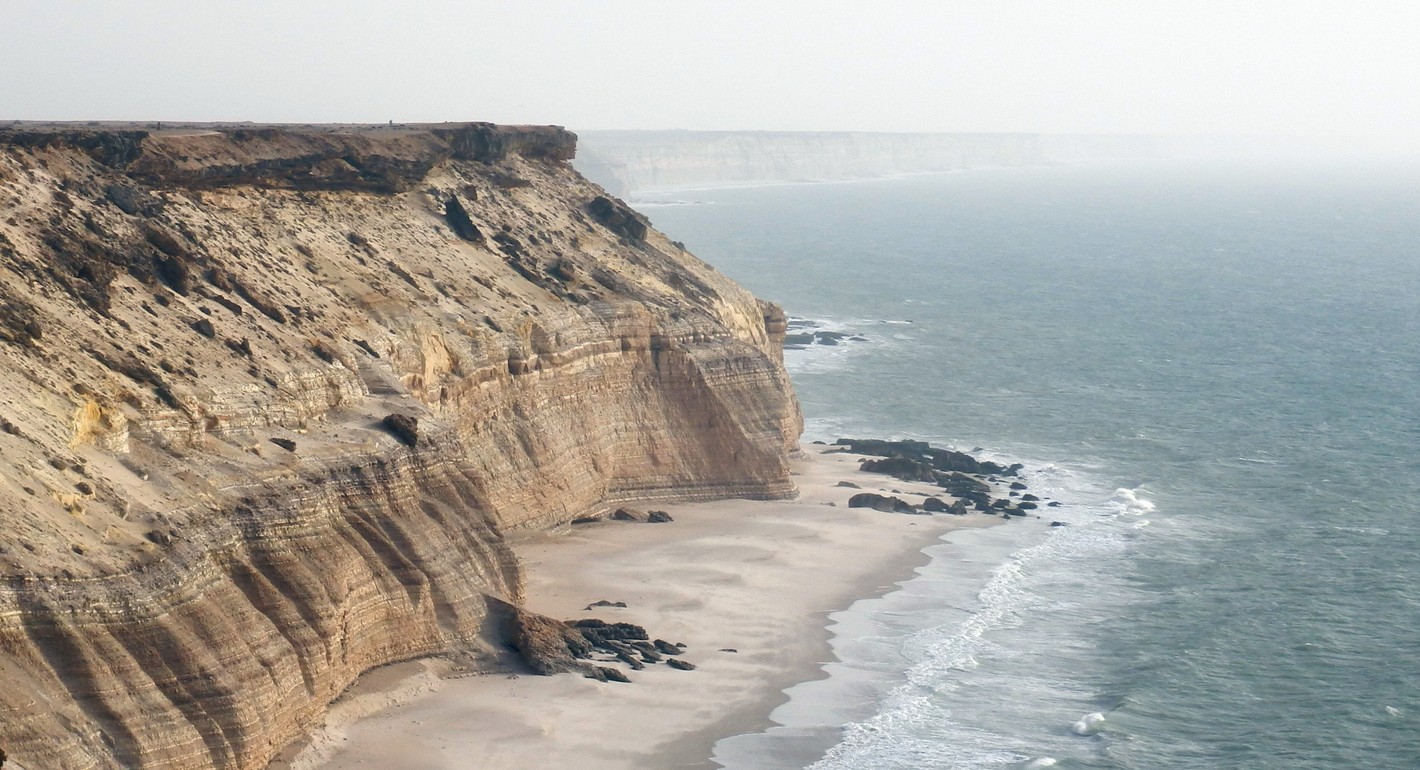
Despite Morocco’s hopes that its film industry would reap rewards, the blockbuster’s success will be tainted by controversy surrounding filming in occupied Western Sahara.

Sarah Yerkes
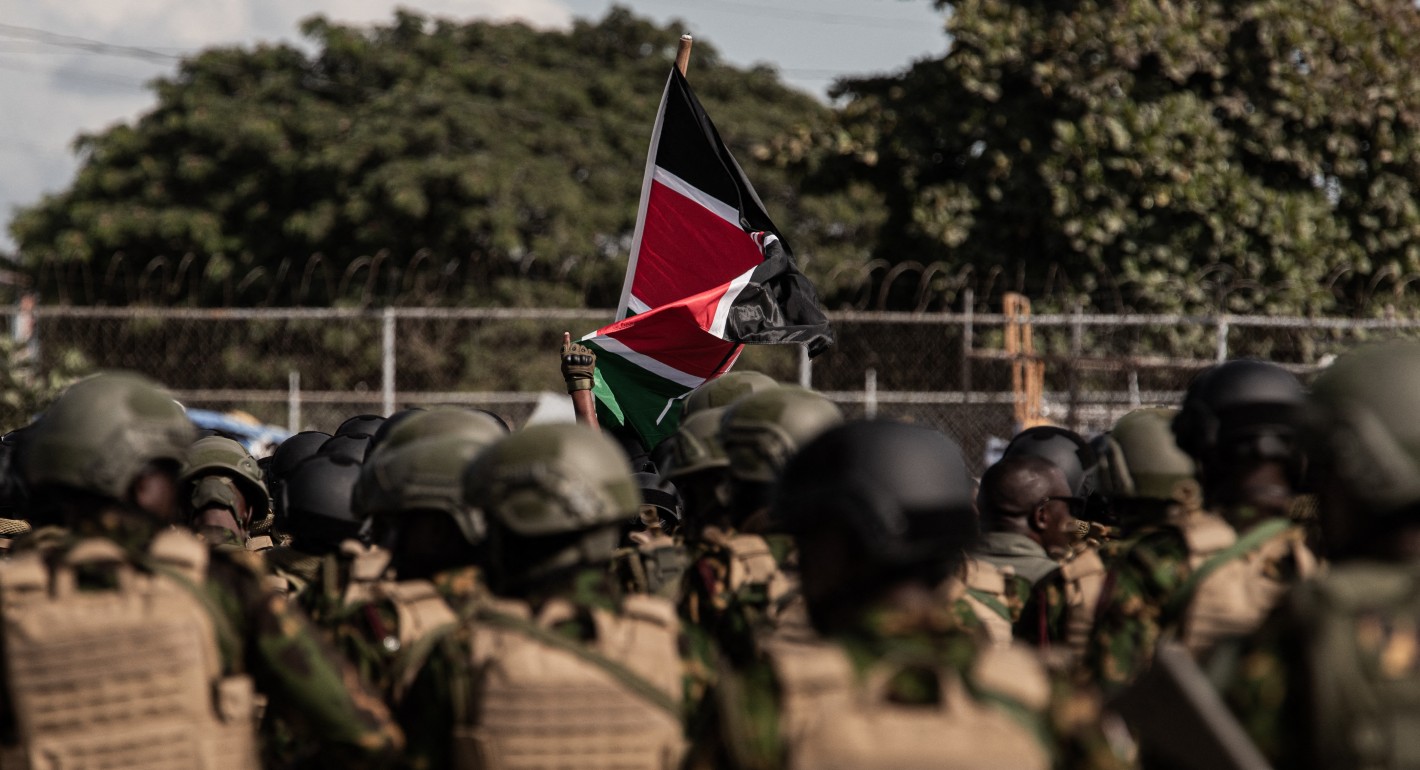
Helping to stabilize Haiti is in the United States’ national interest and can be done by making wise use of various foreign policy tools in addition to supporting international security forces.
Christopher Shell