

In The Media
Jessica Tuchman Mathews
{
  "authors": [
    "Jessica Tuchman Mathews"
  ],
  "type": "legacyinthemedia",
  "centerAffiliationAll": "",
  "centers": [
    "Carnegie Endowment for International Peace"
  ],
  "collections": [],
  "englishNewsletterAll": "",
  "nonEnglishNewsletterAll": "",
  "primaryCenter": "Carnegie Endowment for International Peace",
  "programAffiliation": "",
  "programs": [],
  "projects": [],
  "regions": [
    "North America",
    "United States",
    "South Asia",
    "India",
    "Pakistan"
  ],
  "topics": [
    "Political Reform",
    "Security",
    "Military",
    "Foreign Policy"
  ]
}
Source: Getty
President-elect Barack Obama has assembled a bipartisan, centrist national security team, with an emphasis on pragmatic competence. Already faced with a daunting foreign policy inbox, the incoming administration must formulate a response to the Mumbai terrorist attacks without undermining either the current administration’s credibility or the already-weak Pakistani government.
Source: The Diane Rehm Show

The terrorist attacks in Mumbai present a complex challenge for President-elect Obama, Mathews explained. He has had to react to an unfolding crisis and high expectations from the international community without undermining the current administration’s response. Obama will also inherit the current challenge facing President Bush: how to pressure the already-weak civilian government in Pakistan without destabilizing it. The choice of Mumbai, India’s financial hub, as a target indicates that the attacks were motivated by a complicated mix of local sectarian tension and backlash against globalization, the global economic order, and India’s participation in those realms.
Mathews observed that President-elect Obama will be “the first president to enjoy an international honeymoon,” and emphasized that Obama will need to capitalize on his tremendous popularity overseas to rebuild the U.S. relationship with Russia, restore its credibility as a broker in the Middle East peace process, and reposition itself vis-à-vis the world. Because the international influence of the United States rests on its economic power, however, recovering from the financial crisis must be the administration’s first priority.
Click here to listen

Distinguished Fellow
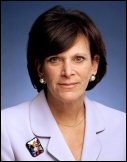
Mathews is a distinguished fellow at the Carnegie Endowment for International Peace. She served as Carnegie’s president for 18 years.
Recent Work
Jessica Tuchman Mathews
Jessica Tuchman Mathews
Carnegie does not take institutional positions on public policy issues; the views represented herein are those of the author(s) and do not necessarily reflect the views of Carnegie, its staff, or its trustees.
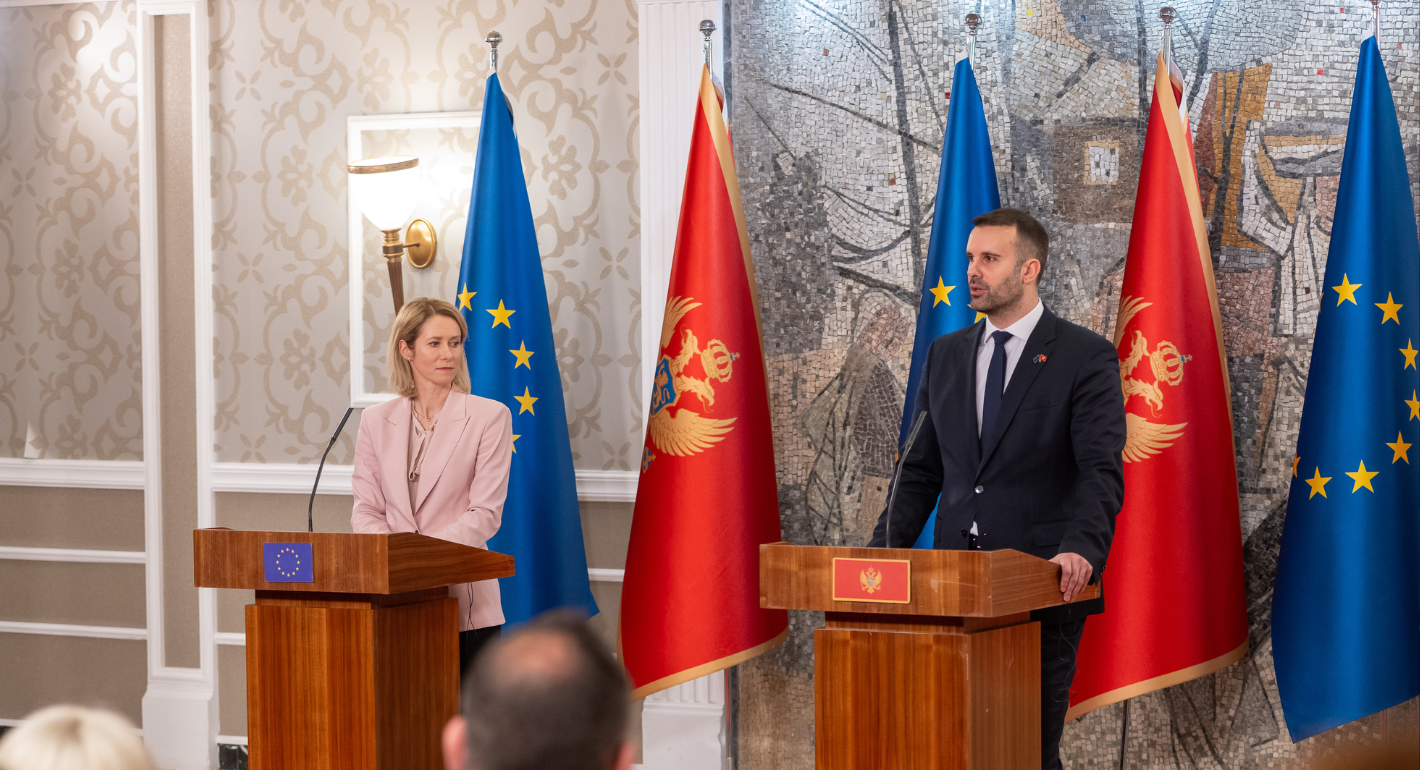
Montenegro and Albania are frontrunners for EU enlargement in the Western Balkans, but they can’t just sit back and wait. To meet their 2030 accession ambitions, they must make a strong positive case.


Dimitar Bechev, Iliriana Gjoni

This piece argues that the present Indian strategy, based on opportunistic diversification and utilization of limited strategic reserves, remains inadequate when confronting supply disruptions. It evaluates India’s options in the short, medium, and long terms.

Vrinda Sahai

Its reinstatement should be celebrated, but it retains some major shortcomings.

Leonardo Martinez-Diaz
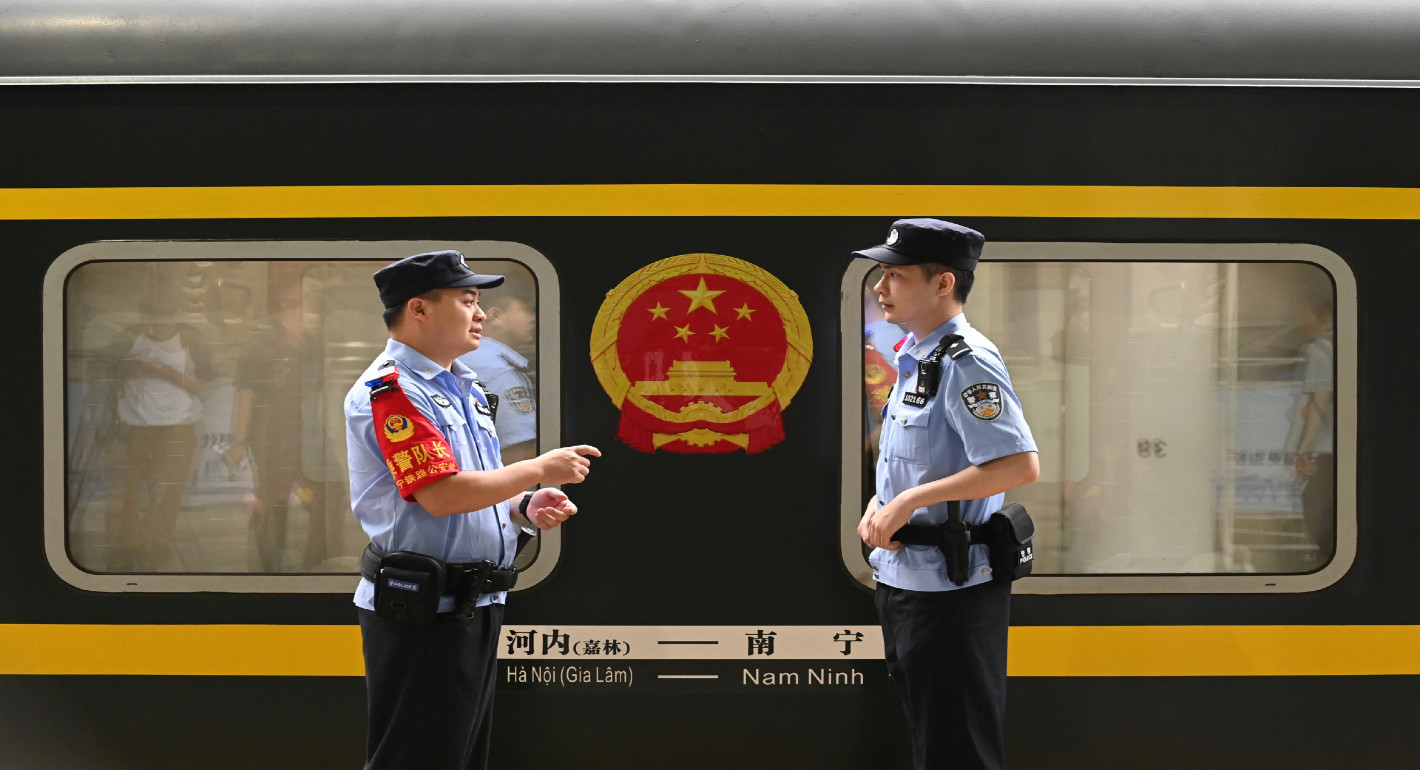
Despite long-standing differences, China and Vietnam are reinforcing common ground for collaboration, especially in public security. This internal security–centered diplomacy offers a strengthened road map for how China moves forward with Southeast Asia.
Sophie Zhuang
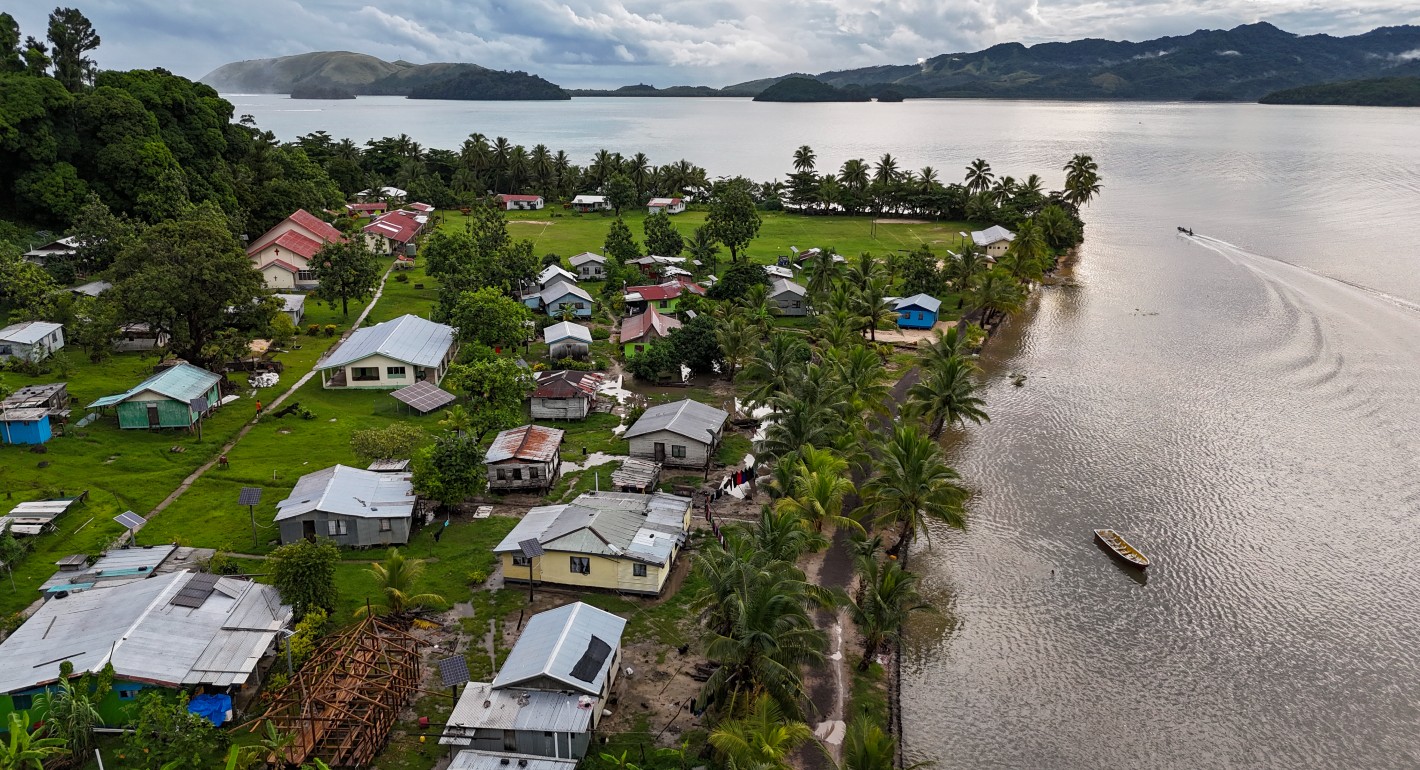
Climate mobility interventions can vary, but they all present opportunities to unlock transformative results that mitigate costs associated with inaction.

Alejandro Martin Rodriguez