• Research
  • Emissary
  • About
  • Experts
Carnegie Global logoCarnegie lettermark logo
DemocracyIran
  • Donate
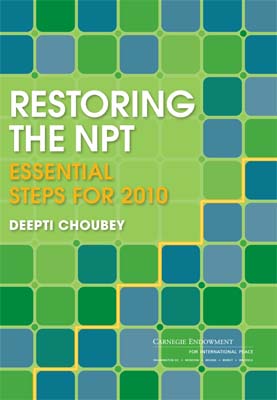
Restoring the NPT: Essential Steps for 2010
Report

Restoring the NPT: Essential Steps for 2010

The upcoming 2010 Non-Proliferation Treaty Review Conference is an opportunity to strengthen the struggling nonproliferation regime, but achieving even modest success will require the political cooperation of nuclear and non-nuclear-weapon states.

Link Copied
By Deepti Choubey
Published on Nov 16, 2009

Additional Links

Full TextSummary
Program mobile hero image

Program

Nuclear Policy

The Nuclear Policy Program aims to reduce the risk of nuclear war. Our experts diagnose acute risks stemming from technical and geopolitical developments, generate pragmatic solutions, and use our global network to advance risk-reduction policies. Our work covers deterrence, disarmament, arms control, nonproliferation, and nuclear energy.

Learn More

With growing fears about Iran and North Korea’s nuclear programs, conventional wisdom holds that the nonproliferation regime is on the verge of collapse. The upcoming 2010 Non-Proliferation Treaty (NPT) Review Conference is an opportunity to strengthen the regime, but it is in danger of being overloaded by expectations.

Deepti Choubey identifies achievable goals for the Review Conference and outlines steps that nuclear-weapon states—including recommendations tailored for the United States—and non–nuclear-weapon states should take to avert failure.

Recommendations:

  • All states should recognize that restoring the NPT is a joint endeavor—each state’s security is affected by the outcome of nonproliferation efforts, so all states have a stake in fixing problems. States must raise the political profile of the Review Conference and engage NGOs that can provide expertise and create accountability.
     
  • The United States should secure domestic and international support for its agenda to reduce and eliminate nuclear dangers by demonstrating how all of the elements of that agenda are mutually reinforcing and imperative. The United States must reconcile its Nuclear Posture Review with its NPT commitments.
     
  • Non–nuclear-weapon states should seize the window of opportunity opened by President Obama’s forward-leaning leadership. These states must reconcile policy inconsistencies, choose friends wisely, and plan for the future by anticipating what progress on disarmament will mean for them. 


“Averting failure and achieving some modest success at the 2010 NPT Review Conference will require action by all states—nuclear-weapon states and non-nuclear-weapon states alike,” says Choubey. “Although ambitious steps are welcome, small steps will do.”

About the Author

Deepti Choubey

Former Deputy Director, Nuclear Policy Program

Choubey was previously the director of the Peace and Security Initiative for the Ploughshares Fund. She also worked for Ambassador Nancy Soderberg in the New York office of the International Crisis Group.

    Recent Work

  • Q&A
    Understanding the 2010 NPT Review Conference

      Deepti Choubey

  • Article
    Defining Success for the NPT Review Conference

      Deepti Choubey

Deepti Choubey
Former Deputy Director, Nuclear Policy Program
Deepti Choubey
North AmericaUnited StatesMiddle EastEast AsiaChinaCaucasusRussiaWestern EuropeNuclear PolicyNuclear Energy

Carnegie does not take institutional positions on public policy issues; the views represented herein are those of the author(s) and do not necessarily reflect the views of Carnegie, its staff, or its trustees.

More Work from Carnegie Endowment for International Peace

  • flood wall
    Commentary
    Emissary
    BRIC Is Critical for U.S. National Security. After a Yearlong Legal Battle, It’s Back.

    Its reinstatement should be celebrated, but it retains some major shortcomings.

      Leonardo Martinez-Diaz

  • Article
    Leveraging Internal Security Cooperation with Vietnam Offers a Glimpse of Future Chinese Diplomacy with Southeast Asia

    Despite long-standing differences, China and Vietnam are reinforcing common ground for collaboration, especially in public security. This internal security–centered diplomacy offers a strengthened road map for how China moves forward with Southeast Asia.

      Sophie Zhuang
  • Commentary
    Carnegie Politika
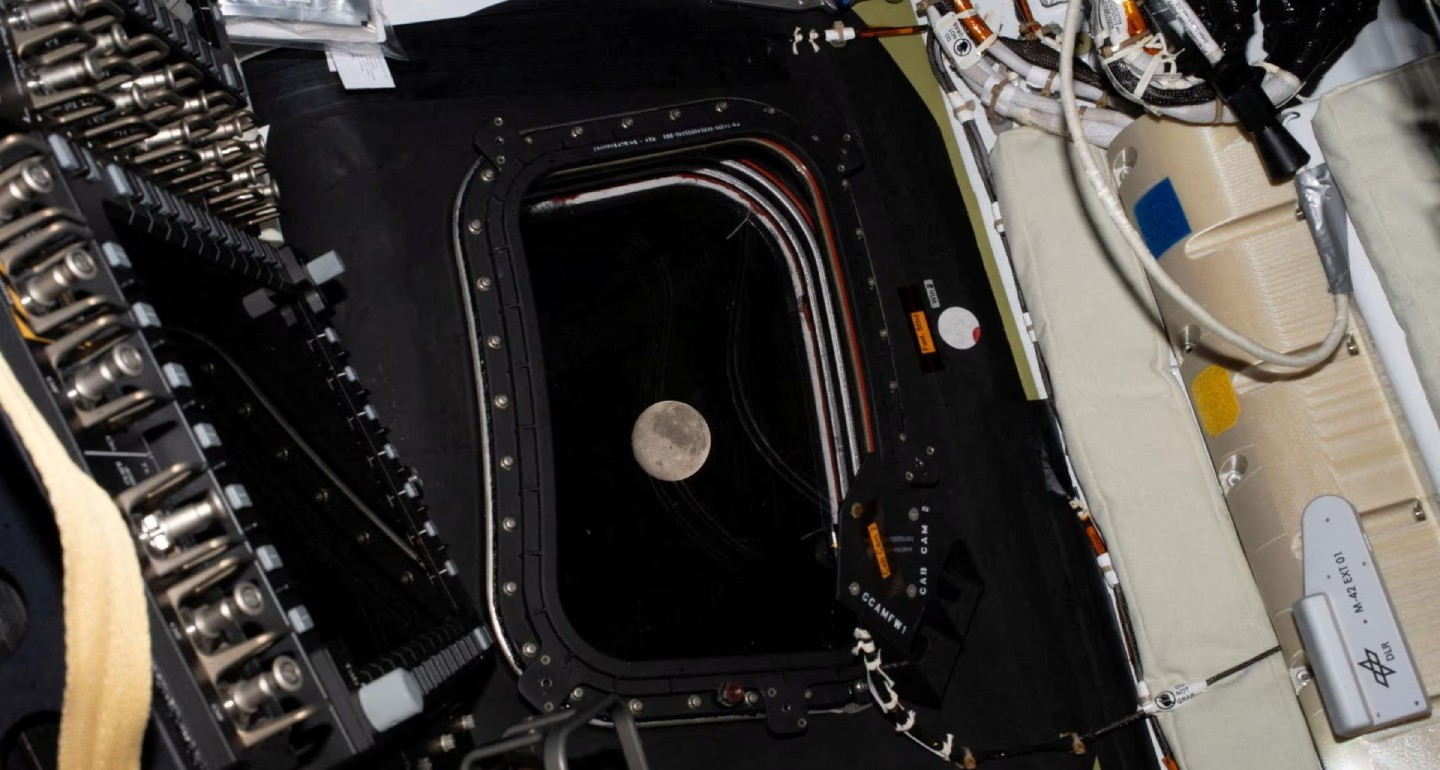
    Is There a Place for Russia in the New Race Back to the Moon?

    Despite having the resources and expertise, the Russian space industry missed the opportunity to offer the United States or China a mutually rewarding partnership in the lunar race.

      Georgy Trishkin
  • Man standing next to a pile of burned cars
    Commentary
    Emissary
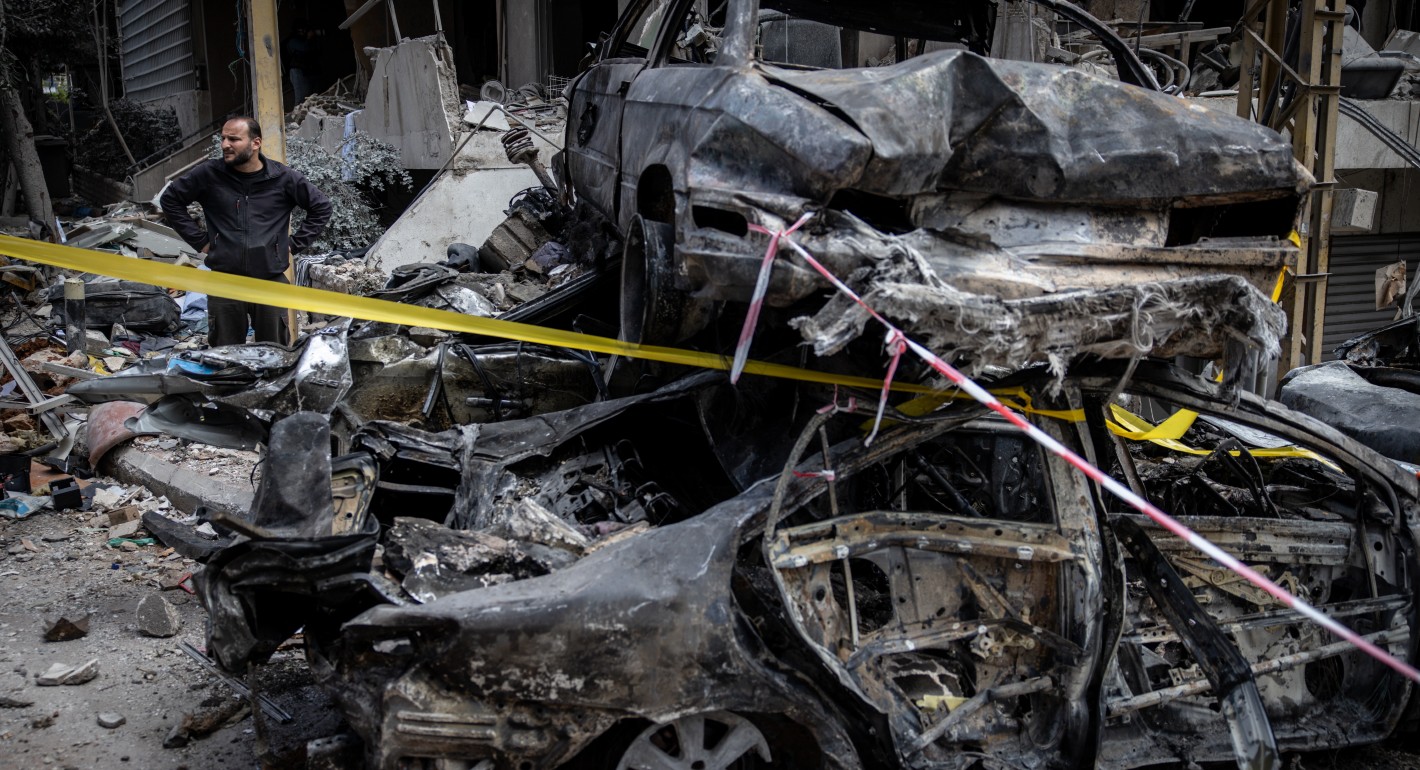
    The Myriad Problems With the Iran Ceasefire

    Four Middle East experts analyze the region’s reactions and next steps.

      • Andrew Leber
      • Eric Lob
      • +1

      Amr Hamzawy, Andrew Leber, Eric Lob, …
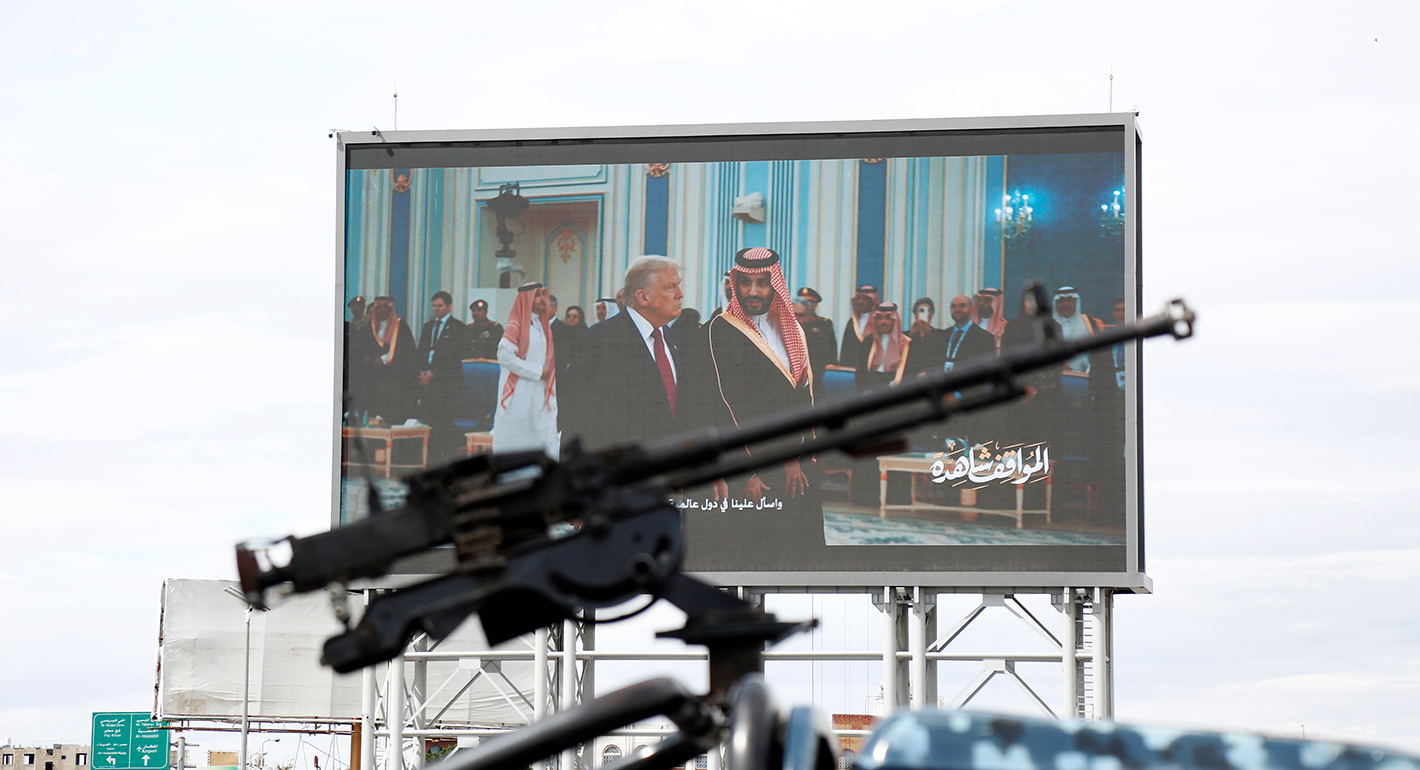
  •  A machine gun of a Houthi soldier mounted on a police vehicle next to a billboard depicting the U.S. president Donald Trump and Mohammed Bin Salman, the Crown Prince and Prime Minister of Saudi Arabia, during a protest staged to show support to Iran against the U.S.-Israel war on March 27, 2026 in Sana'a, Yemen.
    Collection
    The Iran War’s Global Reach

    As the war between the United States, Israel, and Iran continues, Carnegie scholars contribute cutting-edge analysis on the events of the war and their wide-reaching implications. From the impact on Iran and its immediate neighbors to the responses from Gulf states to fuel and fertilizer shortages caused by the effective shutdown of the Strait of Hormuz, the war is reshaping Middle East alliances and creating shockwaves around the world. Carnegie experts analyze it all.

Get more news and analysis from
Carnegie Endowment for International Peace
Carnegie global logo, stacked
1779 Massachusetts Avenue NWWashington, DC, 20036-2103Phone: 202 483 7600Fax: 202 483 1840
  • Research
  • Emissary
  • About
  • Experts
  • Donate
  • Programs
  • Events
  • Blogs
  • Podcasts
  • Contact
  • Annual Reports
  • Careers
  • Privacy
  • For Media
  • Government Resources
Get more news and analysis from
Carnegie Endowment for International Peace
© 2026 Carnegie Endowment for International Peace. All rights reserved.