

Paper
Douglas H. Paal
{
  "authors": [
    "Douglas H. Paal"
  ],
  "type": "legacyinthemedia",
  "centerAffiliationAll": "dc",
  "centers": [
    "Carnegie Endowment for International Peace"
  ],
  "collections": [],
  "englishNewsletterAll": "asia",
  "nonEnglishNewsletterAll": "",
  "primaryCenter": "Carnegie Endowment for International Peace",
  "programAffiliation": "AP",
  "programs": [
    "Asia"
  ],
  "projects": [],
  "regions": [
    "East Asia",
    "China"
  ],
  "topics": [
    "Political Reform",
    "Economy",
    "Foreign Policy"
  ]
}
Source: Getty
While China has adopted an increasingly tough stance in recent disputes with the United States, its rhetoric has not been matched by aggressive action, and fears about a new cold war are unfounded.
Source: BBC's World Have Your Say

As Douglas Paal argues on the BBC’s World Have Your Say, perceptions of growing Chinese confidence and U.S. decline will not lead to a new cold war. While China has adopted tough rhetoric against the United States, this has not been accompanied by a real shift in its policies. Instead, this rhetoric reflects an increasingly vocal and influential group of domestic hardliners who have overestimated China’s global clout. As such views have gained considerable traction, pragmatic Chinese officials have stiffened their language toward the United States but remain careful not to take actions that would seriously jeopardize the bilateral relationship. Paal also points out that the high degree of economic interdependence between the United States and China will keep them from pulling the trigger on each other and unleashing a major conflict.

Distinguished Fellow, Asia Program
Paal previously served as vice chairman of JPMorgan Chase International and as unofficial U.S. representative to Taiwan as director of the American Institute in Taiwan.
Recent Work
Douglas H. Paal


Douglas H. Paal, Tong Zhao, Chen Qi, …
Carnegie does not take institutional positions on public policy issues; the views represented herein are those of the author(s) and do not necessarily reflect the views of Carnegie, its staff, or its trustees.
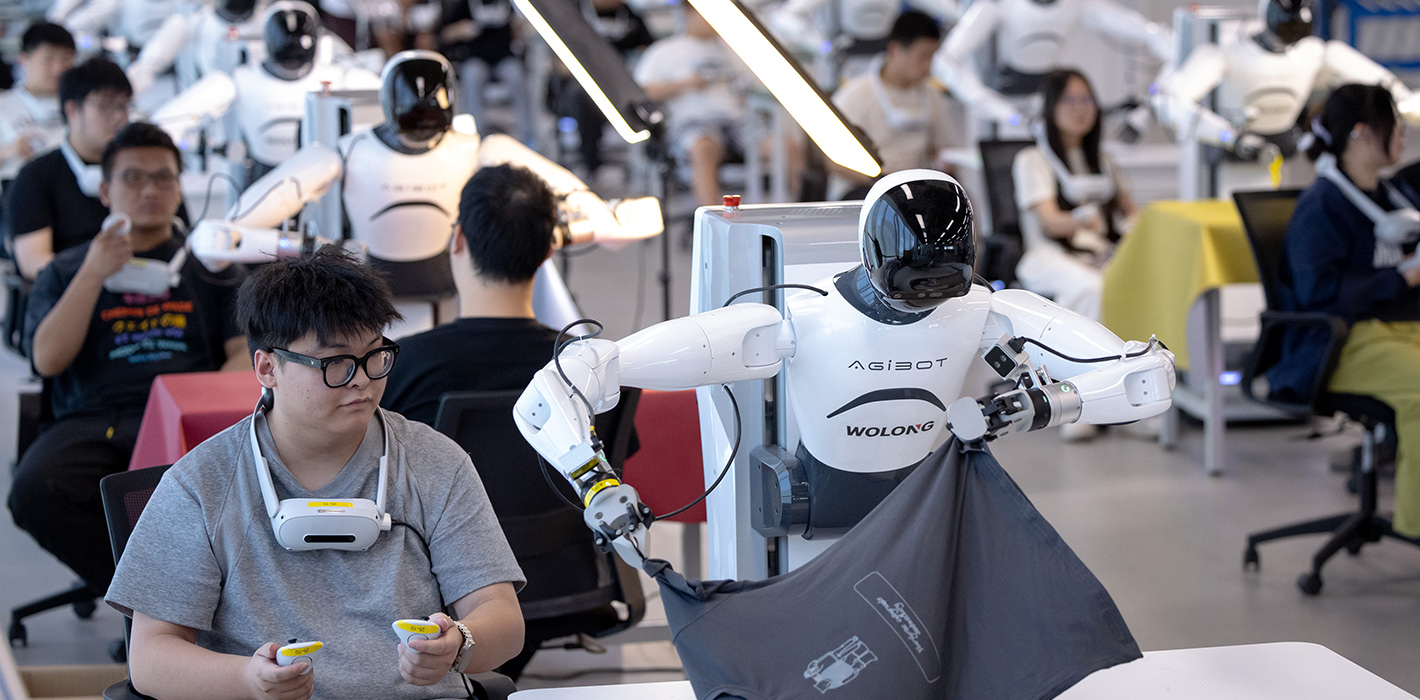
AI could hollow out jobs, reshape them gradually, create entirely new ones—or do all three at once. The case for starting to act now doesn’t depend on knowing which.

Teddy Tawil
Closer EU-UK ties could help address urgent European concerns. But is the EU ready for rapprochement with the United Kingdom?

Rym Momtaz, ed.

The Russian state has opted for complete ideological control of the internet and is prepared to bear the associated costs.

Maria Kolomychenko
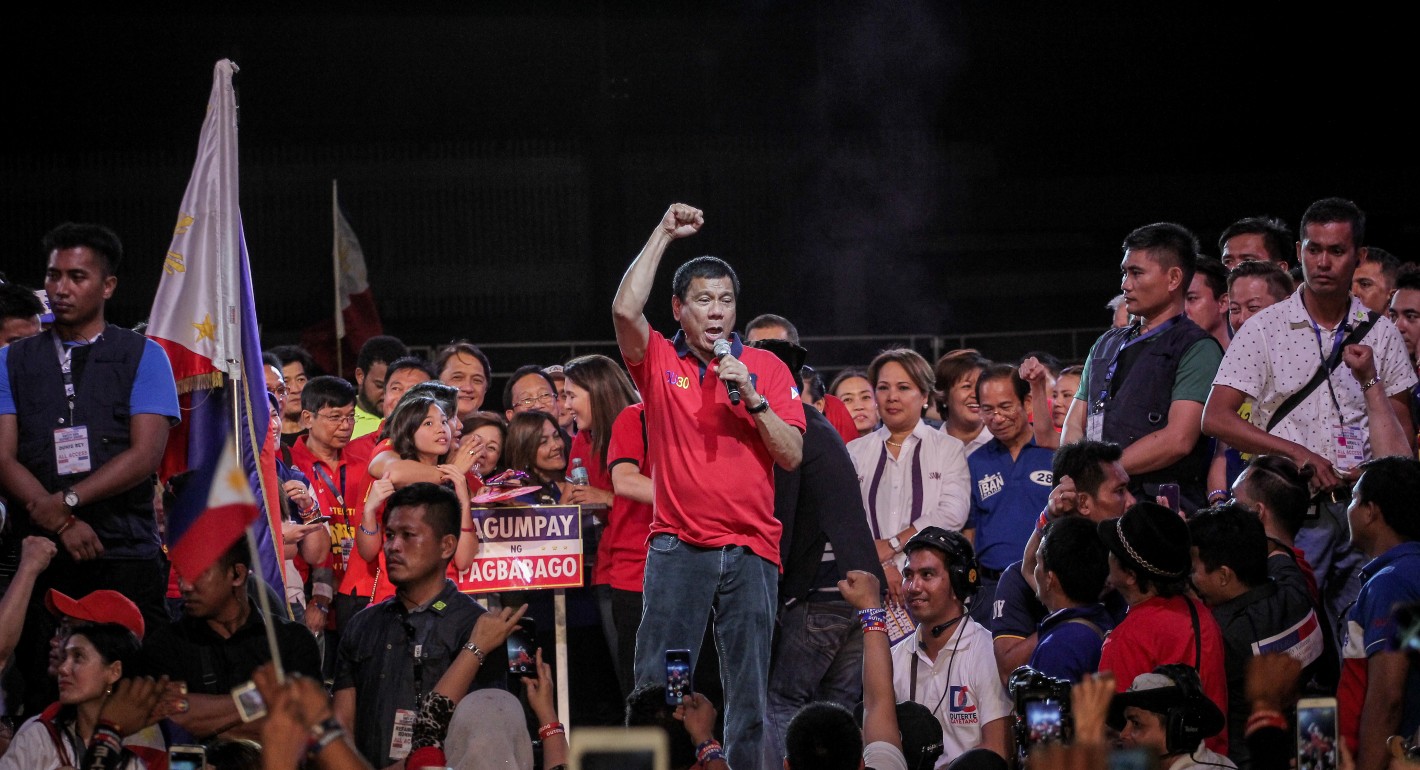
In the Philippines, Duterte-era discourse emphasizing sovereignty, anti-Western skepticism, and strongman diplomacy mirrors tenets of populist foreign policy around the world.

Aries A. Arugay

Powerful lobbyists and inertia led to Russia’s coal-mining sector missing an excellent opportunity to solve its structural problems.
Alexey Gusev