

Commentary
Montenegro and Albania are frontrunners for EU enlargement in the Western Balkans, but they can’t just sit back and wait. To meet their 2030 accession ambitions, they must make a strong positive case.
Dimitar Bechev, Iliriana Gjoni
{
  "authors": [],
  "type": "pressRelease",
  "centerAffiliationAll": "dc",
  "centers": [
    "Carnegie Endowment for International Peace"
  ],
  "collections": [],
  "englishNewsletterAll": "ctw",
  "nonEnglishNewsletterAll": "",
  "primaryCenter": "Carnegie Endowment for International Peace",
  "programAffiliation": "SAP",
  "programs": [
    "South Asia"
  ],
  "projects": [],
  "regions": [
    "United States",
    "Iran",
    "Saudi Arabia",
    "South Asia",
    "India",
    "Afghanistan",
    "Pakistan",
    "China",
    "Central Asia",
    "Russia"
  ],
  "topics": [
    "Security",
    "Military",
    "Foreign Policy"
  ]
}
REQUIRED IMAGE
Leading experts analyze the interests of Afghanistan’s neighbors, what they mean in practice, and what it could mean for U.S. policy.
WASHINGTON, May 7—President Obama made decisive changes to U.S. policy in Afghanistan—increasing forces on the ground, modifying the original goals, and placing a greater emphasis on the need for a regional approach. In a new report from the Carnegie Endowment, leading experts analyze the interests of Afghanistan’s neighbors, what they mean in practice, and what it could mean for U.S. policy.
“All the relevant states will continue to act in and around Afghanistan, pursuing their national interests as they see them,” writes Carnegie President Jessica Mathews in the introduction. “Whatever succession of strategies the United States and its partners adopt in the years ahead in pursuit of a peaceful and stable Afghanistan, a deep and nuanced understanding of the interests and policies of the neighboring states—not as the United States would like them to be, but as these states actually perceive them—will be essential to a successful outcome.”
Countries Analyzed:
In the final chapter, Ashley J. Tellis concludes that “the regional approach to Afghanistan—understood as an effort to incorporate all of Kabul’s major neighbors into a cooperative enterprise led by the United States, and aimed at stabilizing Afghanistan through successful counterterrorism, reconstruction, and state-building—is unlikely to succeed, first and foremost, because the key regional stakeholders have diverging objectives within Afghanistan.”
###
NOTES
Carnegie does not take institutional positions on public policy issues; the views represented herein are those of the author(s) and do not necessarily reflect the views of Carnegie, its staff, or its trustees.
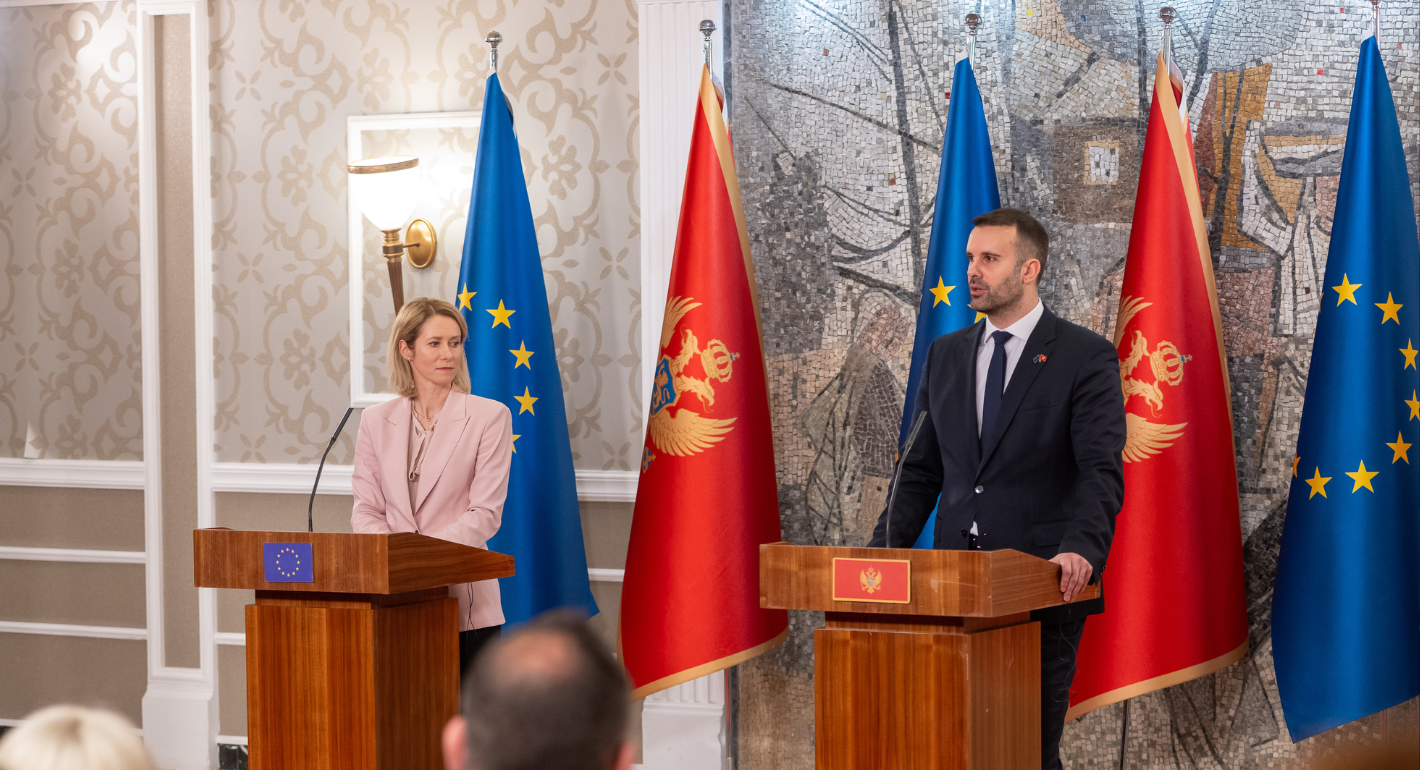
Montenegro and Albania are frontrunners for EU enlargement in the Western Balkans, but they can’t just sit back and wait. To meet their 2030 accession ambitions, they must make a strong positive case.


Dimitar Bechev, Iliriana Gjoni

This piece argues that the present Indian strategy, based on opportunistic diversification and utilization of limited strategic reserves, remains inadequate when confronting supply disruptions. It evaluates India’s options in the short, medium, and long terms.

Vrinda Sahai

Its reinstatement should be celebrated, but it retains some major shortcomings.

Leonardo Martinez-Diaz

Despite long-standing differences, China and Vietnam are reinforcing common ground for collaboration, especially in public security. This internal security–centered diplomacy offers a strengthened road map for how China moves forward with Southeast Asia.
Sophie Zhuang
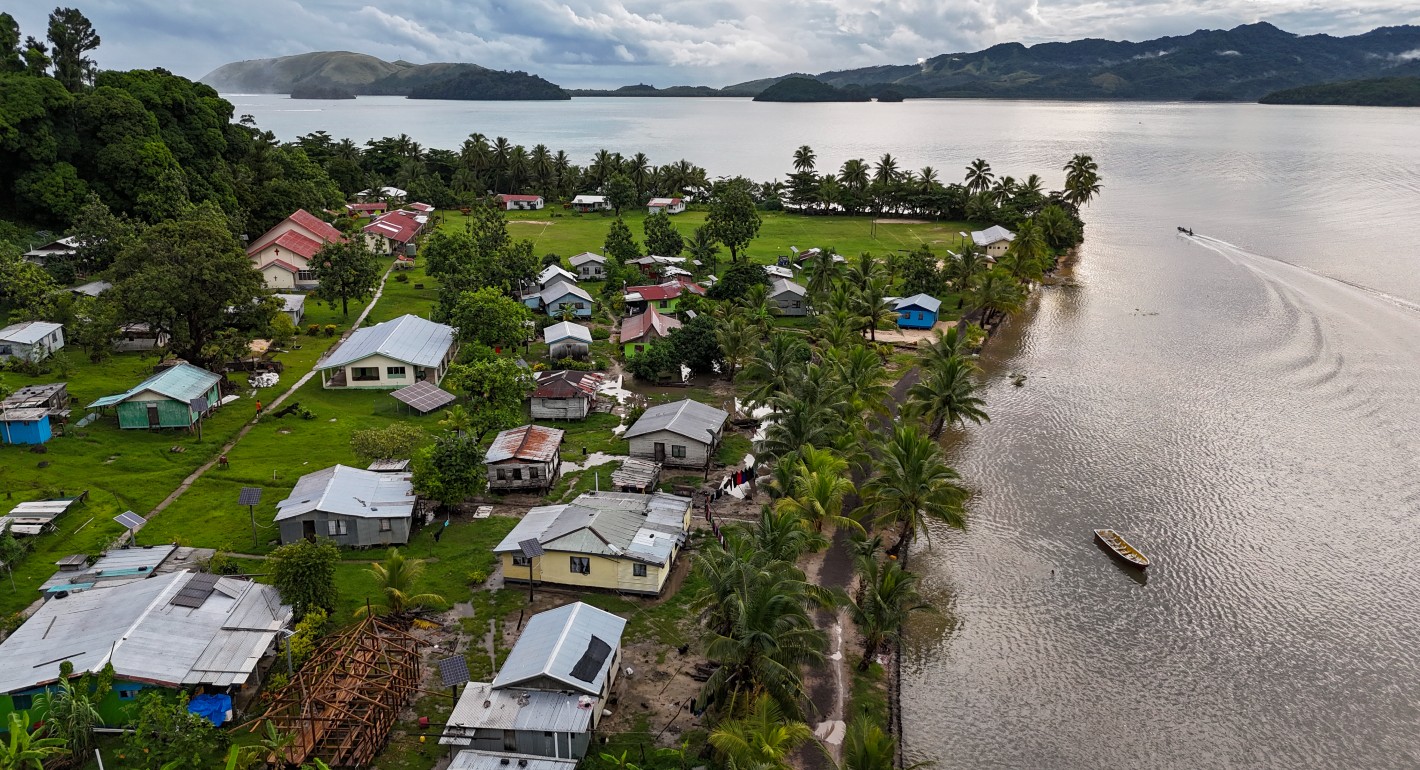
Climate mobility interventions can vary, but they all present opportunities to unlock transformative results that mitigate costs associated with inaction.

Alejandro Martin Rodriguez