
• Research
  • Emissary
  • About
  • Experts
Carnegie Global logoCarnegie lettermark logo
DemocracyIran
  • Donate
{
  "authors": [
    "Frederic Grare"
  ],
  "type": "other",
  "centerAffiliationAll": "dc",
  "centers": [
    "Carnegie Endowment for International Peace",
    "Carnegie Europe"
  ],
  "collections": [],
  "englishNewsletterAll": "ctw",
  "nonEnglishNewsletterAll": "",
  "primaryCenter": "Carnegie Endowment for International Peace",
  "programAffiliation": "SAP",
  "programs": [
    "South Asia"
  ],
  "projects": [],
  "regions": [
    "North America",
    "United States",
    "South Asia",
    "Pakistan",
    "Asia"
  ],
  "topics": [
    "Political Reform",
    "Security",
    "Military",
    "Foreign Policy"
  ]
}
Source: Getty

Other

Political Dimensions of Police Reform in Pakistan

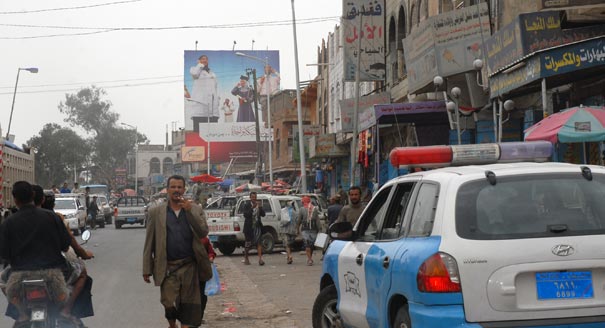
Pakistan’s police force has historically been constrained by the military and intelligence agencies and often politicized as an instrument of repression. Reforming civilian security forces will diminish Islamabad’s dependence on the military and increase the legitimacy of the regime.

Link Copied
By Frederic Grare
Published on Jul 14, 2010
Program mobile hero image

Program

South Asia

The South Asia Program informs policy debates relating to the region’s security, economy, and political development. From strategic competition in the Indo-Pacific to India’s internal dynamics and U.S. engagement with the region, the program offers in-depth, rigorous research and analysis on South Asia’s most critical challenges.

Learn More

Pakistan’s police force has historically been constrained by the military and intelligence agencies and often politicized as an instrument of repression against opposition groups. Frédéric Grare writes that reforming civilian security forces will diminish Islamabad’s dependence on the military and increase the legitimacy of the regime. 

Recommendations for Pakistani policy makers 

  • Remove military oversight of the police. The armed forces’ involvement in selecting police leaders will ultimately lead to the militarization of the police.
     
  • Guarantee police receiving U.S. assistance serve only as police. The United States and other donors need to be reassured that their money is being spent as intended. When officers are redirected to military operations or counterterrorism it diverts the time and resources needed to develop into a successful institution.
     
  • Utilize lessons from good models. The National Highways and Motorways Police is a branch that has not been politicized and has avoided the leadership and funding problems experienced by other agencies.

Recommendations for U.S. policy makers

  • Implement the Kerry-Lugar-Berman bill. The civilian assistance legislation sponsored by Senators Kerry and Lugar and Congressman Berman provides a promising framework but is limited by competing objectives. Long-term goals of political and democratic reform are at odds with the short-term goal of gaining cooperation from the Pakistani army in the fight against terrorism.
     
  • Support the strengthening of police capabilities. Many officers resent their dependence on an army that tends to monopolize resources and impedes their room to maneuver.

“Police reform should not be allowed to serve as an alibi for the Pakistani intelligence agencies’ selective fight against terrorism,” writes Grare. “Only under these conditions will the Pakistani police become an effective instrument for fighting terrorism and a contributor to security and stability in Pakistan and beyond.”
About the Author

Frederic Grare

Former Nonresident Senior Fellow, South Asia Program

Frédéric Grare was a nonresident senior fellow at the Carnegie Endowment for International Peace, where his research focuses on Indo-Pacific dynamics, the search for a security architecture, and South Asia Security issues.

    Recent Work

  • Article
    France, the Other Indo-Pacific Power

      Frederic Grare

  • Article
    What Sri Lanka’s Presidential Election Means for Foreign Policy

      Frederic Grare

Frederic Grare
Former Nonresident Senior Fellow, South Asia Program
Frederic Grare
Political ReformSecurityMilitaryForeign PolicyNorth AmericaUnited StatesSouth AsiaPakistanAsia

Carnegie does not take institutional positions on public policy issues; the views represented herein are those of the author(s) and do not necessarily reflect the views of Carnegie, its staff, or its trustees.
More Work from Carnegie Endowment for International Peace

  • Commentary
    Strategic Europe
    How to Join the EU in Three Easy Steps

    Montenegro and Albania are frontrunners for EU enlargement in the Western Balkans, but they can’t just sit back and wait. To meet their 2030 accession ambitions, they must make a strong positive case.


      Dimitar Bechev, Iliriana Gjoni

  • Article
    India’s Oil Security Strategy: Structural Vulnerabilities and Strategic Choices

    This piece argues that the present Indian strategy, based on opportunistic diversification and utilization of limited strategic reserves, remains inadequate when confronting supply disruptions. It evaluates India’s options in the short, medium, and long terms.

      Vrinda Sahai
  • flood wall
    Commentary
    Emissary
    BRIC Is Critical for U.S. National Security. After a Yearlong Legal Battle, It’s Back.

    Its reinstatement should be celebrated, but it retains some major shortcomings.

      Leonardo Martinez-Diaz
  • Article
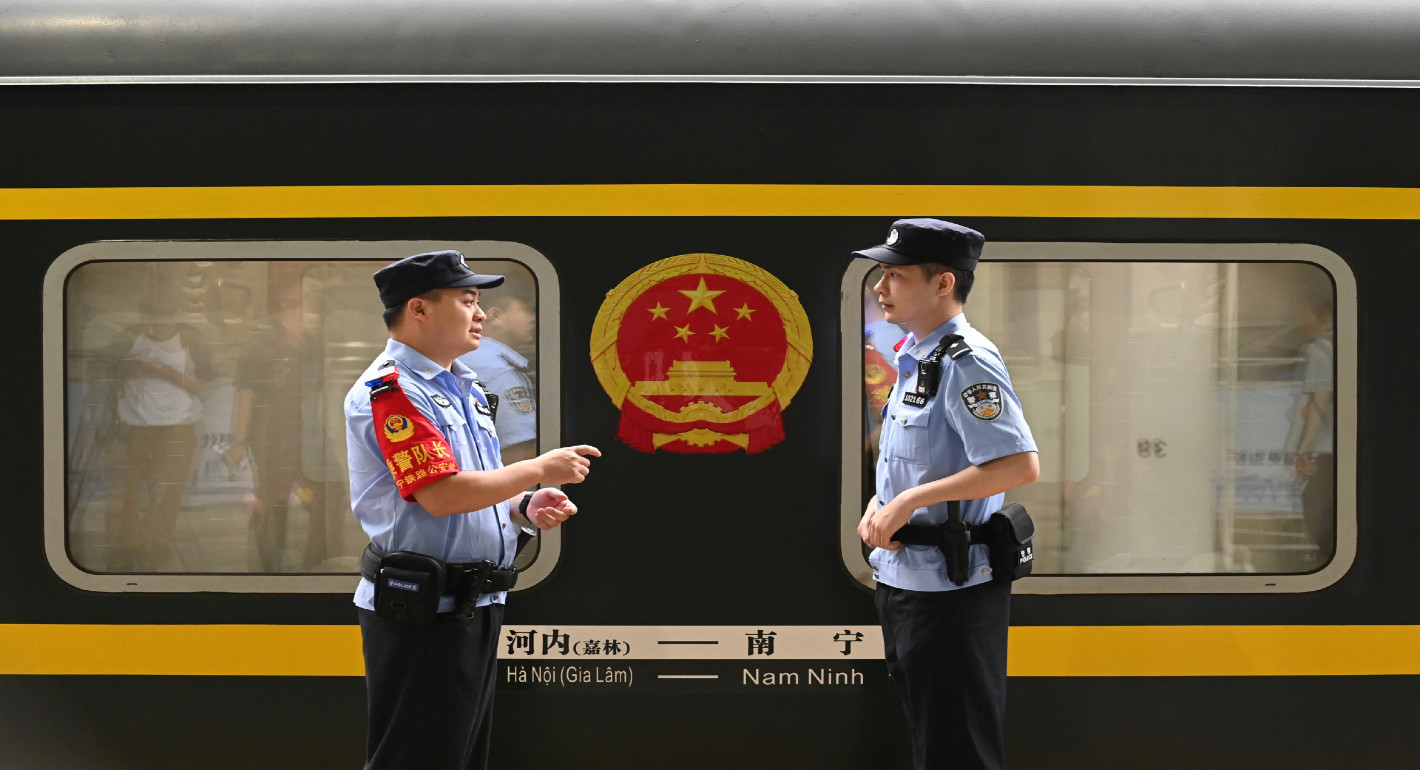
    Leveraging Internal Security Cooperation with Vietnam Offers a Glimpse of Future Chinese Diplomacy with Southeast Asia

    Despite long-standing differences, China and Vietnam are reinforcing common ground for collaboration, especially in public security. This internal security–centered diplomacy offers a strengthened road map for how China moves forward with Southeast Asia.

      Sophie Zhuang
  • Aerial shot of island community
    Commentary
    One Year After the Great Aid Recession, Investments in Climate Mobility Offer Cost-Effective Returns

    Climate mobility interventions can vary, but they all present opportunities to unlock transformative results that mitigate costs associated with inaction.

      • Alejandro Rodriguez

      Alejandro Martin Rodriguez

Get more news and analysis from
Carnegie Endowment for International Peace
Carnegie global logo, stacked
1779 Massachusetts Avenue NWWashington, DC, 20036-2103Phone: 202 483 7600Fax: 202 483 1840
  • Research
  • Emissary
  • About
  • Experts
  • Donate
  • Programs
  • Events
  • Blogs
  • Podcasts
  • Contact
  • Annual Reports
  • Careers
  • Privacy
  • For Media
  • Government Resources
Get more news and analysis from
Carnegie Endowment for International Peace
© 2026 Carnegie Endowment for International Peace. All rights reserved.